Can Cats Eat Pork? Doneness, Fat, Bones, Seasoning, and Portions
Most healthy adult cats can eat a tiny piece of plain, fully cooked, lean pork with every bone removed. Raw or undercooked pork can carry pathogens, fatty cuts can upset the digestive tract, bones can choke or obstruct, and bacon, ham, sausage, gravy, marinades, and rubs add salt or toxic seasonings.
What to do after a pork theft
Identify the cut, doneness, seasoning, amount, and missing nonfood items. Save the package and recipe, then account for bones, skewers, butcher string, netting, foil, absorbent pads, plastic, and seasoning packets.
- Tiny plain cooked piece: usually monitor for vomiting, diarrhea, itching, or appetite change.
- Raw pork, bone, string, wrapper, or substantial fat: call based on the amount, cat, and symptoms.
- Garlic, onion, alcohol, heavy salt, unknown marinade, or spoiled meat: contact a veterinarian or pet poison service promptly.
- Trouble breathing, collapse, relentless vomiting, profound weakness, abnormal gum color, tremors, or seizures: seek urgent care.
Do not induce vomiting and do not pull string from the mouth or rectum. Bones and linear foreign bodies can make home treatment dangerous.
Pork is an ingredient, not a complete diet
Pork supplies animal protein and fat, so it can appear in properly formulated complete cat food. A plain piece of muscle meat alone does not provide the correct balance of calcium, phosphorus, taurine, vitamins, minerals, and other nutrients for long-term feeding.
The Merck Veterinary Manual nutrient overview warns that meat-only and limited-ingredient homemade diets can cause deficiencies. Cats need the finished nutrient profile, not merely a respectable-looking protein.
Use pork as an occasional pea-sized extra, if at all, while complete feline food remains the meal. The cat can admire the roast without inheriting the carving board.
Cook pork thoroughly
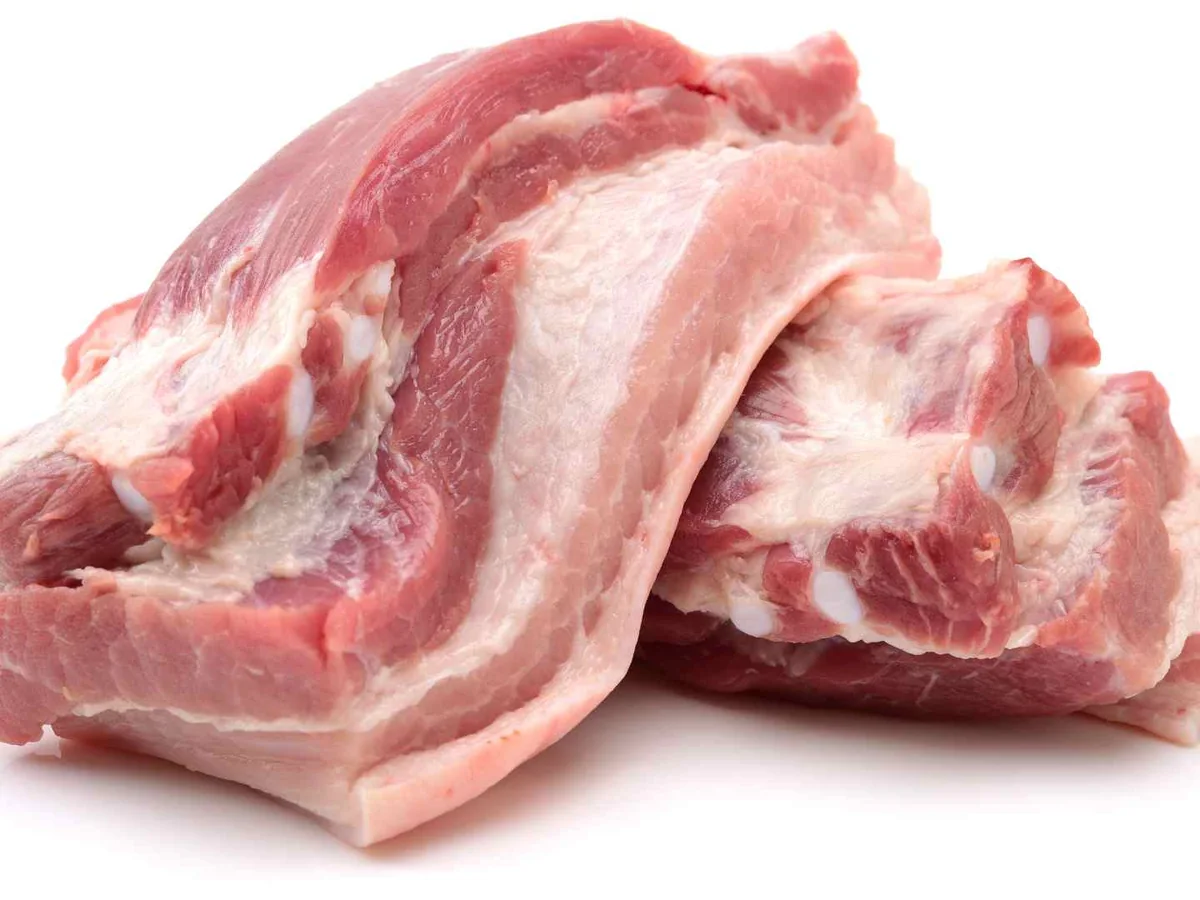
Raw and undercooked meat can carry bacteria and parasites that affect cats and people in the household. Freezing is not a universal kill step, and a healthy-looking cat can sometimes shed pathogens without obvious illness.
The FDA reports that raw pet food is more likely to contain disease-causing bacteria than other tested pet foods. Thorough cooking and careful kitchen hygiene reduce risk.
Use a food thermometer and follow current food-safety guidance for the exact cut and preparation, then let the cat’s portion cool. Color and texture alone are unreliable measures of doneness.
Raw pork and household contamination
Keep raw pork separate from cat bowls, counters, utensils, and ready-to-eat food. Wash hands with soap, clean surfaces, and prevent the cat from licking packaging, drips, cutting boards, or the sink.
The FDA’s Salmonella safety guide notes that cats can become ill or carry and shed bacteria after contaminated food. Kittens and cats with other illness may show more obvious disease.
Possible signs include vomiting, diarrhea that may be bloody, fever, reduced appetite, and lethargy. Call the veterinarian and mention raw-meat exposure rather than assuming an ordinary stomach bug.
Fatty cuts, skin, crackling, and grease
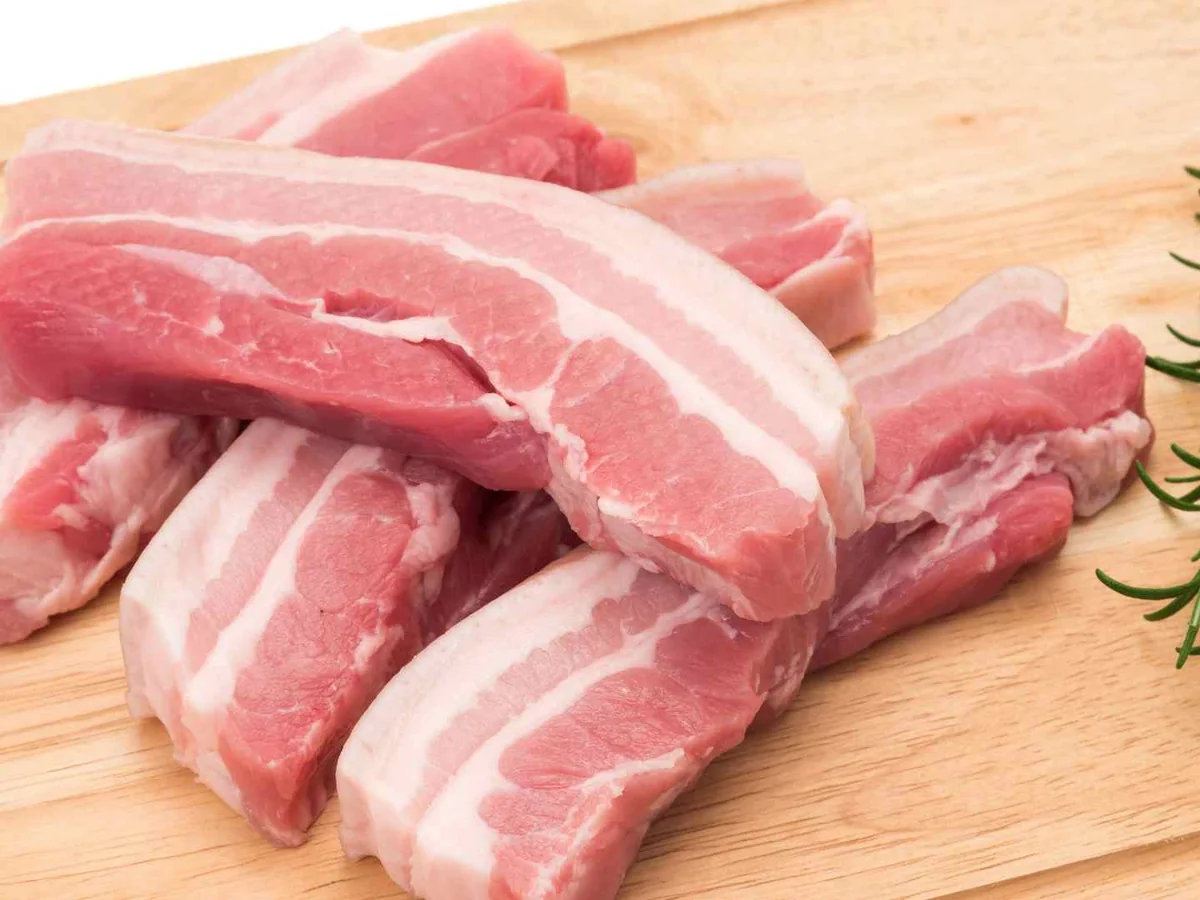
Pork belly, shoulder fat, crackling, skin, pan drippings, and grease concentrate calories and can trigger vomiting or diarrhea. Hard crackling also presents a choking and tooth-injury risk.
It is inaccurate to promise that one fatty bite causes pancreatitis because feline pancreatitis is complex and often lacks a single cause. Cats with a pancreatitis history or fat-sensitive gastrointestinal disease should still avoid rich extras.
Trim visible fat and offer only lean interior meat if the veterinarian approves a taste. Do not pour drippings over cat food to improve appetite without medical guidance.
Bones are never a useful pork treat
Raw and cooked pork bones can choke, break teeth, lodge in the esophagus, obstruct the intestine, or puncture digestive tissue. Cooking can make bones brittle, but raw bones are not safe by contrast.
Coughing, gagging, repeated swallowing, pawing at the mouth, noisy breathing, or breathing difficulty may signal a lodged bone. Repeated vomiting, abdominal pain, appetite loss, inability to keep water down, straining, or marked lethargy can signal obstruction or injury.
Breathing difficulty is an emergency. Do not induce vomiting after bone ingestion because sharp material can cause additional injury on the way back up.
Garlic, onion, marinades, and rubs
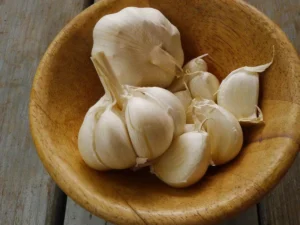
Pork is frequently seasoned with garlic, onion, chives, shallots, spice blends, barbecue sauce, stock, or gravy. Removing visible onion after cooking does not remove compounds distributed through sauce and fat.
The Merck Allium toxicosis review identifies cats as especially susceptible to oxidative red blood cell damage, with anemia signs delayed for days. Call with the full recipe rather than waiting for pale gums, weakness, or dark urine.
Alcohol in marinades and sauces is another reason to call, and cooking does not guarantee that every recipe retains zero alcohol. Unknown restaurant seasoning should remain unknown during triage.
Bacon, ham, sausage, and pepperoni
Cured and processed pork adds sodium, fat, smoke flavor, preservatives, and spices. One tiny crumb is usually minor, but these products should not become cat treats.
Our guides to salami, pizza, and butter cover cured meats, mixed recipes, and fat in more detail. For salty brines and onion or garlic seasonings served beside pork, see the pickle safety guide.
Processed-meat casings, clips, netting, and absorbent pads are foreign bodies. Account for them before deciding the incident involved only meat.
Salt and medically managed cats
Plain fresh pork contains sodium, while cured pork and salty sauces contain much more. One lean unseasoned bite is not expected to cause salt poisoning, but a large cured-meat theft or concentrated brine deserves advice.
Cats with kidney, heart, urinary, or other medically managed disease may have a prescribed nutrient target. Ask the treating veterinarian before using pork as a topper or pill wrapper.
Food allergy and elimination diets
Pork can be an allergen for an individual cat even though it is not a universal toxin. Itching, skin or ear trouble, vomiting, diarrhea, hives, facial swelling, coughing, or breathing changes require veterinary assessment.
Emergency help is warranted if pork is followed by breathing trouble, abrupt swelling, or collapse. Cats on elimination diets should receive no pork unless it is specifically included in the prescribed trial.
Storage and spoilage
Refrigerate raw and cooked pork promptly, follow package and food-safety directions, and discard meat that is slimy, moldy, sour-smelling, discolored, or held unsafely. Reheating does not reliably fix every toxin created during spoilage.
Keep the original label and lot code, use clean utensils, and store leftovers in a covered container. Put bones, strings, foil, and pads into a lidded bin before their aroma becomes cat enrichment.
Cats who need stricter limits
Kittens need complete growth food and are more vulnerable to foodborne illness and choking. Senior cats and cats with kidney, heart, liver, gastrointestinal, pancreatic, dental, swallowing, or immune disease need individualized advice.
The Cornell Feline Health Center recommends complete balanced food and keeping extras occasional. A cat with obesity or diabetes gains little from adding fatty table meat.
What to tell the veterinary team
Report the cut, raw or cooked state, maximum amount, time, symptoms, seasoning, medical conditions, and every missing bone or packaging item. Send label and recipe photos when possible.
The clinic may recommend monitoring, examination, imaging, or testing based on those details. Choking, infection, Allium exposure, dietary upset, allergy, and foreign bodies require different plans.
Preventing kitchen and trash raids
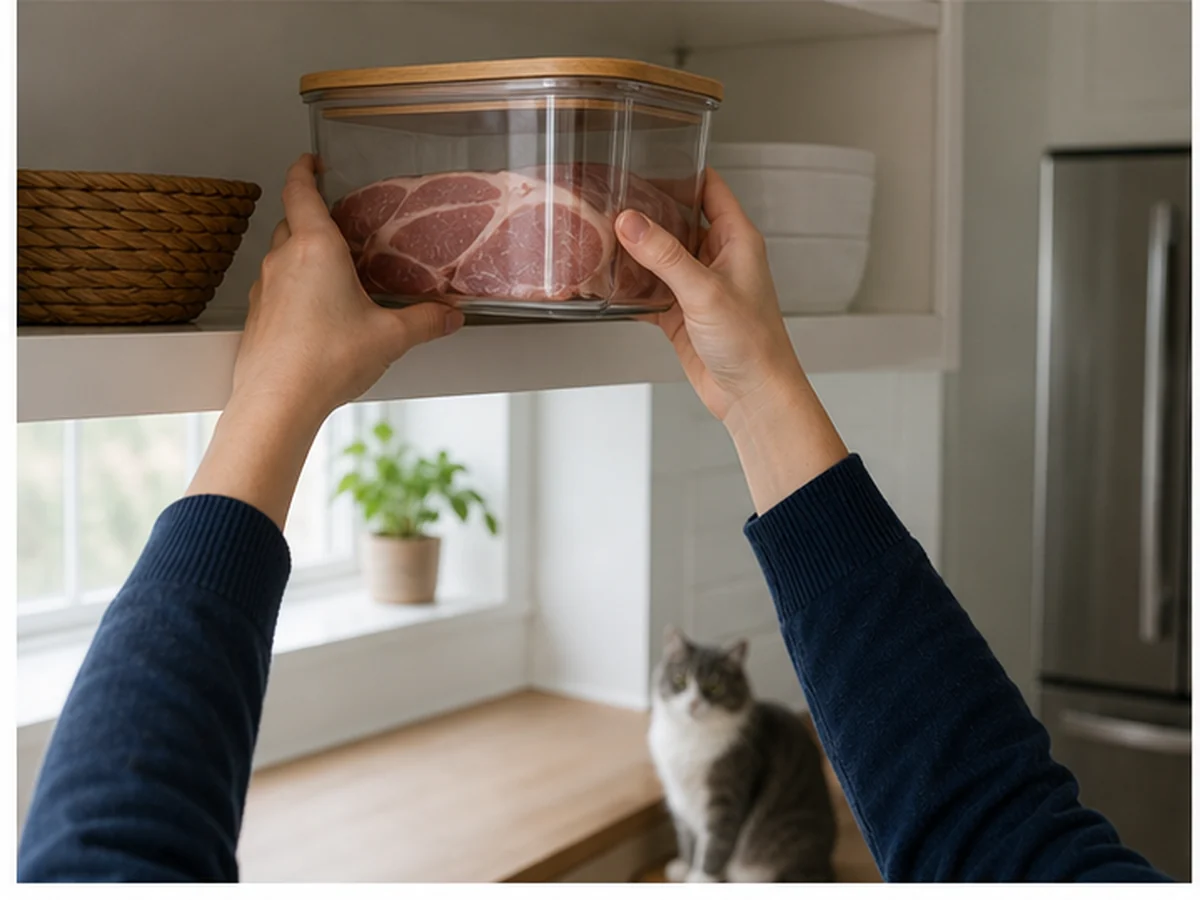
Keep raw pork on a low refrigerator shelf in a leakproof container, separate from ready-to-eat food. Move trimmings, bones, pads, netting, skewers, and strings directly into a lidded bin before the smell turns waste into a feline scavenger hunt.
Wash hands, knives, boards, counters, bowls, and sink surfaces after raw-meat preparation. Do not let the cat walk across the cutting area or lick plates before they are cleaned.
During meals, serve the cat a measured normal portion in a quiet area and ask guests not to share table meat. Consistent rules prevent several people from each giving one supposedly harmless fatty or seasoned bite.
If food stealing suddenly becomes intense or accompanies weight loss, increased thirst, vomiting, diarrhea, or rejection of regular food, arrange a veterinary examination. A changed appetite can be a medical clue rather than a promotion to household roast inspector.
What if a cat ate pork grease?
A lick may cause no sign or temporary stomach upset, while a panful delivers a large fat load and may include salt, garlic, onion, cleaner, or bits of foil. Call with the amount and recipe, especially for a cat with pancreatic or gastrointestinal disease.
Wipe grease from paws or fur using veterinary instructions so grooming does not increase ingestion. Do not use solvents, essential oils, or harsh degreasers on a cat.
How to serve a safer taste
- Choose a lean fresh cut and cook it thoroughly.
- Remove every bone, string, skewer, skin, and visible fat.
- Set aside the cat’s portion before salt, rub, sauce, onion, or garlic.
- Cool and cut one pea-sized shred.
- Count it among daily treats and stop after digestive or skin signs.
Part of the regular complete ration is simpler and nutritionally dependable. The best kitchen compromise is often giving the cat dinner while the humans season theirs.
Frequently asked questions
Can kittens eat pork?
A tiny plain cooked shred is unlikely to poison a kitten, but treats should not displace complete growth food. Raw pork, fat, and bones are inappropriate.
Can cats eat pork chops?
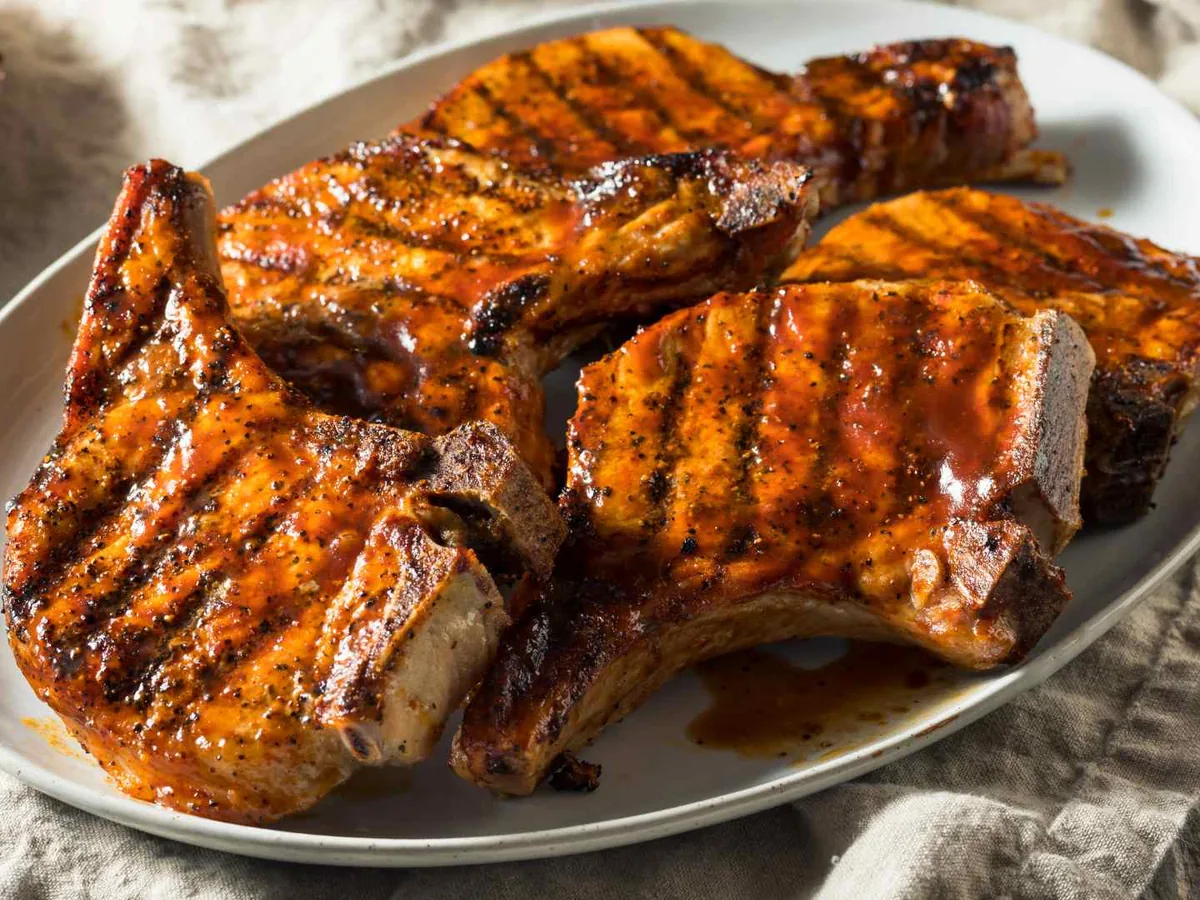
Only a tiny lean fully cooked interior piece without bone, fat, salt, sauce, onion, or garlic is a reasonable occasional taste. The chop itself should remain human food.
Can cats eat raw pork?
Do not offer it. Raw pork can expose cats and people to pathogens, while freezing does not eliminate every risk.
The bottom line
A pea-sized piece of plain fully cooked lean pork can be an occasional extra for many healthy cats. Keep raw meat, fat, bones, cured products, seasoning, spoilage, and packaging out of reach, and let complete feline food remain the actual diet.