Can Cats Eat Smoked Salmon? Cold-Smoked, Hot-Smoked, Lox, and Food Safety
A thumbnail-size piece of plain, fully cooked salmon can be an occasional cat treat, but refrigerated smoked salmon is too salty for routine sharing and carries additional food-safety concerns. Cold-smoked, hot-smoked, lox, gravlax, shelf-stable, canned, seasoned, and raw products are not interchangeable, so keep the package beside you while you assess the theft.
The label should settle the smoke question
Cold-smoked fish is commonly cured and smoked without a final cooking step that makes it equivalent to cooked salmon, while hot-smoked fish is cooked by heat during processing. Color and flaky texture cannot reliably tell you which process, temperature, salt level, or storage requirement a producer used.
| Product | Questions that matter |
| Refrigerated cold-smoked salmon | Ready-to-eat pathogen risk, salt, storage |
| Hot-smoked salmon | Seasoning, bones, salt, cooking and storage |
| Lox or gravlax | Cure salt, sugar, herbs, alcohol, no assumption of cooking |
| Shelf-stable pouch or can | Sodium, oil, seasonings, opened storage |
| Salmon jerky | Concentrated salt, dry texture, package |
| Smoked-salmon spread | Dairy, Alliums, herbs, fat, crackers |
Refrigerated smoked fish has a Listeria history
CDC includes refrigerated smoked fish among foods that can carry Listeria monocytogenes and recommends safer alternatives for people at high risk. That human guidance does not quantify a feline dose, but it confirms that ready-to-eat cold-smoked fish is not sterile simply because it is sealed and refrigerated.
Kittens, seniors, pregnant cats, and immunocompromised cats deserve particular caution, and household members can also be exposed through contaminated hands, surfaces, bowls, and feces. The CDC’s Listeria prevention page specifically distinguishes refrigerated smoked fish from shelf-stable products or fish cooked in a dish.
Smoking and curing do not erase raw-fish concerns
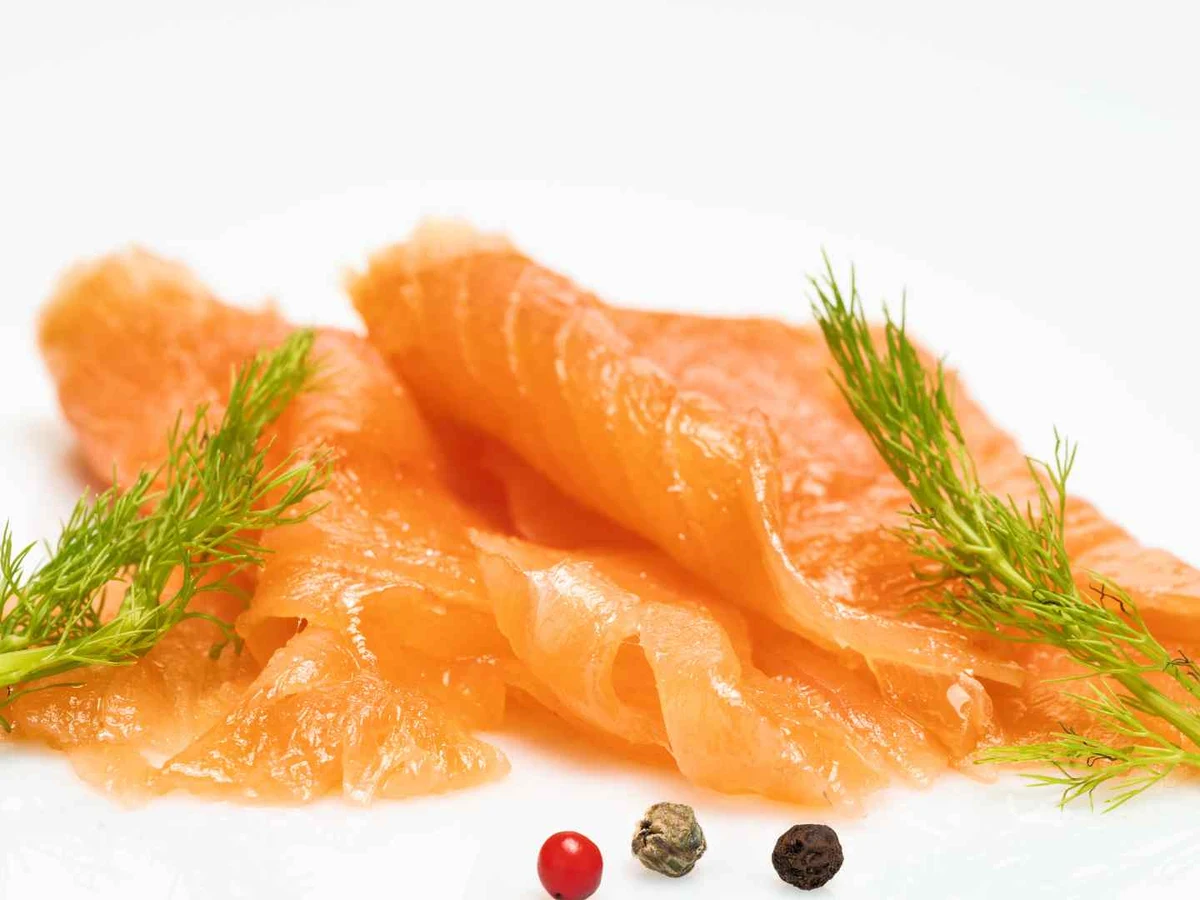
Cold smoking is not a substitute for thorough cooking, and freezing, curing, or smoke flavor cannot be assumed to eliminate every bacterium or parasite. FDA research on raw pet foods found Salmonella and Listeria in raw products, supporting a cautious approach to uncooked animal protein.
Do not build a raw or cold-smoked fish diet from the idea that cats naturally eat prey. Modern packaged fish, household longevity, nutritional balance, and pathogen transmission create a different decision.
Salt is the everyday reason to say no
Brining and curing give smoked salmon its texture and flavor, often producing far more sodium than plain cooked fish. One small stolen ribbon may cause no signs, but a package raid or repeated sharing is inappropriate, especially for kidney, heart, blood-pressure, or fluid-balance patients.
Call promptly for marked thirst, repeated vomiting, weakness, wobbliness, tremors, seizures, or an unknown large amount. Do not force water or attempt to correct sodium at home, because electrolyte treatment requires controlled veterinary judgment.
Hot-smoked is cooked, not automatically plain
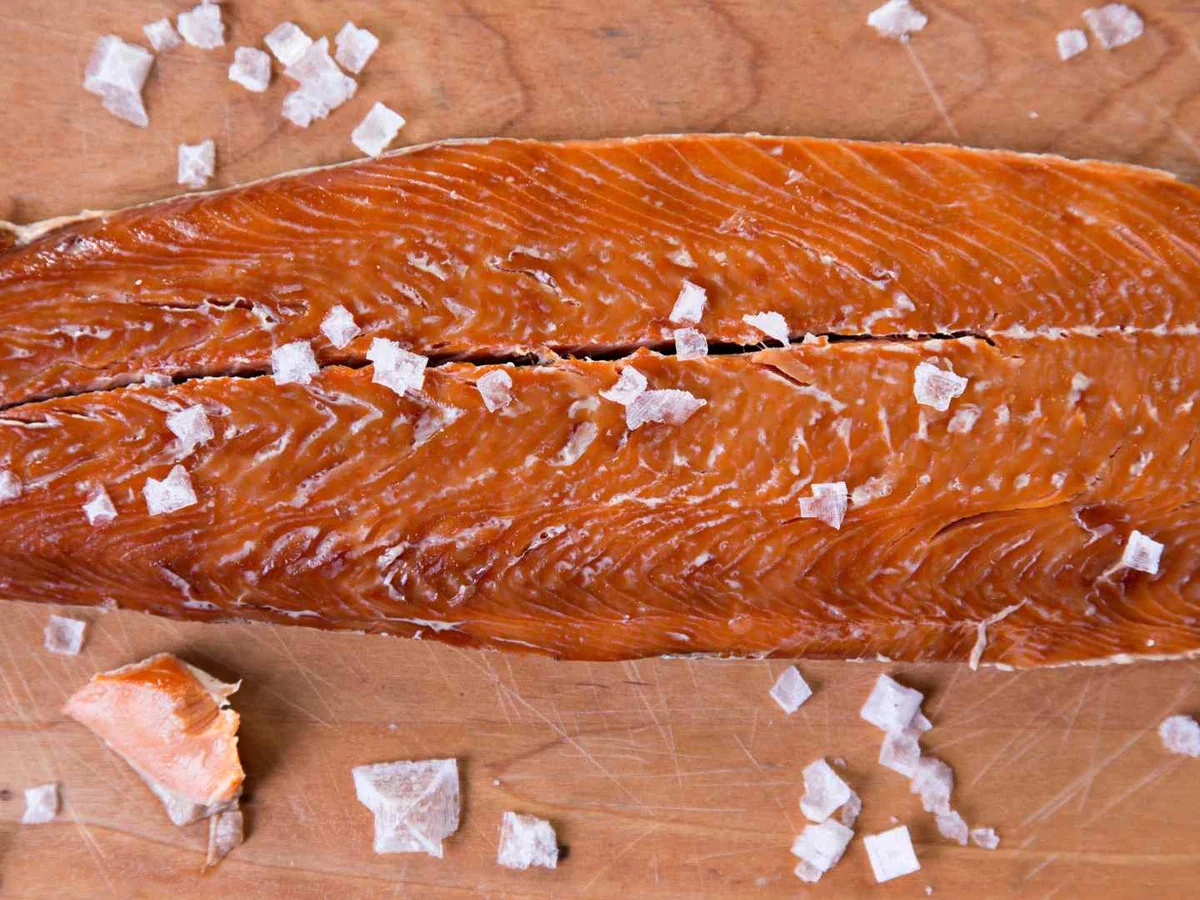
Hot-smoked salmon may reduce the uncooked-fish issue but still carry salt, pepper, garlic, onion, maple, honey, barbecue rub, chile, or glaze. A browned crust can hold more seasoning than the center and may be exactly what the cat selects.
Set aside a tiny unseasoned cooked salmon morsel before smoking or saucing if sharing has been veterinary-approved. Do not scrape a seasoned surface and assume dissolved salt and powders disappeared.
Bones can hide in beautiful slices
Pin bones may remain even in neatly sliced or filleted products, and smoked bones can be brittle. A bone can lodge in the mouth, throat, or digestive tract, so run fingers through human portions and never deliberately offer skin, fins, bones, or cartilage.
Gagging, drooling, repeated swallowing, mouth pawing, vomiting, pain, or refusal to eat needs prompt examination. Do not reach deep into an alert cat’s mouth or induce vomiting after a sharp object.
Skin and oily edges make a richer bite
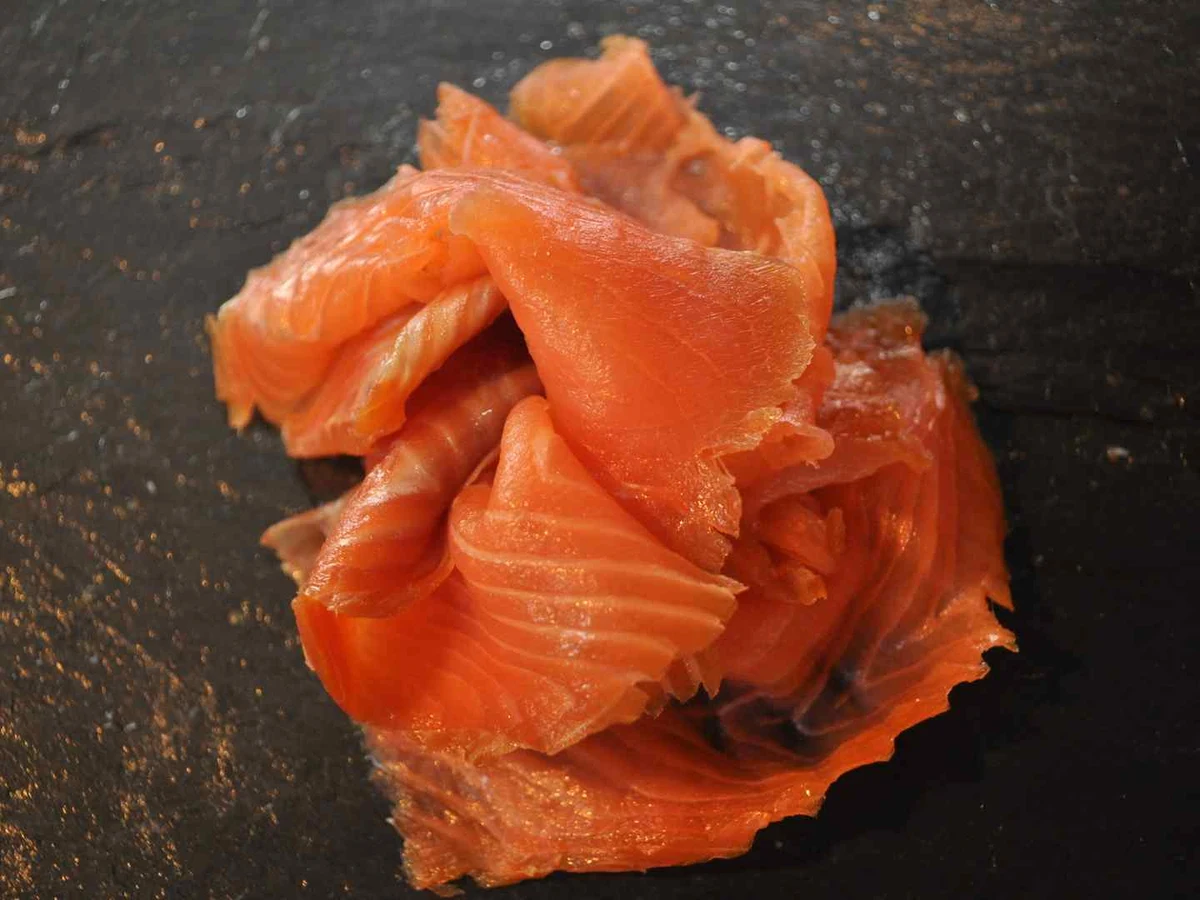
Salmon skin and belly pieces can contain substantial fat, and smoking may leave them salty and chewy. A tiny piece does not guarantee pancreatitis, but a larger rich serving can cause vomiting or diarrhea and is a poor choice for cats with prior pancreatitis or obesity.
Persistent vomiting, abdominal discomfort, severe lethargy, or appetite loss deserves veterinary care. Remove any twine, hooks, clips, toothpicks, or butcher paper attached to the skin.
Spreads and bagels turn fish into a whole brunch
Smoked-salmon spread may combine cream cheese, sour cream, mayonnaise, dill, capers, lemon, onion, garlic, chives, salt, and pepper. Bagels, crackers, cucumber slices, toothpicks, plastic knives, foil, and elastic food covers can accompany it.
Inventory the entire bite and use the site’s cream cheese guide for dairy and flavor context. The fish label alone cannot clear a blended spread.
Lox, gravlax, and cured salmon deserve their names
Lox is cured, while gravlax can include salt, sugar, dill, pepper, citrus, alcohol, beets, or other flavorings. Neither name guarantees a final kill step, and homemade curing makes concentration and hygiene harder to reconstruct.
Report the curing recipe, duration, source fish, freezing history, storage temperature, and amount. Do not use human serving traditions as evidence that a product is safe for cats.
Shelf-stable is a storage category, not a treat endorsement
Canned or retort-pouched salmon may be heat processed, yet labels can include salt, oil, smoke flavor, broth, spices, or sauce. Once opened, shelf-stable packaging becomes a refrigerated leftover with the manufacturer’s time instructions.
Drain nothing onto the cat’s meal, secure sharp can lids and pouch corners, and count caps or oxygen absorbers. The site’s salmon guide can help compare plain cooked fish with other forms.
Fish cannot be the whole menu
Salmon supplies protein and fat, but smoked slices are not complete cat food and can unbalance a diet when used generously. The FDA explains the nutritional adequacy statement that identifies a food intended as the sole diet.
Cats on urinary, kidney, cardiac, allergy, weight, or gastrointestinal diets should receive only approved extras. Medication should not be hidden in smoked salmon unless the prescriber confirms the salty food and dose method are compatible.
The refrigerated-package checklist
- Save the label and identify cold-smoked, hot-smoked, cured, canned, or shelf-stable form.
- Estimate fish, skin, seasoning, spread, and package pieces that are missing.
- Record time, refrigeration history, use-by date, weight, health conditions, and signs.
- Call for uncooked product in a vulnerable cat, large salty exposure, bones, Alliums, spoilage, or symptoms.
- Clean hands and surfaces and follow veterinary monitoring instructions for the cat and household.
Do not induce vomiting or give peroxide, salt, oil, milk, charcoal, antibiotics, or extra water by force. A veterinarian decides whether the primary issue is sodium, pathogen exposure, seasoning, bone, or another complication.
Recalls and lot codes matter with ready-to-eat fish
Smoked seafood can be recalled for contamination even when the package looks, smells, and tastes normal. Keep the lot, use-by date, establishment or producer information, and uneaten product isolated in its original packaging until current recall instructions and veterinary advice are clear.
Do not feed from another pack in the same multipack while investigating, and clean shelves or containers as the notice directs. If household members ate the same fish and become ill, contact human medical professionals separately while telling the veterinarian about the shared source.
Thiamine belongs in the long-term diet conversation
Some raw fish contain thiaminase, an enzyme that can degrade vitamin B1, but species and processing differ and one smoked-salmon theft is not a diagnosis of thiamine deficiency. The larger nutritional warning is that repeatedly feeding fish without professional formulation can create imbalances that a single nutrient headline misses.
Do not add a human vitamin or supplement after a fish snack. Cats with poor appetite, abnormal gait, weakness, neurologic signs, or a fish-heavy homemade diet need examination and a complete diet history.
Kitchen hygiene protects the people around the cat
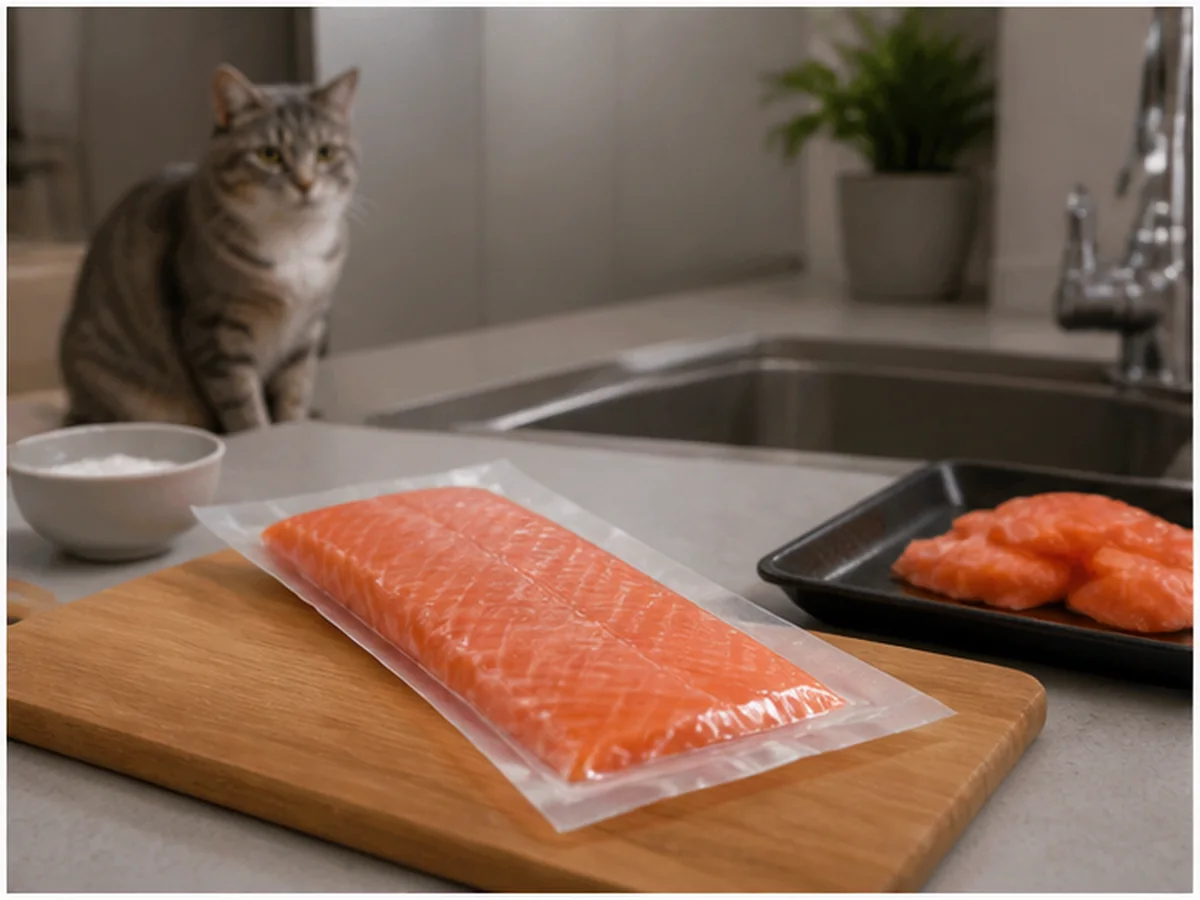
Use dedicated utensils for ready-to-eat smoked fish, wash hands after handling, and clean boards, refrigerator drawers, plates, and pet-accessible counters. Do not let a cat lick faces after eating questionable fish or walk through preparation juices and onto shared surfaces.
Litter-box hygiene matters if foodborne infection is suspected because organisms may spread through fecal contamination. Follow the veterinarian’s advice on testing, cleaning, isolation, and monitoring rather than starting leftover antibiotics.
For a seafood comparison, the crab guide separates cooked flesh from shell, seasoning, and spoilage. The same component-first habit helps when smoked salmon sits on a mixed seafood board.
If the cat already eats a complete salmon-based cat food, that does not prove tolerance for smoked human fish. Pet-food processing, nutrient formulation, sodium, portion size, and quality controls belong to the finished product, not to every ingredient bearing the same species name.
Record all fish treats when discussing thirst, weight, urine, or appetite with the veterinarian. Smoked slivers are easy to forget because they look thin, yet repeated slices can contribute meaningful sodium and calories over a week.
Frequently asked questions
Can cats eat cold-smoked salmon?
It is best avoided because it is generally not equivalent to fully cooked fish and can be salty and subject to ready-to-eat contamination. A stolen amount deserves label-led veterinary advice, especially for vulnerable cats.
Can cats eat hot-smoked salmon?
A tiny center piece may be lower concern if fully cooked, boneless, cooled, and genuinely unseasoned, but most products remain salty. Do not offer skin, crust, glaze, or bones.
What if my cat ate lox?
Save the package, estimate the amount, and call about a meaningful or unknown portion because lox is cured, salty, and not assumed cooked. Report vomiting, thirst, weakness, wobbliness, or neurologic signs urgently.
Can smoked salmon help a cat take medicine?
Only if the prescribing veterinarian approves that exact food and medication. A compatible commercial pill treat or small amount of regular food is usually easier to dose and less salty.
Bottom line
Refrigerated smoked salmon is not a routine cat treat because curing salt, cold-smoking uncertainty, Listeria risk, bones, seasoning, fat, and storage all matter. Plain fully cooked salmon is the simpler occasional option, served boneless and tiny within a complete diet.