Can Cats Eat Snap Peas? Whole Pods, Strings, Stir-Fries, and Garden Risks
One washed, de-stringed snap pea cut into tiny pieces is unlikely to harm a healthy adult cat, but cats do not need snap peas. Whole pods are springy enough to choke, garden peas may carry chemicals, and stir-fries add heat, oil, salt, garlic, onion, and sauces, so preparation matters more than the vegetable’s cheerful crunch.
A pod is not a loose pea
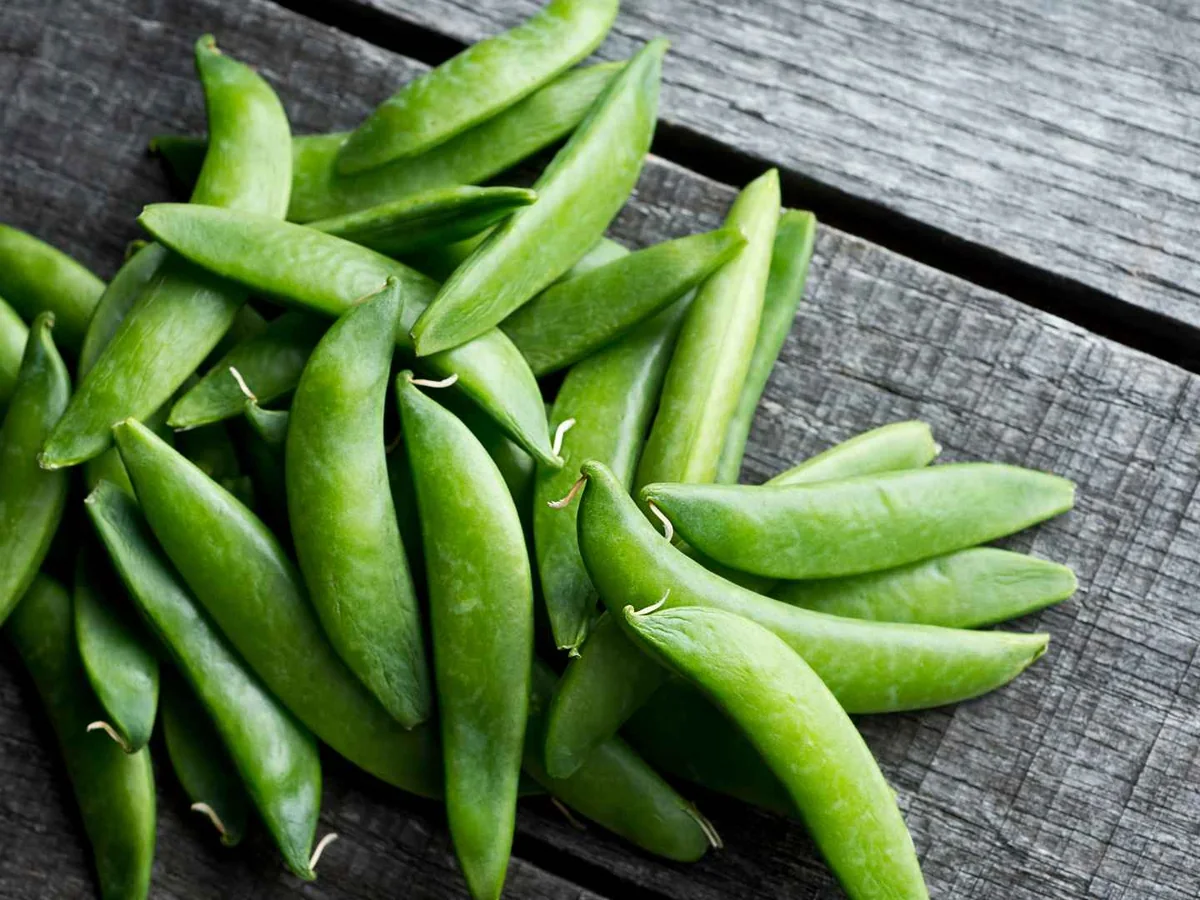
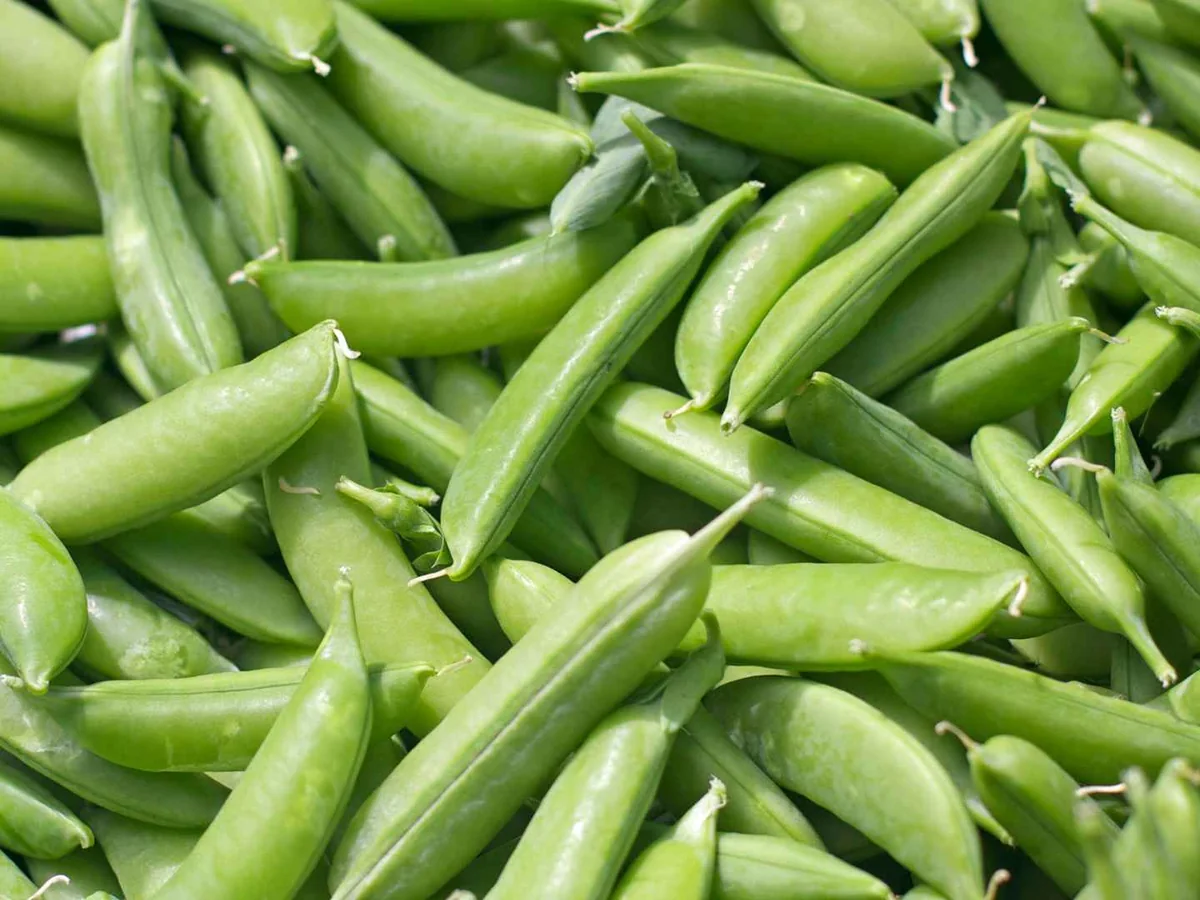
Sugar snap peas are eaten with the pod, unlike shelling peas whose tougher pod is discarded. Snow peas have flatter pods, while dried peas, canned peas, split peas, pea shoots, and pea-protein products have different textures and concentrations.
| Form | Practical concern |
| Whole raw snap pea | Round pod, string, choking size |
| Tiny washed pieces | Low concern but unnecessary |
| Steamed plain pieces | Softer texture, still portion-limited |
| Frozen pod | Hard object until thawed |
| Stir-fry | Oil, heat, sodium, Alliums, sauce |
| Garden vine | Plant identification, sprays, ties, soil |
The safest test begins with a knife
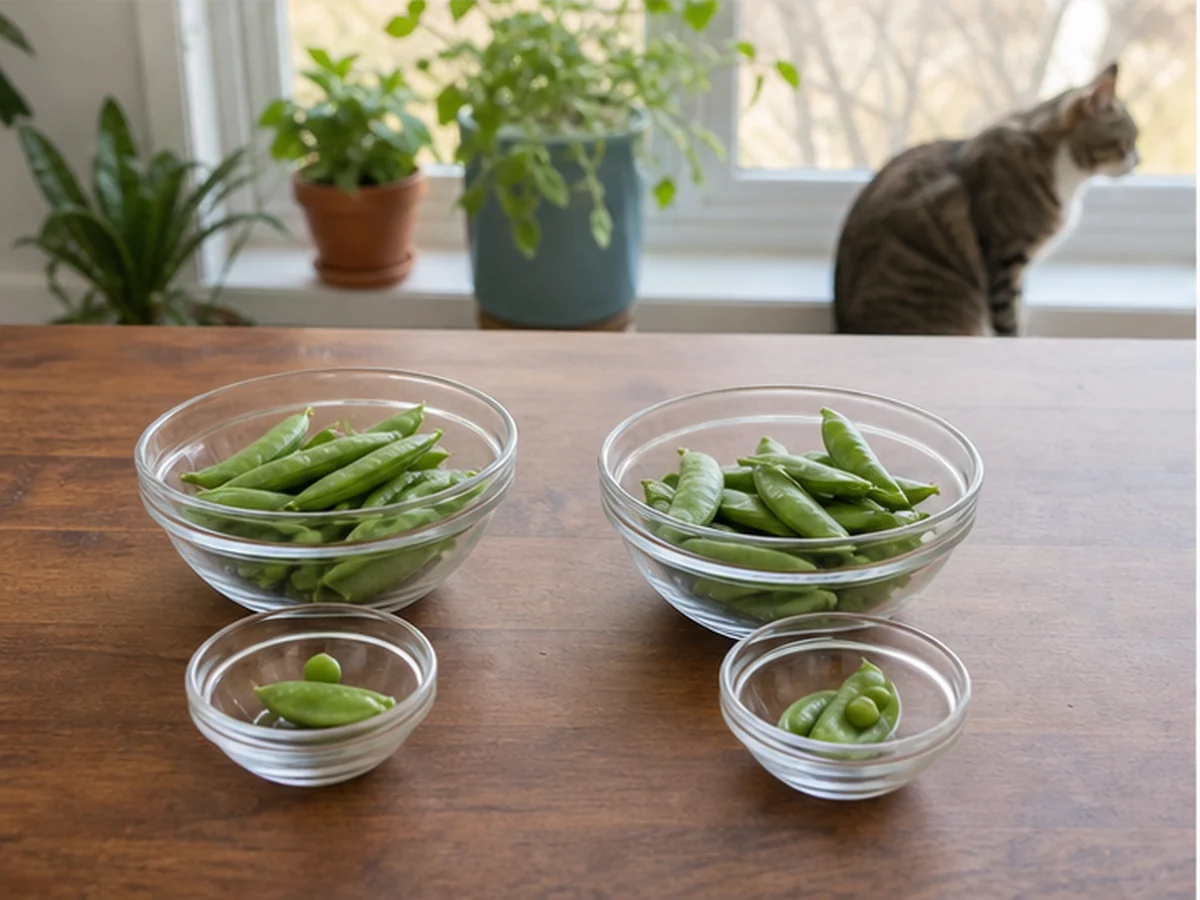
Rinse under running water, remove the stem and fibrous seam, then cut crosswise into pieces smaller than a pea. Offer no more than one or two pieces, and stop if the cat drops them, gulps, vomits, or develops loose stool.
FDA produce-safety guidance recommends clean hands and surfaces, running water, and no soap or detergent on vegetables. Washing reduces surface contamination but does not make a whole pod an appropriate chew.
Whole pods can spring toward the throat
A snap pea is smooth, curved, and wider than a loose pea, with a seam that may remain stringy. Cats tend to shear once and swallow, which makes a whole pod or long half an avoidable choking and digestive-object risk.
Seek urgent help for breathing difficulty, frantic mouth pawing, blue or pale gums, or collapse. Call promptly for repeated gagging, vomiting, abdominal pain, reduced stool, or refusal to eat after a pod disappears.
Raw versus cooked is mostly about texture
Raw fresh snap peas are not recognized feline toxins, but cooking until just soft reduces crunch and makes tiny portions easier to manage. Cool completely and use plain steam or water rather than butter, stock, salt, or flavored oil.
Overcooking does not create a nutritional need, and a pile of mush can still cause digestive upset. Cats obtain essential nutrition from animal-based complete food, not from maximizing vegetable variety.
Frozen peas need thawing, not batting practice
A frozen pod or clump is hard enough to challenge teeth and can slide across the floor into dust or cleaning residue. Thaw human food safely, inspect for ice or package fragments, and never offer a frozen pod as a teething object.
Pre-seasoned steam bags may contain butter, cheese, salt, garlic, or sauce. Read the label before assuming green packaging means plain vegetables.
Stir-fry changes every useful detail
Snap-pea stir-fries commonly contain garlic, onion, soy sauce, sesame oil, chile, ginger, meat, and a glossy hot sauce. Alliums can damage feline red blood cells, while sodium, heat, and oil create separate concerns.
Save the recipe and call promptly when onion or garlic is present or the amount is uncertain. The site’s ginger guide can address that ingredient without clearing the whole wok.
Garden peas come with garden context
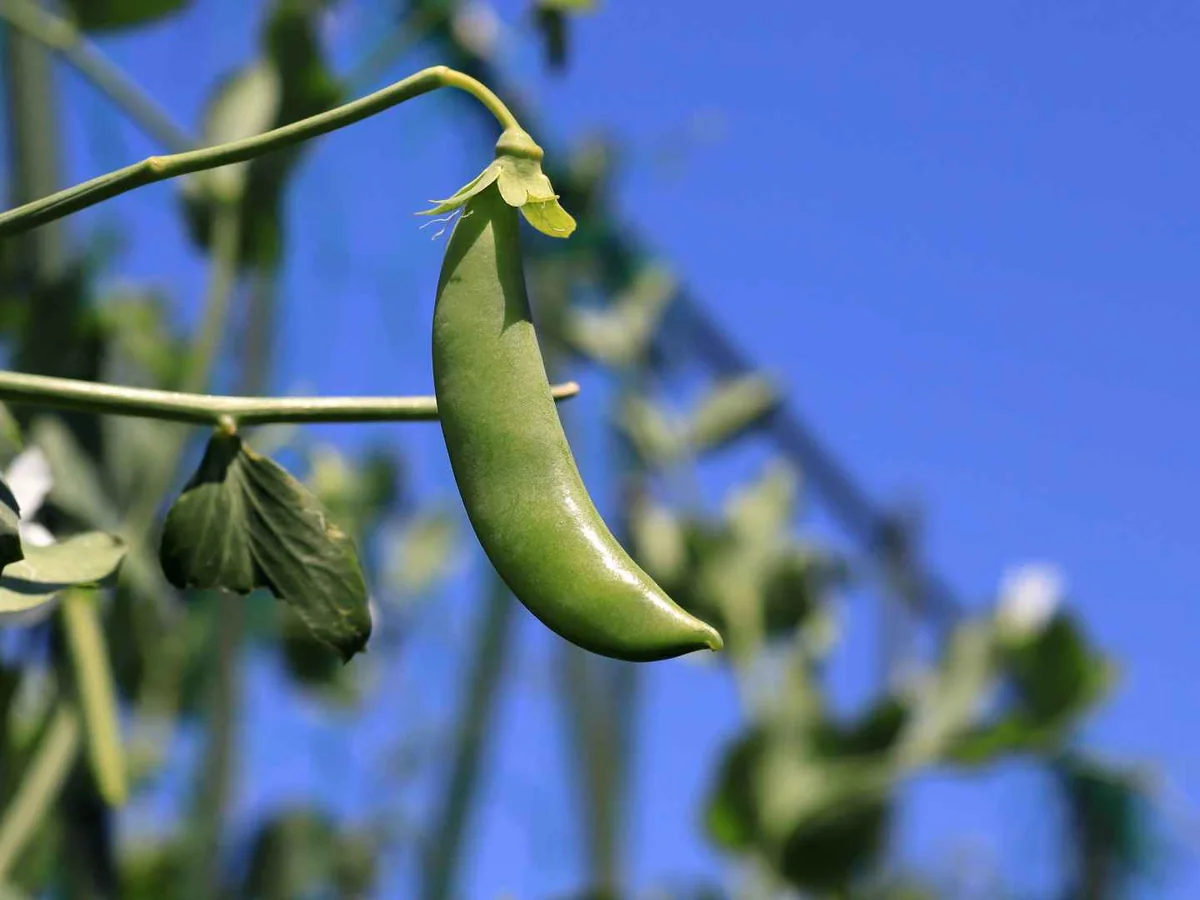
A correctly identified edible pea plant is not the same as sweet pea, an ornamental with a similar common name. Keep seed packets, nursery tags, and photographs, and do not identify a plant solely from the pod color.
Fertilizer, pesticide, fungicide, slug bait, compost, trellis netting, clips, wire, and plastic ties can all accompany a garden nibble. Report every applied product and missing object rather than focusing only on the leaf.
The seam, stem, and leaves offer no advantage
Removing the tough seam and stem reduces string-like material, while leaves and vine pieces should stay out of the bowl. Even non-toxic fibrous vegetation can cause vomiting or become troublesome when swallowed in quantity.
Do not pull a string from the mouth or anus if it resists. A visible end cannot show whether material is anchored or folded inside the digestive tract.
Pea protein is not a snap-pea serving
Pea protein isolate can appear in pet foods, human shakes, meat substitutes, and supplements at concentrations unlike a fresh pod. Its presence in a formulated complete cat food does not justify adding protein powder or a vegan shake to meals.
The FDA’s adequacy-statement guidance explains why finished formulation matters. Cats cannot live on plant-protein arithmetic assembled from human labels.
Medical diets make the tiny experiment smaller
Cats with inflammatory bowel disease, food allergy, diabetes, constipation, swallowing trouble, or therapeutic diets should receive only approved extras. A vegetable can break an elimination trial or alter stool even when it is not poisonous.
Do not use snap peas to treat hairballs, obesity, diarrhea, or constipation without veterinary direction. Straining can also signal urinary blockage, particularly in a male cat producing little or no urine.
Bags, pods, and produce bands need a count
Flexible produce bags can suffocate pets, while rubber bands, twist ties, clips, absorbent pads, and mesh can obstruct. Empty peas into a container, secure the package, and place trimmings directly into a closed bin.
The FDA warns that food and snack bags can seal around a pet’s face. Remove a bag immediately and contact an emergency clinic after head entrapment.
The pod-theft response
- Remove pods, trimmings, sauce, bags, ties, and garden materials.
- Identify raw, cooked, frozen, seasoned, or unknown-plant form.
- Estimate size and number, time, cat’s weight, conditions, and signs.
- Call for whole pods, string, Alliums, chemicals, objects, or symptoms.
- If observation is advised, serve normal food and monitor swallowing, vomiting, stool, appetite, and energy.
Do not induce vomiting or give oil, milk, salt, peroxide, bread, or extra fiber. The normal diet and water are sufficient after a minor exposure unless the veterinary team says otherwise.
Canned and pickled snap peas are not garden-fresh pods
Canning softens vegetables but may add sodium, calcium salts, sugar, preservatives, or seasoning, while pickling introduces vinegar, brine, garlic, onion, dill, and spice. Rinsing lowers some surface brine without removing ingredients absorbed through the pod.
Save the jar or can and secure sharp lids, pull tabs, glass, and rubber seals. A tiny plain no-salt canned piece may be low concern, but a cat on kidney, heart, or urinary treatment should not receive it without approval.
Pea snacks and dried pods change density
Freeze-dried snap peas, pea crisps, veggie straws, and roasted-pea snacks can be hard, salty, oily, and seasoned with garlic, onion, cheese, chile, or barbecue powder. Drying removes water and concentrates the serving, so a light handful is not nutritionally equivalent to one fresh pod.
The crisp texture can splinter or lodge, and flexible snack bags add suffocation risk. Use the site’s green bean guide for another edible pod comparison without treating bean and pea plants as identical.
Cross-contamination can happen before the wok
Restaurant prep bins and meal kits may place snap peas beside raw chicken, shrimp, marinades, or sauce packets. A pod that looked plain can carry raw animal juices or concentrated seasoning before cooking.
Report whether the vegetable came from a clean produce bag, raw-meat tray, salad bar, prepared meal, or finished stir-fry. Wash hands and surfaces after handling questionable food and keep the cat away from dirty cutting boards.
A crunchy preference does not prove a deficiency
Some cats enjoy the snap sound or rolling shape, and that curiosity does not show that the diet lacks fiber or vitamins. Repeatedly seeking vegetables can also be learned attention, boredom, or simple access.
Offer a food puzzle containing measured cat food or a safe toy too large to swallow. If the cat begins eating unusual non-food material, loses weight, vomits, or changes appetite, schedule a veterinary evaluation rather than expanding the salad.
Multi-pet gardens need individual estimates
A dog may knock down the trellis while one cat chews leaves and another bats pods into the house. Record each animal’s species, weight, likely plant part, amount, signs, and medical conditions rather than splitting the missing harvest evenly.
The guide to peas for cats covers loose peas, while snap-pod texture remains the defining issue here. Keep samples from each plant when more than one variety grows together.
Farmers-market pods can mix varieties in an unlabeled basket, and community gardens may use shared sprays or compost. Ask the grower for the crop name and treatment history instead of using sweetness as identification.
A pod that is unusually bitter, moldy, slimy, or foul-smelling should be discarded rather than sampled by a pet. Preserve it only when a veterinarian or poison service requests identification material.
Store fresh pods refrigerated in a clean container and remove any forgotten piece from under appliances before it spoils. A dry edge or wilted pod is not a dental chew, and reheating cannot make rotten produce suitable for a cat.
Frequently asked questions
Can cats eat raw snap peas?
A tiny washed, de-stringed, chopped piece is generally low concern, but whole raw pods are awkward and unnecessary. Stop after a taste and do not make them routine.
Can cats eat cooked snap peas?
Plain steamed, cooled, finely chopped pod is easier to chew, but avoid butter, salt, stock, garlic, onion, and sauces. Cats on medical diets need approval first.
Are snap peas the same as sweet peas?
No, edible sugar snap peas should not be confused with ornamental sweet pea plants. Preserve labels and seek plant identification after an unknown garden exposure.
Can snap peas help a constipated cat?
Do not use them as a home remedy. Constipation needs diagnosis, and urinary obstruction can resemble straining to pass stool.
Bottom line
Finely chopped plain snap pea is a low-concern optional taste, not a feline requirement. Whole pods, seams, frozen pieces, stir-fry sauces, garden chemicals, ornamental lookalikes, and flexible bags are the details that deserve attention.