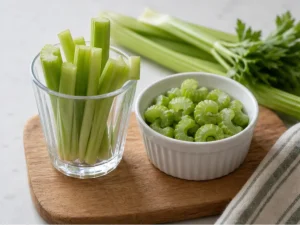
Can Cats Eat Green Beans? Fresh, Frozen, Canned, and Casserole Risks
Most healthy adult cats can eat a small piece of plain, fully cooked green bean as an occasional treat. Whole pods and strings can cause gagging, canned beans may be salty, and casserole, butter, garlic, onion, bacon, gravy, garden chemicals, and packaging change the answer.
First, identify the green bean
Confirm that the food is an edible green bean, also called a snap bean or string bean, rather than an unknown garden pod or ornamental plant. Note whether it was raw, cooked, frozen, canned, seasoned, or part of a recipe.
- Small plain cooked piece: usually monitor for gas, vomiting, diarrhea, or appetite change.
- Long pod, tough string, can lid, plastic, or casserole packaging missing: call if gagging, vomiting, pain, or appetite loss develops.
- Garlic, onion, unknown seasoning, or heavy salt: contact a veterinarian or pet poison service with the recipe.
- Breathing difficulty, collapse, repeated vomiting, severe weakness, pale gums, tremors, or seizures: seek urgent care.
Do not induce vomiting or pull stringy material from the mouth or rectum. Save the label and remaining pod so the veterinary team can assess size, texture, and ingredients.
What green beans provide, and what they do not
Green beans contribute water, fiber, carbohydrate, plant protein, vitamins, and minerals. Cats can digest some properly cooked plant ingredients, but they remain obligate carnivores with requirements that a vegetable cannot meet.
The Merck Veterinary Manual nutrition overview explains that cats can use plant-derived nutrients while requiring animal tissues for taurine, arginine, arachidonic acid, and certain vitamins. Green beans are an optional extra, not a protein replacement.
A pea-sized cooked piece is enough to discover whether a cat enjoys the texture. There is no need to persuade a cat who reacts as though vegetables have violated the household treaty.
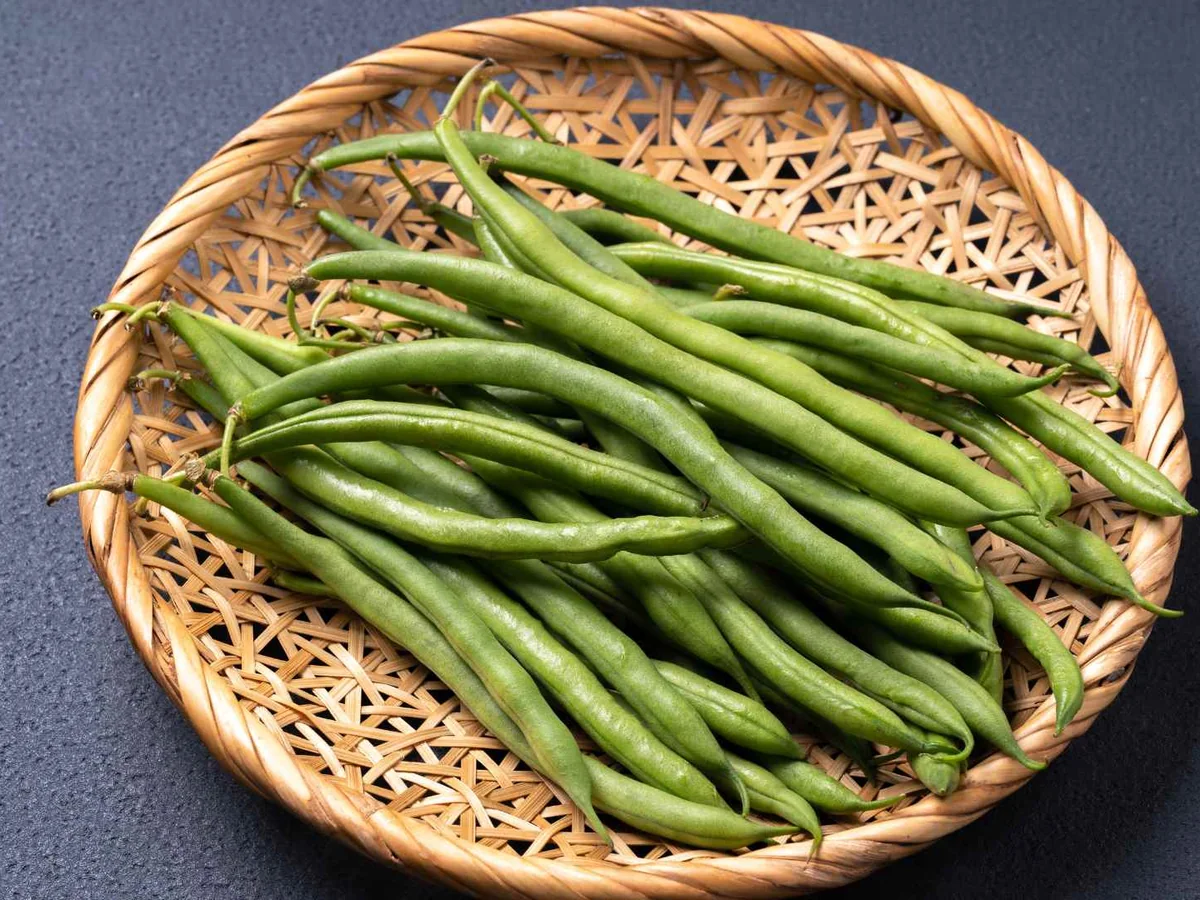
Raw versus cooked green beans
Raw green beans are not generally considered toxic, but they are firmer, stringier, and harder to chew. Cooking softens the pod and makes a tiny portion easier to digest.
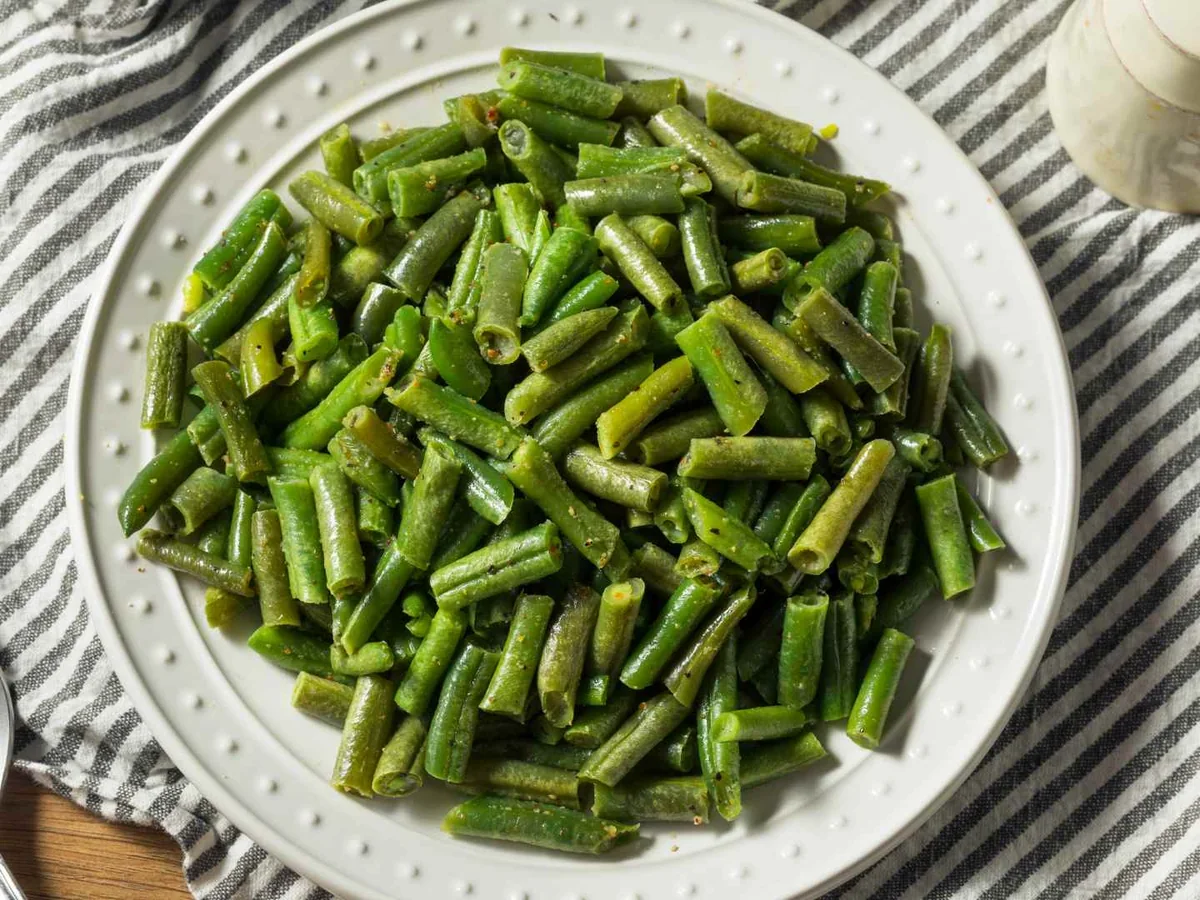
Steam or boil without salt, oil, butter, stock, onion, or garlic, then cool completely. Cut across the pod into small pieces so a long fiber cannot be gulped like string.
Do not offer dry uncooked beans from mature pods, spoiled beans, or unknown garden legumes. Different beans and plants require different preparation and safety checks.
Strings, ends, and whole pods
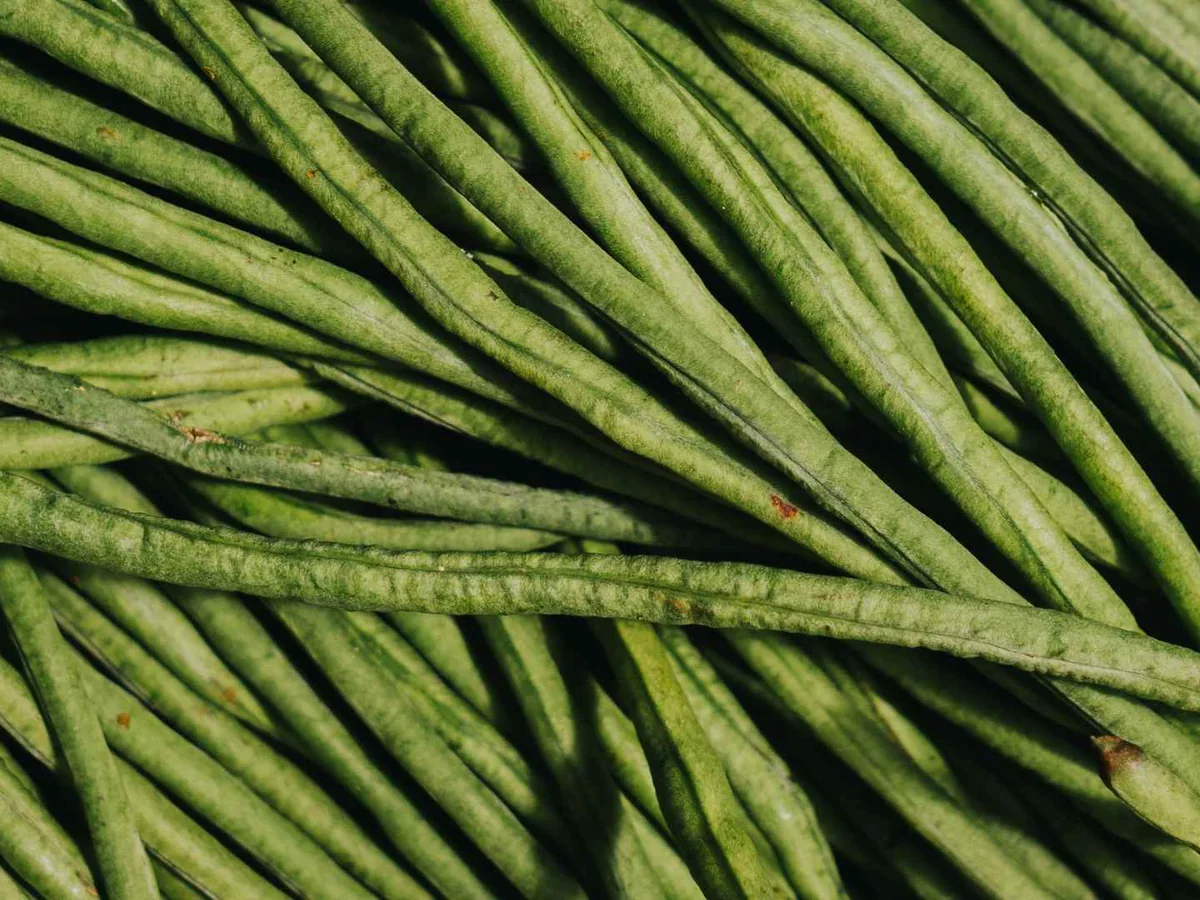
Older string-bean varieties can have a tough fiber along the seam, and both ends may be woody. Remove strings and ends before cutting an approved taste.
Long pods can trigger gagging or behave like linear foreign material. Call for repeated swallowing, drooling, vomiting, abdominal pain, refusal to eat, straining, reduced stool, or lethargy after a whole pod disappears.
Never pull a visible string from the mouth or rectum because it may be caught internally. The most innocent-looking vegetable fiber can become a very expensive piece of floss.
Frozen green beans
Plain frozen beans are convenient but should be cooked or thawed until soft and cut before serving. A hard frozen pod can injure teeth or lodge in the throat.
Read steam-in-bag products for butter, cheese, garlic, onion, bacon, salt, sauce, and seasoning packets. Similar green bags can contain dramatically different dinners.
Keep hot steam bags away from curious paws and faces. Escaping steam and hot sauce can burn before the cat manages a bite.
Canned green beans
Canned beans are soft but often packed with sodium. Draining and rinsing can remove some surface brine, while a no-salt-added fresh or frozen product is simpler for an intentional taste.
The Merck review of salt toxicosis describes vomiting, thirst, diarrhea, incoordination, tremors, seizures, and other effects after excessive sodium exposure. One rinsed piece is far from a poisoning dose, but a large brine theft or medically restricted cat deserves advice.
Do not let a cat lick an open can because the edge can cut lips or tongue. Pull tabs, detached lids, and liners belong in a lidded bin.
Green bean casserole is not a vegetable serving
Casserole commonly contains condensed soup, onion, garlic, fried onions, butter, dairy, salt, stock, and sometimes bacon. Picking out one green bean does not remove sauce distributed across it.
The Merck Allium toxicosis review identifies cats as especially susceptible to red blood cell injury and notes that anemia signs can be delayed. Call with the recipe after a meaningful onion or garlic exposure.
Our guides to butter, pizza, and salami cover rich dairy, mixed dishes, and processed meat. The pickle guide adds brine and Allium context.
Can green beans help a cat lose weight?
Do not replace a meaningful share of cat food with green beans without a veterinary plan. Cats need adequate protein and essential nutrients during calorie restriction, and overly rapid weight loss can be dangerous.
The Cornell Feline Health Center obesity guide warns that sudden starvation can contribute to hepatic lipidosis and recommends veterinarian-directed gradual loss. A dog-style green-bean diet should not be copied onto a cat.
A veterinarian can set calories, choose a complete weight-management diet, assess body and muscle condition, and schedule weigh-ins. If green beans are approved as treats, their calories still count.
Fiber is not a universal digestive treatment
A little fiber may change stool, but more is not automatically better. Too many green beans can cause gas, bulky stool, diarrhea, or displacement of complete food.
Do not use green beans to treat constipation, diarrhea, hairballs, diabetes, or inflammatory bowel disease without diagnosis. Cats with vomiting, pain, blood, weight loss, straining, or persistent stool changes need veterinary assessment.
Pea protein and green beans in commercial food
A formulated cat food containing green beans or other plant ingredients is different from feeding bowls of vegetables. Judge the finished product by its nutritional-adequacy statement, manufacturer expertise, feeding evidence, and suitability for the cat.
The FDA explains how complete and balanced pet-food claims are substantiated. Ingredient-list ranking alone cannot prove overall quality or nutritional adequacy.
Food allergy and prescription diets
Any food ingredient can trigger an adverse reaction in a susceptible cat, although green beans are not a universal allergen. Itching, hives, facial swelling, vomiting, diarrhea, coughing, or breathing changes require attention.
After green beans or casserole, sudden facial swelling, collapse, or strained breathing needs emergency care. Cats on hydrolyzed or novel-protein elimination diets should receive no green beans unless the prescribing veterinarian approves them.
Garden chemicals and plant identity
Homegrown beans may carry fertilizer, pesticide, slug bait, animal waste, mold, or contaminated soil. Follow every product label and prevent access during application and reentry periods.
Do not feed pods from an unidentified ornamental vine. Photograph the full plant, flowers, leaves, pods, and label, then use a qualified plant-identification resource after an exposure.
Storage and spoilage
Refrigerate cooked beans promptly and follow package directions. Discard beans that are slimy, moldy, fermented-smelling, or left at unsafe temperature rather than trying to rescue them with another boil.
Keep leftovers covered and move strings, cans, lids, steam bags, and casserole foil into a secure bin. Save the product label and lot code after suspected contamination.
If stomach upset develops
Stop the new food and record vomiting, stool, appetite, activity, water intake, and abdominal comfort. Call for repeated vomiting, watery or bloody diarrhea, pain, worsening lethargy, dehydration, or refusal to eat.
Return to the familiar complete diet once the cat is comfortable and willing to eat, following veterinary advice after significant symptoms. Do not force food or fluid into a nauseated cat.
After a dietary mistake, resume the measured plan instead of abruptly starving an overweight cat, since sustained poor intake can contribute to hepatic lipidosis. Contact the veterinarian early if normal food is refused.
What to tell the veterinary team
Report whether the beans were fresh, raw, frozen, canned, or part of a recipe, along with the maximum amount, time, symptoms, and medical conditions. Include every sauce, seasoning, string, can lid, and package piece that may be missing.
Send clear photos of the label, ingredient panel, plant, and remaining pod. The clinic may recommend monitoring, examination, imaging, blood testing, or poison consultation based on the actual concern.
When several pets had access, estimate the maximum each could have eaten rather than dividing leftovers evenly. Household vegetable investigations rarely produce cooperative witnesses, particularly when one suspect is skilled at moving evidence beneath the refrigerator and another has sauce on the whiskers.
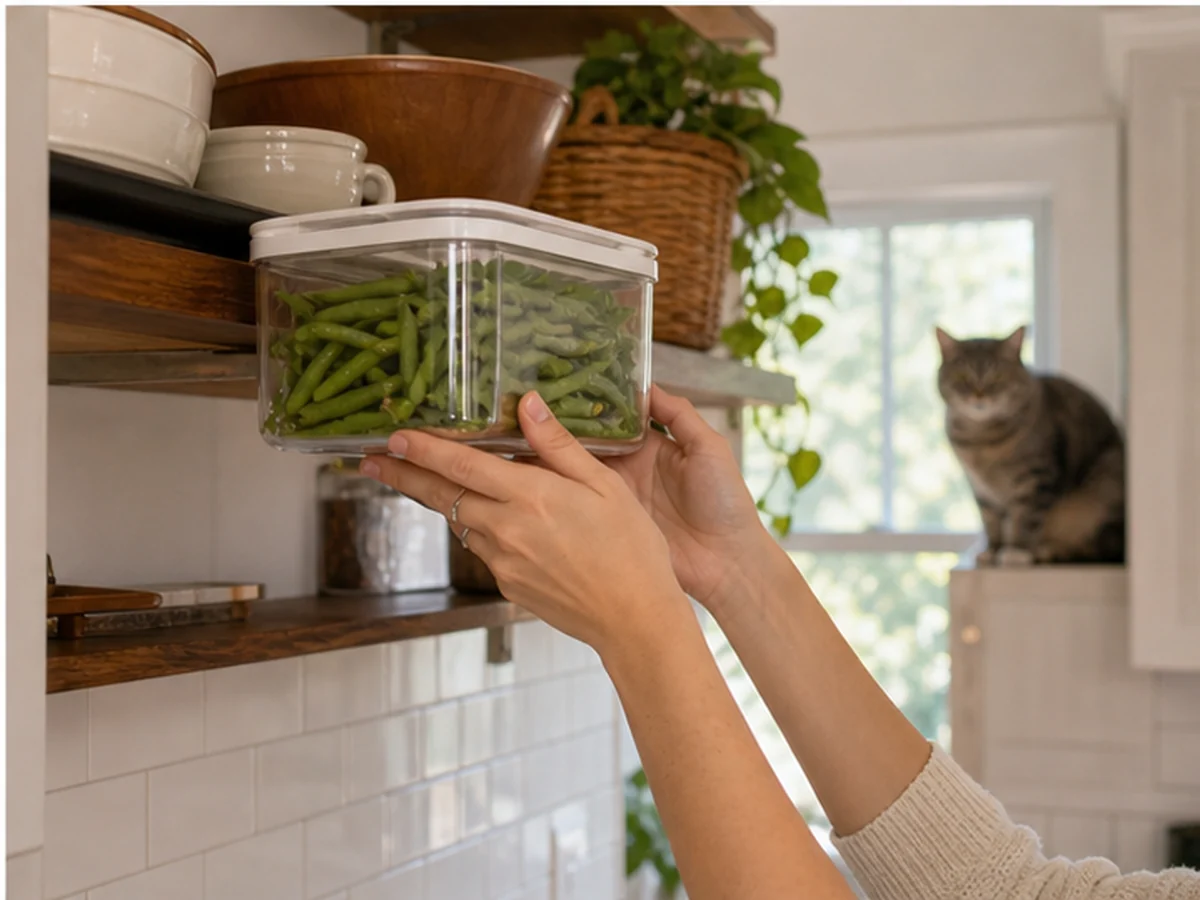
Serving a safer taste
- Choose a fresh or frozen edible green bean with no sauce.
- Cook until soft, remove ends and strings, and cool completely.
- Cut one small crosswise piece rather than offering a whole pod.
- Count it among daily extras and introduce no other new food that day.
- Stop after digestive or skin signs.
Part of the regular complete ration is a simpler reward, and our boiled egg guide covers an animal-source occasional option. The green bean can remain a side dish without offending feline dignity.
Frequently asked questions
Can kittens eat green beans?
A mashed speck is unlikely to poison a kitten, but complete kitten food should not be displaced. Whole pods and strings are needless choking risks.
Can cats eat green beans every day?
There is no nutritional reason to add them daily to a complete diet. Repeated extras can alter stool, add calories, and crowd essential nutrition.
Can cats eat canned green beans?
A drained, rinsed, no-salt-added piece can be low risk, but fresh or frozen plain beans are easier. Never serve from a sharp open can.
Keep the cat’s portion separate from the family casserole so nobody has to guess which piece touched sauce, onions, or crumbled toppings. A clearly labeled container of plain chopped beans makes the safe choice pleasantly boring.
The bottom line
A small soft plain green-bean piece can be an occasional treat for many healthy adult cats. Remove strings, skip whole pods and casserole, mind cans and garden chemicals, and let complete feline food handle nutrition and weight management.