Can Cats Eat Sour Cream? Lactose, Fat, Onion Dip, Spoilage, and Vegan Types
A fingertip lick of plain, pasteurized sour cream is unlikely to poison most healthy adult cats, but it is a fatty dairy condiment with no feline benefit. Flavored dips, raw-milk products, spoiled tubs, baked dishes, hot toppings, medication use, foil seals, and a missing spoon can make the incident much more complicated than lactose.
Begin with the tub, not the white smear
Full-fat, light, fat-free, cultured, lactose-free, vegan, flavored, and shelf-stable sour-cream-style products use different ingredients. Save the package and check milk source, pasteurization, fat, sodium, gums, flavorings, expiration date, and the missing amount.
| Product or use | Main question |
| Plain pasteurized sour cream | Amount, fat, lactose tolerance, freshness |
| Onion or ranch dip | Alliums, salt, seasoning, chips |
| Raw-milk sour cream | Foodborne organisms and storage |
| Vegan alternative | Coconut, soy, cashew, oils, gums, flavoring |
| Baked casserole topping | Heat, recipe, Alliums, cheese |
| Foil lid or plastic tub | Cuts, choking, obstruction |
Lactose is only part of the dairy story
Many adult cats digest lactose poorly, which can lead to gas, loose stool, vomiting, or abdominal discomfort after dairy. Fermentation may reduce some lactose, but brand, serving size, and individual tolerance keep sour cream from becoming a dependable workaround.
A cat that tolerated one lick is not licensed for a weekly spoonful. Fat, calories, salt, flavoring, and displacement of complete food remain even when stool stays normal.
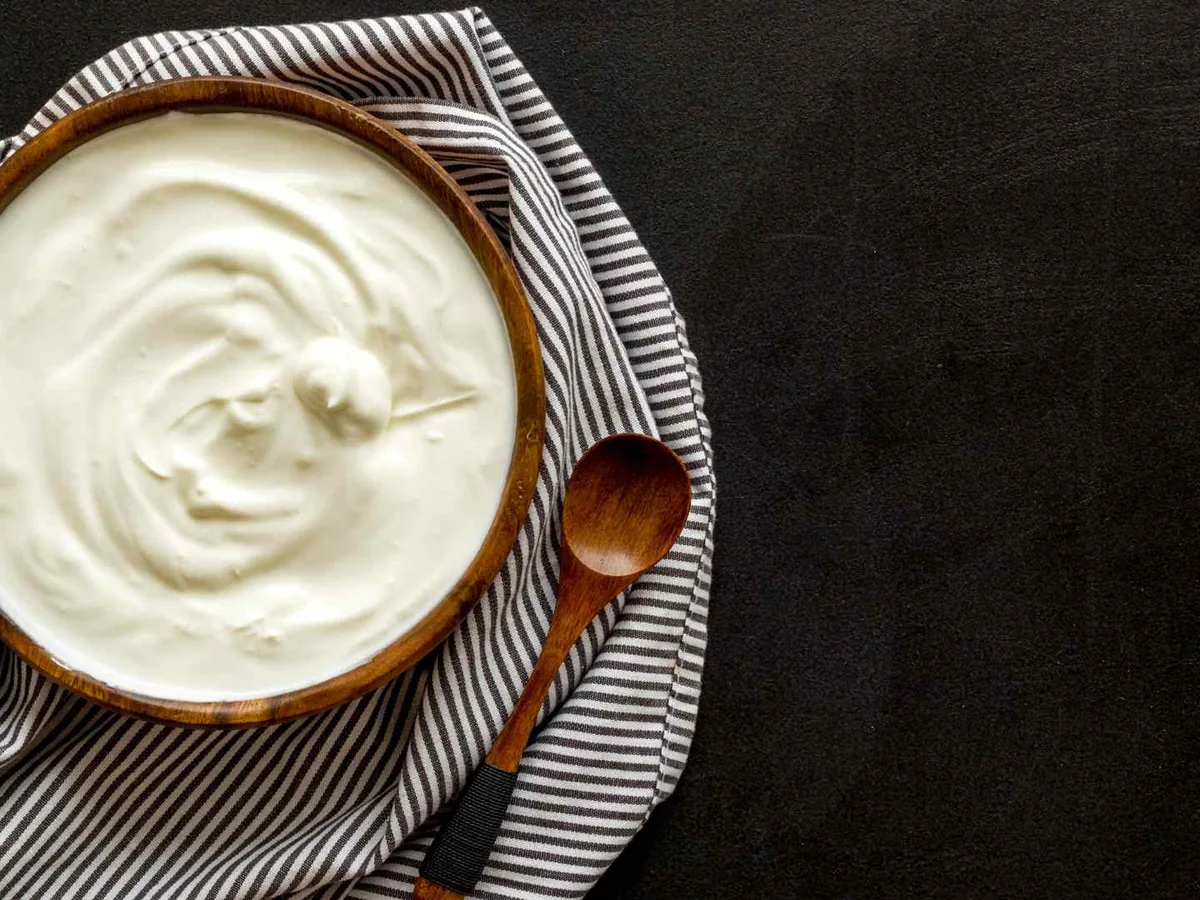
Fat makes a smooth condiment deceptively dense
A tablespoon disappears quickly from a plate yet can represent a meaningful rich-food extra for a small cat. Cats with obesity, diabetes, previous pancreatitis, fat-sensitive gastrointestinal disease, or weight-loss plans should not receive it intentionally.
Do not state that one lick causes pancreatitis, because no outcome can be predicted that way. Repeated vomiting, abdominal pain, marked lethargy, or refusal to eat deserves veterinary examination.
Pasteurized is the sensible baseline
The FDA explains that pasteurization kills harmful germs and recommends checking labels on dairy products. Raw or unpasteurized milk products can carry organisms such as Listeria, Salmonella, Campylobacter, and pathogenic E. coli.
Kittens, seniors, pregnant cats, immunocompromised animals, and households with vulnerable people merit special caution around unpasteurized dairy. Do not assume fermentation makes raw cream sterile.
Refrigeration starts a freshness clock
Sour cream is supposed to taste tangy, so odor alone can be a poor spoilage test. Mold, pink or green discoloration, bubbling, a swollen tub, leaking, unusual bitterness, prolonged room-temperature holding, or storage beyond label directions are clearer reasons to discard it.
FDA food-safety material advises keeping dairy refrigerated at about 40°F or below and following use-by guidance. A tub left open through a party should not be handed to the cat as waste prevention.
Onion dip is an Allium exposure in dairy clothing
Commercial and homemade dips can contain onion, garlic, chives, leeks, shallots, powders, soup mix, and concentrated flavoring. Cats are especially susceptible to Allium-related oxidative red-blood-cell damage, and visible onion pieces are not required.
Save the recipe and call promptly for confirmed Alliums or an unknown dip amount. Weakness, pale or yellow gums, appetite loss, rapid breathing, dark urine, or collapse can be delayed, so a normal first evening is not a complete assessment.
Tacos, potatoes, nachos, and soup widen the plate
A dollop may sit beside seasoned meat, salsa, guacamole, cheese, beans, chiles, onion, garlic, tortilla chips, hot soup, or a baked potato. The cat can drag toppings together, leaving no clean boundary between dairy and the rest of the meal.
Use the site’s guacamole guide when avocado dip is present and the potato guide for potato form. Still keep one master ingredient and object list.
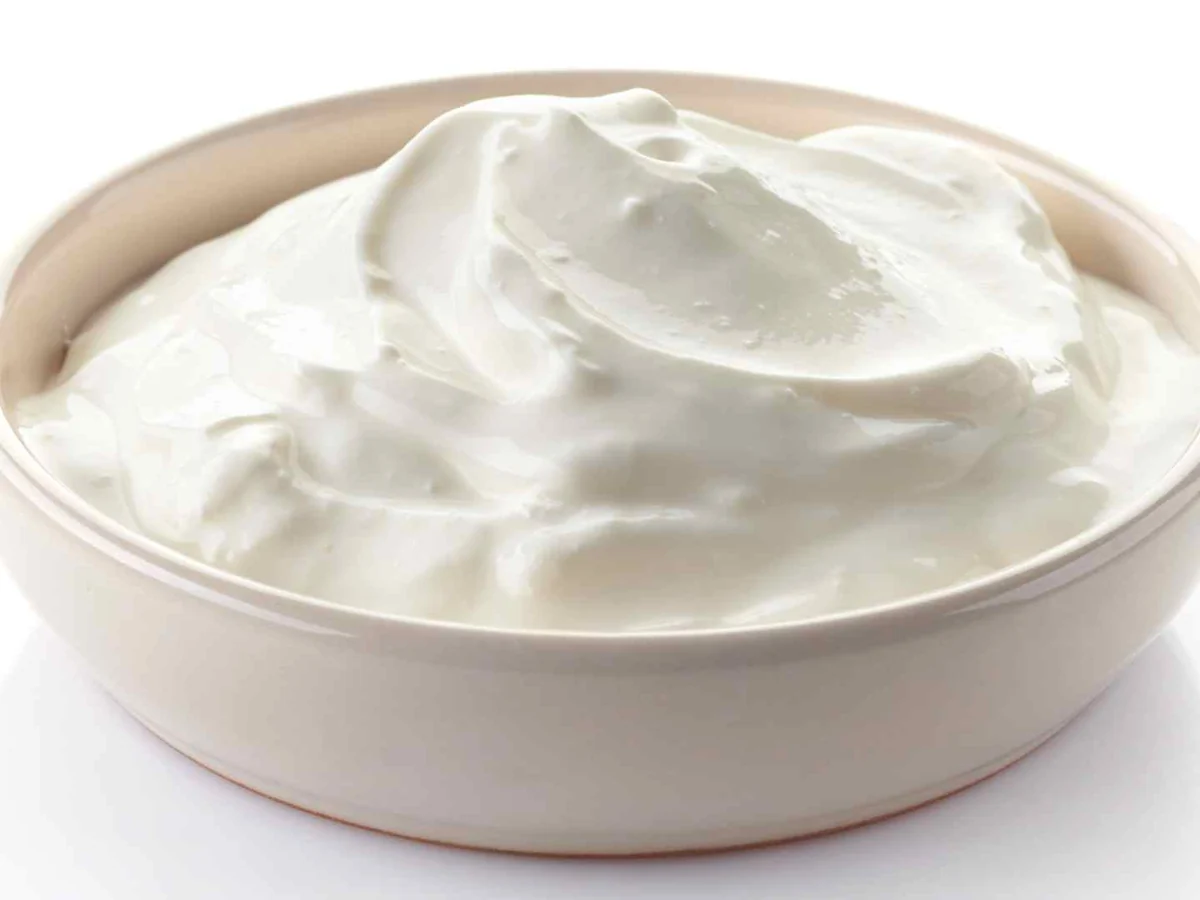
Hot sour cream can still burn
Sour cream itself is usually chilled, but it can be baked into casserole, stirred into soup, or spooned onto very hot food. Thick dairy can cling to the mouth and hold heat against tissue.
Drooling, mouth pawing, crying, red tissue, repeated swallowing, or sudden refusal to eat after a hot dish needs prompt advice. Do not apply ice, butter, ointment, or human numbing gel.
Vegan sour cream needs an entirely new label read
Plant-based versions may use coconut, cashew, almond, soy, oat, pea protein, starches, oils, gums, acids, and seasonings. Dairy-free answers the milk question, not feline nutrient balance, nut texture, allergy, Alliums, sodium, or calorie density.
A plain accidental lick may still be low concern, but save the exact product. Products made with xylitol or another unfamiliar sweetener require a call that preserves feline uncertainty rather than borrowing a canine dose.
It is a poor medicine-delivery shortcut
Do not mix medication into sour cream without approval from the prescribing veterinarian. Some drugs should not be crushed, require fasting, interact with minerals or food, or become impossible to redose accurately when the cat leaves part behind.
Ask about a compatible pill treat, capsule, compounded liquid, or measured portion of the cat’s regular food. If another pet consumes the medicated dollop, report the drug, strength, missing amount, time, and both animals’ weights.
The foil lid can cut before the dairy upsets anything
Cats may lick a foil membrane, bite a sharp torn edge, swallow the pull tab, or wedge their face into a flexible tub. Plastic seals, spoons, toothpicks, chip bags, and elastic food covers should be counted after a raid.
Blood in the mouth, repeated swallowing, gagging, or a missing sharp piece needs prompt care. Do not induce vomiting after foil or plastic and do not reach blindly into the throat.
Sour cream cannot complete a cat’s diet
Protein and calcium on a human label do not establish appropriate feline proportions. The FDA’s nutritional adequacy guide explains the claim expected on food intended as a cat’s sole diet.
Cats with kidney, heart, urinary, allergy, or gastrointestinal diets should receive only approved extras. A cool dollop can make a prescription meal smell different enough to reduce acceptance while also adding uncontrolled nutrients.
The tub-raid response
- Remove the tub, foil, spoon, chips, meal, and every missing package part.
- Identify pasteurization, flavor, milk or plant base, fat, Alliums, sweeteners, and storage history.
- Estimate the amount and time, then note weight, conditions, medications, and signs.
- Call for raw dairy, flavored dip, spoilage, large amount, objects, or abnormal behavior.
- If observation is advised, offer normal food and water and track vomiting, stool, appetite, and energy.
Do not induce vomiting or give peroxide, salt, oil, milk, charcoal, or human diarrhea medication. One condiment can produce very different care decisions depending on its formula and the cat.
A better cool treat comes from the regular meal
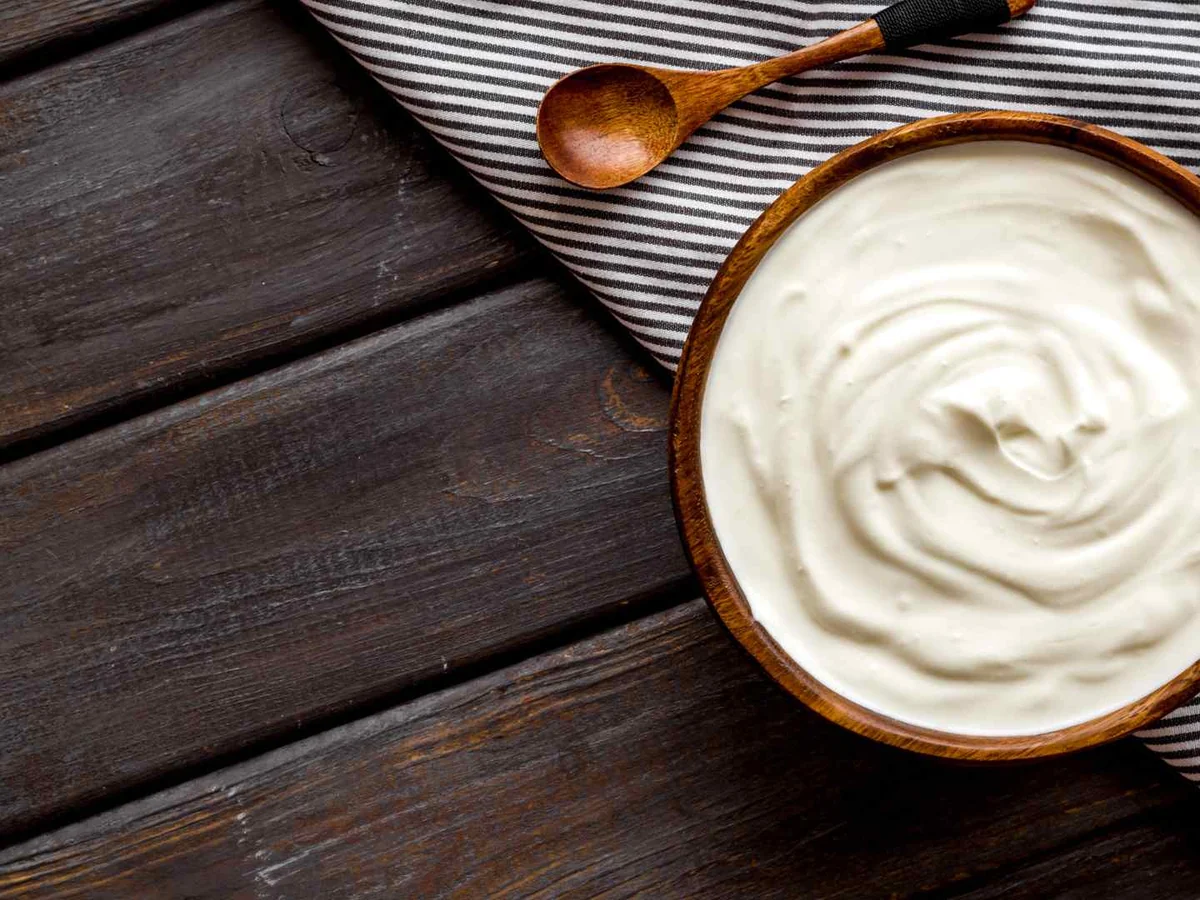
A teaspoon of complete wet cat food chilled briefly, or a veterinarian-approved commercial treat, gives a creamy texture without dairy guesswork. Do not serve food frozen hard because cold dense chunks can hurt teeth or be swallowed awkwardly.
The site’s Greek yogurt guide compares another cultured dairy food while keeping portion and formula separate. Neither product is needed when water and complete food are already accepted.
Baking does not remove every dairy and recipe issue
Sour cream can enrich cakes, muffins, cheesecake, dips, cornbread, casseroles, and sauces, but baking changes texture rather than deleting sugar, fat, salt, chocolate, raisins, onion, garlic, or alcohol. Raw batter adds uncooked flour or egg, while a finished dessert may carry frosting and wrappers.
Identify the finished food and cooking status instead of estimating how much sour cream it contained. A stolen cheesecake bite belongs in the cheesecake guide as well as the dairy assessment.
Repeated licking can reveal a household routine
A cat that receives every tub lid quickly learns the refrigerator sound and may consume more than owners realize across a week. Include lid residue, cheese, milk, treats, and table scraps when the veterinarian reviews weight, stool, appetite, or diabetes control.
Replace the ritual with a teaspoon of complete wet cat food on a washable plate, counted within the normal ration. The cat still gets a highly ceremonial snack while the condiment stays with the tacos.
Multi-cat tubs leave unreliable evidence
One cat can puncture the foil while another eats most of the cream, and paw prints distribute residue to fur and bedding. Estimate exposure separately using each cat’s location, face and paw residue, vomiting, and behavior without assuming the animal at the tub is the main diner.
If medication or onion dip was involved, call about every possibly exposed pet. Clean paws gently and launder contaminated fabric so a quiet cat does not receive a second dose during grooming.
FDA advice on dairy refrigeration and pasteurization reinforces why a chilled cultured product still needs safe storage. A sealed-looking foil lid does not rescue a tub that sat warm for hours or was cross-contaminated by a used utensil.
If several people ate the same suspect tub and develop illness, they should contact human healthcare providers while the cat receives veterinary advice. Shared-source information can help both investigations, but treatments and risk groups are species-specific.
Frequently asked questions
Can cats eat plain sour cream?
A fingertip lick of fresh pasteurized plain sour cream is unlikely to be toxic, but fat and lactose make it an unnecessary choice. Do not offer a spoonful or make it routine.
Can cats eat onion sour cream dip?
No deliberate amount is appropriate because onion and often garlic can damage feline red blood cells. Save the recipe and call promptly after a meaningful or uncertain exposure.
Can lactose-free sour cream be shared?
Removing lactose does not remove fat, calories, sodium, flavorings, or diet disruption. A complete cat treat remains the better option.
What if my cat licked spoiled sour cream?
Call with the amount, storage time, package date, visible changes, and current signs. Repeated vomiting, diarrhea, weakness, feverish behavior, or appetite loss needs veterinary assessment.
Bottom line
Plain pasteurized sour cream is usually a low-concern lick, not a feline food. Fat, lactose, raw dairy, spoilage, Allium dips, hot recipes, vegan formulas, medication, and packaging are the details that decide whether a tub raid needs more than observation.