Can Cats Eat SPAM? Sodium, Fat, Flavors, Cans, and Portions
Do not make SPAM part of a cat’s diet. A tiny morsel of fully cooked original product may cause no obvious harm in a healthy adult, but this canned meat is salty and fatty, and flavors, glazes, fried dishes, portion size, damaged cans, and sharp packaging can raise the stakes.
Begin with the exact can
SPAM is a brand family, not one fixed recipe. Save the current can, photograph its ingredient and Nutrition Facts panels, and note Original, Lite, Less Sodium, Tocino, Hot & Spicy, Teriyaki, or another regional variety.
Estimate the fraction of a slice or can eaten and whether it was cold, fried, glazed, or part of another dish. Check for a missing pull tab, lid shard, plastic cap, absorbent paper, toothpick, skewer, or seaweed wrapper.
Call promptly for a large amount, allium seasoning, severe thirst, repeated vomiting, weakness, tremors, disorientation, seizures, abdominal pain, or swallowed metal. Do not induce vomiting.
Why one pink cube is not a balanced meat treat
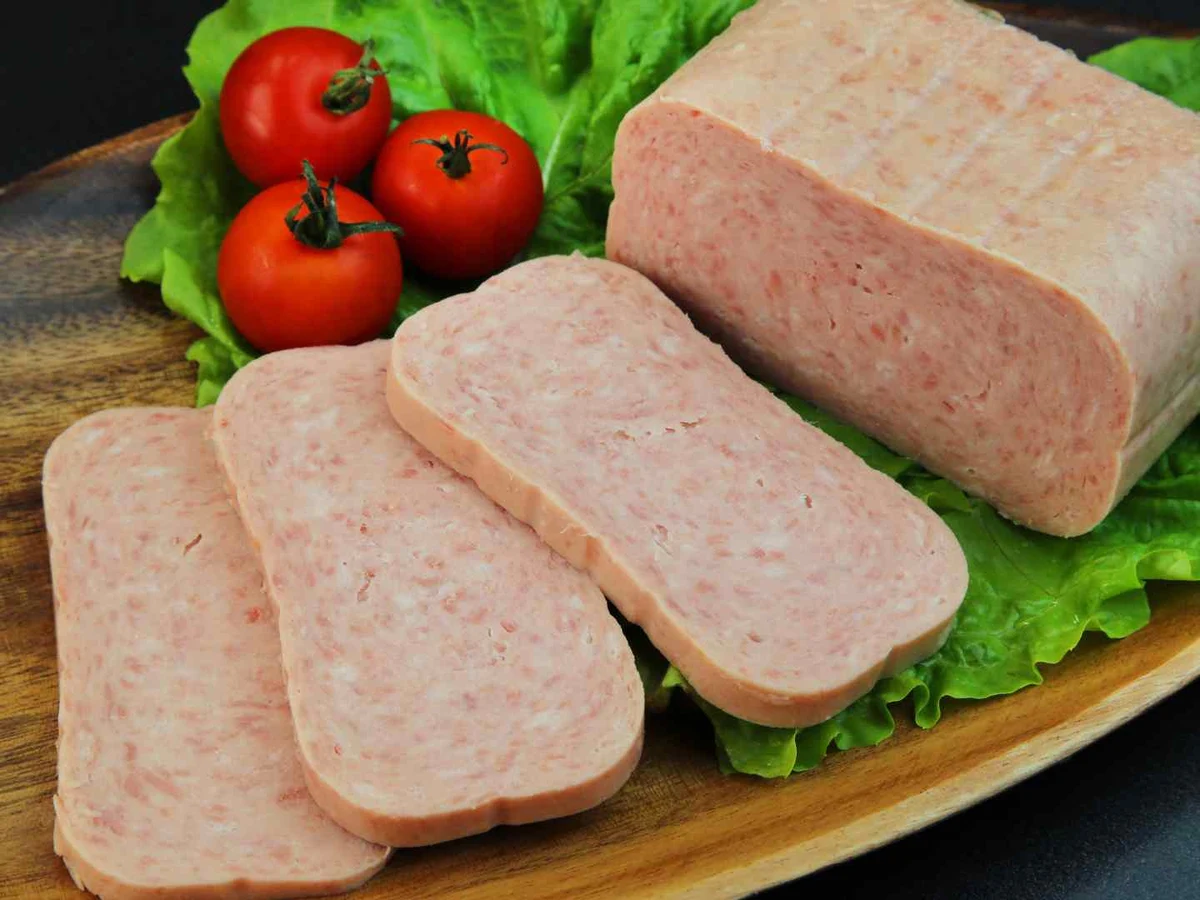
SPAM contains pork with added salt and other formulation ingredients, and varieties differ. It is processed food for people rather than a complete feline food or a plain substitute for cooked meat.
The cat pork guide separates plain cooked pork from cured, seasoned, and processed products. That distinction matters more than the fact that meat appears first.
A cat needs appropriately balanced amino acids, minerals, vitamins, and fatty acids. A salty cube supplies calories while nudging proper food out of the bowl.
Read sodium by the serving, then count the theft
The Nutrition Facts panel lists sodium for a human serving, so determine how many servings the missing amount represents. Do not quote a number from an old web listing when the can in front of you may use another formula.
The FDA label guide explains serving size and sodium. Visible salt is not required for a product to contain substantial sodium.
One crumb rarely resembles salt poisoning, while eating a sizeable portion can be concerning, especially without free access to water or with underlying disease.
Signs after a major salty exposure
Marked thirst, vomiting, diarrhea, weakness, disorientation, abnormal walking, tremors, seizures, or collapse needs urgent care. Report what was eaten, the cat’s weight, and whether water was available.
Do not force a large volume of water because rapid changes can create additional problems and a nauseated cat can aspirate. Keep fresh water available unless a veterinarian directs otherwise.
Cats with kidney disease, heart disease, hypertension, or a prescribed sodium plan deserve a lower threshold for advice. The word Lite does not override their medical plan.
Fat is the quieter everyday issue
Processed luncheon meat can deliver considerable fat in a small volume, and frying adds more. A larger theft may trigger vomiting, diarrhea, belly discomfort, or appetite loss.
Do not announce pancreatitis from one bite because feline pancreatitis is diagnosed clinically. Persistent vomiting, pain, hunched posture, profound lethargy, or refusal to eat warrants veterinary evaluation.
Obesity and diabetes plans also depend on controlled calories. Repeated tiny handouts are easy to forget and remarkably good at becoming a whole extra meal.
Preservatives need accurate language
People often use the word chemicals as a shortcut, but it does not help triage. The current ingredient list, amount, and symptoms are more useful than a general fear of preservatives.
Sodium nitrite may be used in cured meats under regulated conditions, and sodium itself remains the practical snack concern. Do not invent a feline cancer claim from a one-time bite.
If a can is imported or has an unfamiliar label, photograph every panel and country information. A veterinarian or poison specialist can interpret the actual formula.
Flavors can introduce garlic, onion, or chile
Specialty SPAM varieties and home glazes may include garlic, onion, chile, pepper pastes, soy sauce, sugar, or smoke flavor. Cats are particularly susceptible to red blood cell injury from Allium plants.
The cat garlic guide covers powders and delayed signs. Pale gums, dark urine, rapid breathing, weakness, or collapse needs urgent care.
Hot spice can cause drooling, mouth pawing, coughing, vomiting, or diarrhea without proving systemic poisoning. Save the complete recipe because more than one mechanism can occur.
Fried SPAM and breakfast plates
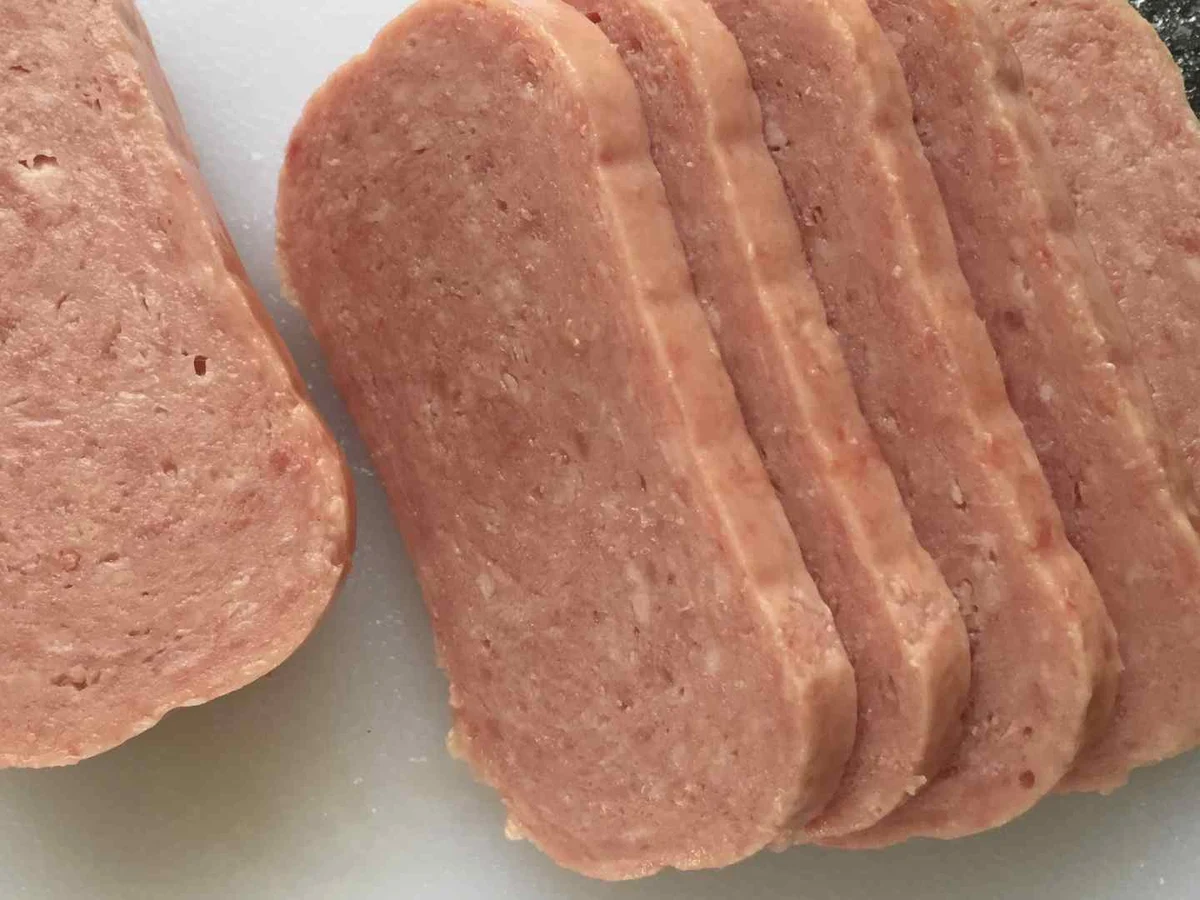
Pan-fried slices collect oil or butter and may share a plate with eggs, cheese, hash browns, ketchup, onion, and hot sauce. A greasy browned edge is not safer because it looks more cooked.
Photograph the entire breakfast and count cocktail picks or utensils. Scraping off ketchup does not remove seasoning already clinging to the meat.
The cat egg guide helps with a companion food, but every plate still needs ingredient-by-ingredient review.
Musubi has more moving parts
SPAM musubi combines salty meat with rice, seaweed, soy-based glaze, sugar, and sometimes mayonnaise or spice. Plastic wrap and toothpicks can remain invisible under a hurried kitchen cleanup.
A soft rice bite may be low risk, while a whole musubi is a substantial salty, fatty portion. Seaweed can add iodine and seasoned sheets may carry extra sodium.
Save the restaurant receipt or recipe and report missing film. Do not pull wrapper material protruding from the mouth or anus.
Sandwiches, fried rice, and noodle dishes
SPAM is often cooked with onion, garlic, scallions, kimchi, broth, seasoning packets, cheese, or sauces. The processed meat may not be the ingredient that sets the urgency.
The cat noodle guide covers broth, alliums, raw dough, and packaging. A dish name cannot replace the recipe.
Restaurant ingredient pages can change, so retain the current information and ask staff about the exact order. Do not delay a call while waiting for a perfect answer.
The can itself can do real damage
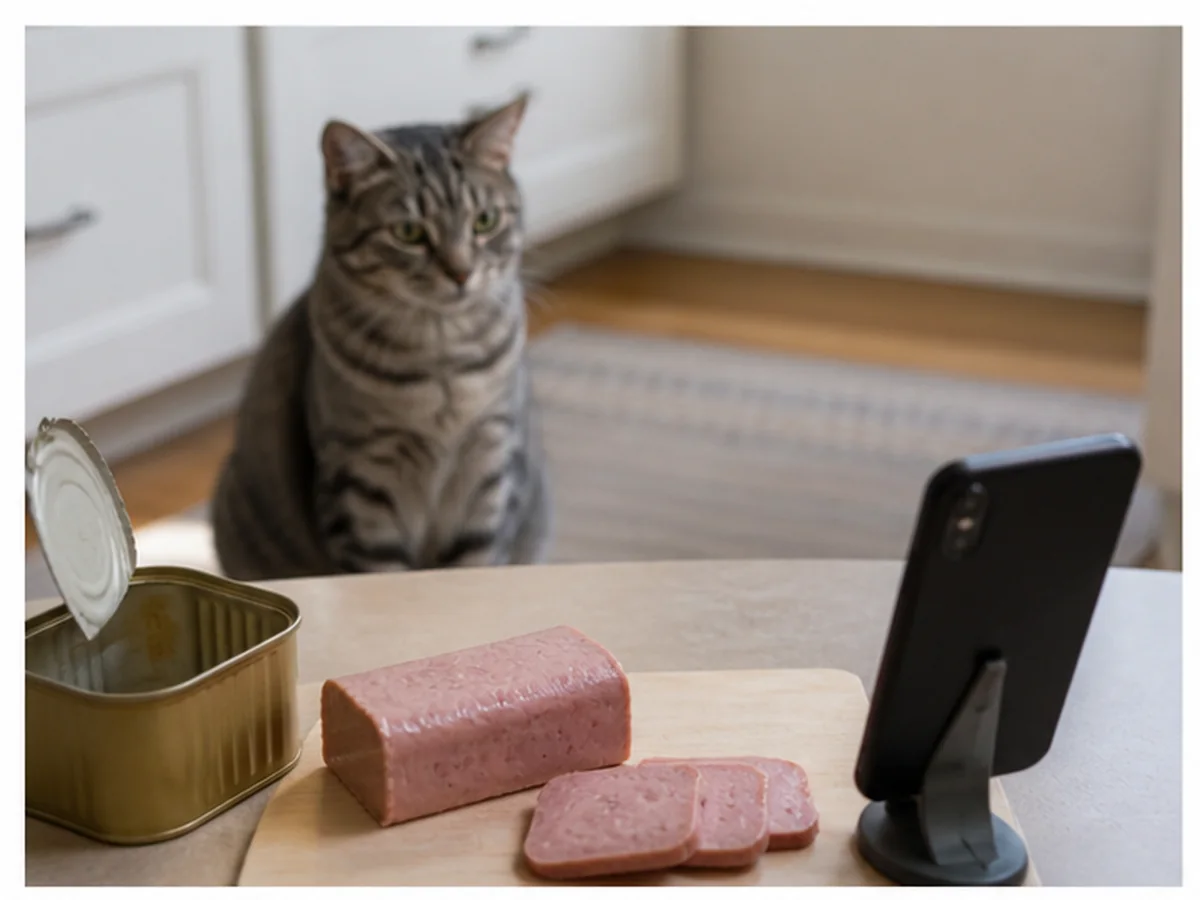
An opened can has a sharp rim, and a detached pull tab or lid can cut the mouth or be swallowed. Cats attracted to grease may push their faces deep into an apparently empty container.
Blood from the mouth, repeated swallowing, drooling, pawing, pain, or a missing metal piece deserves immediate veterinary direction. Do not probe a cut throat with fingers.
Transfer leftovers to a covered container and place the can behind a closed trash lid. Rinsing it does not make a sharp rim pet-safe.

Damaged cans and food safety
Do not use cans that are bulging, leaking, spurting, badly rusted, or deeply dented at seams. These defects can indicate a failed seal or unsafe contents.
The USDA shelf-stable food guidance explains can handling and storage for human foods. Do not taste questionable meat to test it for a cat.
If a cat ate from a suspicious can, preserve it safely and call with the product and symptoms. Vomiting, diarrhea, weakness, difficulty swallowing, or neurologic changes should not be dismissed as ordinary richness.
Refrigeration after opening
Once opened, processed meat needs prompt refrigeration in a clean covered container. Mark the date and discard portions left warm or showing slime, mold, rancid odor, or unusual color.
Reheating does not remove every bacterial toxin or spoilage hazard. A crisped old slice can still be an old slice.
Wash knives, boards, and hands after handling, especially when other raw meat shared the surface. Keep medication and cleaning products away from the prep area.
Kittens, seniors, and cats with dental trouble
A firm cube can be swallowed with little chewing, and stringy fried edges can lodge awkwardly. Cut human food smaller only for cleanup, not to create a kitten snack.
Kittens need balanced growth food and dehydrate quickly after vomiting or diarrhea. Seniors may have kidney disease, hypertension, dental pain, or swallowing changes that make SPAM particularly unhelpful.
Coughing, gagging, blue gums, panic, or collapse is an emergency. Do not pour water into the mouth of a choking cat.
Prescription diets and medication hiding
Kidney, cardiac, urinary, allergy, diabetic, gastrointestinal, and weight diets are designed around measurable goals. Salty luncheon meat can disrupt the plan and disguise changes in thirst or appetite.
Do not hide tablets in SPAM unless the prescriber approves the food and method. The cat may eat the meat and leave a dose behind, or the drug may require an empty stomach.
If appetite is poor, adding processed meat is not a diagnosis or treatment. Cats that stop eating need timely care.
Monitoring a tiny original-product taste
For a healthy adult that ate one truly small piece from a sound can, continue normal food and water and observe thirst, vomiting, diarrhea, appetite, energy, gait, and comfort. Keep the can until the cat remains well.
Call if signs appear, if more is missing, or if a flavor or glaze changes the ingredient list. Mention every other salty food eaten that day.
Store unopened cans behind a cabinet door and refrigerate leftovers immediately. The easiest sodium calculation is the one prevented by a closed lunch container.
Manufacturer information and recipe changes
The manufacturer’s current variety pages can help identify the named product, but the can in hand remains the best source for its batch’s ingredients and Nutrition Facts.
Recipes, serving sizes, and regional products can change without matching an old blog or shopping listing. Photograph the actual panels before discarding the container.
FAQ
Can cats eat a tiny piece of Original SPAM?
A tiny accidental morsel may be low risk for a healthy adult, but SPAM is too salty and fatty for routine feeding and offers no balanced benefit.
Is low-sodium SPAM safe for cats?
No variety becomes appropriate cat food from a front-label claim. Read the actual sodium and ingredients, and respect prescription-diet restrictions.
What if my cat ate a whole slice?
Call with the variety, amount, timing, weight, medical history, and symptoms because sodium, fat, seasonings, and portion all matter.
Can cats lick an empty SPAM can?
Do not allow it. Sharp rims and pull tabs can cut or be swallowed, while residue still contains salt and fat.
Bottom line
A tiny original-product morsel may pass quietly, but SPAM should stay off the cat menu. Sodium, fat, flavored recipes, whole dishes, damaged cans, sharp metal, and the cat’s medical history decide how quickly a theft needs help.