Can Cats Eat Noodles? Plain, Instant, Dry, and Sauced
A few short pieces of plain, fully cooked noodle are generally low risk for a healthy cat, but noodles are starch rather than complete feline food. Instant seasoning, sauce, broth, long strands, dry noodles, raw dough, leftovers, and packaging usually matter more than the plain pasta.
Reconstruct the bowl
Set aside the dish and identify noodle type, seasoning packet, sauce, broth, protein, vegetables, garnish, and missing utensils or packaging. A cat rarely steals the plain test portion from a recipe developer’s bench.
One short unseasoned noodle may only need monitoring. Call for onion or garlic, concentrated broth, extreme salt, raw yeast dough, a skewer, large amount, or any cat with choking, repeated vomiting, weakness, tremors, or abdominal pain.
Do not induce vomiting or use bread, oil, milk, or human stomach medicine. Photograph the menu or package before the evidence becomes dinner leftovers.
Plain cooked noodles are nutritionally uninteresting
Wheat, rice, egg, buckwheat, and other noodles vary, but a small properly cooked plain piece is not a classic feline toxin. It mostly adds starch and calories.
The Cornell Feline Health Center explains cats’ need for complete, balanced food. A noodle cannot substitute for animal-derived amino acids, taurine, fats, vitamins, and minerals.
If an approved treat is needed, reserve a morsel of regular cat food instead. The cat gets a snack without becoming emotionally invested in the colander.
Long strands can tangle and choke
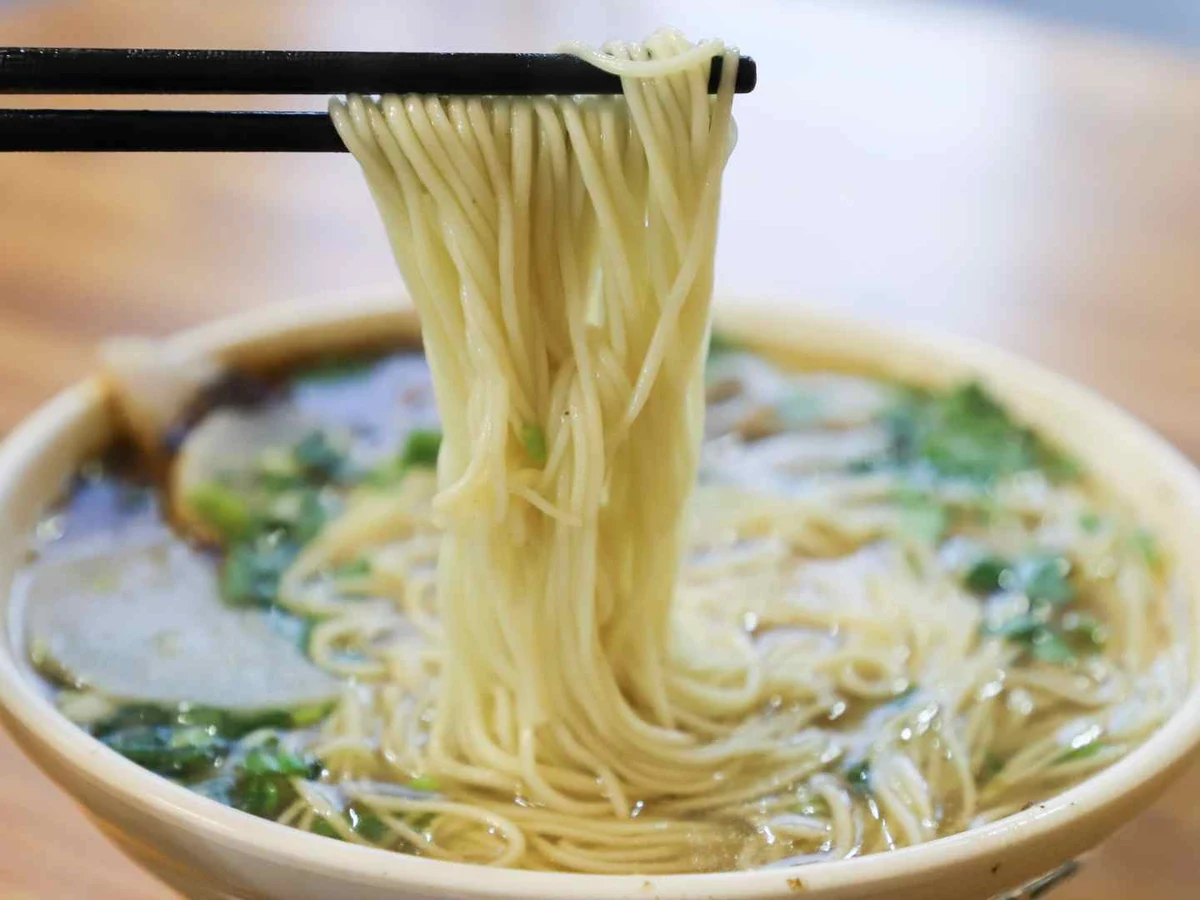
Spaghetti, ramen, udon, and rice noodles can be swallowed as long slippery strings. A strand may trigger gagging or lodge, especially when the cat bolts food.
Never pull a noodle or any string-like material protruding from the mouth or anus. Internal tissue may be caught, and pulling can injure it.
A cat that cannot move air, turns blue-gray, or collapses needs emergency help. Repeated vomiting, appetite loss, lethargy, or belly pain after a long strand also warrants care.
Dry noodles are hard objects
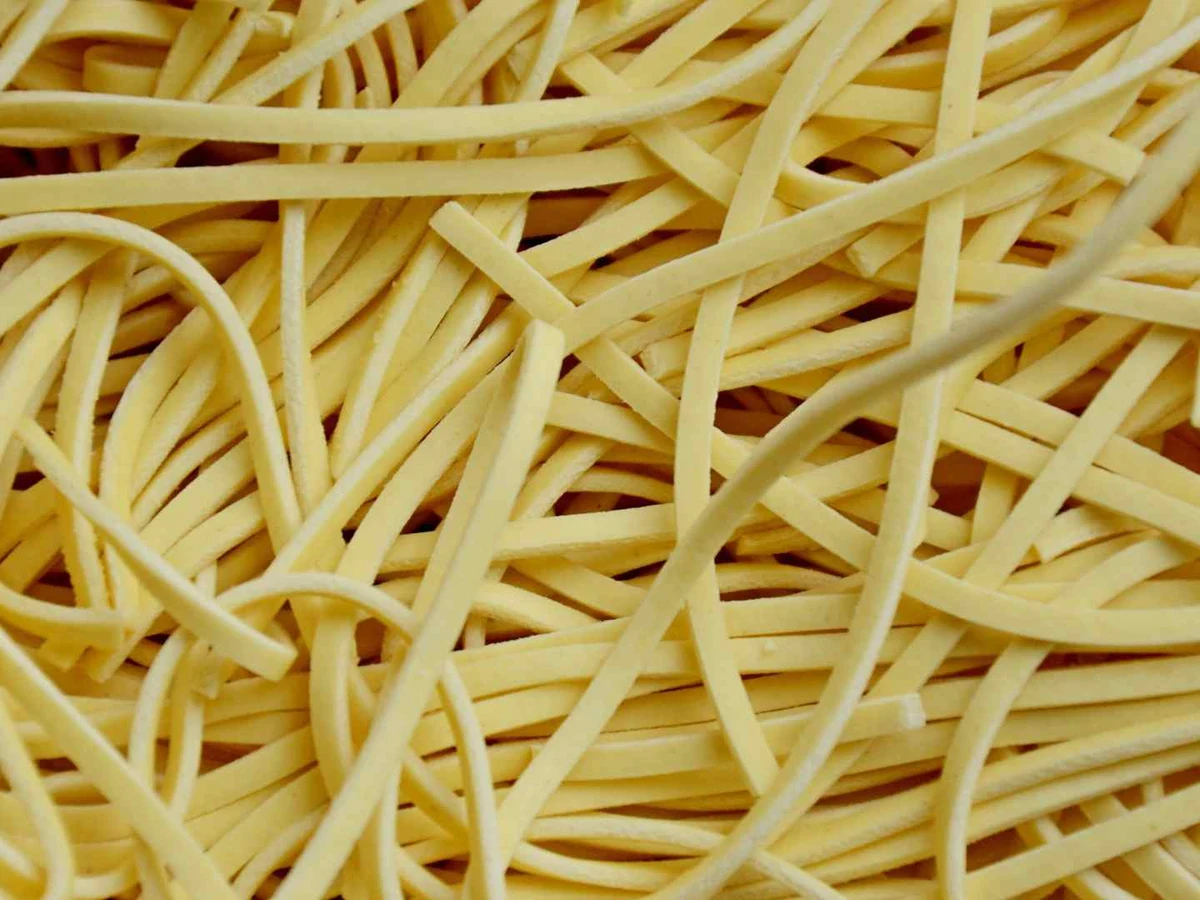
Uncooked pasta can be brittle and sharp, while instant noodle bricks break into hard fragments. Neither is improved by a cat’s limited chewing.
A tiny dry crumb may pass, but a large piece can choke, irritate, or contribute to obstruction. Call about a missing block section, repeated gagging, vomiting, pain, or food refusal.
Do not soak the cat with water after dry-noodle ingestion. Normal water should remain available, while forced liquid risks aspiration.
Instant noodles are mostly a seasoning problem
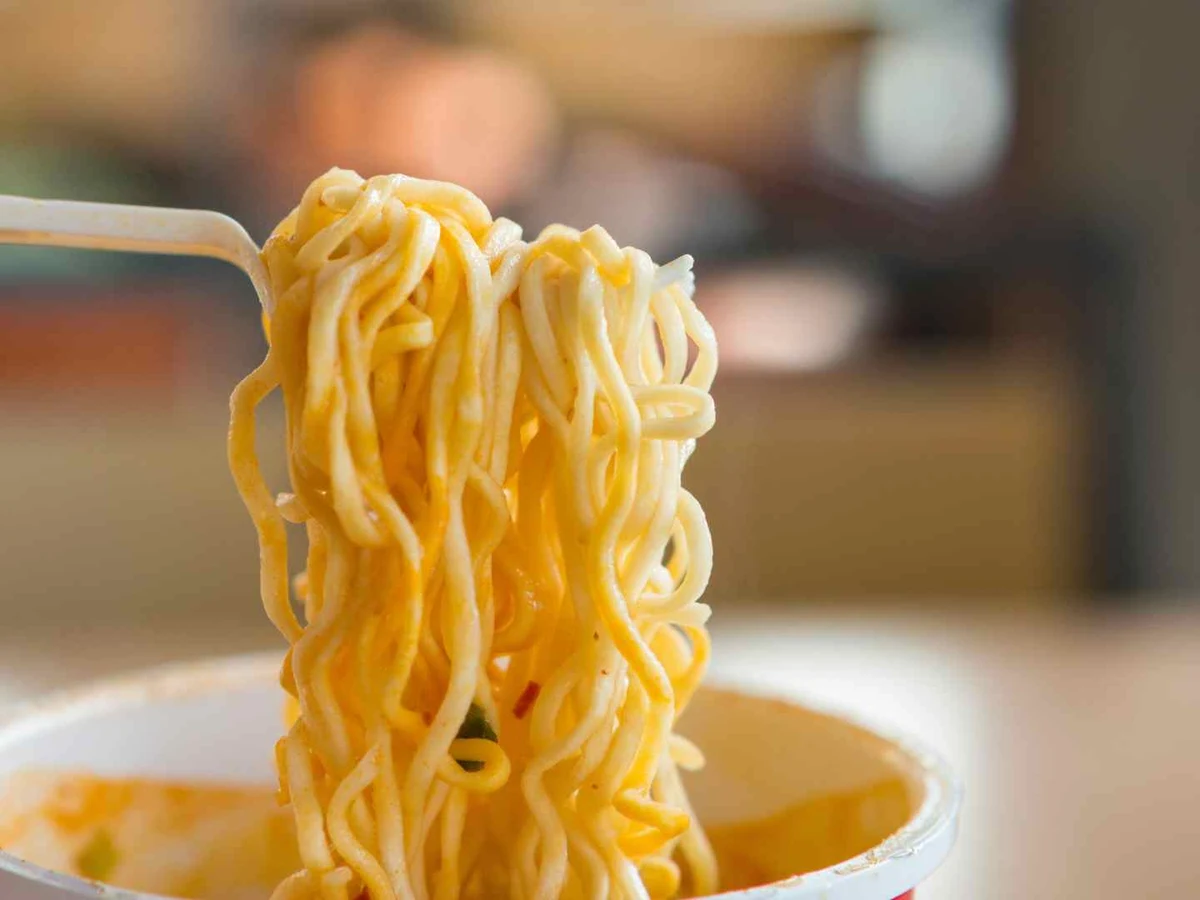
Ramen packets and cup noodles can be very high in sodium and commonly contain onion, garlic, flavor enhancers, fat, and spice. Loose powder may be licked directly or inhaled.
The FDA Nutrition Facts guide helps interpret sodium per serving, and some packages contain more than one serving. Report whether the cat drank broth, ate noodles, or tore open the seasoning sachet.
Extreme thirst, vomiting, weakness, disorientation, tremors, seizures, or collapse after a salty exposure is urgent. Keep fresh water available without forcing it.
Onion, garlic, scallion, and chives
Alliums appear in seasoning powder, broth, sauce, garnish, dumpling filling, and stir-fry vegetables. Cats are unusually vulnerable to oxidative red blood cell damage.
The ASPCA people-food guidance notes feline susceptibility to onion, garlic, and chives. Call with the recipe rather than waiting for weakness, pale gums, rapid breathing, or dark urine.
The cat green-onion guide covers scallions specifically. Remove garnish from the scene, but do not assume noodles beneath it are free of seasoned oil.
Soy sauce and concentrated broth
Soy sauce, fish sauce, miso, bouillon, and reduced broth can deliver substantial sodium in a small volume. A cat lapping liquid may consume more seasoning than the visible noodle count suggests.
Call after broth drinking, a packet spill, or a large coated portion, especially for kidney or heart disease. Report the product and estimated fluid volume.
The live soy-sauce product guide assists label reconstruction, but canine medical thresholds should not be applied to cats.
Tomato, cream, and cheese sauces
Pasta sauce often contains garlic and onion, while Alfredo adds butter, cream, cheese, salt, and fat. Pesto can include garlic, nuts, cheese, and concentrated oil.
One lightly coated noodle may cause no serious problem, yet the sauce recipe determines the call. The cat pizza guide offers relevant allium, cheese, and sauce context.
Cats that digest lactose poorly may vomit or develop diarrhea after cream sauce. Persistent appetite loss, pain, or repeated vomiting needs veterinary attention.
Mac and cheese is not plain noodles
Boxed or homemade macaroni and cheese adds dairy, fat, sodium, and sometimes onion or garlic powder. Foil trays and cheese packets create foreign-object risks.
The cat cheese guide covers lactose, fat, and portions. A tiny lick is different from eating half a casserole.
If the dish was left warm for hours, food safety also matters. Preserve storage history and report digestive illness.
Egg noodles and raw dough
Fully cooked egg noodles are not equivalent to uncooked dough containing raw egg and flour. Raw ingredients can carry harmful microbes before cooking.
The FDA advises against tasting raw dough because untreated flour can harbor pathogens. Vomiting, diarrhea, feverish behavior, lethargy, or appetite loss after dough deserves advice.
If dough contains yeast, it can expand and generate ethanol in the stomach. Rising dough requires an immediate call.
Rice, glass, and bean-thread noodles
Rice and mung-bean noodles can be plain, but they are often served with salty broth, raw garnishes, alliums, and sauces. Transparent appearance does not mean ingredient-free.
Long glass noodles share the physical risk of swallowing a strand. Cut nothing for intentional feeding because cats do not need the starch.
Check spring rolls and takeout dishes for skewers, plastic, and dipping sauces. The wrapper may be more consequential than one noodle.
Soba and buckwheat products
Soba may be pure buckwheat or a wheat blend and is commonly served with soy-based dipping sauce, scallion, wasabi, or broth. Use the package rather than assuming from the menu name.
A cat on a food-elimination trial should receive no noodle made from unapproved grain. One theft can compromise interpretation without causing an obvious reaction.
Wasabi and chili may irritate the mouth, eyes, and gut. Do not give milk as an antidote.
Takeout adds containers and utensils
Foil lids, plastic film, noodle cups, sauce packets, chopstick splinters, skewers, and absorbent pads smell like food. Swallowed pieces can choke or obstruct.
The FDA pet-hazard guide includes food bags and foreign objects. Call whenever package material or a wooden point is missing.
Never pull string, film, or a noodle-like object from the mouth or anus. Place the cat in a carrier and follow clinic instructions.
Leftovers and refrigeration
Cooked noodles and sauces should be refrigerated promptly according to food-safety guidance. A box left warm overnight is not rescued by reheating it for the cat.
Discard sour, slimy, moldy, or questionable food securely. Tremors or seizures after moldy leftovers is an emergency.
Do not let a cat eat from a sink or disposal where blades, bones, grease, and cleaning chemicals add hazards.
Cats who should skip even plain pasta
Cats with diabetes, obesity, food allergy, chronic digestive disease, swallowing trouble, or prescription diets gain no useful benefit from noodles. Medical feeding plans need consistency.
A noodle is also a poor pill vehicle because the medication may slide out or remain in the bowl. Ask for an approved food or formulation.
If a cat refuses normal food, do not substitute plain pasta. Feline under-eating deserves timely assessment.
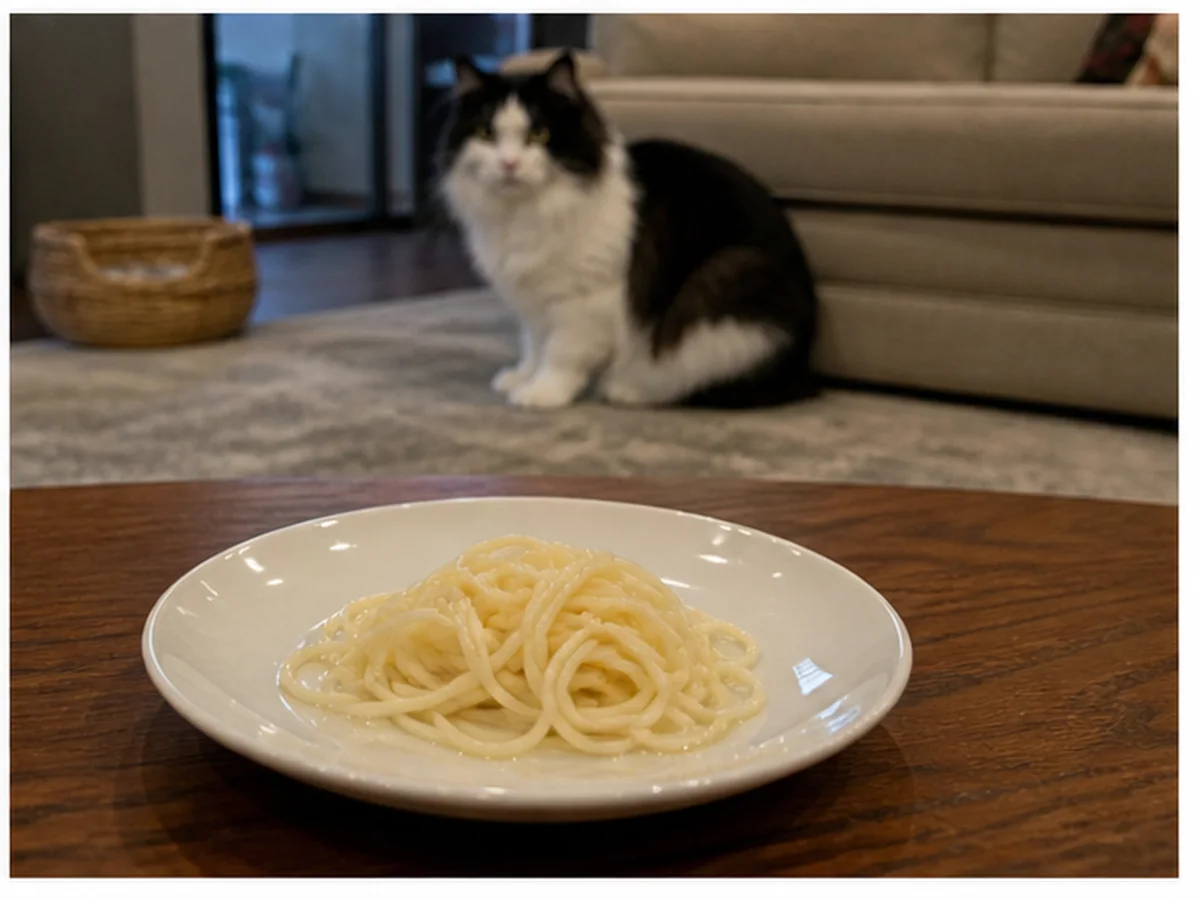
Monitoring a plain cooked piece
Cup-noodle burns deserve separate attention because hot broth can injure the tongue, mouth, skin, and eyes. Cool a minor surface splash with room-temperature water and call for blistering, persistent pain, squinting, or inability to eat.
Noodles served with raw seafood or undercooked meat also introduce microbial concerns beyond starch. Tell the clinic which protein was present, how it was stored, and whether other animals became ill.
Gluten-free noodles are not automatically cat-appropriate and may use rice, corn, legumes, eggs, gums, or other binders. A medical food trial requires the exact ingredient panel, not the marketing category.
Black, green, or red noodles may contain squid ink, spinach, beet, chili, or color additives. Their appearance is a prompt to read the label, not proof of toxicity or wellness.
A noodle stuck to fur should be removed before it dries into a tight mat. Use a damp cloth and avoid scissors near skin unless a professional can safely clip the area.
When the exposure truly was a few short unseasoned pieces, continue regular meals and water. Watch appetite, energy, stool, vomiting, swallowing, thirst, and abdominal comfort.
Call if signs repeat, worsen, or include weakness, pain, dehydration, or food refusal. Any seasoning packet or foreign object moves the event beyond simple monitoring.
Drain noodles away from the cat, close takeout containers promptly, and put seasoning packets into lidded trash before the kitchen inspector arrives.
FAQ
Can cats eat plain cooked noodles?
A few short unseasoned pieces are generally low risk, but noodles are unnecessary starch and should not replace balanced cat food.
What if my cat ate instant ramen?
Check whether seasoning or broth was consumed and call about alliums, high sodium, or a large amount. Save the package.
Can cats eat dry noodles?
Do not offer them because hard pieces can choke or irritate. Call after a large fragment or any gagging, vomiting, pain, or appetite loss.
Are rice noodles safer than wheat noodles?
Neither is needed, and the dish matters more than the grain. Sauce, broth, alliums, strand length, and packaging drive risk.
Bottom line
Plain cooked noodles in a few short pieces are usually low risk, but they offer little to cats. Seasoning, broth, sauces, long strands, raw dough, storage, utensils, and packaging decide whether a bowl raid needs help.