Can Cats Have Canola Oil? Spills, Fat, and Frying Risks
A trace of plain canola oil in cooked food is unlikely to poison a healthy cat, but there is no reason to serve oil by the spoon. Larger amounts can cause digestive upset and excess calories, while hot pans, slippery spills, fried coatings, flavored oils, and broken containers create more immediate problems.
A missing tablespoon begins with scene control
Turn off the stove, move the cat away from hot cookware and slick flooring, and stand the bottle upright before estimating ingestion. Oil on paws and fur will be swallowed during grooming unless contamination is handled safely.
- For a tiny lick from a cool plate, check the complete recipe and observe.
- For a puddle, record bottle size and remaining volume before absorbing it.
- For hot oil contact, treat the event as a burn and call immediately.
- For broken glass or a missing cap, prioritize cuts and foreign material.
- For spray oil, assess eyes and breathing as well as oral exposure.
Do not chase an oily cat across tile, because both of you can fall. Confine the animal calmly on a washable surface and ask the clinic what cleanser and bathing method are appropriate.
Canola and rapeseed need accurate naming
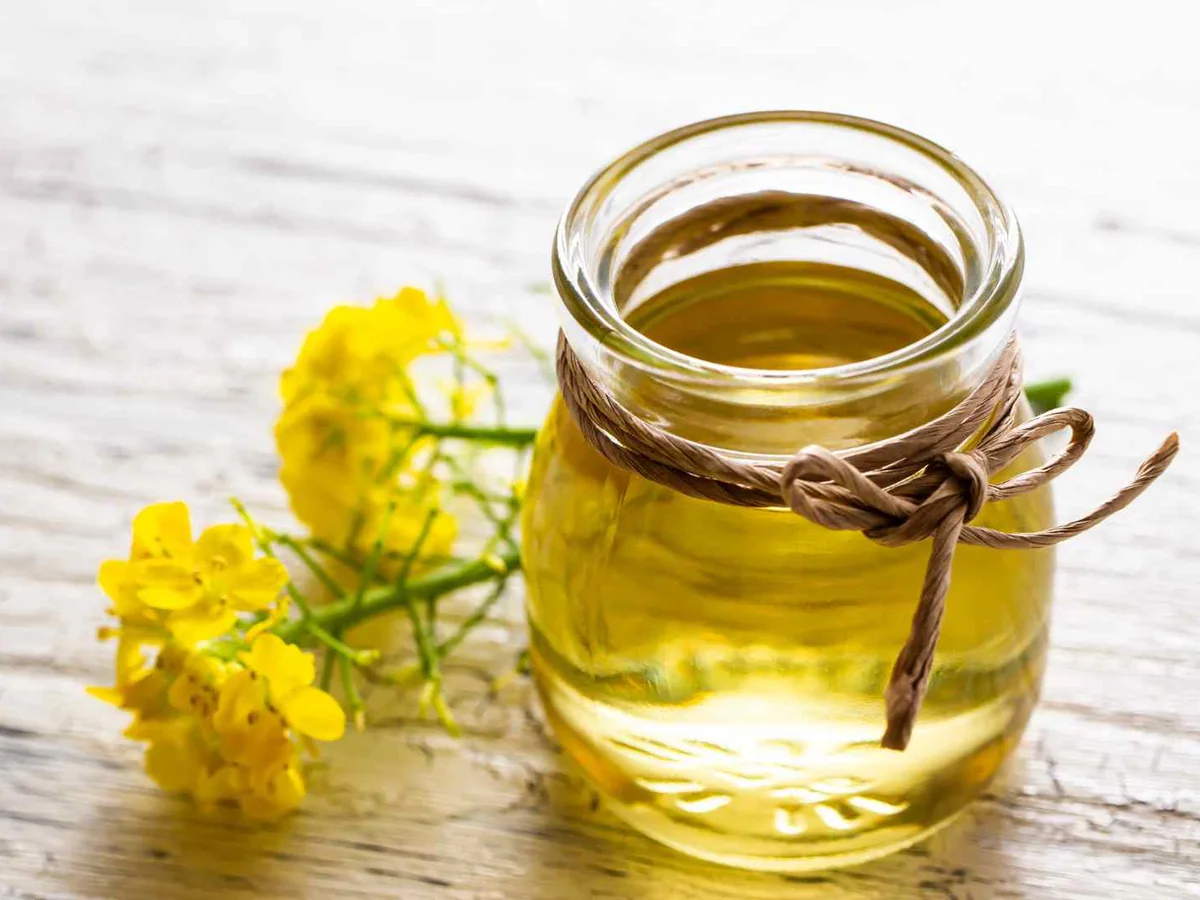
Canola oil is a low-erucic-acid rapeseed oil used in human foods. FDA’s ingredient database lists low-erucic-acid rapeseed oil and identifies canola oil among its names.
That regulatory human-food identity is not a feline treatment endorsement or permission to pour oil over meals. It does help prevent confusion with industrial lubricants, essential oils, concentrated mustard products, or an unlabeled garage container.
The poison question and the portion question differ
Plain edible canola oil is not recognized as an acute feline toxin in ordinary food traces. The practical concern after a larger lick is concentrated fat and calories, with vomiting, loose stool, nausea, or reduced appetite possible.
One greasy theft cannot diagnose or guarantee pancreatitis. Merck’s feline pancreas overview notes that the cause of pancreatitis often cannot be determined and that dietary recommendations depend on the individual case.
Repeated vomiting, a painful posture, marked lethargy, dehydration, or refusal to eat needs veterinary care rather than an internet label. Cats with prior pancreatitis, diabetes, obesity, or chronic bowel disease should not receive oil experiments.
Calories arrive without the volume of a meal
Cooking oil is energy-dense, so a glossy tablespoon can represent a substantial extra for a cat even though it barely covers a human skillet. Routine drizzles may undermine weight management before anyone sees a dramatic digestive sign.
Measure treats and toppers within the veterinarian’s calorie plan, and use part of the regular food as a reward when possible. A shiny coat claim is not a license to turn every bowl into salad dressing.
Cats that steal oily food repeatedly may be attracted to its meat scent, the pan residue, or an accessible counter rather than lacking dietary fat. Secure the kitchen and review the regular diet before interpreting the behavior as a nutritional request.
Omega claims require the whole diet
Canola oil contains fatty acids valued in human nutrition, but a cat’s needs involve amounts, ratios, digestibility, life stage, health, and the complete formula. Adding one pantry oil can alter energy and fatty-acid balance without correcting the problem someone hoped to treat.
Do not use canola oil to manage dry skin, constipation, hairballs, arthritis, kidney disease, inflammation, or poor appetite unless the veterinarian specifies the product and amount. A medical sign deserves diagnosis before a calorie-dense supplement.
GMO arguments do not answer the cat-safety question
FDA explains that canola is among crops available in genetically engineered varieties and that canola oil appears in many packaged foods. Its agricultural biotechnology overview addresses composition, safety, and labeling rather than recommending oil for cats.
Organic, non-GMO, expeller-pressed, cold-pressed, refined, and conventional labels describe production choices, not a feline serving. None removes fat, spill hazards, rancidity, or the ingredients added to a finished recipe.
Frying oil carries the entire fryer
Oil used for chicken, fish, onion rings, doughnuts, or battered vegetables collects crumbs, salt, spices, Alliums, dairy, egg, flour, meat juices, and degradation products. A lick from the fryer is not exposure to pristine canola oil.
Hot oil can cause deep mouth, paw, and skin burns, and splatter can injure eyes. Cool the scene, not the cat with ice, butter, ointment, or flour, and seek immediate guidance for any thermal contact.
The mayonnaise guide offers a useful comparison for an oil-rich prepared food whose egg, seasoning, spoilage, and recipe matter. Neither mayonnaise nor fryer drippings belongs in the cat bowl.
Spray cans add propellant and aerosol
Canola cooking spray may include lecithin, propellant, anti-foaming agents, other oils, and flavor, and a pressurized mist can reach eyes, lungs, counters, and fur. Read the exact can instead of treating every spray as bottled oil in smaller drops.
Move the cat into clean air after inhalation and call for persistent coughing, wheezing, eye pain, drooling, or open-mouth breathing. Never puncture, heat, or burn an aerosol can, and keep the nozzle from becoming a chew toy.
Garlic, chile, and herb infusions rewrite the answer
Infused oils can carry garlic, onion, shallot, chile, citrus peel, truffle flavor, or herbs, while homemade mixtures may be unlabeled. Identify the recipe and do not assume straining removes compounds that moved into the oil.
Call promptly for garlic or onion in a meaningful or uncertain exposure, and preserve the bottle or recipe. The site’s garlic article explains why delayed red blood cell signs matter even when the immediate stomach seems quiet.
Rancid oil belongs outside every food bowl
Heat, air, light, time, and food debris can degrade cooking oil, producing stale or paint-like odor and off flavor. Rancidity is not improved by blending the oil into strongly scented cat food.
Follow the manufacturer’s storage directions, keep the cap clean, and discard suspect oil in a sealed container according to local rules. Do not pour a large volume down a drain or leave an open disposal cup where a cat can reach it.
Glass, caps, foil seals, and pour spouts matter
A dropped bottle can combine slippery oil with nearly invisible glass, while plastic caps, tamper rings, foil seals, and removable pourers can be swallowed. Keep the cat out of the room until every shard and package piece is accounted for.
Blood, limping, mouth pain, gagging, vomiting, or a missing sharp fragment needs prompt care. Do not inspect an injured mouth with bare fingers or induce vomiting after suspected glass ingestion.
Oil on fur needs a measured cleanup
A small spot may be managed according to veterinary directions, while extensive saturation can chill the cat during bathing and create a large grooming dose. Prevent licking calmly without wrapping the chest or restricting breathing.
Do not use solvents, essential oils, citrus degreasers, alcohol, or concentrated household cleaner on skin. Several hurried baths can worsen irritation, stress, and body-temperature loss.
Constipation is not an invitation to free-pour oil
Straining, small stool, vocalizing, appetite loss, vomiting, or repeated litter-box trips can reflect constipation, pain, urinary disease, or obstruction. Giving canola oil can delay diagnosis and may cause diarrhea without solving the cause.
A male cat producing little or no urine needs emergency care. Do not assume the posture is constipation and reach for a cooking bottle.
Commercial cat food may contain plant oils
Canola oil can appear as one ingredient in a formulated pet food, where it contributes to an entire tested nutrient profile. That context differs from adding an unmeasured spoon to a complete meal.
FDA explains the standards behind a complete-and-balanced statement. Evaluate the finished diet, life stage, manufacturer, and individual cat rather than declaring a formula good or bad from the word canola alone.
Compare oils without crowning a pantry winner
Canola, olive, avocado, coconut, sunflower, and fish oils differ in fatty-acid profile, flavor, refining, and intended use. The best answer for a medical need may be a formulated diet or veterinarian-selected supplement, not the oil with the most enthusiastic human headline.
The coconut oil guide and avocado oil guide address their distinct composition and product risks. Switching bottles does not remove calorie or spill concerns.
The slick-floor response
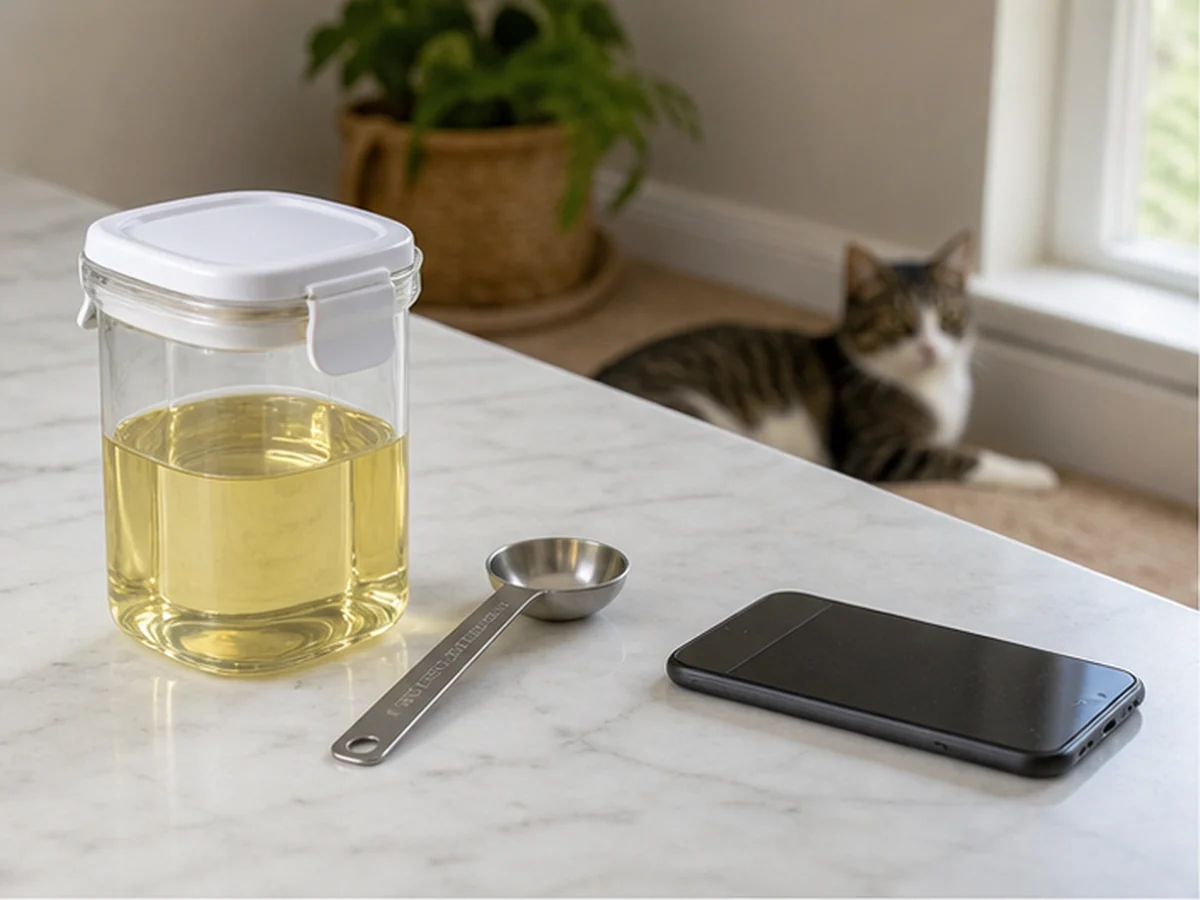
- Turn off heat and isolate the cat from the spill, pan, broken container, aerosol, and trash.
- Identify edible plain oil, used fryer oil, infusion, spray, supplement blend, or non-food product.
- Estimate swallowed and coat amounts, then record time, weight, conditions, recipe, objects, and signs.
- Call for burns, inhalation, extensive fur coating, Alliums, broken glass, large amount, vulnerable cat, or symptoms.
- Follow cleaning and feeding directions without inducing vomiting or using household solvents.
Frequently asked questions
Is canola oil toxic to cats?
A trace of plain edible canola oil is not expected to cause acute poisoning in most healthy cats. Larger amounts can upset digestion and add many calories.
Can canola oil help a cat’s coat or hairballs?
Do not assume a benefit or improvise a dose. Skin changes, excessive grooming, and recurrent hairballs need diagnosis, and any fatty-acid plan should account for the complete diet.
What if my cat stepped in canola oil?
Prevent grooming, move the cat onto a non-slip washable surface, and call for safe cleaning instructions. Extensive coating or any hot-oil contact needs urgent help.
Can cats eat food fried in canola oil?
Fried food is best avoided because oil, salt, breading, seasonings, heat, and the base food create a richer exposure than plain oil. Check the entire recipe after a theft.
Bottom line
Canola oil in a food trace is usually low concern, but a pour, hot pan, aerosol cloud, flavored infusion, used fryer, or broken bottle deserves a different response. Skip spoonfuls and health promises, preserve the regular complete diet, and let persistent digestive or skin problems receive proper veterinary attention.