Can Cats Eat Wheat Bread? Plain Slices, Raw Dough, Mold, Seeds, and Toppings
A tiny crumb of plain, fully baked wheat bread is generally low risk for a healthy cat, but bread is unnecessary starch rather than feline nutrition. Raw yeast dough, uncooked flour, raisins, mold, garlic, rich toppings, dense pieces, and swallowed packaging change the answer quickly.
Identify the loaf and the missing part
Save the wrapper, bakery label, recipe, and ingredient sticker. Identify white wheat, whole wheat, multigrain, seeded, honey wheat, raisin, garlic, sandwich, toast, raw dough, or moldy heel.
Estimate crumbs, slice fraction, dough weight, and timing. Count twist ties, plastic tabs, film, freshness packets, toothpicks, and wrappers.
Call immediately for raw yeast dough, raisins, visible mold, alliums, chocolate, alcohol, a missing closure, severe belly swelling, wobbliness, tremors, seizures, or breathing trouble. Do not induce vomiting.
A plain baked crumb is the simple case
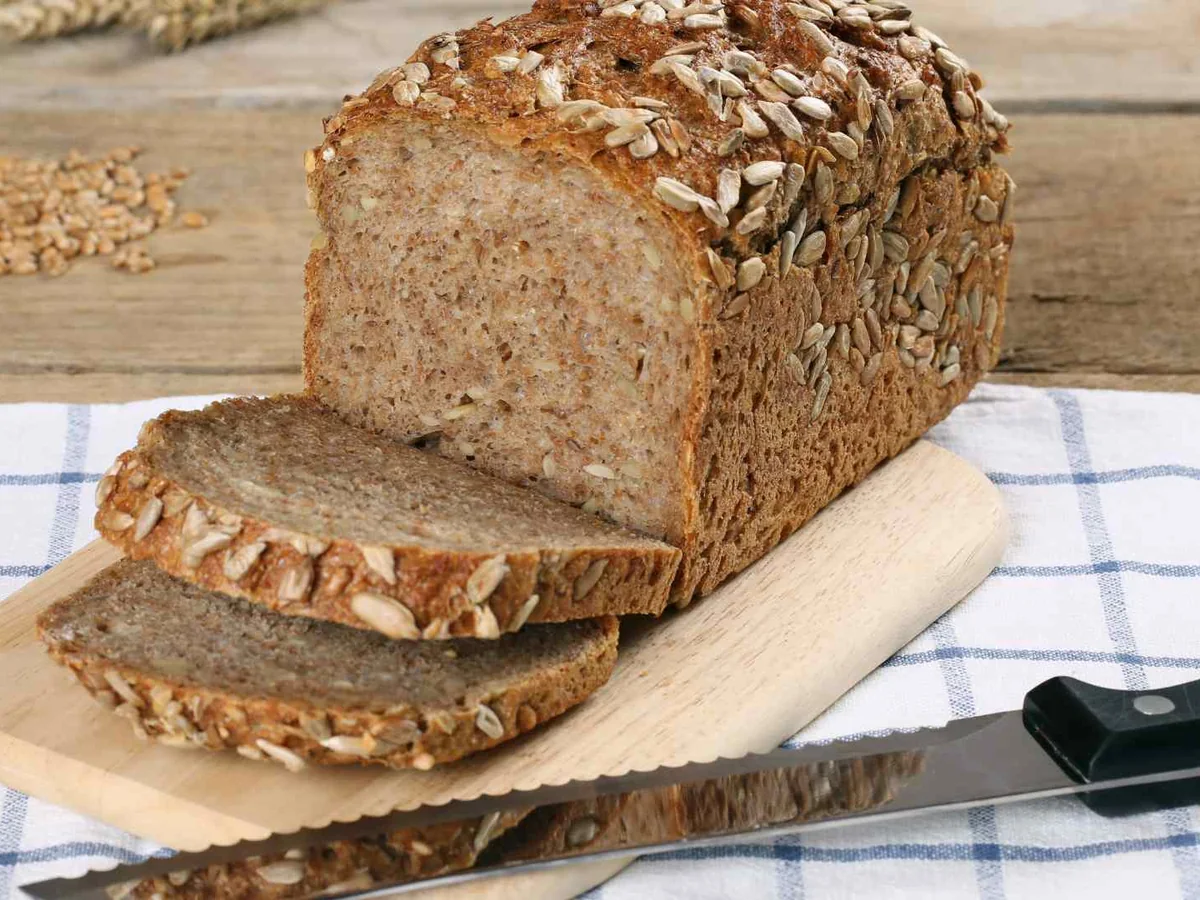
A healthy adult that steals one small unseasoned crumb may show no sign. Wheat bread still contributes calories and carbohydrate without replacing complete feline protein and nutrients.
Cornell’s cat-feeding overview explains species-specific needs. Whole-grain marketing for people does not establish a cat benefit.
Use normal cat food for rewards instead of making toast corners a breakfast ritual. Daily crumbs are easy to forget when tracking calories.
Whole wheat is not a feline health upgrade
Whole wheat retains more bran and germ than refined flour, changing fiber and texture. That human nutrition distinction does not create taurine or a complete amino-acid profile.
A larger high-fiber portion can cause gas, soft stool, constipation, or vomiting. Cats with gastrointestinal disease need an individualized plan rather than random bran.
The cat bread guide covers baked bread broadly, while this loaf’s ingredients settle the details.
Raw yeast dough is urgent
Yeast dough can expand in the warm stomach and produce ethanol during fermentation. Abdominal distension, pain, retching, weakness, wobbliness, unusual sleepiness, low body temperature, collapse, or breathing difficulty may follow.
ASPCA’s people-food guidance warns about dough expansion and alcohol. Call now rather than waiting to see the dough rise.
Do not feed baked bread to soak it up and do not force water. Save the recipe, batch size, yeast amount, salt, and additions.
Flour is raw before baking
Milled wheat flour can carry harmful bacteria because ordinary processing does not sterilize it. Dough on paws becomes an ingestion during grooming.
The FDA explains that ordinary flour is raw and can carry bacteria until proper cooking. Clean without throwing flour dust into the air.
Repeated vomiting, diarrhea, feverish behavior, lethargy, or appetite loss after raw dough deserves veterinary advice. Retain the flour lot.
Raisin wheat bread needs a feline boundary
Grapes and raisins cause unpredictable kidney injury in dogs, while feline evidence is sparse. Sparse evidence is not permission to feed them, and dog dose thresholds should not be copied to cats.
The cat grape guide explains that uncertainty. Call with the number of raisins and bread amount rather than dismissing the exposure.
Currant may mean dried grape or a different botanical fruit depending on the label. Preserve the exact wording.
Seeds and grains change texture
Multigrain loaves may include sesame, sunflower, flax, pumpkin, millet, oats, rye, quinoa, or cracked wheat. Dense clusters can lodge near painful teeth or create a chewy mouthful.
Seeds do not make bread a dewormer, dental treatment, or balanced snack. Cats with elimination diets must avoid unapproved grains and proteins.
Drooling, gagging, mouth pawing, repeated swallowing, or refusal to chew deserves examination. Do not probe deeply into the mouth.
Garlic, onion, and savory loaves
Garlic bread, onion rolls, herb loaves, stuffing bread, and seasoned croutons can contain fresh or powdered alliums. Cats are particularly susceptible to related red blood cell damage.
Use the cat garlic-bread guide for butter, alliums, and portions. Cooking does not make garlic harmless.
Weakness, pale gums, rapid breathing, dark urine, or collapse can be delayed. Call before signs appear after known exposure.
Honey, sweeteners, and low-carb bread
Honey wheat, keto, low-carb, and protein breads may contain syrups, sugar alcohols, added fibers, nuts, soy, dairy, or concentrated wheat protein. Read the current panel.
Xylitol is a severe dog toxin, while comparable feline toxicity has not been established. Do not transfer canine doses, yet call about unfamiliar concentrated sweeteners because the whole recipe matters.
Human carbohydrate claims do not create a diabetic cat food. Prescription feeding plans come first.
Moldy bread is not salvageable
Some food molds can produce tremorgenic mycotoxins that cause vomiting, agitation, tremors, high body temperature, or seizures. Visible fuzz does not map every contaminated area.
The Merck Veterinary Manual describes serious neurologic illness from tremorgenic mycotoxins. Secure the entire loaf and trash.
Do not cut away a moldy corner and give the rest to a cat. Tremors or seizures are emergencies.
Toast changes moisture, not ingredients
Toasting dries and browns bread but does not remove raisins, alliums, sweeteners, or mold toxins. Hard burnt edges add no feline value.
A hot slice can burn the mouth, and toasters contain current, metal, and trapped crumbs. Keep paws away from the appliance.
Plain toast crumbs may be low risk, while butter, garlic spread, jam, avocado, cheese, and chocolate-hazelnut spread require their own triage.
Sandwiches are mixed exposures
Wheat bread commonly carries deli meat, tuna salad, cheese, mayonnaise, mustard, onion, avocado, peanut butter, or toothpicks. The filling may outrank the bread.
Photograph the entire sandwich and count sharp picks. Scraping off filling does not turn the slice into a recommended treat.
The cat turkey-bacon guide helps when processed meat appears, but report all ingredients.
Closure clips and soft bags
Twist ties, hard bread tabs, plastic film, and desiccants retain food scent and may be swallowed. A cat can ignore the loaf and chew its closure.
FDA’s pet-hazard guidance supports securing food bags and small objects. Call when any part is missing.
Leave any plastic or string emerging from the cat in place and seek veterinary help, because the material may be anchored internally. It may be anchored internally.
Storage and stale bread
Stale bread is dry and unappealing but not automatically toxic, while moisture supports mold. Discard odd odor, dampness, visible growth, or compromised packages securely.
Refrigerated sandwiches follow the storage needs of meat, fish, egg, dairy, and dressing. Reheating does not undo spoilage.
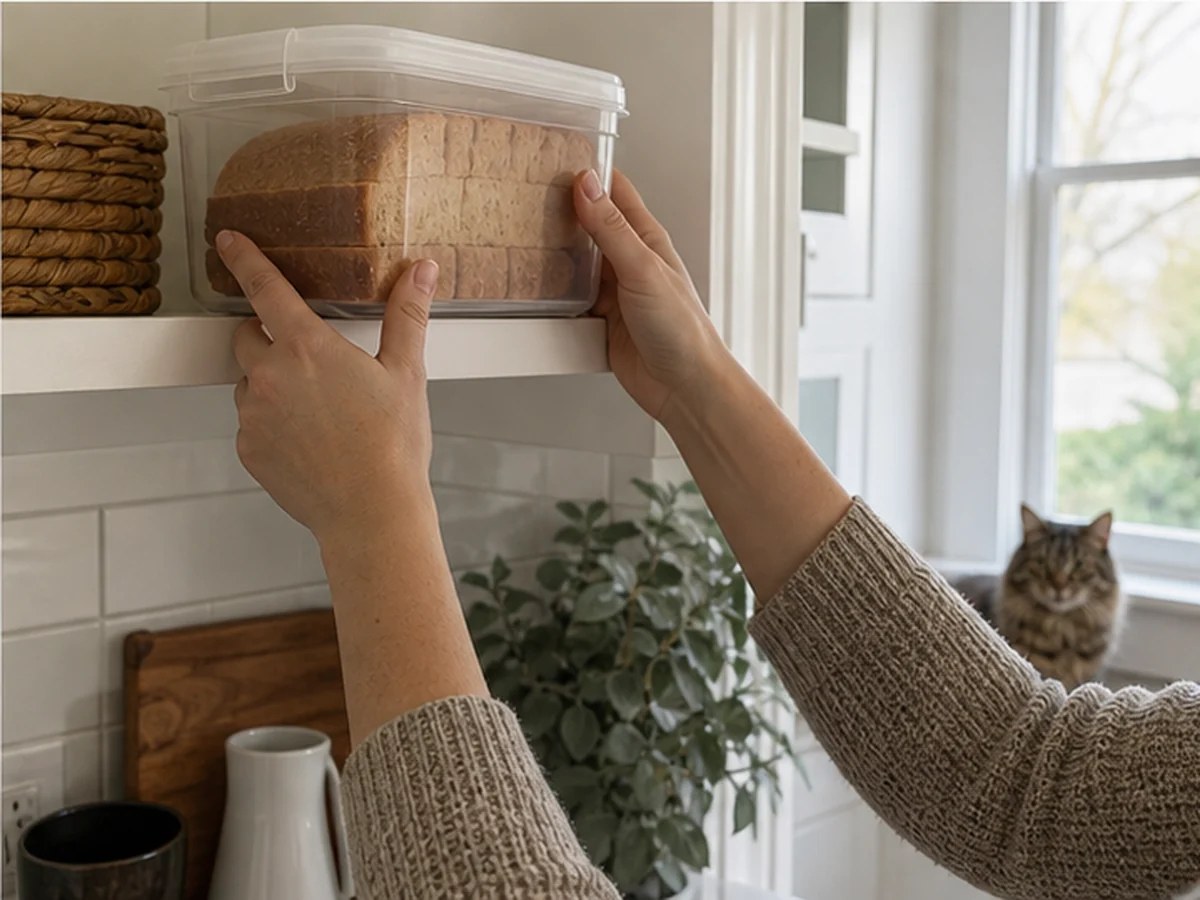
Use a rigid bread box if the cat raids bags. A cabinet latch is more effective than negotiating with a dedicated countertop athlete.
Watching after one plain crumb
For a healthy adult that ate one tiny fully baked unseasoned crumb, continue normal food and water and watch vomiting, diarrhea, constipation, coughing, comfort, and appetite. Keep the wrapper.
Call if signs appear, more is missing, or the label reveals raisins, alliums, mold, raw dough, or missing plastic. Kittens and medically fragile cats deserve faster advice.
Do not use bread to treat nausea or diarrhea. Persistent digestive signs or appetite loss needs diagnosis.
French toast and bread pudding
French toast adds raw or cooked egg, milk, butter, sugar, syrup, vanilla extract, nutmeg, and hot pan grease. Bread pudding may also contain raisins, alcohol, nuts, or chocolate.
Identify the whole recipe and how thoroughly egg was cooked. A plain bread answer cannot clear a rich dessert or breakfast.
Count foil, parchment, skewers, and serving utensils. Sticky syrup makes nonfood pieces smell edible.
Croutons, breadcrumbs, and stuffing
Croutons and packaged crumbs may carry garlic, onion, cheese, salt, herbs, and hard toasted edges. Stuffing can add broth, sausage, celery, butter, raisins, and poultry bones.
A dusting on the floor differs from eating the corner of a stuffing pan. Save package panels and estimate volume.
Powder can irritate eyes or airways when swept upward. Move the cat away before vacuuming and call for persistent coughing or squinting.
Freezer loaves and proofing drawers
Frozen slices can be hard enough to hurt teeth, and bags may become brittle or tear into swallowed pieces. Thaw human portions behind a closed door.
Proofing drawers and warm ovens can trap or burn a curious cat. Check appliances before heating and never use an oven as pet-proof dough storage.
Label raw dough clearly when several bakers share a kitchen. A towel over the bowl will not stop a determined cat.
Bread used for crafts or bird feeding can carry glue, paint, string, wire, mold, outdoor contamination, or medication-like pest products. Ask what happened to the bread after it left the kitchen.
Do not let cats raid bags intended for ducks or backyard birds. Outdoor feeding also draws wildlife and can expose pets to droppings or spoiled scraps.
Photograph the full scene and identify craft or pest-control products. The same slice can change from low-risk food to a mixed household exposure.
Bread soaked in milk or broth may be swallowed quickly and can hide tablets, bones, onion, garlic, or cleaning residue from a sink. Preserve the liquid recipe.
A softened texture lowers crunch without creating nutrition or safety. Cats with swallowing trouble need veterinary feeding guidance, not improvised soaked bread.
FAQ
Can cats eat plain wheat bread?
A tiny fully baked plain crumb is generally low risk, but wheat bread is unnecessary starch and should not become routine.
What if my cat ate raw bread dough?
Call immediately, especially when yeast is present, because dough can expand and produce alcohol in the stomach.
Can cats eat whole-wheat bread?
Whole wheat does not make bread balanced for cats, and added seeds, raisins, sweeteners, or alliums can change the risk.
Is moldy wheat bread dangerous?
Yes. Some molds produce neurologic toxins, so secure the loaf and seek urgent care for tremors, agitation, or seizures.
Bottom line
A plain baked wheat crumb is usually a minor accident, but raw yeast dough, uncooked flour, raisins, alliums, mold, dense pieces, toppings, and packaging deserve distinct responses. Bread is not a feline bland diet or nutritional upgrade.