Can Cats Eat Yellow Squash? Preparation, Bitterness, and Risks
A small bite of plain, tender, cooked yellow squash is generally a low-concern accident for a healthy cat. Butter, garlic, onion, heavy salt, hot oil, tough pieces, and an unusually bitter squash can turn that sleepy side dish into a more complicated problem.
Start with the plate, not the vegetable’s reputation
A cat beside a steamed squash coin presents a different case from one inside a buttery casserole pan. Before deciding what yellow squash “does,” find the recipe, the missing amount, the time of the raid, and anything else the cat may have swallowed.
Keep the container, take a label photo, and check the floor for skewers, plastic wrap, absorbent meat pads, or a broken serving spoon. Food and foreign objects sometimes leave the counter together, and the object can be the urgent half of the story.
A quick kitchen triage chart
| Scene | Likely concern | Response |
|---|---|---|
| One lick of plain cooked flesh | Possible mild digestive upset | Take it away and observe |
| Large raw half-moon | Choking, difficult chewing, stomach upset | Call if swallowed or gagging occurs |
| Garlicky sauté or casserole | Alliums, salt, fat, dairy, recipe additions | Review ingredients and contact a veterinarian |
| Extremely bitter squash | Possible high cucurbitacin exposure | Stop access and call promptly |
| Garden fruit after pesticide use | Product-specific chemical exposure | Find the pesticide label and seek advice |
What “yellow squash” usually means
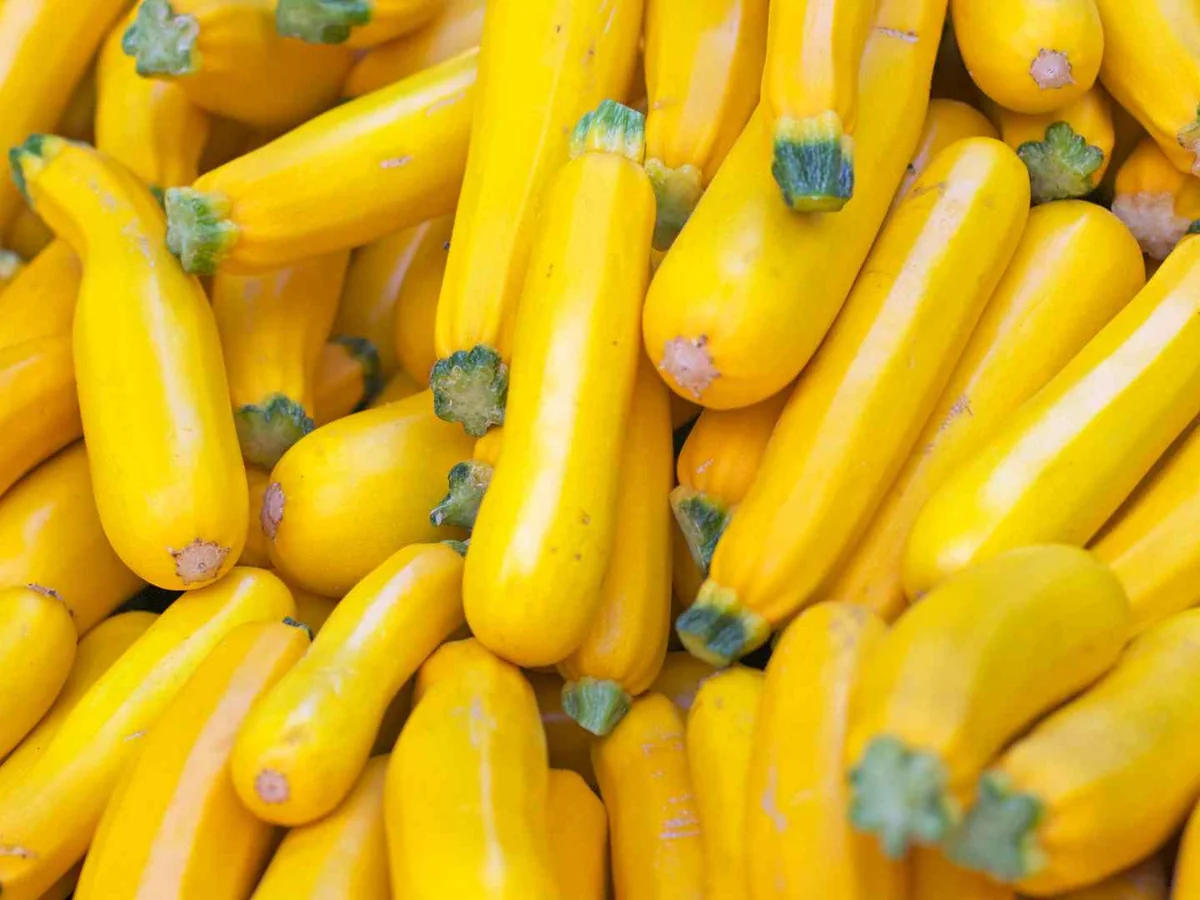
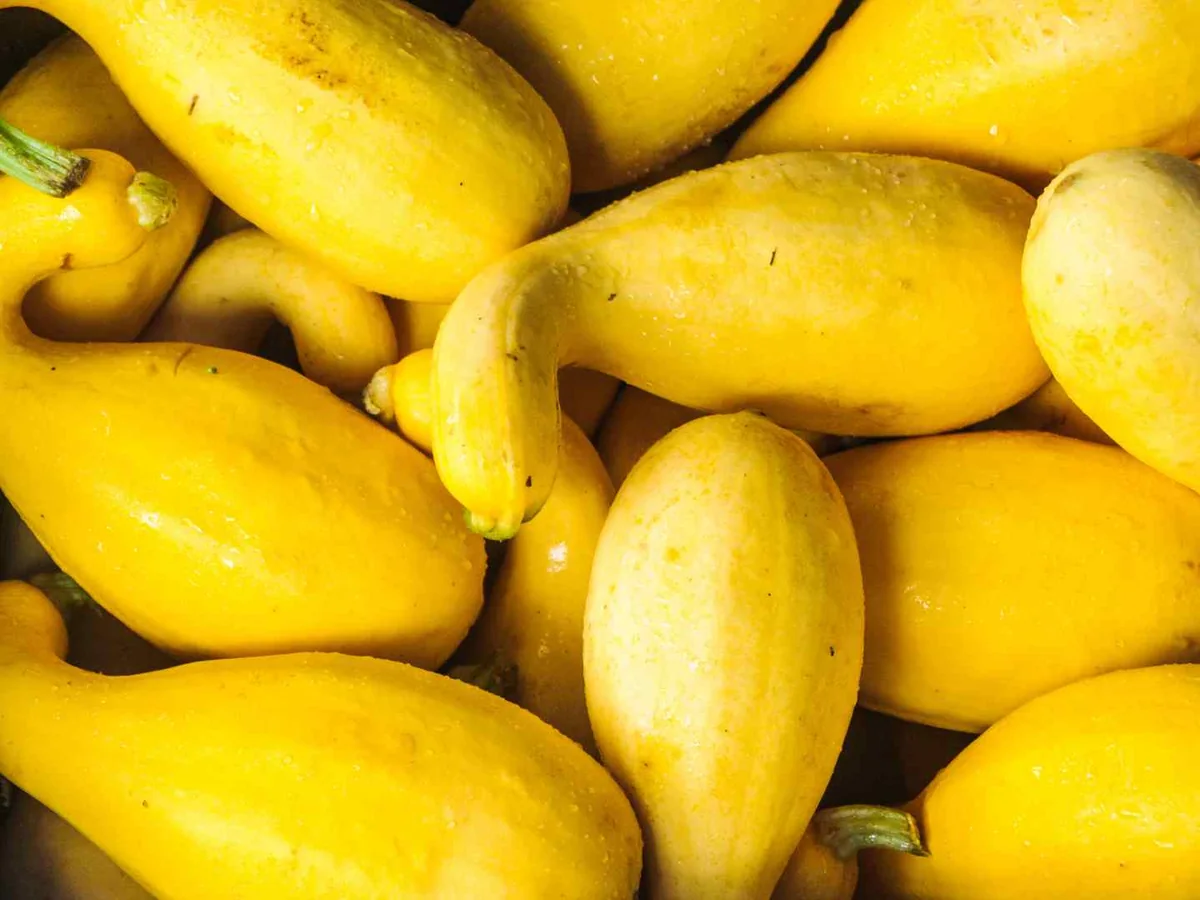
In many U.S. kitchens, yellow squash means a tender summer squash harvested before its rind and seeds become hard. It may be straightneck or crookneck, and it is commonly a variety of Cucurbita pepo.
Yellow zucchini can look similar, while winter squash with yellow flesh behaves differently in the knife, pan, and mouth. Exact identification matters most when the produce is homegrown, oddly shaped, ornamental, or described only through a hurried text message.
The ordinary vegetable is not a feline nutrition requirement
Plain edible summer squash is not generally recognized as a classic cat toxin, but there is no established feline serving that veterinarians recommend for better health. Low toxicity and meaningful benefit are separate conclusions.
Cats are obligate carnivores with specific amino-acid, fatty-acid, vitamin, and mineral needs. Cornell’s evidence-based feeding guide puts those needs ahead of trendy produce add-ons.
Cook it for texture, not to create a superfood
Steaming or simmering a squash slice without seasoning makes it soft enough to mash between two fingers. Cooling it completely matters because a curious cat cannot judge whether the center of a fresh-from-the-pan coin will burn the tongue.
Cooking is a texture choice and may make a tiny sample easier to manage, but it does not prove the vegetable improves hydration or bowel health. It also does not neutralize onion, garlic, or an abnormally bitter squash already present in the dish.
Raw rounds can be awkward in a cat-sized mouth
A thin shred of ordinary raw yellow squash may pass without drama, yet a thick coin can wedge, fold, or be gulped with little chewing. Kittens, cats with dental pain, and animals with swallowing trouble have less margin for a badly sized piece.
Never chase a swallowed chunk with oil, bread, or another home remedy. If coughing, open-mouth breathing, repeated gagging, blue or gray gums, or collapse appears, seek emergency veterinary help immediately.
Skin, seeds, blossom end, and stem
The tender skin and small immature seeds of a normal young squash are edible for people, but they still add plant material a cat does not need. Peeling and seeding can make a deliberately shared morsel softer without turning it into required nutrition.
The woody stem and dried blossom end are tougher and should be discarded. An oversized mature squash may have a hardened rind and developed seeds, making it a poor candidate even if the interior is technically edible.
The rare bitter-squash problem needs careful wording
Cucurbits naturally produce compounds called cucurbitacins, and unusually high concentrations make a squash intensely bitter and irritating. Most ordinary commercial summer squash is bred for very low levels, so this is a specific exception rather than a reason to label every yellow squash poisonous.
France’s national food-safety agency advises people to discard any squash with a distinctly bitter taste because cooking does not destroy cucurbitacins. That guidance and the documented human cases establish a real hazard, but they do not provide a cat-specific toxic dose.
How to handle a suspected bitter squash
If a human tasted the same squash and found it shockingly bitter, stop everyone from eating it and keep a sample for identification. Contact a veterinarian or animal poison service with the cat’s weight, amount, time, source of the squash, and current signs.
Vomiting, diarrhea, drooling, abdominal discomfort, weakness, or refusal to eat deserves prompt attention after such an exposure. Severe or repeated gastrointestinal losses can dehydrate a cat, so waiting for a human symptom timeline is not an evidence-based plan.
Homegrown squash earns two extra questions
First ask where the seed came from, especially for volunteer plants, saved seed, or gardens near ornamental gourds. Oregon State University Extension gives a useful explanation of extreme bitterness in zucchini and related squash, while noting that cultivated produce normally contains amounts too low to taste.
Then ask which fertilizers, slug baits, herbicides, insecticides, or fungicides were used and when. The product name and EPA registration number are more valuable to a poison specialist than the vague phrase “garden spray.”
Rinse produce, but do not wash it with soap
Rinse the intact squash under clean running water before cutting and remove damaged or moldy areas. The FDA’s fruit and vegetable safety advice specifically says not to use soap, detergent, or commercial produce wash.
Wash the knife and board after they held raw meat, and refrigerate cooked leftovers promptly. Foodborne contamination and spoilage are separate from the natural properties of squash, but the cat experiencing vomiting will not separate them for you.
Sautéed squash usually stops being plain
A skillet version may include butter, bacon grease, olive oil, garlic, onion, shallot, seasoned salt, or parmesan. One lick does not guarantee pancreatitis or poisoning, yet a substantial or unknown amount of an allium-containing dish warrants case-specific veterinary advice.
Read our live butter guide when cooking fat is the main clue, and use the pizza guide for mixed dishes with cheese and seasonings. Those links help unpack additions without pretending the base vegetable caused every risk.
Casseroles hide important ingredients in soft food
Squash casserole can contain condensed soup, crackers, cheese, eggs, milk, onion, garlic, and plenty of salt. Its soft texture may allow a cat to swallow more quickly than it would chew raw produce.
Save the recipe and packages rather than reporting “some squash.” If onion or garlic powder appears, remember that a concentrated dried ingredient should not be waved away because no visible onion pieces remain.
Grilled rounds add heat and hardware
Grilled squash may be coated in marinade and served on wooden or metal skewers. A missing skewer point, foil scrap, brush bristle, or charred fragment changes the urgency even if the vegetable portion was tiny.
Do not pull a deeply lodged object from the mouth or throat when resistance is present. Keep the cat calm, prevent further chewing, and let an emergency clinic tell you how to transport safely.
Fried squash is mostly a coating question
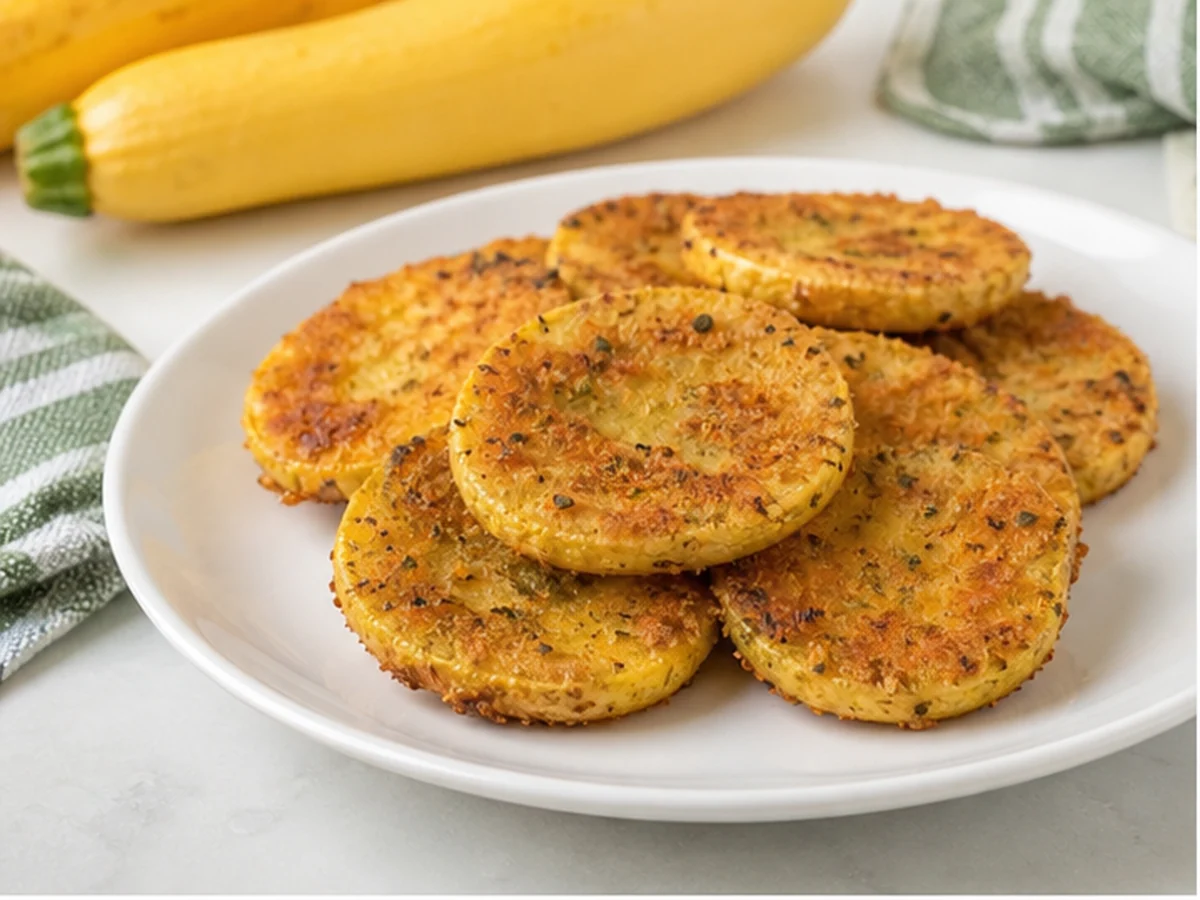
Breaded squash carries flour or cornmeal, egg, dairy, salt, spice blends, and absorbed oil. A hot piece can burn, while a cooled piece may still be an especially rich extra for a small animal.
One crumb is unlikely to create a crisis in most healthy adult cats, but repeated vomiting, abdominal discomfort, or appetite loss needs veterinary attention. Do not diagnose pancreatitis from a stolen fried bite, and do not dismiss persistent signs as mere “indigestion.”
Pickled yellow squash belongs with the brine
Pickling introduces salt, vinegar, sugar, garlic, onion, chili, and jar hazards. A soaked vegetable should be assessed as part of its brine, not rinsed and mentally converted back into plain squash.
Our cat-and-pickle guide walks through brine and jar details that apply here. Keep glass rims, lids, bands, and spilled liquid away while you read the label.
Squash blossoms are not the same serving
A plain flower from a correctly identified edible squash plant is not the same object as soft cooked fruit, and feline feeding evidence is thin. Stuffed or fried blossoms commonly contain cheese, batter, salt, seasonings, and hot oil.
A cat who chewed a blossom from an unknown plant may also have reached pesticides or ornamental species. Photograph the plant and tag, then ask a veterinarian or poison service to assess the actual exposure.
Serving size should stay firmly in treat territory
If a healthy adult cat enjoys plain cooked yellow squash, offer no more than one or two tiny, soft pieces on an occasional day. That is a conservative kitchen suggestion, not a medical dose and not an invitation to top every meal.
The FDA explains why snacks and table foods can dilute a complete and balanced diet. Count every extra together, including dental treats, pill pockets, training rewards, and bites supplied by generous visitors.
Some cats are better off without this experiment
Skip yellow squash for a cat on a prescription diet unless the treating veterinarian approves it. The same caution fits cats with diabetes, chronic digestive disease, swallowing problems, food-responsive skin disease, recent pancreatitis, or a carefully controlled calorie plan.
Do not use squash to coax a nauseated cat indefinitely or to “bulk up” a homemade diet. Appetite loss, constipation, and diarrhea have many causes, and changing the bowl can blur the pattern a clinician needs to evaluate.
A calm checklist after an ordinary bite
- Remove the remaining food, recipe scraps, and packaging.
- Decide whether the squash was raw, steamed, sautéed, baked, pickled, fried, or bitter.
- List every seasoning and estimate the maximum missing amount.
- Offer the usual water and regular cat food without forcing either.
- Monitor as your veterinarian recommends and record any change in appetite, stool, energy, or vomiting.
A precise account saves time: “one teaspoon of steamed yellow squash, no seasoning, ten minutes ago” is genuinely helpful. “She ate vegetables” leaves the veterinary team solving a produce mystery while the clock runs.
Frequently asked questions
Can cats eat raw yellow squash?
A very small shred of ordinary, non-bitter raw squash is unlikely to poison a healthy adult, but a thick piece can be hard to chew or swallow. Soft, plain, cooked flesh is the more sensible texture if a taste is offered at all.
Can cats eat yellow squash seeds?
The soft immature seeds in young summer squash are not a recognized feline toxin, yet there is no reason to serve them separately. Mature hard seeds and tough rind should stay out of the cat’s bowl.
What if the squash tastes bitter?
Discard it and contact a veterinarian if your cat ate any, especially if the amount is uncertain or gastrointestinal signs begin. Human poison-center evidence supports concern about cucurbitacins, but there is no reliable feline dose to calculate at home.
Can yellow squash treat constipation in cats?
Not without veterinary direction, because litter-box straining may reflect constipation, pain, or a urinary emergency. A vegetable experiment should never delay assessment of repeated, unproductive trips to the box.
Is yellow squash safe for kittens?
Kittens need a complete growth diet and have small throats and stomachs, so yellow squash offers little upside. Choose a kitten-appropriate treat or reserve a few pieces of the kitten’s regular food for sharing moments.
Bottom line
Plain, washed, tender yellow squash can be a tiny optional taste, not a health requirement. Focus on texture, the complete recipe, garden products, physical debris, and extreme bitterness, then involve a veterinarian promptly when the amount, plant, or symptoms make the case uncertain.