Can Cats Have Olive Oil? Licks, Spills, Burns, and Benefit Claims
A tiny lick of plain edible olive oil is unlikely to poison a healthy cat, but spoonfuls are unnecessary and calorie-dense. Larger amounts may cause vomiting or diarrhea, and hot pans, slippery spills, flavored infusions, fried foods, supplements, rancid oil, glass, and oil-soaked fur create separate risks.
The scene matters more than extra virgin on the label
An oily plate, a toppled bottle, hot skillet splatter, garlic infusion, sardine tin, supplement capsule, or restaurant dressing requires a different response. Secure heat and broken containers before estimating what reached the cat.
| Exposure | Main concern |
| Tiny plain residue | Digestive tolerance and calories |
| Puddle or spoonful | Larger fat load, vomiting, diarrhea |
| Hot cooking oil | Mouth, paw, skin, or eye burns |
| Infused oil | Garlic, onion, chile, herbs, citrus |
| Used frying or pan oil | Food crumbs, salt, seasonings, degradation |
| Fur coating | Grooming dose, skin irritation, chilling during cleanup |
A trace is low concern without becoming a recommendation
Olive oil is edible fat rather than a recognized acute feline toxin in ordinary food traces. A healthy adult that steals one lick may show nothing or brief digestive upset.
Remove access and return to the normal diet instead of offering more to test tolerance. Call for a larger volume, repeated vomiting, abdominal pain, lethargy, appetite loss, a vulnerable cat, or uncertainty about added ingredients.
Calories hide in a glossy surface
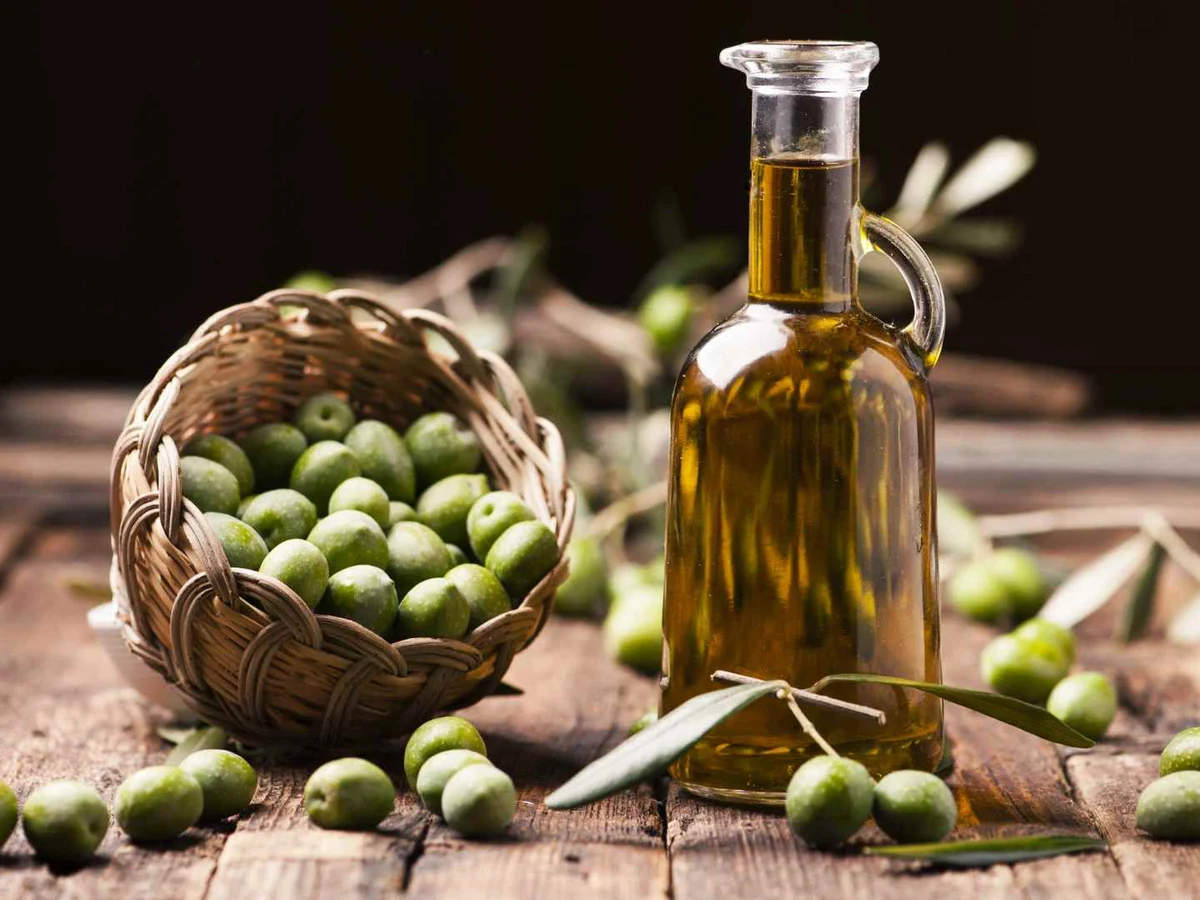
Oil contributes substantial energy in a small volume, so a human drizzle can be a generous feline extra. Repeated pours can undermine weight control without causing an obvious immediate reaction.
Use measured portions of regular food for rewards and count all toppers in the daily plan. A cat does not need a Mediterranean garnish to appreciate dinner.
One bite cannot guarantee pancreatitis
High-fat food is often blamed for every later stomach sign, yet feline pancreatitis has varied and frequently unidentified causes. Merck’s pancreas overview describes diagnosis and individualized treatment rather than a one-lick prediction.
Persistent vomiting, a painful abdomen, marked lethargy, dehydration, or refusal to eat still needs examination. Cats with previous pancreatitis, diabetes, obesity, or chronic digestive disease should receive only clinician-approved extras.
Extra virgin, light, refined, and infused are not serving sizes
Extra virgin and refined describe production and flavor characteristics, while light usually refers to flavor rather than a calorie-free product. None establishes a safe cat dose.
Organic, cold-pressed, first-press, imported, and single-estate labels also do not prove a medical benefit. Check whether the bottle is pure olive oil or a blend with other oils and flavors.
FDA’s GRAS framework describes human food uses under intended conditions, not therapeutic dosing for cats. A cooking ingredient’s regulatory history should never be stretched into a veterinary recommendation.
Garlic infusion is an Allium exposure
Garlic, onion, shallot, or chive can flavor commercial and homemade oils, and visible pieces may be absent after straining. Dissolved flavor means scraping the cat’s food will not restore plain oil.
Call promptly with the recipe and amount after confirmed Allium exposure. The site’s garlic guide explains why red blood cell signs can be delayed.
Homemade infused oil can also raise human food-safety concerns when fresh garlic or herbs are stored improperly. Do not taste an old mixture to judge it, and preserve the preparation and storage history for the veterinary call.
Chile and citrus oils add irritation
Hot-pepper oil can sting the mouth, eyes, skin, and stomach, while citrus-infused oil may contain zest or concentrated flavor. A cat can spread either product from paws to face during grooming.
Prevent licking, avoid household solvents, and ask for cleaning guidance. Persistent squinting, drooling, coughing, breathing change, vomiting, or obvious pain warrants care.
Hot oil is a burn emergency
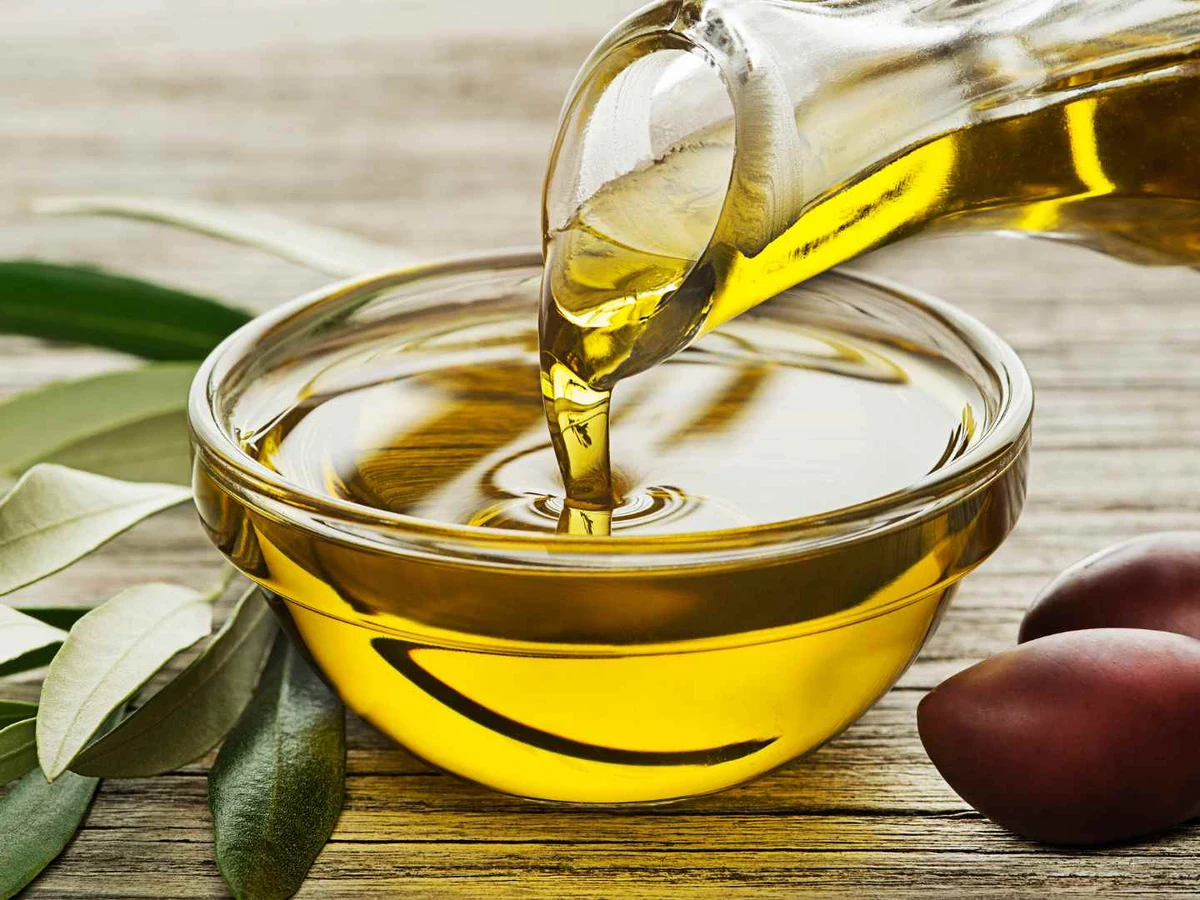
Oil retains heat and clings to tissue, so skillet splatter or a tipped roasting pan can cause deeper injury than a quick water splash. Mouth and paw burns may not be fully visible at first.
Turn off heat, move the cat safely, and call immediately. Do not apply ice, butter, flour, ointment, or numbing medication, and do not peel material stuck to injured skin.
Used oil carries the meal with it
Pan drippings and fryer oil collect salt, garlic, onion, breading, dairy, meat juices, fish bones, herbs, and browned debris. A lick from the pan is not exposure to clean bottled olive oil.
Save the recipe and identify the base food, especially after fried fish, chicken, pizza, or vegetables. The pesto guide covers one olive-oil-rich sauce where garlic, cheese, nuts, salt, and basil matter more than a green sheen.
Oil pooled in a tuna, sardine, or anchovy tin can be highly aromatic and may carry substantial salt, fish fragments, flavoring, or a sharp can rim. The fish product and container need assessment alongside the oil.
Oil on fur becomes an oral dose
Cats groom diligently, so a coat spill is both dermal and ingestion exposure. A large saturation can also make bathing prolonged and cause dangerous chilling or stress.
Confine the cat on a non-slip washable surface and obtain veterinary cleaning directions. Never use paint thinner, citrus degreaser, essential oil, alcohol, or concentrated dish product on the coat.
Glass and slick floors compound the accident
A broken bottle leaves transparent shards in a slippery puddle where paw cuts are easy to miss. Plastic caps, pour spouts, tamper rings, and foil seals can also be swallowed.
Keep every animal out until cleanup is complete, and call for blood, limping, mouth pain, missing pieces, gagging, or vomiting. Suspected glass ingestion rules out home vomiting.
Rancidity is not a pet-food rescue opportunity
Light, heat, air, time, and food contamination can degrade oil and produce stale or paint-like odors. Strong cat food does not rehabilitate a bottle that no longer belongs in human cooking.
Store the product as directed, clean the cap, and discard suspect oil in a closed container under local disposal rules. Do not leave an open waste cup where paws can reach it.
Restaurant cruets and refillable bottles may lack dates, ingredients, or clear oil identity. After a spill from an unlabeled vessel, ask the kitchen whether it held pure olive oil, a blend, garlic infusion, chile oil, or dressing.
Constipation and hairballs need diagnosis
Olive oil is promoted online as a laxative or hairball aid, but unmeasured fat may cause diarrhea without solving obstruction, dehydration, pain, megacolon, or excessive grooming. Straining can also signal urinary blockage.
A male cat passing little or no urine needs emergency care, and repeated hairballs deserve evaluation. Do not syringe oil into the mouth because aspiration can injure the lungs.
Skin and coat claims are not treatment evidence
Dry skin, dandruff, hair loss, itching, and overgrooming can reflect parasites, allergy, infection, pain, nutrition, or systemic disease. A pantry oil cannot identify which one is present.
Do not promise olive oil will create a glossy coat, reduce inflammation, protect the heart, or treat arthritis. A veterinarian can decide whether diet change or a specific fatty-acid supplement is justified.
Olive-oil capsules and extracts are distinct products
Softgels may combine olive oil with herbs, vitamins, concentrated olive-leaf extract, flavoring, or medication, and the gelatin shell can be swallowed whole. Save the supplement facts panel after an exposure.
Do not use human polyphenol, leaf-extract, or cardiovascular claims as feline evidence. Concentrated supplements can interact with disease and medication even when the carrier oil is ordinary.
Capsules can also bounce under furniture, where another pet finds them later, and blister packs add foil and plastic. Count the full sheet and report every active ingredient rather than only the olive-oil carrier.
Commercial cat food already manages fat balance
Olive oil may appear in a formulated food or treat, where its amount sits inside the whole nutrient profile. That context differs from adding a freehand spoon to every meal.
FDA’s nutritional adequacy resource explains how complete foods substantiate their intended role. Judge the finished diet and individual cat rather than one attractive ingredient.
Compare cooking oils without declaring a champion
Canola, avocado, coconut, sunflower, and olive oils differ in composition and production, yet all are calorie-dense fats with spill hazards. The best product for a diagnosed need may not be a cooking oil at all.
The site’s canola oil guide and coconut oil guide preserve those distinctions. Changing bottles cannot substitute for a measured clinical plan.
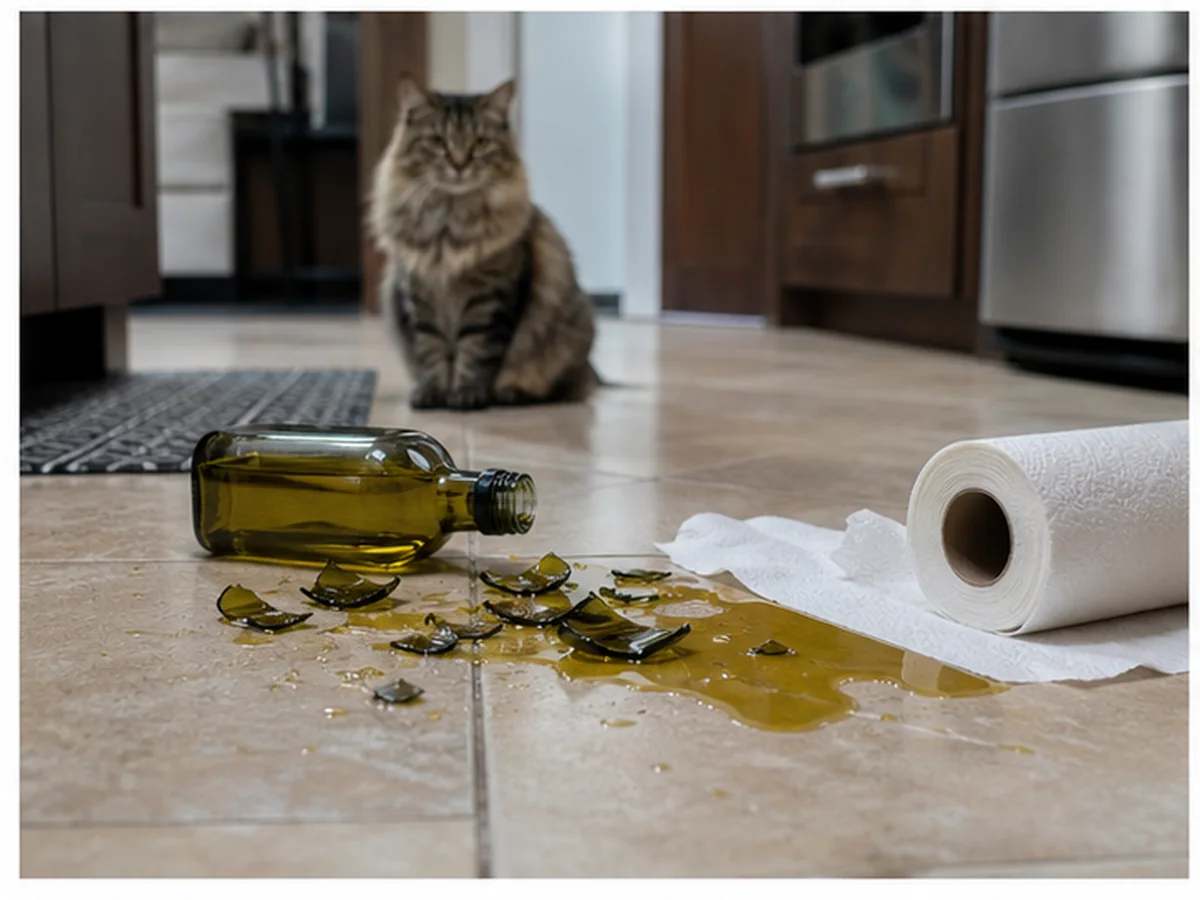
The olive-oil accident plan
- Turn off heat and separate the cat from oil, slippery flooring, glass, cookware, food, and packages.
- Identify plain, blended, infused, used, hot, rancid, supplement, or non-food oil.
- Describe the missing oil and fur coating separately, with timing, body weight, medical conditions, recipe, debris, and current behavior.
- Call for burns, extensive coating, Alliums, glass, large amount, vulnerable cats, or symptoms.
- Follow veterinary cleanup and feeding directions without inducing vomiting or using solvents.
Frequently asked questions
Is olive oil poisonous to cats?
A tiny lick of plain edible olive oil is usually low concern, but larger portions can upset digestion and add excessive calories. It is not a necessary treat.
Can olive oil help constipation or hairballs?
Do not free-pour or syringe it. Constipation, urinary straining, and recurrent hairballs need diagnosis, and oil can cause diarrhea or aspiration without fixing the cause.
What if my cat stepped in olive oil?
Prevent grooming, place the cat on a non-slip washable surface, and ask a veterinarian how to clean the coat. Hot oil or extensive saturation is urgent.
Does one oily bite cause pancreatitis?
No one can guarantee that outcome from a single bite. Persistent vomiting, pain, lethargy, or appetite loss still requires veterinary assessment.
Bottom line
Plain olive oil is a low-concern trace and an unnecessary spoonful, not a wellness shortcut. Heat, infusions, used oil, fur contamination, slippery glass, supplements, and repeated health claims deserve more attention than the romance of the bottle label.