Can Cats Have Turmeric? Spice, Supplements, and Evidence
A trace of culinary turmeric in food is unlikely to poison most healthy cats, but there is no good reason to spoon the spice or a human supplement into their meals. Powders irritate, concentrated products vary, interactions matter, and popular claims about inflammation, immunity, or cancer outrun useful feline evidence.
Begin by naming the yellow thing
A dusting from dinner, an open spice jar, fresh root, golden milk, curry, a capsule, gummy, tincture, paste, essential oil, and skin product are not equivalent exposures. Put the exact package in front of you before searching for an answer.
Count missing tablets or gummies, inspect the desiccant, and check whether a scoop or packet vanished. Powder tracked onto paws can become a second oral dose during grooming, even when the original spill looked small.
The evidence ladder keeps this answer honest
| Claim | What can responsibly be said |
| Turmeric is a cooking spice | Yes, and tiny incidental amounts are usually lower concern |
| Curcumin has laboratory effects | Laboratory findings do not prove a clinical benefit in cats |
| A supplement helped another species | That does not establish a feline dose or outcome |
| Natural means interaction-free | False; concentrated products may affect drugs or disease |
| Yellow cat food treats illness | Color is not therapeutic evidence |
Culinary exposure is not a supplement trial
A grain of spice in a bite of plain cooked food is a very different dose from a capsule or daily paste. The modest response to an ordinary taste is usually to remove access and observe, while a supplement exposure merits label-based advice.
Do not translate a human recipe, rodent study, or canine product into milligrams for a cat. Species, formulation, absorption, contaminants, and medical history all affect whether a concentrated product is appropriate.

Cats do not need a kitchen anti-inflammatory
Inflammation is part of many different diseases, and reducing one laboratory marker is not the same as making a cat feel or function better. Arthritis, inflammatory bowel disease, pancreatitis, allergies, and cancer require distinct diagnostic and treatment plans.
The FDA explains that animal-food claims to cure, treat, prevent, or mitigate disease can establish drug intent on its pet-food claims page. That regulatory distinction is a useful reality check when a topper promises sweeping medical results.
Powder can irritate before it reaches the stomach
A nose in an open jar can lead to sneezing, coughing, watery eyes, drooling, or pawing at the face. Move the cat away from airborne powder, ventilate the room safely, and avoid creating another cloud while cleaning.
Persistent coughing, labored breathing, eye pain, or marked distress requires prompt veterinary attention. Do not flush the nose or force liquid by mouth, and ask a clinic how to handle eye exposure.
Fresh turmeric root adds texture and identification
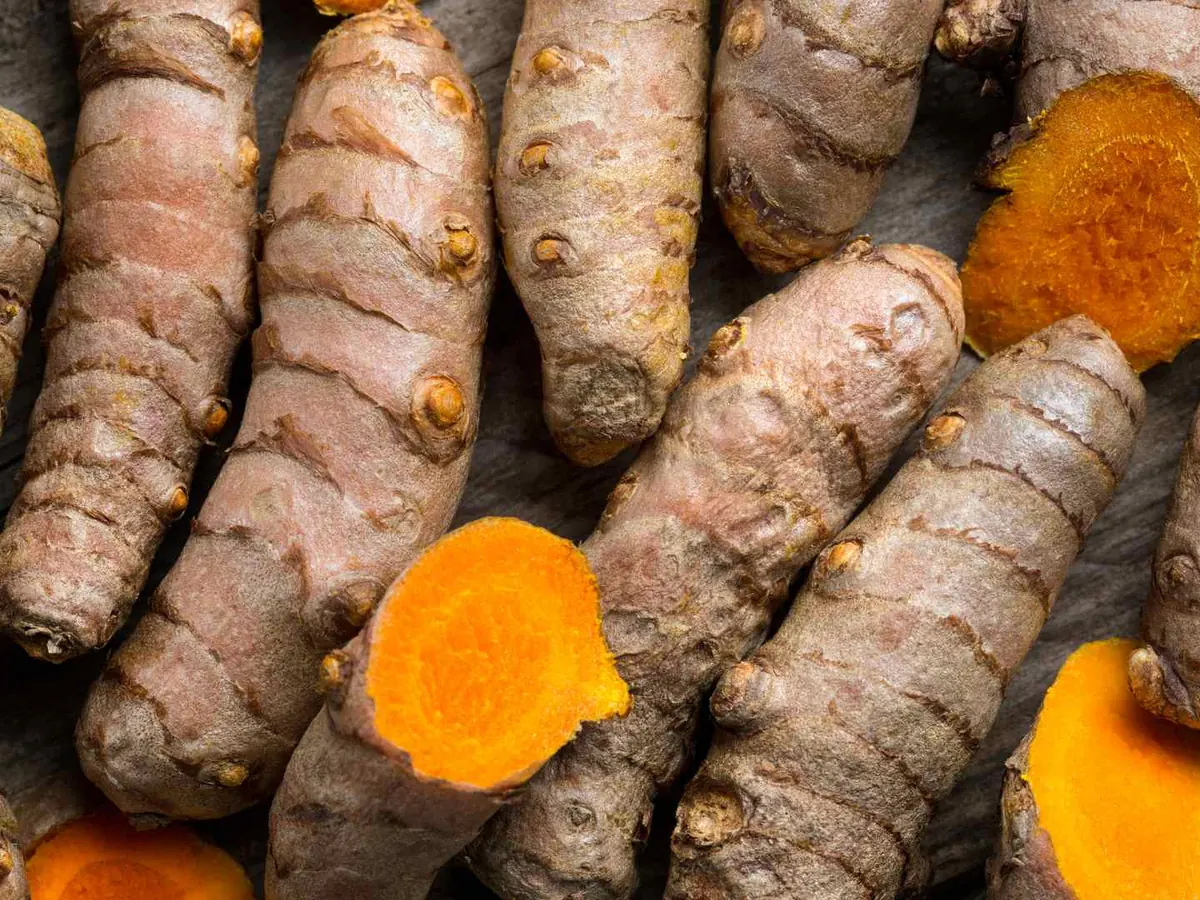
Fresh rhizome is dense and fibrous, so a swallowed chunk can be harder to manage than a dusting of spice. Verify that the item was turmeric rather than another root, and report the dimensions of any missing piece.
A small chew may stain saliva and fur yellow without proving systemic poisoning. Repeated gagging, retching, vomiting, appetite loss, or abdominal discomfort after a chunk warrants veterinary evaluation for irritation or a foreign-body problem.
Curry is a mixture, not turmeric with a nickname
Curry powder and curry dishes may contain onion, garlic, chili, salt, dairy, coconut, raisins, stock, and many other spices. Compare the dairy component with our yogurt guide, but remember that the cat’s risk cannot be read from turmeric’s position in the ingredient list alone.
Use the site’s mixed-dish safety guide as a model for checking every component. If garlic or onion appears, the Merck allium review explains why delayed feline red-cell injury deserves prompt advice.
Golden milk is mostly a beverage investigation
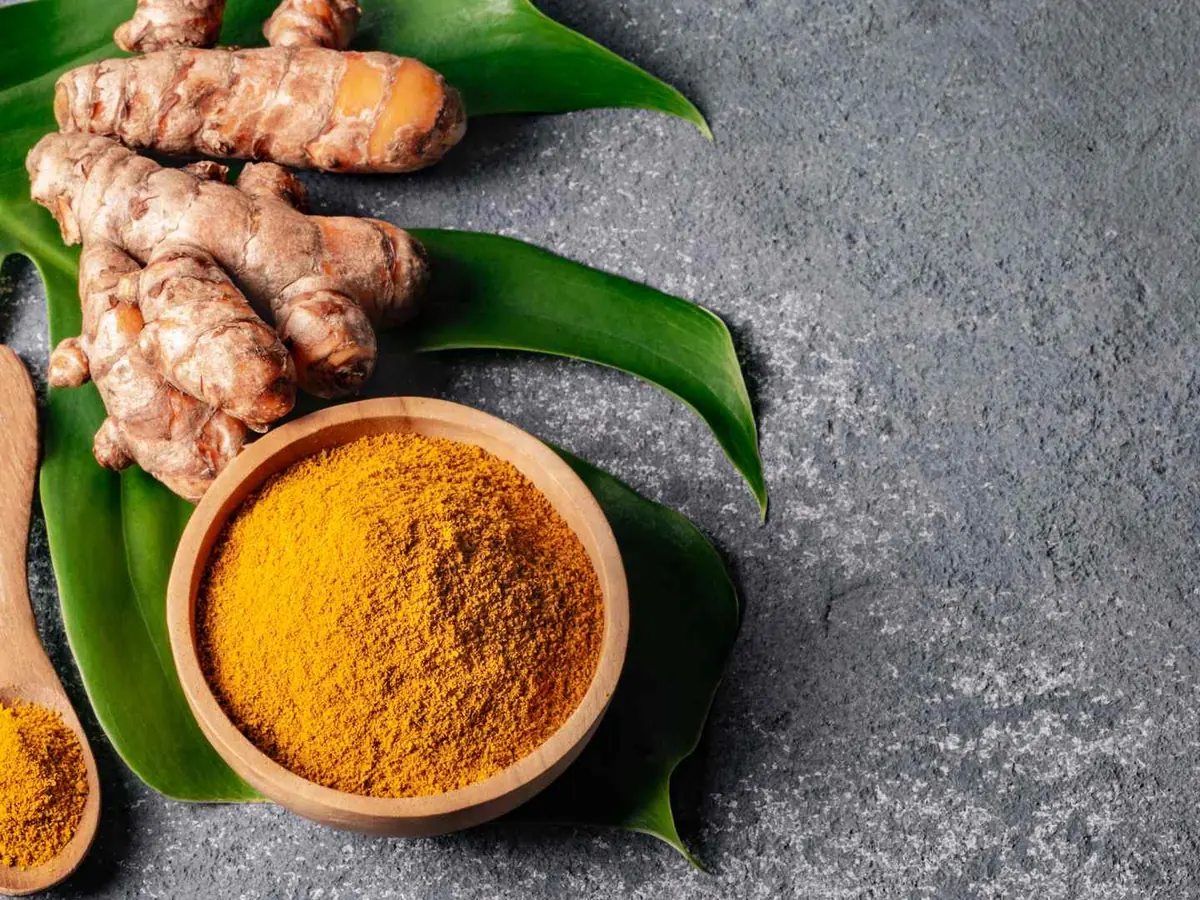
Recipes may include cow’s milk or plant milk, sweetener, black pepper, cinnamon, ginger, coconut oil, and concentrated turmeric. A café version may use syrups or premixed powder whose complete formula is not visible at the counter.
Check our milk guide for dairy tolerance, then return to the whole drink. A saucerful should not be called safe merely because each ingredient sounds familiar in isolation.
Black pepper changes absorption claims, not the need
Human supplements often combine curcumin with piperine from black pepper to alter bioavailability. That feature is not proof of feline safety, and it makes copying a human dose even less defensible.
Report the full supplement facts panel, including proprietary blends and excipients. A veterinarian may need to consider medications, liver or gallbladder disease, bleeding risk, gastrointestinal history, and the actual amount swallowed.
Capsules, gummies, and tinctures carry supporting casts
Capsules can include multiple botanicals, minerals, oils, and absorption enhancers, while gummies may contain sugar, sugar alcohols, flavors, or other active ingredients. Tinctures can include alcohol, glycerin, or concentrated extracts.
Count what is missing and check packaging, especially desiccants and child-resistant caps. Do not wait for symptoms after several units vanish, because product-specific triage is more useful while the label is available.
Essential oil is not concentrated seasoning
An essential oil or fragrance blend should be treated as a concentrated product with dermal, inhalation, and oral routes. Cats groom their coats, so a topical spill rarely stays only on the skin.
Prevent licking and contact a veterinarian or poison service for decontamination advice. Do not apply another oil, solvent, vinegar, or essential oil in an attempt to dissolve the first one.
Medication interactions are not internet arithmetic
Concentrated turmeric or curcumin may be discussed in relation to clotting, glucose, gastrointestinal effects, or drug metabolism, but the clinical relevance depends on product and patient. A cat taking anticoagulants, diabetes medication, chemotherapy, anti-inflammatory drugs, or multiple prescriptions deserves clinician review before supplementation.
Stopping prescribed medicine to make room for a supplement is not a safe experiment. Bring the product to the veterinarian or send clear photographs of every label panel.
Quality and contamination remain product questions
Supplements do not become uniform because they share a plant name. Ingredient identity, strength, microbes, heavy metals, adulterants, storage, and batch consistency can vary, and a certificate offered by a seller should be read critically.
The FDA advises consumers that it generally does not approve dietary supplements before marketing on its dietary supplement overview. A human-market bottle therefore should not be treated as a preapproved veterinary drug.
Food coloring can make symptoms harder to read
Turmeric stains fur, fabric, vomit, and stool a vivid yellow, which can be alarming and may obscure blood or other material. Photograph unusual output in good light and tell the clinic about the pigment exposure.
Yellow staining is not the same as jaundice, which affects tissues such as the whites of the eyes and gums and needs veterinary assessment. Do not use a spice spill to explain away true color change in the cat.
Daily feeding can unbalance a good diet
A pinch may look nutritionally invisible, but daily add-ons accumulate and teach a cat to expect altered meals. Supplements can also contribute ingredients without meeting the standards of a complete feline ration.
Cornell’s cat nutrition guide notes that supplements are usually unnecessary with a balanced complete diet. Use the cat’s measured normal food or an approved treat to create ritual without turning dinner into a spice cabinet.
What to do after a minor culinary taste
- Remove the dish and close the spice container.
- Check whether the food contained onion, garlic, chili, alcohol, dairy, or other additions.
- Estimate the amount and record when the cat reached it.
- Gently remove loose dry powder from nearby surfaces without making it airborne.
- Offer normal food and water, then monitor as the veterinary team advises.
Do not induce vomiting with peroxide or salt, and do not give oil or milk as an antidote. A tiny plain-food exposure may need only observation, while powders in the airway, supplements, essential oils, or symptoms justify a call.

When the case is no longer minor
Seek urgent care for breathing difficulty, collapse, tremors, seizures, repeated vomiting, severe lethargy, eye injury, or inability to keep water down. Call promptly for an unknown quantity, multiple capsules, a tincture, essential oil, mixed product, or a cat with relevant disease.
Give the veterinary team the cat’s weight, medications, diagnoses, product strength, ingredients, amount, time, and signs. “Some turmeric” is not enough to distinguish a spice fleck from a concentrated multi-ingredient supplement.
Frequently asked questions
Is turmeric toxic to cats?
A trace culinary exposure is not recognized as a classic feline poisoning emergency, but concentrated products and safe doses are poorly defined. Judge supplements, oils, and mixtures by their exact labels.
Does turmeric help feline arthritis?
There is not enough reliable clinical evidence to recommend kitchen turmeric as an effective feline arthritis treatment. Ask a veterinarian about pain control with established dosing and monitoring.
Can cats have turmeric and black pepper?
Do not give that combination as a homemade supplement. Piperine is used to alter absorption in some human products, which does not establish a safe feline formula.
What if my cat licked curry?
Review the complete recipe for onion, garlic, chili, salt, fat, dairy, and raisins, then call based on the ingredients and amount. Curry is not a single-spice exposure.
Can turmeric go on a cat’s skin?
Avoid applying culinary paste or human cosmetics because cats groom and damaged skin needs diagnosis. Use only a product specifically directed by the cat’s veterinarian.
Bottom line
Treat a spice fleck, fresh-root chunk, curry, latte, supplement, tincture, and essential oil as different cases. Turmeric’s laboratory reputation does not establish a feline health benefit or dose, so keep routine care evidence-based and let the exact product guide any accidental-exposure response.