Can Cats Eat Apricots? Safe Flesh, Dangerous Pit, Clear Next Steps
A tiny taste of ripe apricot flesh, fully separated from the pit, stem, and leaves, is not expected to poison a healthy cat. The stone and other plant parts are the real toxicology concern, while large pieces, dried fruit, preserves, and kernel products introduce different risks.
The fruit bowl decision in thirty seconds
If your cat licked or ate a pea-sized bit of plain ripe flesh, remove the fruit and monitor appetite, energy, breathing, vomiting, and stool. Return to the normal diet rather than offering extra food to dilute it.
If the pit is chipped, missing, or visibly chewed, call a veterinarian or animal poison service now. Make the same call for swallowed stems or leaves, apricot kernels, unknown amounts, homemade extracts, or any cat showing weakness, breathing difficulty, dilated pupils, collapse, or repeated vomiting.
Do not induce vomiting or give hydrogen peroxide, salt, oil, charcoal, or milk unless a veterinarian directs it. A hard stone may create a physical hazard, and an improvised remedy can complicate the safest treatment.
Apricot anatomy explains the mixed answers
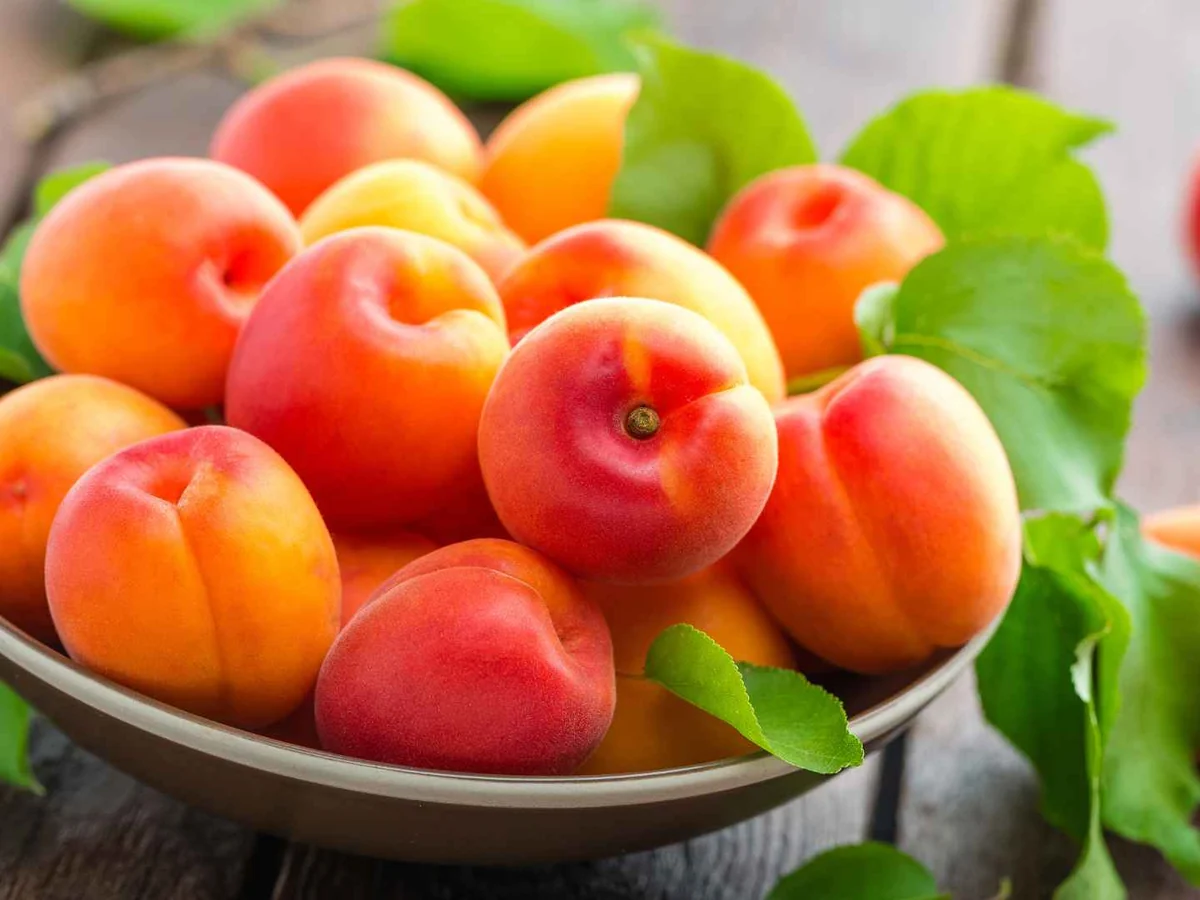
An apricot is a stone fruit in the genus Prunus, with soft edible flesh wrapped around a hard pit. Inside that pit sits a seed or kernel, which is not equivalent to the juicy orange part people normally eat.
The ASPCA’s apricot toxicology entry lists seeds, stems, and leaves as containing cyanogenic glycosides and identifies the plant as toxic to cats. It does not name the ripe flesh as the toxic principle.
Cyanogenic glycosides can release cyanide after plant tissue is damaged and metabolized. That is why a cracked or chewed kernel commands more attention than one lick of clean flesh, and why numerical reassurance from an unrelated species is unsafe.
The pit also has size, shape, and hardness working against it. It can lodge in the throat or gastrointestinal tract, injure teeth, or break into sharp pieces before toxicology even enters the conversation.
Signs linked to the toxic plant parts
ASPCA lists difficulty breathing, panting, dilated pupils, shock, and unusually bright red mucous membranes among possible signs of cyanogenic exposure. These are emergency signs, not symptoms to monitor through the next workday.
A cat may also drool, vomit, seem weak, become uncoordinated, or collapse after a serious exposure. Because deterioration can be rapid, call while gathering the package or plant sample instead of waiting to assemble a perfect history.
Tell the clinic whether the material was flesh, whole pit, broken pit, kernel, leaf, or stem and whether it was chewed. Include the time, possible amount, symptoms, cat’s weight, health conditions, and any medication.
A whole pit is still urgent without poisoning signs
A swallowed pit may obstruct the stomach or intestines, particularly in a small cat. The Merck Veterinary Manual describes vomiting, appetite loss, lethargy, and abdominal pain as common obstruction signs.
Do not assume the pit will pass because it looks smooth, and do not feed a bulky meal to push it through. Imaging and next steps depend on its location, size, time since ingestion, and the individual cat.
If your cat coughs, gags, paws at the mouth, breathes noisily, or cannot move air normally, seek emergency care immediately. Never blindly sweep fingers deep into the mouth, where you can push an object farther or be badly bitten.
If you intentionally offer ripe flesh
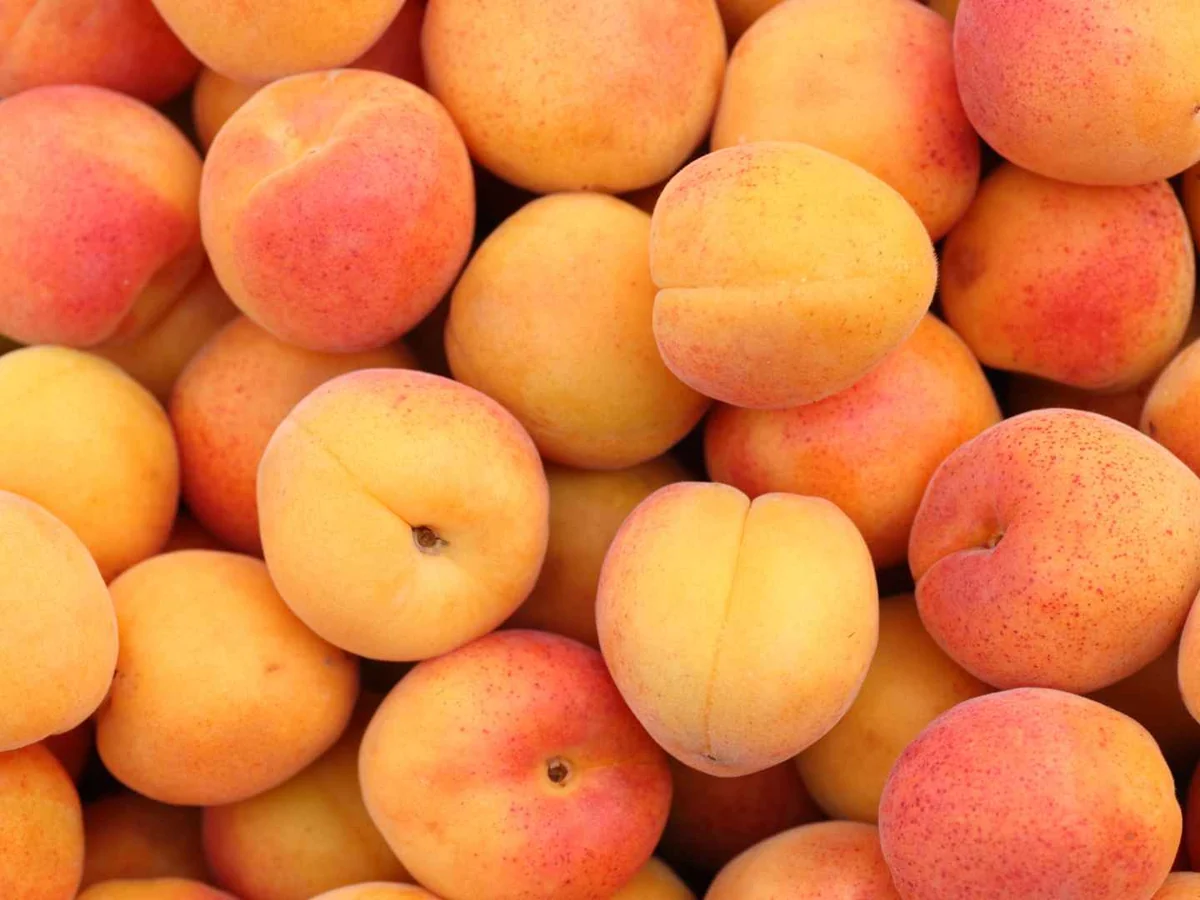
There is no nutritional reason to introduce apricot, but a curious healthy adult can have one minced morsel if your veterinarian has not restricted extras. Wash the intact fruit, cut it away from the stone, and inspect the piece carefully for shell fragments.
The FDA advises rinsing produce under running water, drying it cleanly, and avoiding soap or detergent. Discard rotten or moldy fruit rather than trimming a cat-sized sample from a questionable apricot.
Keep the portion around pea size and offer it once, not as a bowl topping every day. Cats need complete, balanced feline food, and the Cornell Feline Health Center advises limiting treats so they do not displace essential nutrition.
Remove pits directly to a closed trash or compost container and wipe the cutting area. A rolling apricot stone has exactly the toy-like confidence needed to interest a cat who ignored the fruit itself.
Dried apricots are not tiny fresh apricots
Drying removes water and concentrates sugar, calories, and chewy texture into a small piece. A strip can be swallowed in a rubbery lump, and several pieces represent much more fruit than their size suggests.
Some dried apricots are preserved with sulfites, while snack mixes may contain raisins, chocolate, nuts, or sweetened pieces. Read the entire ingredient list and treat a mixed bag exposure according to its most concerning component.
A tiny accidental nibble of plain, pitted dried apricot is usually handled by monitoring, but there is no advantage to offering it deliberately. A moist cat treat fits feline chewing and nutrition far better.
Canned fruit, jam, pastries, and sauces
Canned apricots often sit in juice or heavy syrup, adding a sweet liquid that a cat does not need. Plain water-packed fruit without stones is less complicated, yet a small fresh morsel remains easier to inspect and portion.
Jam and preserves concentrate sugar and may include lemon, spices, alcohol, or alternative sweeteners. A lick of ordinary apricot jam is generally a stomach-monitoring event, but a sugar-free or specialty recipe requires label review.
Apricot pastries combine butter, dough, sugar, and sometimes chocolate or raisins, so the fruit cannot answer the safety question alone. Our butter guide helps explain the rich-food part of the problem.
Savory apricot glazes can contain onion, garlic, wine, hot peppers, or concentrated salt. Keep the recipe or restaurant ingredient list available and call if an allium, alcohol, or other hazardous addition may have been consumed.

Apricot kernels and kernel oil deserve special caution
Apricot kernels may be marketed as bitter kernels, seeds, snacks, flavoring, supplements, or a source of amygdalin. Natural branding does not remove cyanide potential, and cats should not receive kernels in any form.
Pure highly refined topical oil is not the same exposure as chewed raw kernels, but licking a cosmetic blend brings the complete ingredient list into play. Essential oils, fragrances, and carrier oils can change the assessment, so contact a veterinarian with the label.
Do not use apricot kernel products as home cancer treatment, parasite treatment, or a nutritional supplement for a cat. Any therapeutic claim should be evaluated by the veterinarian responsible for the cat’s actual diagnosis.
Fresh fruit from a tree is not automatically cleaner
Backyard fruit may carry soil, microbes, pesticides, mold, insects, or fallen leaves and stems. Windfall apricots can ferment, and damaged stones are easier for a determined animal to access.
Fence off fallen fruit if a cat uses the yard or enclosed patio, and collect drops promptly. Never let cats chew pruned branches, wilted leaves, or ornamental Prunus material while you decide whether the tree produced edible fruit.
Other stone fruits have the same need for part-by-part thinking without being identical exposures. The site’s plum overview and cherry overview help identify common pit hazards, but dog-specific conclusions should never substitute for feline advice.
Which cats should avoid even the flesh?
Skip apricot for kittens, cats with diabetes, obesity, chronic gastrointestinal disease, swallowing trouble, dental pain, previous obstruction, or a veterinarian-prescribed diet. Their needs make an optional sugary fruit a particularly poor experiment.
A cat taking medication may also need tighter food consistency or may be vulnerable to vomiting and appetite disruption. Ask the treating clinician before adding unfamiliar human foods during illness or recovery.
Individual tolerance cannot be predicted from enthusiasm. A cat can beg magnificently for a food that causes diarrhea five hours later, which is one reason first portions must stay genuinely small.

What the veterinary team may need from you
Do not spend precious time searching for a perfect toxicity calculation. Put the cat in a secure carrier, collect the remaining fruit or product, and make a short timeline that includes the last moment the pit was definitely intact.
Photograph fracture marks on a recovered stone and count any loose kernels, leaves, or stems. If vomiting occurred, note what came up without handling the material more than necessary.
The veterinarian may recommend observation, examination, imaging, decontamination, oxygen support, or other care depending on the exposure. Those choices cannot be made accurately from fruit name alone, which is why early communication beats waiting for a dramatic symptom.
FAQ
Is apricot flesh toxic to cats?
Ripe flesh separated completely from the pit, stem, and leaves is not the toxic part identified by ASPCA. It can still cause digestive upset and contributes unnecessary sugar, so keep any taste tiny.
What should I do if my cat licked an apricot pit?
An intact lick is different from chewing, but inspect the pit and call if it is cracked, chipped, or missing material. Report any drooling, vomiting, weakness, breathing change, dilated pupils, or unusual gum color urgently.
Can cats eat dried apricots?
A tiny piece of plain pitted dried fruit is not expected to cause cyanide poisoning, but it is concentrated, sugary, and chewy. Avoid offering it and inspect mixed snack ingredients after any theft.
Are apricot tree leaves dangerous to cats?
Yes, ASPCA includes apricot leaves and stems among cyanogenic plant parts. Remove access and contact a veterinarian or animal poison service when ingestion is suspected.
Bottom line
Plain ripe apricot flesh can be a low-risk, tiny taste, but the pit, kernel, leaves, and stems are off limits. Identify the exact part, call promptly for plant-part or stone exposure, and choose a balanced cat treat when you simply want to share something nice.