Can Cats Eat Sauerkraut? Sodium, Alliums, Fermentation, and Spoilage
Do not make sauerkraut a cat treat. One tiny lick of plain cabbage and brine may cause no trouble, but high sodium, garlic or onion, spice, fermentation by-products, rich companion foods, spoilage, and jar hardware can turn the same-looking forkful into a more urgent problem.
Save the jar and reconstruct the forkful
Read the ingredient panel and Nutrition Facts, including the serving size used for sodium. Determine whether the cat ate drained cabbage, drank brine, licked a plate, stole a hot dog topping, or entered a homemade fermentation crock.
Record the amount, time, brand, lot, storage history, and every addition. Look for garlic, onion, caraway, chile, alcohol, sausage, mustard, sweetener, and missing glass, lids, clips, weights, or plastic film.
Call promptly for alliums, substantial brine, an unknown homemade batch, repeated vomiting, weakness, disorientation, tremors, seizures, breathing trouble, pale gums, dark urine, or swallowed hardware. Do not induce vomiting.
Plain fermented cabbage is optional, not toxic by definition
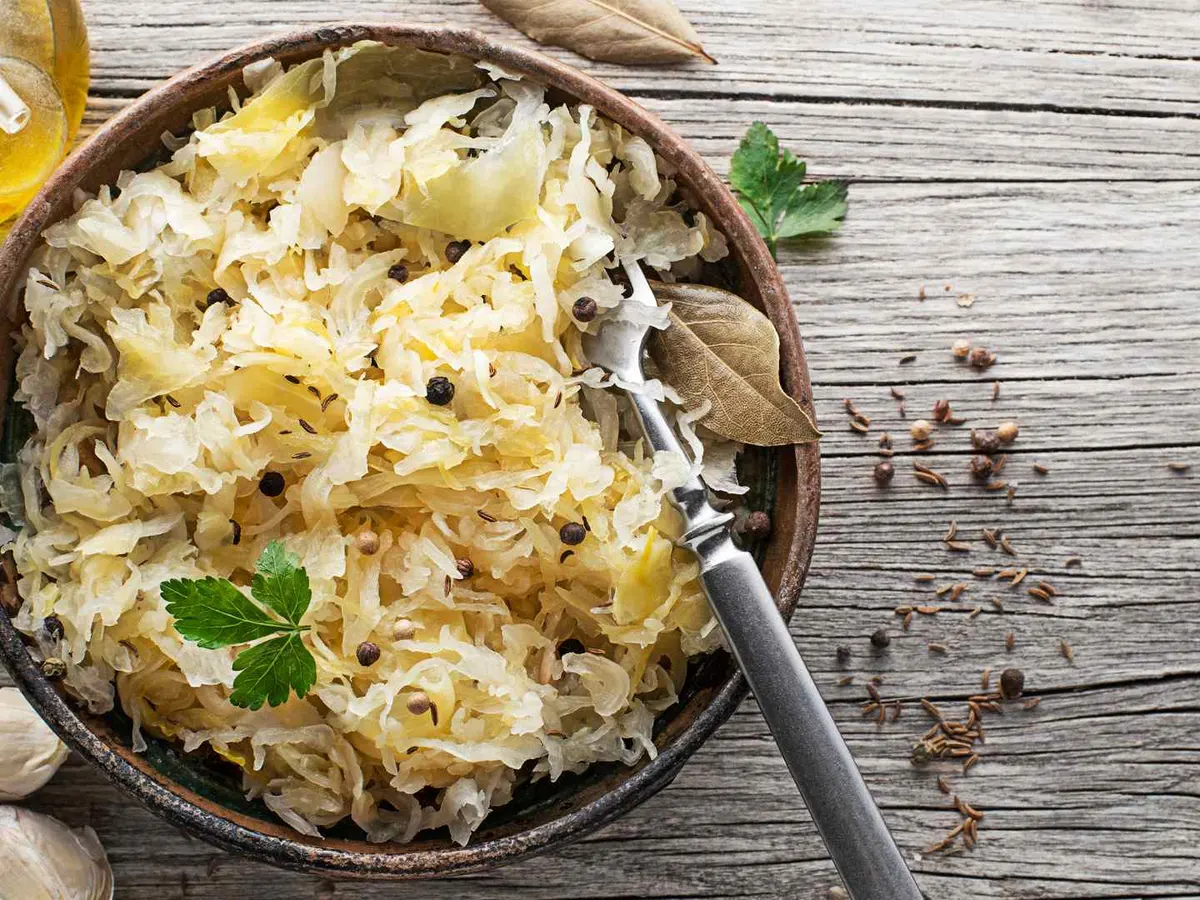
Correctly fermented cabbage is not automatically poisonous to a cat, and a tiny accidental shred may pass without incident. It remains salty, acidic people food that supplies no needed advantage over a complete feline diet.
The cat cabbage guide covers plain fresh and cooked cabbage. Fermentation adds salt, acidity, storage, and product-specific ingredients.
If a healthy adult ate one clean, plain shred, remove the jar and watch rather than serving more as an experiment. Call if vomiting, diarrhea, abdominal discomfort, or appetite loss develops.
Sodium is the everyday concern
Salt draws moisture from shredded cabbage and helps select the microbes that drive traditional fermentation. The finished food and especially its brine can contain far more sodium than a cat needs from a snack.
The FDA Nutrition Facts guide explains how serving size relates to listed sodium. Do not turn a human serving into a feline safe amount.
Severe salt poisoning generally involves a meaningful exposure, not one damp strand. Marked thirst, vomiting, weakness, confusion, tremors, seizures, or collapse after significant brine ingestion is urgent.
Drained, rinsed, and low-sodium versions
Draining removes some surface liquid but does not take all salt or seasoning out of the cabbage. Rinsing may reduce more, yet it does not make sauerkraut nutritionally useful or erase garlic that fermented in the batch.
Low sodium is a regulated human label claim, not permission to feed a cat. Compare the current label and consider the cat’s medical diet.
A veterinarian may recommend specific fiber in a particular case, but random fermented cabbage is not a precise fiber prescription. Amount, water intake, diagnosis, and total diet matter.
Garlic, onion, and chives can be hidden
Flavored sauerkraut may contain garlic, onion, scallion, leeks, or chives, while restaurant recipes may add them without displaying a retail label. Cats are especially susceptible to red blood cell injury from Allium plants.
The cat onion guide explains delayed anemia concerns. Call with the recipe rather than waiting for weakness.
Pale gums, rapid breathing, dark urine, profound fatigue, or collapse needs urgent care. The acidic brine does not neutralize allium compounds.
Caraway, juniper, pepper, and chile
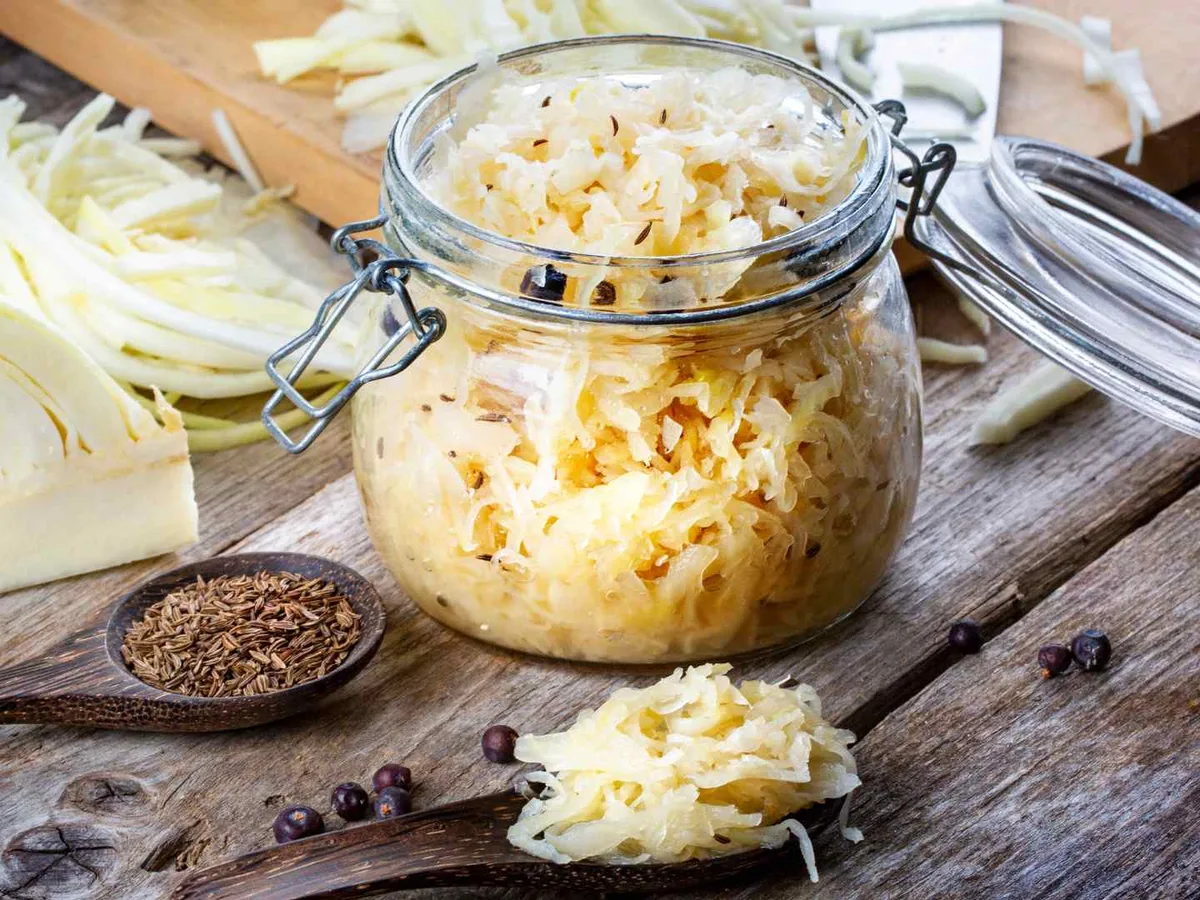
Caraway seeds, juniper berries, mustard seed, peppercorns, chile flakes, bay leaves, and spice blends appear in specialty kraut. Whole hard pieces can be awkward to swallow, while hot spice may irritate the mouth, eyes, and gut.
Drooling, pawing at the mouth, coughing, squinting, vomiting, or diarrhea deserves advice when persistent. Milk is not a reliable treatment for chile irritation and may add digestive upset.
Unknown berries or foraged additions require exact identification. A charming farmers-market label is not a substitute for an ingredient list.
Fermented does not mean probiotic medicine
Live-culture sauerkraut is promoted to people as a fermented food, but strains, counts, storage, and clinical effects differ among products. Human microbiome claims do not create a proven feline dose.
The FDA supplement overview is a reminder that health claims and product categories need scrutiny. For a cat with diarrhea, ask about veterinary probiotics formulated and studied for animals.
Fermented cabbage should not treat constipation, inflammatory bowel disease, antibiotic-associated diarrhea, or immune disease at home. Those conditions need diagnosis and an appropriate plan.
Homemade fermentation needs a complete history
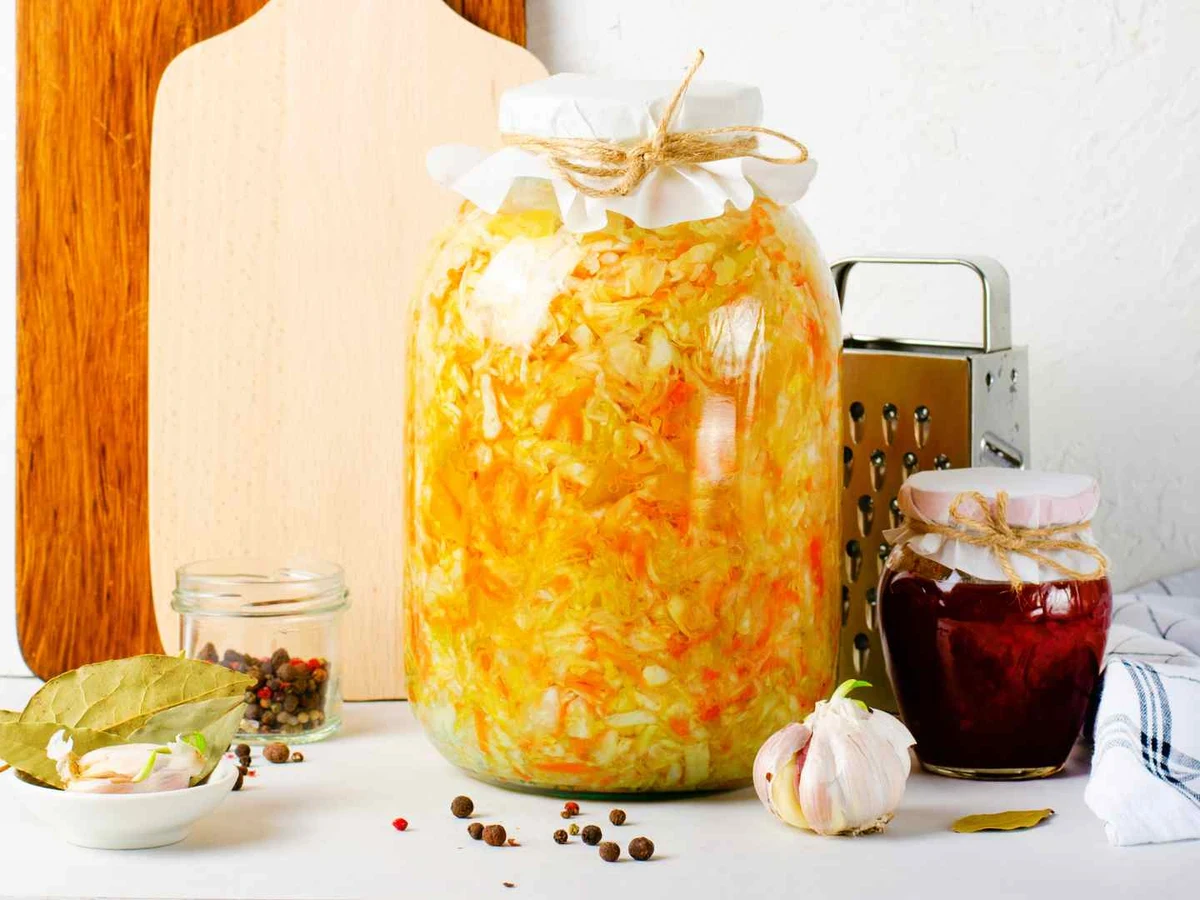
A home crock may contain only cabbage and salt, or it may include onion, garlic, fruit, spices, starter liquid, wine, or improvised ingredients. Write down weights and batch volume if a cat gets into it.
Successful vegetable fermentation depends on salt concentration, acidity, temperature, oxygen control, and cleanliness. A bubbling jar is not automatically safe, and a quiet jar is not automatically failed.
The National Center for Home Food Preservation’s sauerkraut guidance gives research-based human food-safety methods. It does not endorse feeding the product to cats.
Weights, airlocks, and broken jars
Fermentation setups can include glass weights, ceramic pieces, springs, silicone valves, rubber gaskets, cloth, string, and screw bands. Brine makes every part smell interesting.
Count the equipment before sweeping. A missing glass chip, spring, or gasket is an urgent foreign-object question even when the cat has no digestive signs.
Leave any string or plastic emerging from the mouth or anus alone and seek veterinary direction, because material may be anchored internally. Keep the cat away from broken glass and bag cleanup materials securely.
Normal fermentation and spoilage are not twins
Fermented foods can smell sour by design, so odor alone may be difficult for a novice to interpret. Unusual color, fuzzy growth, putrid odor, sliminess outside the expected texture, leaking packages, or a lost seal calls for cautious disposal.
Some molds can make neurologic toxins, while harmful bacteria do not always announce themselves visually. Repeated vomiting, severe diarrhea, marked lethargy, tremors, high body temperature, or seizures needs veterinary help.
Do not scrape a questionable layer off and offer material from below to a pet. When in doubt, close the batch and keep it out of compost and trash raids.
Refrigerated, canned, and shelf-stable products
Refrigerated raw-style kraut may contain live organisms, while heat-processed jars and cans have different storage directions. Follow the product after opening instead of applying one rule to every package.
Bulging lids, spurting contents, leaks, broken seals, or badly damaged cans are reasons not to taste the food. Secure it while checking manufacturer or food-safety guidance.
Transfer leftovers only when the label recommends it and use a clean utensil. A fork that touched raw meat should not return to the jar.
Hot dogs, bratwurst, and Reuben sandwiches
Sauerkraut is often attached to salty processed meat, cheese, buttery bread, mustard, dressing, onions, and toothpicks. The companion food may be more consequential than the cabbage.
The cat hot-dog guide covers fat, sodium, alliums, choking, and packages. Photograph the entire plate before cleanup.
Whole sausage pieces can obstruct the airway, and skewers can puncture tissue. Breathing distress or a missing pick requires emergency direction.
Pork, bacon, kielbasa, and drippings
Kraut may simmer with bacon, pork fat, smoked sausage, broth, beer, garlic, or onion. Rich drippings can trigger digestive upset, and bones may hide under the cabbage.
Do not rinse the meat and serve it after cooking in seasoned kraut. Salt and flavorings travel through the dish.
Call for persistent vomiting, abdominal pain, lethargy, or food refusal rather than diagnosing pancreatitis from the kitchen. One bite is not an instant diagnosis.
Beer, wine, and cocktail kraut
Some recipes cook sauerkraut with beer, cider, wine, or spirits. Heating can reduce alcohol but does not provide a reliable home guarantee of zero remaining ethanol in every preparation.
Weakness, wobbliness, unusual sleepiness, vomiting, low body temperature, slow breathing, or collapse after alcohol exposure is urgent. Report the beverage strength, amount used, cooking time, and portion eaten.
The cat beer guide helps separate ethanol exposure from hops, containers, and mixed foods. Do not wait for obvious drunken behavior.
Sweet sauerkraut and sugar substitutes
Apple, brown sugar, maple syrup, dried fruit, sweet relish, and commercial sweeteners can soften kraut’s acidity. Extra sugar adds calories without feline benefit.
Xylitol is a well-established canine hazard, while equivalent severe feline toxicity has not been demonstrated. Avoid transferring a dog dose, yet call about an unfamiliar sweetener because label context and other ingredients still matter.
Dried grapes in a recipe create feline uncertainty that deserves professional review. Preserve the package rather than guessing which fruit disappeared.
Brine on fur, paws, and floors
A knocked jar can coat paws with salty acidic liquid, leading to more ingestion during grooming. Keep the cat from licking while you call for cleaning advice if the spill was substantial or heavily seasoned.
For a tiny plain smear, a damp cloth may be enough to remove surface residue, but eye exposure and damaged skin deserve guidance. Do not neutralize acid with household chemicals on the cat.
Mop the floor with a pet-safe method and collect every glass fragment. Move food and water bowls before cleaning so brine and detergent do not splash into them.
Cats with kidney, heart, or urinary disease
Prescription diets manage nutrients and consistency for specific illnesses. Salty fermented vegetables can undermine the plan and confuse changes in thirst, urine, stool, or blood pressure.
Do not use sauerkraut as a medication vehicle. A cat may lick brine around the tablet, refuse the pill, and still consume sodium.
Ask the treating team about any human food addition, especially when fluid balance matters. A pet-safe probiotic or fiber plan should be selected for the actual diagnosis.
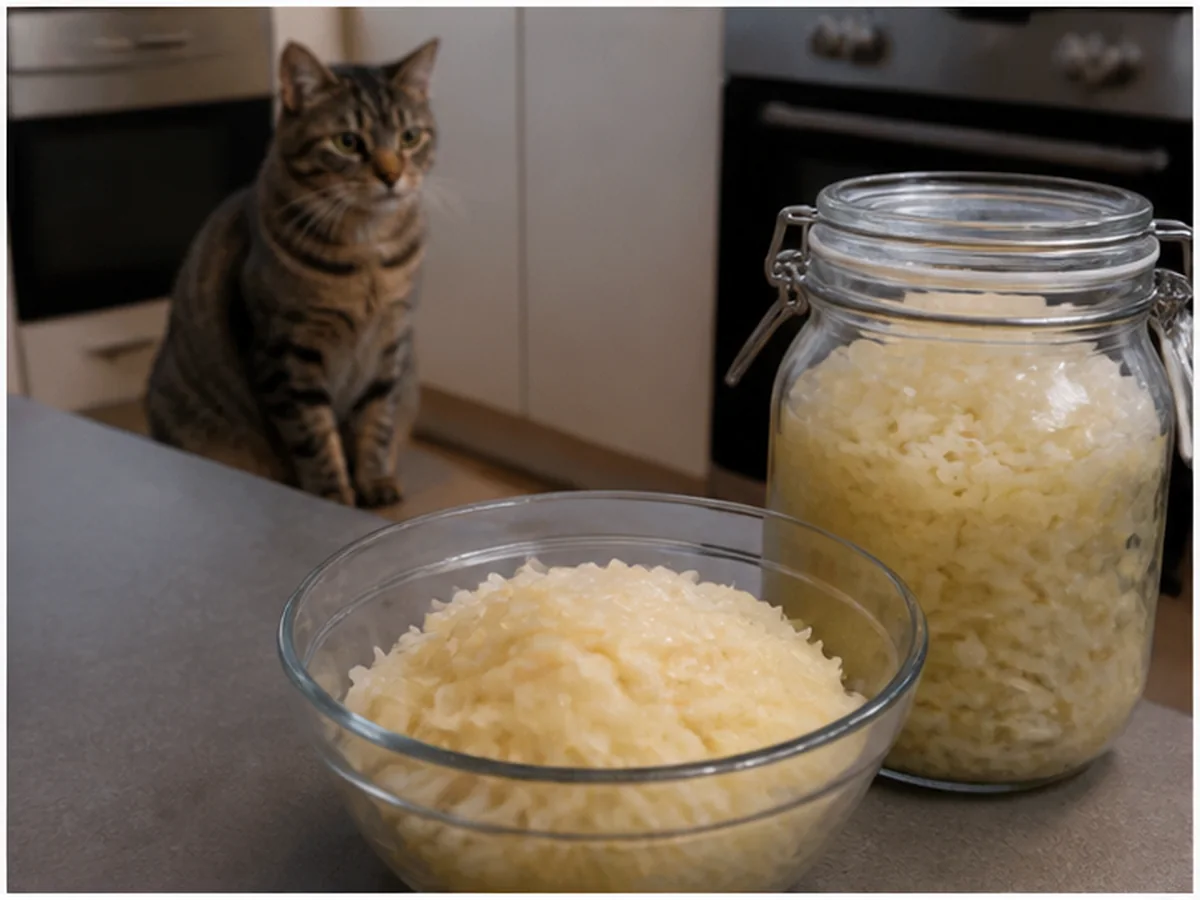
Monitoring one known plain shred
For a healthy adult that ate one tiny piece from a correctly stored, allium-free product, continue normal meals and fresh water while watching appetite, thirst, vomiting, diarrhea, comfort, energy, balance, breathing, and gum color. Keep the jar label.
Call if signs appear, if the amount was larger, or if the recipe changes on closer inspection. Kittens, seniors, and cats with chronic illness merit faster advice.
Prevent the sequel by transferring kraut with the cat out of the kitchen, closing the jar immediately, and clearing plates before the household comedian arrives to lick them.
FAQ
Can cats eat plain sauerkraut?
A tiny accidental shred may be low risk for a healthy cat, but sauerkraut is salty, acidic, nutritionally unnecessary, and unsuitable as a routine treat.
Are probiotics in sauerkraut good for cats?
Human fermented-food claims do not establish a feline dose or treatment effect. Ask a veterinarian about a cat-specific probiotic for a diagnosed problem.
What if the sauerkraut contains garlic or onion?
Call promptly with the recipe, amount, and timing because cats are unusually susceptible to delayed red blood cell injury from alliums.
Can I rinse sauerkraut for my cat?
Rinsing may remove some surface brine but cannot erase all salt, absorbed seasonings, or a medically inappropriate recipe, so there is no reason to serve it.
Bottom line
A tiny plain sauerkraut shred is usually an observation question, not a wellness strategy. Sodium, alliums, homemade fermentation, spoilage, alcohol, rich companion foods, and jar equipment determine when a stolen bite needs prompt veterinary help.