Can Dogs Eat Guava? Flesh, Seeds, and Rind
Yes, dogs can have a little ripe, plain guava flesh. Wash it, remove the stem, cut away spoiled areas, and serve bite-size pieces without syrup or seasoning.
The seeds and rind are not known canine poisons, but removing them makes the fruit easier to chew and reduces unnecessary texture and stomach upset.
Start with a simple guava
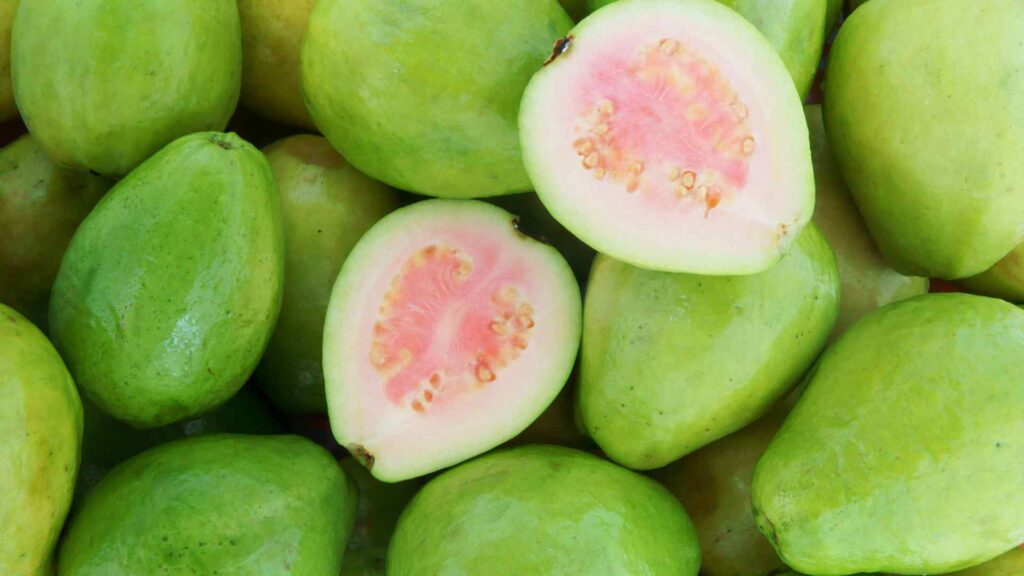
The best candidate is a ripe, fresh guava that you would eat yourself. It should smell fresh, yield slightly rather than feel mushy, and show no leaking, fermentation, or fuzzy mold.
Wash the whole fruit before cutting because a knife can carry dirt from the surface into the flesh. The FDA recommends rinsing produce under running water without soap, then cutting away damaged or bruised areas.
How to prepare it
- Rinse the intact fruit under cool running water and dry it with a clean towel.
- Remove the stem, blossom end, rind, and any visibly damaged or moldy section.
- Scoop out the firm seed mass when practical, especially for a small dog or a fast gulper.
- Cut the soft flesh into pieces sized for the individual dog, then offer one piece first.
- Refrigerate cut fruit promptly and discard it if it smells fermented, feels slimy, or develops mold.
Do not wash fruit with dish soap, bleach, or produce disinfectant unless the product is specifically approved for that use. Dogs do not need a chemically scrubbed snack, and residues can create a new problem.
What about the seeds?
Guava contains many small, hard seeds. They are not established as a canine toxin, so finding a few in a small ripe piece is not the same emergency as a chewed stone-fruit pit.
Still, there is no advantage to serving a dense seed core. Hard seeds can be awkward for dogs with poor teeth, swallowing trouble, a sensitive gut, or a habit of inhaling food, so scoop out what you reasonably can.
The rind is edible but optional
Ripe guava rind is not generally treated as poisonous, yet it is firmer and more fibrous than the flesh. A peeled piece is easier to portion and removes wax, grime, and surface damage that washing might not fully solve.
A dog that steals one washed rind strip may simply need observation if breathing and swallowing are normal. A large tough piece, repeated gagging, abdominal pain, or persistent vomiting deserves veterinary advice.
How much is sensible?
There is no universal guava serving table because dogs differ in size, health, diet, and digestive tolerance. Begin with one small piece, and do not keep adding fruit just because the first bite disappeared instantly.
The UC Davis School of Veterinary Medicine recommends keeping treats below 10 percent of daily calories. That allowance includes every snack, chew, table scrap, and training reward, not ten percent for each item.
Guava is a treat, not a supplement
Guava contains nutrients in human food tables, but that does not make it a vitamin prescription for dogs. A complete dog food is formulated to supply essential nutrients in appropriate proportions, while extra fruit can displace that balance.
Do not use guava to treat dehydration, constipation, diarrhea, poor immunity, skin disease, or low vitamin levels. Those conditions have many causes, and adding fruit may hide symptoms or worsen an unsettled stomach.
Dogs that need a more cautious answer
Puppies, very small dogs, seniors, and dogs with dental or swallowing problems need smaller, softer pieces and closer supervision. A dog recovering from abdominal surgery or living with chronic intestinal disease may need to avoid new produce entirely until the treating veterinarian approves it.
Food allergy is possible with almost any protein-containing food, but one loose stool does not diagnose an allergy. Stop the guava and seek urgent care for facial swelling, widespread hives, breathing trouble, weakness, or collapse.
Sugar and calorie context
The natural sugar in a small fresh piece is different from xylitol, but it still adds calories. Dogs with diabetes, obesity, a therapeutic diet, or a history of gastrointestinal disease should have new foods cleared with their veterinarian.
Dried guava, guava paste, nectar, and candied slices concentrate sugar into a much smaller volume. A piece that looks modest can contain far more fruit and added sugar than the same-size piece of fresh guava.
Choking is about shape and the dog
A soft cube can still be swallowed whole by an enthusiastic dog. Match pieces to chewing ability, supervise the first serving, and be especially careful with toy breeds, flat-faced dogs, seniors with dental disease, and dogs with swallowing disorders.
Coughing, frantic pawing at the mouth, repeated gagging, blue or gray gums, collapse, or obvious breathing difficulty is an emergency. Do not blindly sweep the mouth or push the food down with another bite.
Guava leaves, bark, and herbal products
A ripe fruit snack is not equivalent to guava-leaf tea, powdered leaves, bark, extract, tincture, essential oil, or a concentrated supplement. These products can deliver poorly defined amounts and may contain alcohol, caffeine, other herbs, medicines, or sweeteners.
Do not give guava-leaf remedies for diarrhea, blood sugar, dental disease, or infection without veterinary direction. The ASPCA notes that eating plant material can cause vomiting and gastrointestinal upset even when a plant is not considered toxic.
Pink, white, and strawberry guava
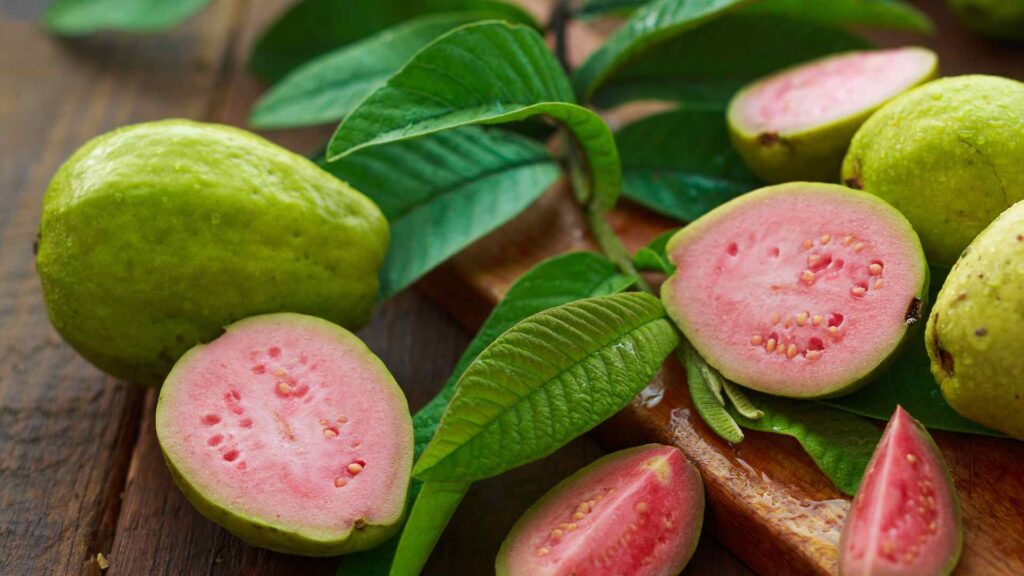
Pink-fleshed and white-fleshed common guavas can be handled the same conservative way when the fruit is correctly identified and ripe. Strawberry guava is a different species, so do not assume every ornamental berry called guava has identical evidence or preparation needs.
When the plant identity is uncertain, photograph the whole plant, leaves, fruit, and label rather than relying on a nickname. Nursery tags and regional common names can be misleading.
Guava juice and nectar
Commercial guava drinks may contain added sugar, grape juice, artificial sweeteners, dairy, caffeine, or other fruit concentrates. The word guava on the front does not describe the full product.
A lick of ordinary xylitol-free juice is usually less concerning than drinking a glass, but water remains the appropriate routine drink. Check the full ingredient list and Nutrition Facts panel before deciding what happened.
Sugar-free guava products
Check sugar-free gum, candy, drink mix, jam, and preserves for xylitol, which may also be marketed with terms such as birch sugar or wood sugar. The FDA advises immediate veterinary contact after possible xylitol ingestion because dogs can develop severe low blood sugar and liver injury.
Do not wait for weakness, wobbliness, vomiting, collapse, or seizures before calling. Save the package and estimate the amount missing so a professional can calculate the exposure from the actual formulation.
Guava paste, jam, and pastries
Guava paste is sticky and sugar-dense, while pastries may add butter, cream cheese, chocolate, raisins, macadamias, or raw dough. Our sugar guide explains why conventional sugar is not xylitol but still does not make sweets useful dog food.
Sticky pieces can also cling in the mouth or be swallowed with paper and foil. Count wrappers, skewers, toothpicks, liners, and portions after any bakery raid.
Fruit salad and mixed bowls
A plain guava cube can become risky in a fruit salad containing grapes, raisins, chocolate, alcohol, or xylitol-sweetened dressing. Separate the ingredients instead of treating the bowl as one generic fruit exposure.
For nearby choices, compare our guides to mango, pears, and oranges. Each fruit has different pits, seeds, peel, acidity, and product risks.
Mold, fermentation, and spoiled fruit
Do not feed fruit from the compost, a fallen fermenting pile, or a moldy refrigerator container. Spoiled fruit can cause digestive illness, and moldy food can expose a dog to tremorgenic toxins that are unrelated to guava itself.
Tremors, marked agitation, repeated vomiting, poor coordination, overheating, or seizures after scavenging spoiled food is urgent. Bring a photo or sample in a sealed container only if the clinic asks for it.
Storage matters after cutting
Refrigerate cut guava in a clean covered container and return it to the refrigerator soon after serving. Discard pieces left warm for hours, especially if they were mixed with dairy, handled repeatedly, or licked by people or animals.
Freezing plain pieces does not remove sugar or make a large chunk safe to gulp. Thaw a small piece until it is easy to bite, and never use a rock-hard frozen fruit cube as a dental chew.
What if my dog ate a whole guava?
Remove the remaining fruit and work out whether the dog swallowed the stem, a large rind, packaging, or spoiled material. Record the dog’s weight, the fruit size, time, symptoms, and relevant medical history.
A comfortable medium or large dog after one ripe fruit may only develop soft stool, but a tiny dog and a large hard fruit are a different physical exposure. Call for repeated vomiting, a swollen or painful abdomen, inability to keep water down, lethargy, repeated unproductive retching, or difficulty passing stool.
Do not induce vomiting at home
Do not give hydrogen peroxide, salt, oil, milk, bread, or activated charcoal unless a veterinarian specifically directs it for this exposure. Guava itself rarely justifies improvised treatment, and choking or packaging can make vomiting dangerous.
The FDA lists food bags, wrappers, skewers, pits, and other household items as pet hazards. Mention every missing nonfood item during the call.
Bottom line
A few peeled, seed-reduced pieces of washed ripe guava flesh can be an occasional treat for a healthy dog. Keep portions small, skip concentrated products and herbal remedies, check mixed foods for dangerous ingredients, and call when symptoms, packaging, uncertain plant identity, or a large exposure changes the picture.