Can Cats Eat Cranberries? Safe Forms and the UTI Reality
One or two plain, ripe cranberries are generally low risk for a healthy adult cat, but the fruit is tart, fibrous, and unnecessary. Dried sugar, sauce recipes, juice blends, supplements, sweeteners, packaging, and the mistaken idea that cranberry can treat feline urinary disease are the more useful concerns.
First, separate snack curiosity from urinary symptoms
If the cat merely stole a berry, identify fresh, dried, frozen, sauced, juiced, or supplemented form and check the label. If cranberry was offered because the cat is straining, visiting the box repeatedly, crying, or passing little urine, stop treating and seek care.
Male cats with possible urethral obstruction need emergency evaluation. A fruit bowl cannot restore urine flow, and waiting for a home remedy can be fatal.
- Emergency: repeated straining with little or no urine, especially in a male cat.
- Prompt appointment: blood, painful urination, frequent box visits, or new inappropriate urination.
- Simple food observation: one chopped plain berry with normal urination and no concerning signs.
A plain berry is optional, not medicinal
Fresh cranberry contains water, carbohydrate, fiber, acids, and plant compounds valued in human nutrition research. Cats have no established dietary requirement for cranberry fruit.
Cornell’s cat-feeding guidance places complete balanced food at the center and extras at the edge. One chopped berry can be a novelty, not a daily wellness assignment.
How to offer the least complicated taste
Wash a ripe firm berry, remove stem debris, cut it into several pea-sized pieces, and offer only one piece. Whole cranberries are round and can be gulped.
A cat that spits out the tart fruit has given a sensible review. Pick it up before it gathers lint, thread, or interest from another pet.
UTI, cystitis, stones, and blockage are different
Lower urinary signs can result from feline idiopathic cystitis, stones, plugs, infection, anatomic issues, stress, or other disease. Similar litter-box behavior does not reveal the cause.
The Cornell FLUTD overview explains the range and why diagnosis matters. Examination, urinalysis, imaging, culture, or blood work may be needed.
Do not acidify urine by guesswork
Cranberry is sometimes promoted as a urine acidifier, but feline urine targets depend on crystal type, diet, disease, and laboratory findings. Driving pH in the wrong direction can create a different mineral problem.
Therapeutic urinary foods manage moisture, minerals, calories, and urine conditions as a system. Adding fruit, extract, or acidifying supplement can interfere with that plan.
Infection claims need evidence
Cranberry products are discussed for reducing bacterial attachment in some human contexts, but that does not establish a reliable treatment or prevention dose for feline urinary infection. Bacterial infection is also not the cause of every cat’s urinary signs.
When infection is suspected, urine culture and sensitivity may guide antibiotics. Do not substitute cranberry or use leftover medication.
Fresh and frozen cranberries
Plain fresh or thawed fruit is the simplest form, provided it is washed, cut small, and free from mold. A hard frozen berry can hurt a tooth or lodge in the throat.
The FDA produce-safety guidance recommends running-water rinsing, clean tools, refrigeration, and no soap on food. Keep berries separate from raw meat juices.
Dried cranberries concentrate the serving
Removing water makes dried fruit chewy, calorie-dense, and easy to overfeed. Products commonly add sugar, oil, juice concentrate, sulfites, flavor, or other fruit.
A long sticky piece may be swallowed whole, and trail mix can add raisins, chocolate, macadamias, nuts, and packets. Read the complete bag.
Cranberry sauce is a recipe
Canned and homemade sauces can contain large amounts of sugar, orange zest, alcohol, spices, raisins, nuts, or sweetener. Whole-berry sauce still coats each fruit with the recipe.
Our guides to fruit, oranges, cherries, and honey help review common additions.
Juice removes the chewing barrier
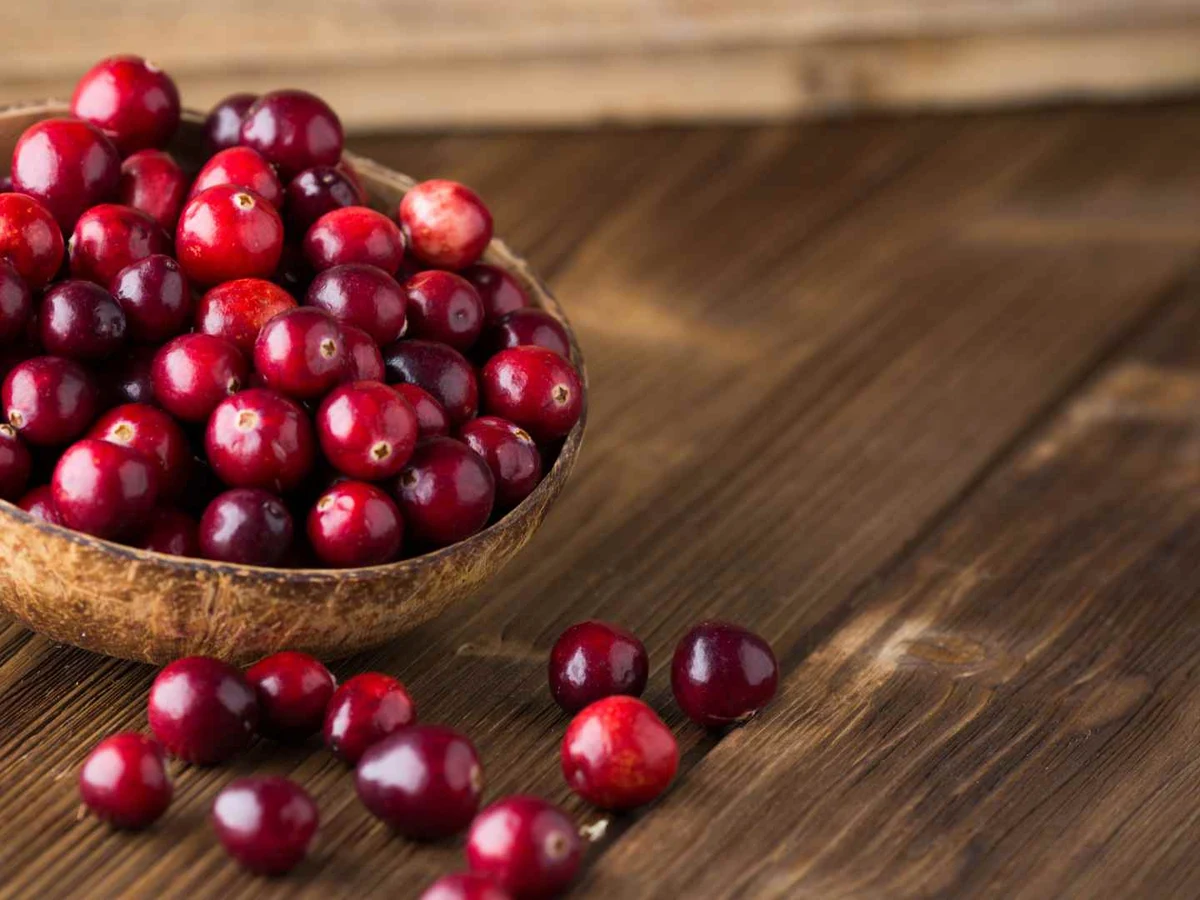
Cranberry cocktail can be sugary, while unsweetened juice remains acidic and nutritionally unnecessary. Blends may contain grape, apple, cherry, pomegranate, sweeteners, or supplements.
Water and moisture-rich complete food are more dependable hydration tools. A change in thirst or urine volume belongs in the medical history.
Sugar-free products and xylitol nuance
Xylitol’s severe hypoglycemia and liver-injury syndrome is well established in dogs, while the same pattern is not documented in cats. That difference should be communicated without turning uncertainty into approval.
The FDA xylitol warning documents the canine risk and product categories. Call with the full feline product label because other ingredients and packaging may determine care.
Capsules, powders, and urinary chews
Supplements can concentrate cranberry and combine it with methionine, herbs, probiotics, minerals, flavor, or sweetener. Human or dog dosing should never be copied to a cat.
Ask the treating veterinarian to review the exact product, medications, kidney function, urine results, and complete diet. “Natural” does not supply evidence or a feline dose.
Fiber and stomach tolerance
A small piece may cause nothing, while several tart fibrous berries can produce drooling, gas, vomiting, or loose stool. Individual tolerance varies.
Stop the new food and call for repeated vomiting, persistent diarrhea, pain, dehydration, or refusal to eat. Do not use human stomach medicine without a feline prescription.
Mold and storage
Soft leaking berries, fuzzy fruit, fermented sauce, and swollen juice containers belong in secured rubbish. Mold can extend beyond the visible spot in soft produce.
Tremors, agitation, seizures, or abnormal body temperature after spoiled food requires urgent care. Save storage history and packaging.
Cartons, bags, and absorbent pads
Berry boxes can include hinges, labels, pads, film, clips, and plastic bags that smell like fruit. These objects can obstruct.
Repeated vomiting, appetite loss, abdominal pain, straining, or lethargy after missing material needs examination. Search the room before assuming ingestion.
Diabetes and therapeutic diets
Dried fruit, sauce, cocktail, and gummies can add substantial sugar, while all forms add an unapproved variable to prescription diets. Diabetic, kidney, urinary, gastrointestinal, and weight patients need consistency.
Ask what treats fit the plan. The prescribed food often provides an easier reward and more useful moisture.
A low-risk berry observation
After one chopped fresh piece, watch normal swallowing, appetite, comfort, stool, and litter-box behavior. A healthy cat may show no reaction beyond disappointment.
Urinary straining, blood, repeated box trips, vomiting, weakness, or little urine is not a fruit-tolerance symptom to monitor at home. Seek care.
Stress belongs in the urinary conversation
Feline idiopathic cystitis can be associated with stress, so treatment may involve environmental management alongside pain control, moisture, diet, and other veterinary recommendations. Cranberry cannot repair household conflict or litter-box scarcity.
Provide multiple clean boxes in separate quiet locations, predictable routines, hiding places, play, and enough resources for every cat. Ask for an individualized recurrence plan.
Urine collection should follow clinic instructions
Do not squeeze the abdomen or wait through repeated painful attempts while trying to collect a home sample. A contaminated litter sample may not answer whether infection is present.
The clinic can explain safe collection methods and urgency. A blocked cat comes before a perfect specimen.
Cranberry bread and baked goods
Muffins, cookies, granola bars, and breads can add butter, sugar, chocolate, raisins, nuts, sweeteners, raw batter, or wrappers. The visible berries may be sweetened dried pieces.
Keep the recipe and packaging after a theft. One fresh berry and a chocolate cranberry cookie need different assessments.
Holiday plates
Thanksgiving sauce often sits beside onion-seasoned stuffing, gravy, bones, ham, alcohol, foil, and string. A cat can sample several items during one plate raid.
Inventory the whole plate and rubbish. The tart red smear may be easier to see than a missing bone or roast tie.
Dental and swallowing comfort
A firm whole berry can roll backward or be gulped, while dried fruit can stick around painful teeth. Cats with oral disease may chew oddly or drop pieces.
Bad breath, drooling, mouth pawing, or reluctance to eat normal food warrants a dental examination. Fruit should not become a softness workaround.
Kittens and seniors
Kittens need complete growth food and have little room for acidic fibrous extras. Seniors more often have kidney, urinary, dental, or endocrine disease.
Skip routine cranberry for both groups unless the veterinarian includes it. A senior’s new litter-box change deserves testing, not a supplement aisle visit.
A practical hydration conversation
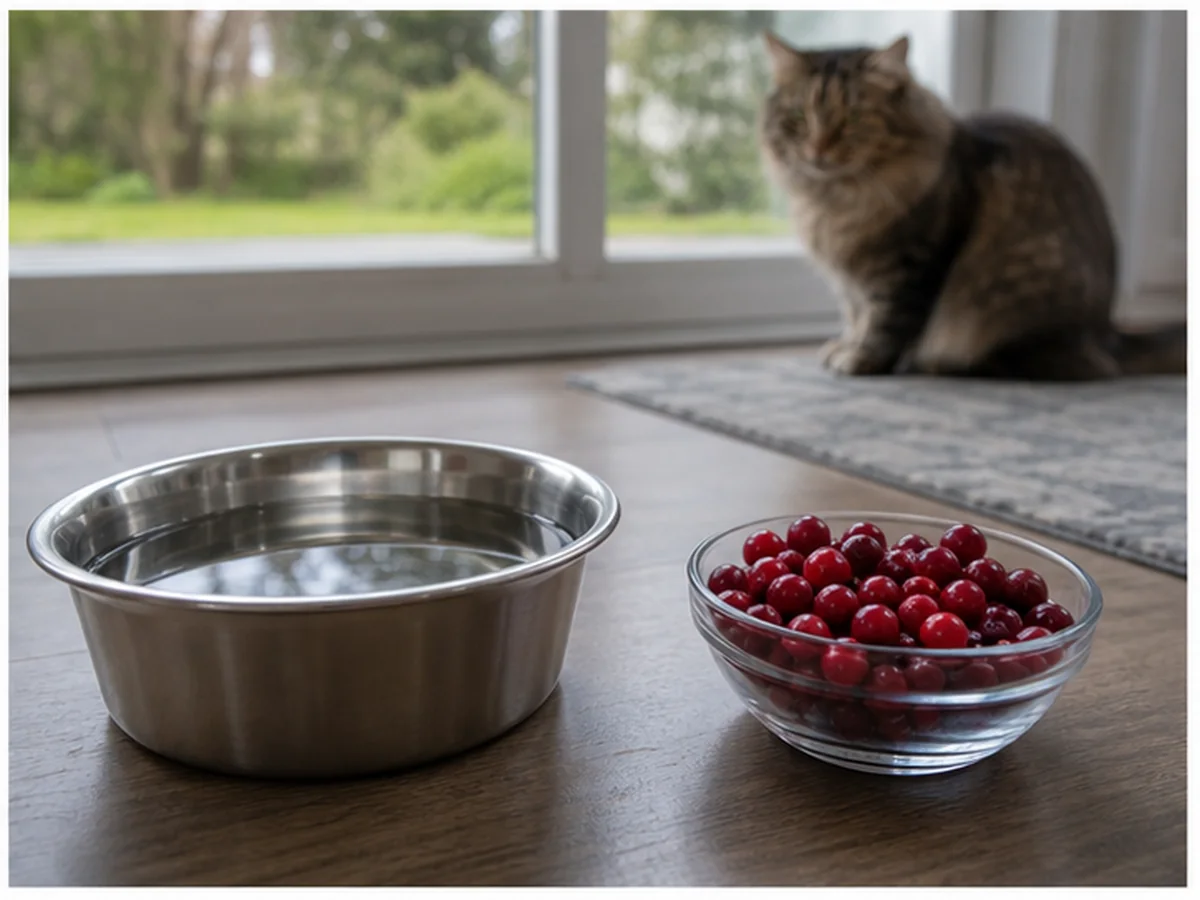
Wide clean bowls, fountains, multiple water stations, and moisture-rich complete food can improve intake depending on the cat. Water strategies should preserve the prescription diet when one is used.
Track meaningful changes in drinking and urine volume. A sudden increase or decrease can be a medical clue rather than a flavor preference.
Cranberry gummies and candy
Gummies can contain concentrated sugar, sweeteners, vitamins, herbal blends, cannabis, medicine, and individual wrappers. A fruit name on candy reveals little about the active ingredients.
Save both ingredient and supplement panels and count wrappers. Call after a meaningful or uncertain exposure.
Cranberries mixed with grapes or raisins
Trail mix, cereal, stuffing, and baked goods may pair cranberries with raisins. Grapes and raisins cause serious kidney injury in dogs, while feline evidence is limited rather than reassuring.
Avoid claiming a safe cat dose and call after exposure. The mixed-food label is more useful than deciding which dried red or brown piece disappeared.
Cranberry residue on fur
Sauce and juice can mat long hair and lead to extra ingestion during grooming. Blot first, then wipe with lukewarm water and dry gently.
Avoid essential oils, peroxide, and household stain remover on the cat. Skin redness or persistent licking after cleanup merits advice.
Frequently asked questions
Can cranberries cure a cat UTI?
No. Urinary signs need diagnosis, and infection requires veterinary treatment selected for the organism and patient.
Can cats eat dried cranberries?
A tiny plain piece may be low risk, but dried products are concentrated, sweetened, chewy, and often mixed. Fresh is simpler.
Can cats drink cranberry juice?
A lick is usually low concern, but juice is acidic, often sugary, and not a urinary treatment or preferred hydration source.
The bottom line
Plain chopped cranberry is a low-risk optional taste, not a feline urinary remedy. Straining, blocked urine, supplements, dried sugar, sauce, juice blends, mold, symptoms, and packaging are the details that matter.