Can Cats Eat Grapefruit? Flesh, Peel, Juice, Oil, and Medicines
Keep grapefruit off the cat’s menu. A tiny lick of peeled flesh may only cause drooling or stomach upset, but peel, zest, leaves, concentrated oil, extracts, cleaners, large amounts of juice, swallowed rind, and possible medicine interactions require more caution than the juicy center alone.
Grapefruit has layers, and each earns a different answer
| Part or product | Main concern | Practical answer |
|---|---|---|
| Peeled flesh | Acid, bitter compounds, sugar, digestive upset | Do not offer; one trace lick may be monitored after review. |
| White pith | Fibrous, bitter, difficult to chew | Keep away from cats. |
| Colored peel and zest | More concentrated aromatic oils plus obstruction texture | Call after meaningful ingestion. |
| Seeds | Hard small objects and bitter compounds | Remove and do not feed. |
| Juice | Acid and sugar delivered quickly | Not a hydration drink for cats. |
| Essential oil or extract | High concentration and multiple exposure routes | Prompt professional advice is warranted. |
| Cleaner or fragrance | Additional chemicals and inhalation risk | Treat as the labeled chemical product. |
A flesh lick is not the same event as eating rind
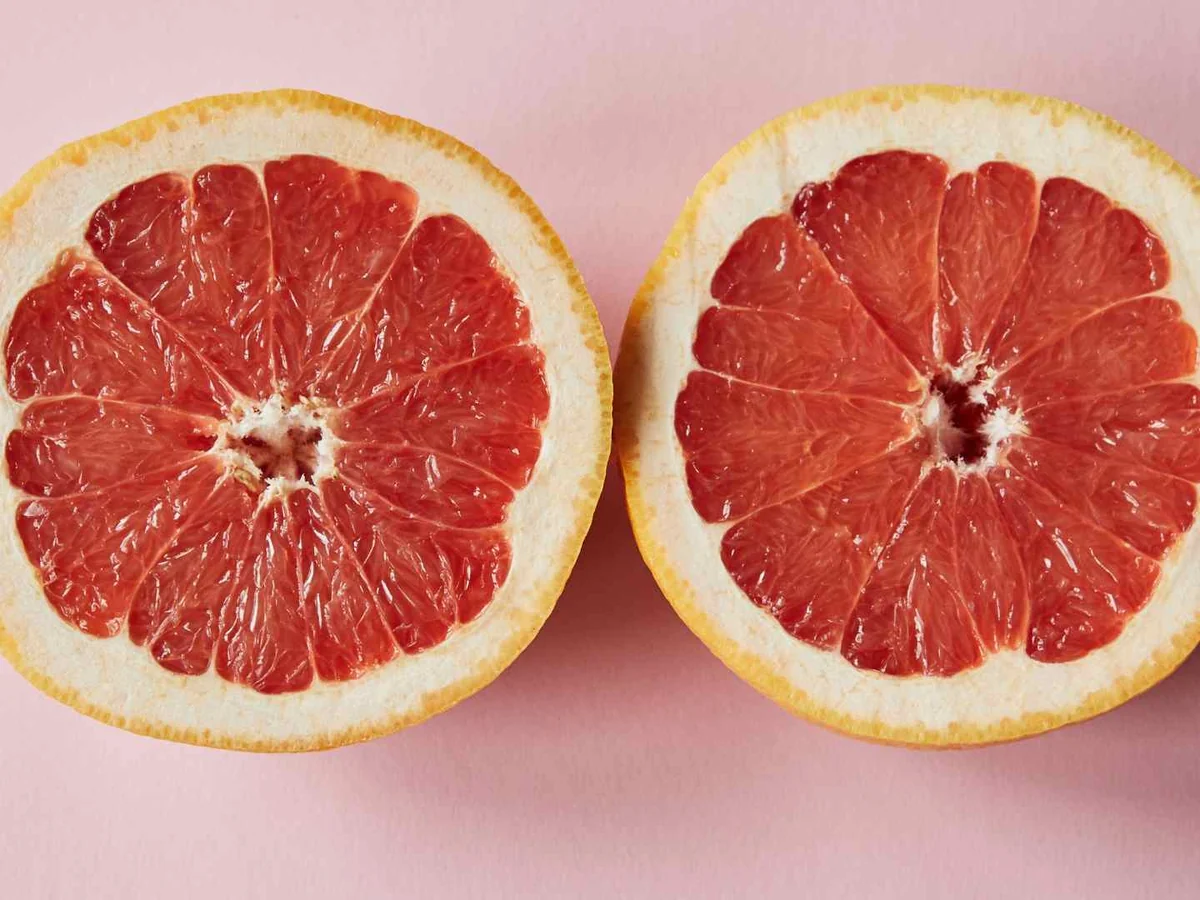
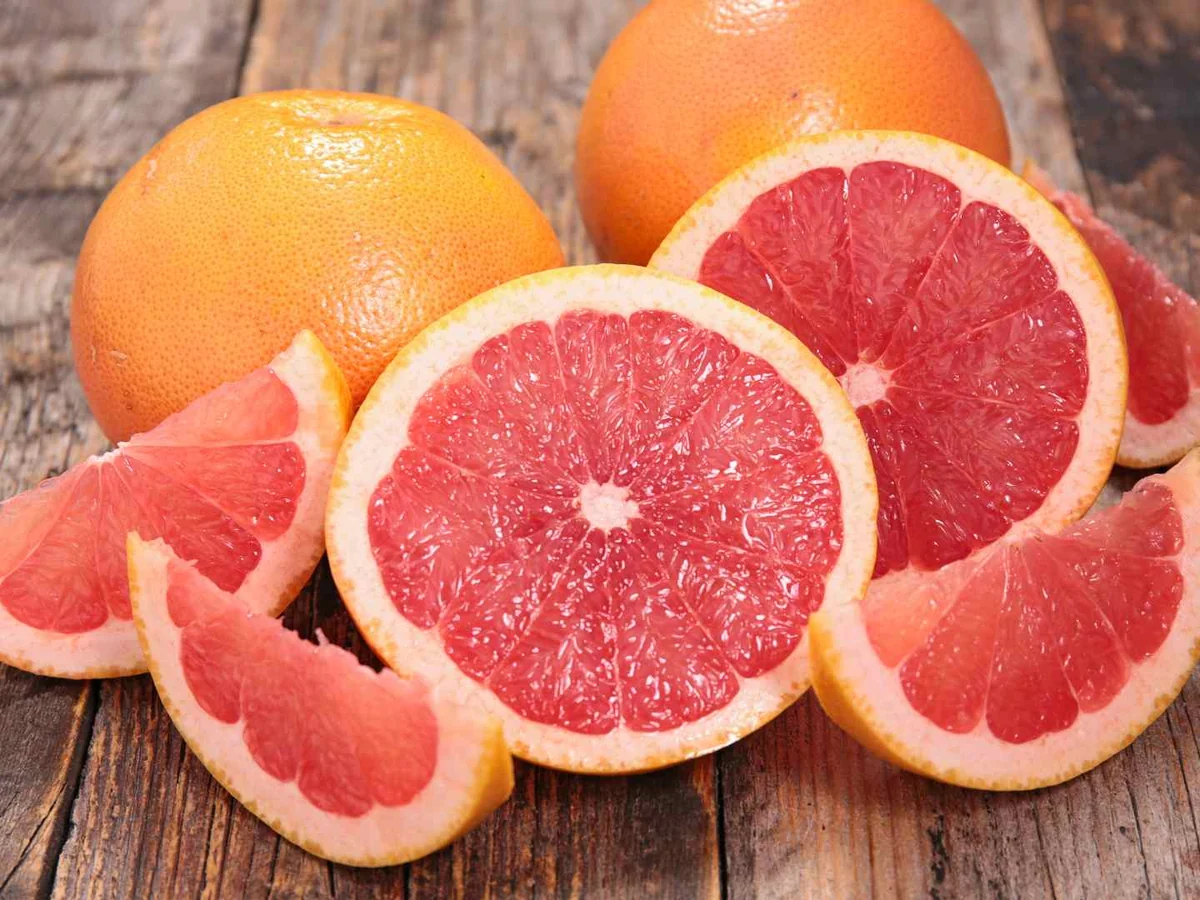
Grapefruit flesh contains water, acid, natural sugar, and bitter plant compounds, but cats have no nutritional need for it. Many cats reject the smell before tasting, which is convenient rather than proof of safety.
One lick from a peeled segment may cause nothing or produce lip licking, drooling, nausea, vomiting, or diarrhea. Stop access, provide normal water, and call if signs persist or the amount was more than trivial.
The rind is tough, fibrous, and richer in aromatic oil. A swallowed strip can irritate, lodge in the throat, or obstruct the gastrointestinal tract even before its chemistry is considered.
The cat orange guide provides a related citrus comparison, while grapefruit’s medication interactions and product formulations still require their own attention.
Why citrus oils deserve greater respect
Citrus peels and plants contain volatile compounds, including limonene and related substances, at higher concentrations than watery flesh. Essential oils concentrate aromatic constituents much further.
The ASPCA lists grapefruit as toxic to cats and identifies essential oils and psoralens, with vomiting, diarrhea, depression, and possible photosensitivity. The entry also notes that fruit flesh is edible, supporting the important part distinction.
Never apply grapefruit oil to a cat for fleas, fragrance, skin care, anxiety, or furniture deterrence. Oil on the coat becomes an oral dose during grooming and can also contact the eyes or lungs.
The ASPCA advises caution with concentrated essential oils around pets. Drooling, vomiting, weakness, wobbliness, tremors, breathing changes, or skin irritation after an oil exposure calls for urgent advice.
Juice is not citrus-flavored water
Juicing removes the rind but delivers acid and sugar quickly, with little reason for a cat to drink it. Commercial beverages may add other juices, sugar, preservatives, sweeteners, vitamins, botanicals, caffeine, or alcohol.
Grapefruit juice can sting irritated mouth tissue and provoke stomach upset. Do not syringe it into a sick or dehydrated cat because forced liquid can enter the airway and delay appropriate fluid therapy.
A fruit cocktail may contain true grape juice, which introduces a separate feline evidence gap. The feline grape guide explains why dog kidney-toxicity certainty should not be copied while meaningful cat exposures still deserve a call.
Fermented juice, grapefruit beer, cocktails, and liqueurs are alcohol exposures rather than fruit questions. Incoordination, depression, low body temperature, breathing changes, or collapse requires immediate care.
Grapefruit and medicines: do not improvise a drug-interaction chart
In people, grapefruit can alter enzymes and transporters that affect the blood level of certain medicines. The interaction depends on the drug, formulation, dose, timing, grapefruit product, and individual.
The FDA explains grapefruit interactions with some human medications. That page does not provide a feline interaction table or authorize owners to stop, delay, split, or change a cat’s prescription.
If a medicated cat ate grapefruit, call the prescribing veterinarian or pharmacist with the drug name, strength, schedule, fruit product, amount, and time. Continue or hold medication only according to professional instructions.
Do not use grapefruit juice to improve drug absorption or hide tablets. A tiny amount in one pill routine can become repeated exposure, and bitter citrus may make the cat distrust future medication.
Zest and baking extracts are concentrated ingredients
Zest is the colored outer peel grated into tiny pieces, creating high surface area and easy distribution through cake, frosting, marinades, and spice mixes. Picking out visible flecks cannot reliably remove it.
Grapefruit extract may use alcohol, glycerin, oil, or mixed citrus compounds. Save the bottle and report concentration rather than assuming every product is ordinary food flavor.
Powdered citrus can become airborne and irritate eyes or airways. Move the cat to clean air and seek help for squinting, coughing, wheezing, or increased breathing effort.
Grapefruit seed extract is not a home antimicrobial
Products marketed as grapefruit seed extract vary in formulation and concentration and may contain other preservatives or compounds. Human wellness claims do not establish feline safety, dose, or effectiveness.
Do not add it to water, food, ears, skin, litter, or wounds. A cat with infection, diarrhea, parasites, or skin disease needs diagnosis and a treatment selected for that condition.
Bring the complete ingredient panel after access because the phrase seed extract does not identify the carrier or additives. Do not induce vomiting after a concentrated liquid unless directed.
Cleaners and deterrent sprays are chemical exposures
Citrus-scented cleaners may contain surfactants, disinfectants, solvents, fragrance mixtures, acids, or essential oils. The grapefruit picture on the bottle is not a toxicology label.
Move the cat away, ventilate safely, prevent grooming of wet paws, and save the Safety Data Sheet or product label. Do not combine cleaners or neutralize one with vinegar, bleach, or another household chemical.
Coughing, open-mouth breathing, eye pain, burns, persistent drooling, repeated vomiting, or weakness after cleaner contact needs prompt care. Fresh air and professional instructions are preferable to an improvised bath in another product.
Peel and stringy pith can obstruct
A rind strip is leathery and resistant to digestion, while membranes and pith can form stringy material. Cats who bat kitchen scraps may swallow them after they collect grease, string, or cleaner residue.
Gagging, regurgitation, repeated vomiting, appetite loss, abdominal pain, hiding, reduced stool, or straining after peel disappears warrants veterinary assessment. Never pull stringy material from the mouth or rectum.
Do not induce vomiting or feed bulky food to push rind through. Save a comparable peel piece and estimate its dimensions for the clinic.
Grapefruit in salads and desserts
Fruit salads may contain grapes, raisins, cherries with pits, chocolate, nuts, honey, yogurt, alcohol, or sweetener. Savory grapefruit salad can add onion, garlic, avocado, cheese, salt, and skewers.
The cat yogurt guide helps with dairy and flavored cups, while the complete recipe still controls the grapefruit dish’s triage.
Candied peel concentrates sugar and preserves the tough rind. Marmalade may include peel shreds, sugar, spices, alcohol, and glass-jar hazards.
Washing and storage
The FDA recommends rinsing produce under running water before cutting, even when peel will be discarded. The knife can carry surface contamination into the flesh.
Discard moldy, leaking, fermented, or heavily damaged fruit. Store cut segments promptly and keep peel in a lidded bin rather than an open compost bowl.
A produce net, sticker, twist tie, cocktail pick, and plastic film can be swallowed. Count these objects whenever a grapefruit dish has been raided.
Cats with less room for citrus trouble
Kittens, seniors, and cats with liver disease, respiratory disease, chronic digestive illness, or prescription diets should not be used to test grapefruit tolerance. Their smaller margin makes an unnecessary fruit experiment even less appealing.
An asthmatic cat should never be confined near citrus sprays, powdered zest, or active oil diffusers. Move the cat calmly to clean air and seek immediate help for open-mouth breathing or obvious effort.
If appetite falls after any citrus exposure, do not cycle through richer human foods to tempt eating. Persistent poor intake in cats can create serious metabolic consequences and deserves timely veterinary assessment.
What to do after access
- Identify the form: flesh, pith, peel, zest, seed, juice, oil, extract, supplement, cleaner, plant, or mixed dish.
- Record the route: swallowed, inhaled, on skin or fur, in an eye, or exposed through a diffuser.
- List medicines: provide every prescription, supplement, strength, and recent dosing time without changing therapy yourself.
- Call promptly: seek advice for peel, oil, extracts, cleaner, meaningful juice, medication concerns, foreign objects, or symptoms.
- Use emergency care: breathing difficulty, collapse, seizures, severe burns, repeated retching, or profound weakness cannot wait.
Why the balanced bowl wins
Grapefruit offers human-oriented vitamins and plant compounds without filling a feline dietary gap. Cats should receive required nutrients from complete food designed for their life stage.
The FDA describes nutritional adequacy statements on pet food. A citrus segment has no such claim and creates unnecessary acidity and preparation work.
Frequently asked questions
Is grapefruit flesh poisonous to cats?
The peeled flesh is less concerning than peel or oil, and a trace lick may only upset the stomach. It remains unnecessary, acidic, and unsuitable as a routine treat.
What if grapefruit peel got on my cat’s fur?
Prevent grooming and call for decontamination advice, especially when zest oil or a cleaner is involved. Do not apply another oil, solvent, or concentrated soap without instruction.
Can cats drink pink grapefruit juice?
No planned serving is useful, regardless of flesh color. Check blends for other juices, sweeteners, supplements, alcohol, and medication interaction concerns after access.
Should I stop my cat’s medicine after grapefruit exposure?
Do not change the prescription yourself. Call the prescribing clinic with the drug, dose, timing, product, and amount so they can assess whether any action is needed.
Bottom line
Grapefruit earns a no-thank-you from the feline table because its flesh offers little and its peel, oil, extracts, cleaners, and medicine questions offer plenty. Identify the layer and route, protect the medication schedule from guesswork, and call when concentration or symptoms raise the stakes.