Can Cats Eat Lemon? Flesh, Peel, Juice, Oil, and Household Products
Keep lemon away from cats. One tiny lick of peeled flesh or diluted juice may cause only drooling or stomach upset, but peel, zest, leaves, stems, concentrated essential oil, extract, cleaners, rind strips, seeds, hot recipes, medication mixtures, and swallowed packaging deserve more caution.
A lemon is a stack of different exposures
| Part or product | Main issue | Useful response |
|---|---|---|
| Peeled flesh | Acidic and irritating, with no feline benefit | Do not serve; review a trace lick calmly. |
| Plain juice | Acid delivered quickly | Not a hydration aid or remedy. |
| White pith | Fibrous and bitter | Keep out of the bowl. |
| Yellow peel or zest | Concentrated aromatic oils plus chewy texture | Call after meaningful ingestion. |
| Seeds | Hard, bitter, and unnecessary | Remove and prevent access. |
| Essential oil or extract | Much higher concentration and multiple exposure routes | Obtain prompt professional advice. |
| Cleaner or fragrance | May include surfactants, solvents, and disinfectants | Treat as the exact chemical product. |
Why a flesh lick is usually less concerning than peel
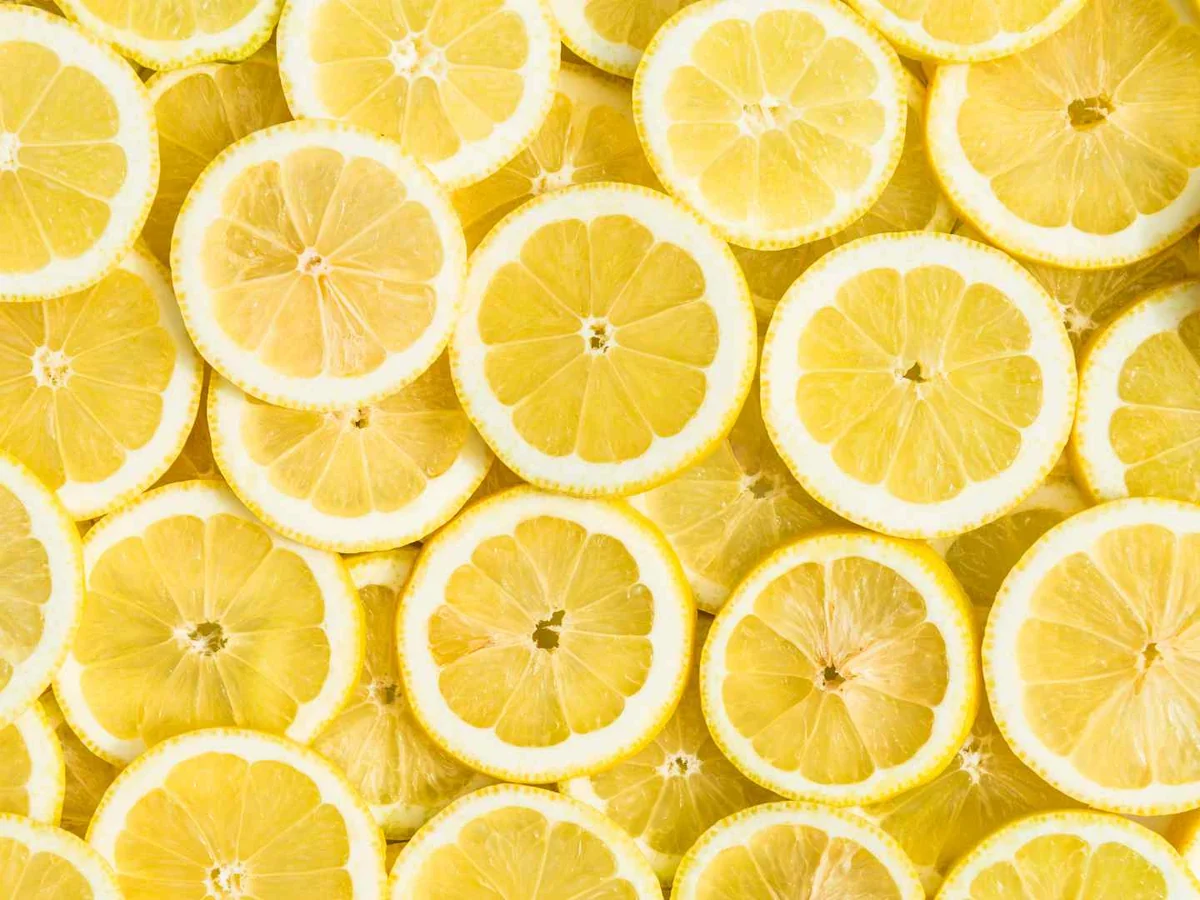
Lemon flesh contains water, citric acid, natural sugar, and plant compounds, but cats have no dietary need for it. The sour taste often discourages a second lick, which is convenient rather than a safety system.
A trace may cause lip licking, drooling, nausea, vomiting, or loose stool. Stop access, provide ordinary fresh water, and call if the amount was more than trivial or signs persist.
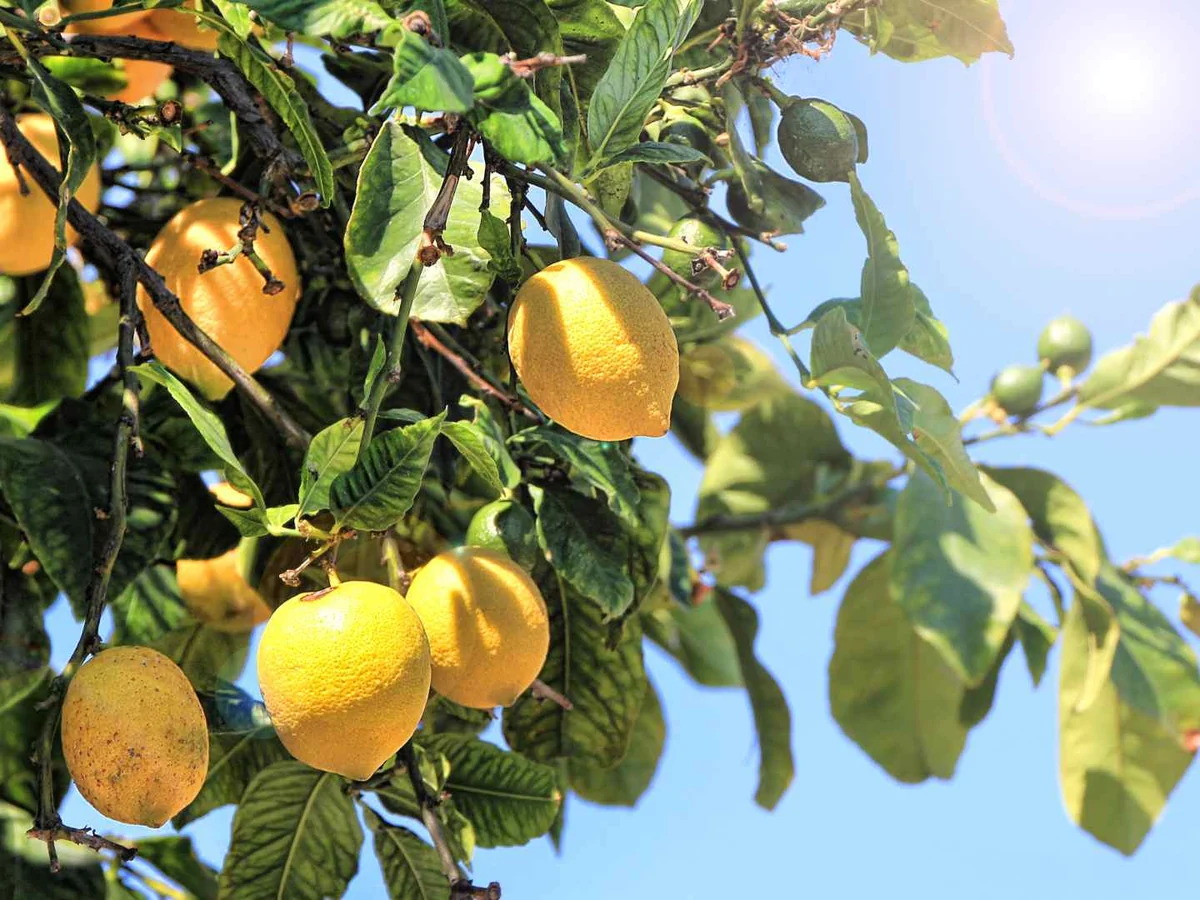
The peel contains more concentrated volatile oils and is tough enough to choke or obstruct. A long zest strip can act like fibrous foreign material even when the chemical exposure remains uncertain.
The cat orange guide uses a similar flesh-versus-peel framework. Lemon remains its own product because acidity, household use, and concentration can differ.
Citrus oil is not extra-strong juice
Essential oil is a concentrated aromatic extract, not the liquid squeezed from fruit. Skin application, diffuser spills, ingestion, and coat contamination can expose a cat through several routes.
The ASPCA advises caution with concentrated essential oils around pets, especially after direct application or swallowing. Cats groom contaminated fur and may metabolize some oil compounds poorly.
Drooling, vomiting, weakness, wobbliness, tremors, skin irritation, or breathing changes after lemon oil needs prompt veterinary advice. Preserve the bottle and do not apply another oil or solvent.
Never use lemon oil for flea control, furniture deterrence, coat fragrance, anxiety, wounds, or ear cleaning. A product being natural says nothing about feline dose or route safety.
Juice is not medicine or hydration
Lemon juice may be diluted in water, tea, marinades, salad dressing, cough remedies, or supplements. The complete recipe matters because honey, alcohol, caffeine, onion, garlic, salt, and sweeteners may join it.
Do not syringe lemon water into a dehydrated or nauseated cat. Acid can irritate, forced liquid can enter the airway, and true dehydration may require veterinary fluids.
Do not use lemon juice to treat urinary crystals, fleas, constipation, hairballs, poisoning, or bad breath. Those conditions need diagnosis rather than a sour home chemistry experiment.
Zest, extract, and baking concentrate
Zest is grated outer peel with high surface area, so it spreads easily through cake, frosting, fish, seasoning, and dough. Removing visible yellow flecks cannot recover oil already distributed through the food.
Lemon extract may use alcohol, oil, glycerin, or mixed flavoring. Save the label and concentration after a spill instead of assuming it is the same as bakery flavor in a finished crumb.
Powdered lemon and drink mix can become airborne and may contain sugar, sweeteners, caffeine, vitamins, or salts. Eye pain, coughing, wheezing, or breathing effort after dust exposure deserves rapid advice.
Cleaners are chemical products wearing a fruit name
Lemon-scented cleaners can contain detergents, disinfectants, solvents, fragrance blends, acids, or essential oils. The fruit picture does not identify toxicology or safe decontamination.
Move the cat away, ventilate safely, prevent grooming from wet paws, and keep the product label or Safety Data Sheet. Never mix cleaners or attempt to neutralize one with vinegar, bleach, or another product.
Coughing, open-mouth breathing, eye injury, burns, repeated vomiting, marked drooling, or weakness after cleaner contact needs urgent veterinary guidance.
Rind and pith can lodge or obstruct
A peel strip is leathery and poorly digestible, while membrane and pith can become stringy. Cats may bat scraps from a cutting board and swallow them after they collect grease or cleaner residue.
Gagging, repeated swallowing, regurgitation, vomiting, appetite loss, abdominal pain, reduced stool, or hiding after peel disappears warrants assessment. Leave visible stringy material untouched if it may be anchored internally.
Do not induce vomiting or feed bread, oil, pumpkin, or another bulky food to push rind through. Bring a comparable peel piece and measurement.
Lemon on fish, chicken, and vegetables
A lemon wedge beside cooked meat can arrive with garlic butter, onion, salt, wine, bones, skewers, and hot oil. The protein beneath the garnish is not plain after sauce has soaked in.
Our salmon guide for cats covers cooked flesh, bones, raw risk, portions, and seasoning. Separate any approved cat morsel before lemon and other flavors enter the pan.
Hot lemon butter can burn the mouth or paws. Sudden drooling, skin redness, blisters, or food refusal after thermal contact needs veterinary attention.
Desserts, drinks, and lemon candy
Lemon bars, pie, curd, cake, sorbet, candy, and yogurt add sugar, butter, dairy, eggs, raw dough, gelatin, sweeteners, or wrappers. A sugar-free product must be identified from the exact label.
Alcoholic lemonade and cocktails create ethanol exposure, while tea-based drinks may include caffeine. Depression, incoordination, breathing changes, tremors, seizures, or collapse requires emergency care.
The feline yogurt guide helps with dairy and sweetened cups, while the lemon and any packaging still need separate review.
Lemon plants and kitchen regrowth projects
Leaves, stems, flowers, roots, soil, fertilizer, pesticide, wire ties, and fallen fruit expand a plant-chewing incident. Keep the nursery label and photograph the whole plant.
Prevent grooming after wet chemical contact and call with the product name. Organic does not mean safe for a cat to lick.
Do not grow lemon seedlings as feline enrichment. Safer grasses and toys can provide chewing opportunities without citrus oil or garden chemicals.

Produce handling and storage
The FDA recommends rinsing produce under running water before cutting, even when peel will be discarded. Soap and detergent do not belong on food.
Discard moldy, leaking, fermented, or heavily damaged lemons. Put peel, seeds, produce netting, stickers, ties, and plastic film directly into a lidded bin.
A route-based response
- Flesh or dilute juice: remove access and monitor a trace exposure, calling for larger amounts or persistent signs.
- Peel or plant: report part, amount, time, symptoms, pesticide, and any missing stringy material.
- Oil or extract: preserve the bottle, prevent grooming, and obtain professional advice promptly.
- Cleaner: use its label and route rather than fruit assumptions, and never mix chemicals.
- Emergency: breathing difficulty, collapse, seizures, severe burns, repeated retching, or profound weakness cannot wait.
Cats who need stricter citrus boundaries
Kittens, seniors, and cats with liver disease, asthma, chronic digestive illness, oral ulcers, or prescription diets should not be used to test lemon tolerance. Their smaller margin turns an unnecessary experiment into poor tradeoffs.
An asthmatic cat should stay outside the kitchen during zesting, powder mixing, and spray cleaning. Move calmly to clean air after aerosol exposure and treat open-mouth breathing as an emergency.
If appetite drops after lemon contact, do not chase the cat with richer human foods. Persistent poor intake, vomiting, lethargy, pain, or dehydration needs veterinary assessment.
Handling lemons without sharing residue
Wash hands after zesting or squeezing before touching cat food, medication, toys, or the cat’s face. Oil can remain on fingers even when the yellow peel looks dry.
Clean boards and knives before preparing feline food, and keep used wedges out of sinks where a cat can investigate them. A closed scrap container works better than assuming sourness will enforce the rules.
Picnics and drink stations
Lemon wedges at outdoor meals often sit beside iced tea, alcohol, skewers, fish bones, sweetener packets, and disposable cups. Clear the entire station rather than tracking only the yellow slice.
Squeeze bottles and novelty lemon-shaped containers have caps and seals small enough to swallow. Store them in a closed cooler and count pieces after a spill.
If several pets attended the meal, estimate each animal’s maximum exposure independently. Dividing the missing lemonade evenly is tidy arithmetic but rarely an accurate kitchen investigation.
Why lemon does not improve a complete diet
Human vitamin and antioxidant claims do not prove a feline benefit or therapeutic dose. The FDA explains nutritional adequacy claims on pet foods, while lemon supplies no complete feline profile.
Use part of the measured cat meal as a reward. It requires no peeling, sour-face observation, or cleanup of oil-rich zest.
Frequently asked questions
Is one lick of lemon dangerous to a cat?
A trace of peeled flesh or dilute juice may only cause drooling or stomach upset. Call for peel, oil, extract, cleaners, larger amounts, medication mixtures, or persistent symptoms.
Can I put lemon juice in my cat’s water?
No, it can discourage drinking and irritate the mouth or stomach. Fresh water and a veterinarian-directed hydration plan are safer.
What if lemon oil got on the coat?
Prevent grooming, save the product, and call for decontamination instructions. Do not apply another oil, solvent, or concentrated soap.
Can cats eat lemon-flavored food?
A trace flavor in a baked crumb differs from peel oil or extract, but the full recipe may contain sugar, dairy, chocolate, caffeine, alcohol, or unsafe sweeteners.
Bottom line
Lemon flesh is unnecessary and sour, while peel, oil, extracts, cleaners, and stringy rind are the bigger feline concerns. Identify the layer and route, skip home remedies, and let a complete cat diet handle the nutritional work without citrus assistance.