Can Cats Eat Hazelnuts? Kernels, Shells, Spreads, and Mold
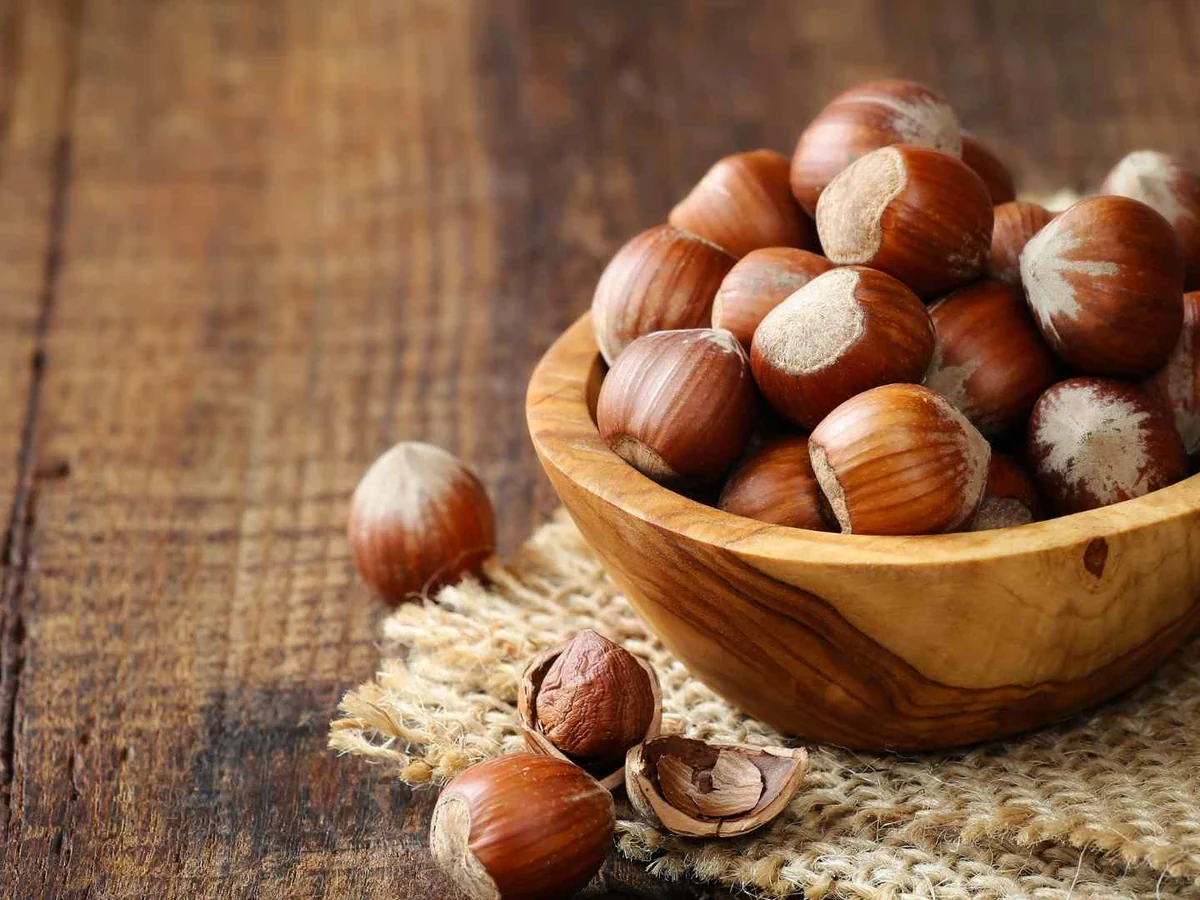
A small chewed fragment of plain, fresh, shelled hazelnut is not a known feline poison, but whole nuts are hard, fatty, and unnecessary. Shells, choking, chocolate spreads, salt, seasonings, mold, mixed snacks, and packaging are the details that decide what happens next.
Sort the evidence on the counter
Count nuts and shells, find the bag, and check whether chocolate pieces, raisins, coffee beans, other nuts, seasoning dust, foil, or plastic also disappeared. The scene often answers more than the word hazelnut.
A tiny plain kernel crumb usually calls for observation. Contact a veterinarian promptly for a whole nut, shell, moldy food, chocolate product, allium seasoning, large amount, or missing wrapper.
Breathing trouble, repeated gagging, persistent vomiting, severe abdominal pain, tremors, seizures, collapse, or inability to swallow requires urgent care. Do not induce vomiting or try to cushion a hard object with bread or oil.
The kernel is not toxic, yet it is not a treat
Plain hazelnut meat has no established feline poisoning syndrome. It is calorie-dense and high in fat, however, while supplying none of the balanced nutrition a cat needs from a complete diet.
One small chewed fragment may pass without incident, but that outcome is not a reason to serve another. Cats have tiny calorie budgets and spectacular confidence around foods they do not need.
The Cornell Feline Health Center emphasizes complete nutrition and occasional treats. Hazelnuts cannot replace animal-derived amino acids, taurine, and the correct vitamin and mineral balance.
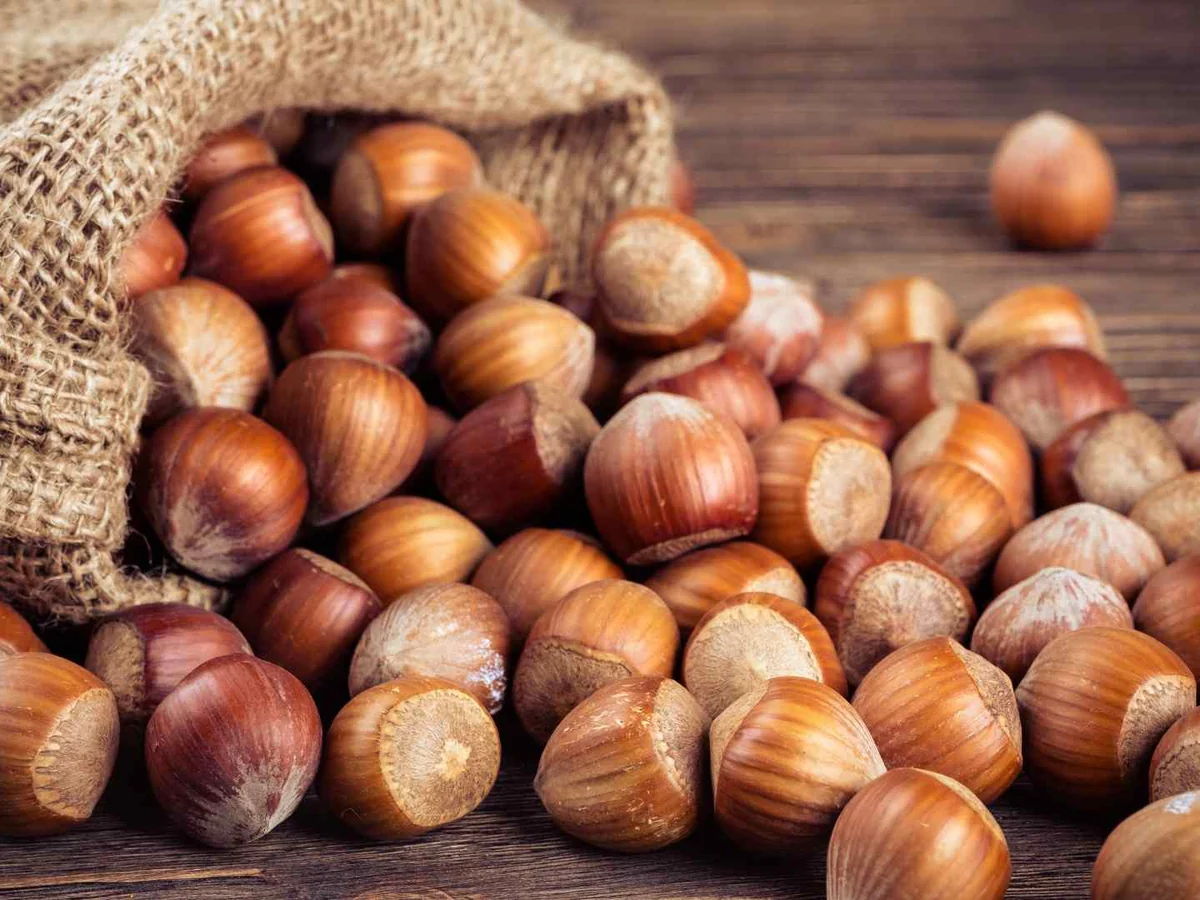
Whole nuts are shaped for choking
A round, smooth hazelnut can lodge in the throat before its nutrients or fat matter. Small cats, kittens, seniors, and cats with dental or swallowing disease have even less room for error.
If a cat cannot move air, makes silent gagging motions, develops blue-gray gums, or collapses, seek emergency help. Do not push fingers blindly into the mouth and risk driving the nut deeper.
Even when breathing remains normal, call about a swallowed whole kernel. Later vomiting, appetite loss, lethargy, or belly pain may point to a gastrointestinal problem.
Shells are the sharper problem
Hazelnut shells are woody, hard, and capable of breaking into pointed fragments. They are not made safe by roasting, cracking, or the cat chewing them first.
Call if any shell section is missing and bring a similar remaining piece to show size and shape. Never pull a fragment, string, or netting protruding from the mouth or anus.
The Merck Veterinary Manual describes vomiting, appetite loss, lethargy, pain, diarrhea, and shock among possible obstruction findings. A normal-looking cat immediately after ingestion is not proof that a sharp object is harmless.
Roasted, salted, and flavored nuts
Roasting changes moisture and flavor, not the nut’s suitability for cats. Oil-roasted products add fat, while salted products deliver sodium that becomes more concerning as quantity rises.
One salted crumb is unlikely to cause salt poisoning, but many kernels, concentrated seasoning, limited water, or kidney and heart disease deserves professional advice. Report sodium per serving and the fraction of the package that may be gone.
Garlic, onion, ranch, barbecue, and spicy coatings need their own ingredient review. Cats are unusually vulnerable to allium-related red blood cell damage, including from concentrated powders.
Chocolate-hazelnut spread is a chocolate question
Cocoa spread combines chocolate ingredients with sugar and considerable fat in a form cats can lick quickly. Brand recipes differ, so use the jar in hand rather than a remembered internet ingredient list.
The cat chocolate guide explains why cocoa type, amount, time, and cat weight matter. Call before vomiting, restlessness, rapid heartbeat, tremors, or seizures appear.
Chocolate-free hazelnut spread still may contain milk, oil, coffee, protein powder, salt, or specialty sweeteners. It remains a calorie-dense human food and can stick to the mouth or fur.
Do not borrow the macadamia dog story
Macadamia nuts cause a recognized toxicosis in dogs, but that finding does not establish the same syndrome in cats and does not make every nut equivalent. Species and nut identity both matter.
If a mixed bowl contained macadamias, identify them and call rather than applying a canine toxic dose. The dog nut product guide can help recognize forms, but its dog-specific medical statements stay with dogs.
The same caution applies to extrapolating from one nut to another. Hazelnut advice cannot clear walnuts, pecans, almonds, pistachios, or unidentified garden nuts.
Mixed nuts rarely remain a nut-only problem
Trail mix can include raisins, chocolate, coffee beans, dried fruit, candy, salt, spices, and freshness packets. Sort what remains and photograph the entire label before calling.
Feline evidence for grape and raisin injury is limited compared with the strong canine record, so avoid claiming a dog dose for cats. Limited data is still not proof that a raisin mix is safe.
The cat cashew guide covers a different nut’s portion, coating, and physical concerns. Use it only when cashews are actually present.
Stale is unpleasant; mold can be dangerous
Hazelnut fats can oxidize and develop a bitter, sour, paint-like, or stale odor. Rancid nuts may cause digestive upset and should be discarded rather than offered to avoid waste.
Moldy nuts raise a more urgent concern because some molds produce tremorgenic toxins. Secure the whole batch and seek help for vomiting, feverish behavior, tremors, poor coordination, or seizures.
Do not pick out the visibly fuzzy kernels and declare the rest safe for the cat. Mold and its products may extend beyond the patch you can see.
Flour and meal lose the sphere, not the fat
Hazelnut flour removes the whole-nut choking shape but remains concentrated and often appears in cakes, cookies, or raw batter. The complete recipe matters more than the ground nut alone.
Raw dough can include untreated flour, egg, yeast, chocolate, coffee, alcohol, raisins, or unusual sweeteners. Save the recipe and report every ingredient rather than calling the exposure hazelnut flour.
Loose powder can irritate eyes or be inhaled. Move the cat away from a spill without creating a dust cloud, and call for coughing, breathing trouble, or eye pain.
Hazelnut milk is a separate formulation
Commercial hazelnut beverages may contain sugar, gums, oils, flavor, added vitamins, salt, and sweeteners. They should not replace water, kitten formula, or a medically prescribed liquid diet.
A few licks of plain beverage usually need observation, while chocolate flavor, a supplement blend, or a large amount in a vulnerable cat deserves a call. Use the current carton label because recipes change.
The FDA Nutrition Facts guide helps interpret serving sizes and ingredients. Human fortification does not establish an appropriate feline dose.
Praline, pastries, and filled candy
Praline can combine hazelnuts with caramel, chocolate, coffee, alcohol, or brittle sugar. Pastries may add butter, cream, raw dough, raisins, skewers, foil, and paper cups.
Inventory every layer and decoration before focusing on the nut garnish. A missing toothpick or dark chocolate center can determine urgency while the hazelnut itself remains secondary.
The chocolate-hazelnut spread product guide can help compare familiar product forms, but canine treatment thresholds do not become feline facts. Bring the actual package whenever possible.
Nut butter is soft but can still stick
Plain hazelnut butter lacks the whole-kernel shape, yet a spoonful is thick, fatty, and capable of clinging in the mouth. It is not a suitable way to hide medication unless the prescribing veterinarian approves it.
Check for cocoa, coffee, salt, sugar substitutes, and other nuts. Seek help for coughing, repeated swallowing, breathing difficulty, or a cat that seems unable to clear the mouth.
Wipe a small smear from fur with a damp cloth before grooming spreads it. Do not use another oil to dissolve an oily food coating.
Cats with medical diets should pass
Cats with obesity, diabetes, pancreatitis history, kidney disease, heart disease, food allergy, or chronic digestive trouble gain no useful advantage from hazelnuts. Prescription diets work best without improvised high-fat extras.
One vomiting episode after a mixed snack does not diagnose hazelnut allergy. Recurrent food reactions require veterinary history and a controlled dietary trial.
A cat that stops eating needs timely attention rather than a buffet of nut spreads. Prolonged under-eating creates species-specific medical risk.
After one known plain crumb
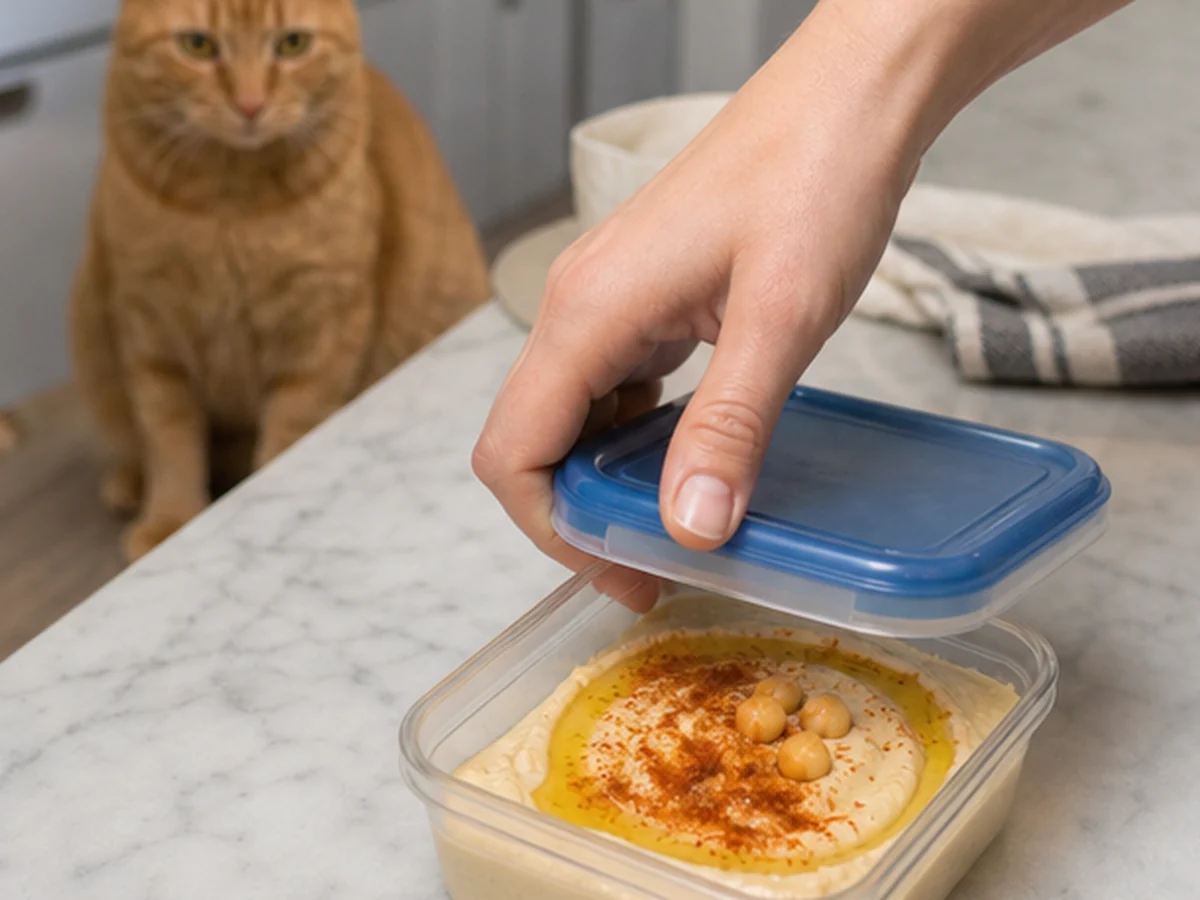
Offer regular food and fresh water, then observe swallowing, appetite, vomiting, stool, energy, and abdominal comfort. Do not conduct a second taste test.
Call if signs recur, worsen, or include pain, dehydration, lethargy, or food refusal. Any possibility of shell or packaging moves the event outside simple monitoring.
Store nuts in a closed cabinet, sweep shells immediately, and put oily bags or wrappers into lidded trash. Giving the cat part of its usual ration in a puzzle feeder is a safer way to share snack time.
FAQ
Are hazelnuts poisonous to cats?
Plain kernel is not established as a feline poison, but whole hazelnuts are hard, fatty, and poor treats. Shells and mixed ingredients increase risk.
What if my cat swallowed a whole hazelnut?
Call because a whole nut can choke or obstruct. Breathing difficulty, silent gagging, repeated vomiting, belly pain, or collapse requires urgent care.
Can cats eat chocolate-hazelnut spread?
Do not offer it because cocoa, fat, sugar, and product-specific ingredients matter. Call with the label and estimated amount after a meaningful lick.
Does macadamia toxicity make hazelnuts toxic?
No, and the recognized macadamia syndrome is documented primarily in dogs. Different nuts and species require their own evidence rather than borrowed toxic doses.
Bottom line
A tiny plain hazelnut crumb is usually low risk, but there is no benefit in serving it. Whole kernels, shells, chocolate, seasonings, mixed snacks, mold, and packaging are the details worth taking seriously.