Can Cats Eat Licorice? Candy, Root, Extract, and Sweeteners
Do not give licorice to cats. Black candy may contain real licorice extract or only anise-like flavor, red “licorice” may contain no licorice root, and concentrated botanical products, sugar, salt, xylitol uncertainty, chocolate, herbs, medicines, chewy texture, wrappers, and evidence gaps all demand exact product identification.
The word licorice covers three separate aisles
| Product | What it may contain | Why the distinction matters |
|---|---|---|
| Black licorice candy | Sugar, flour, syrup, flavor, color, possibly licorice extract | Chewy candy risk plus uncertain glycyrrhizin content. |
| Red twists | Fruit flavor, wheat, sugar, color, usually no licorice root | Still unsuitable candy, but botanical claims may not apply. |
| Licorice root tea | Botanical root extraction in water, sometimes mixed herbs | Concentration and companion plants vary. |
| Root powder or capsule | Ground root, standardized extract, proprietary blend | Human dose and feline evidence are inadequate. |
| Deglycyrrhizinated licorice | Product processed to reduce glycyrrhizin | Not automatically feline-safe or clinically useful. |
| Anise-flavored product | A different plant providing similar flavor | Identify ingredients rather than aroma. |
Real licorice contains pharmacologically active glycyrrhizin
Licorice root from Glycyrrhiza species contains glycyrrhizin and related compounds that can affect cortisol metabolism, sodium and water retention, potassium balance, blood pressure, and the cardiovascular system in people and animals. Product concentration and susceptibility vary.
The FDA warns that eating large amounts of black licorice can cause serious effects in people. That human warning does not supply a safe feline dose, but it clearly refutes treating genuine root extract as inert candy flavor.
Direct cat-specific dose and toxicity evidence is limited, so do not claim that one defined number of twists causes a predictable feline syndrome. Call after meaningful real-licorice exposure with the actual glycyrrhizin information if available.
Cats with heart disease, kidney disease, hypertension, electrolyte abnormalities, endocrine disease, pregnancy, or multiple medicines have especially little margin for an unapproved botanical product.
Black candy may not reveal its botanical dose
Ingredient lists may say licorice extract, natural flavor, anise oil, molasses, wheat flour, corn syrup, ammonium chloride, salt, color, or other flavorings. The front color and smell cannot quantify glycyrrhizin.
Salty licorice popular in some regions may contain substantial sodium or ammonium chloride. Marked thirst, vomiting, weakness, tremors, poor coordination, seizures, or abnormal behavior after a large candy exposure needs urgent care.
Keep the package, country of origin, serving size, product weight, and maximum amount missing. A manufacturer may be able to clarify whether real root extract is present.
Red licorice is usually a candy texture question
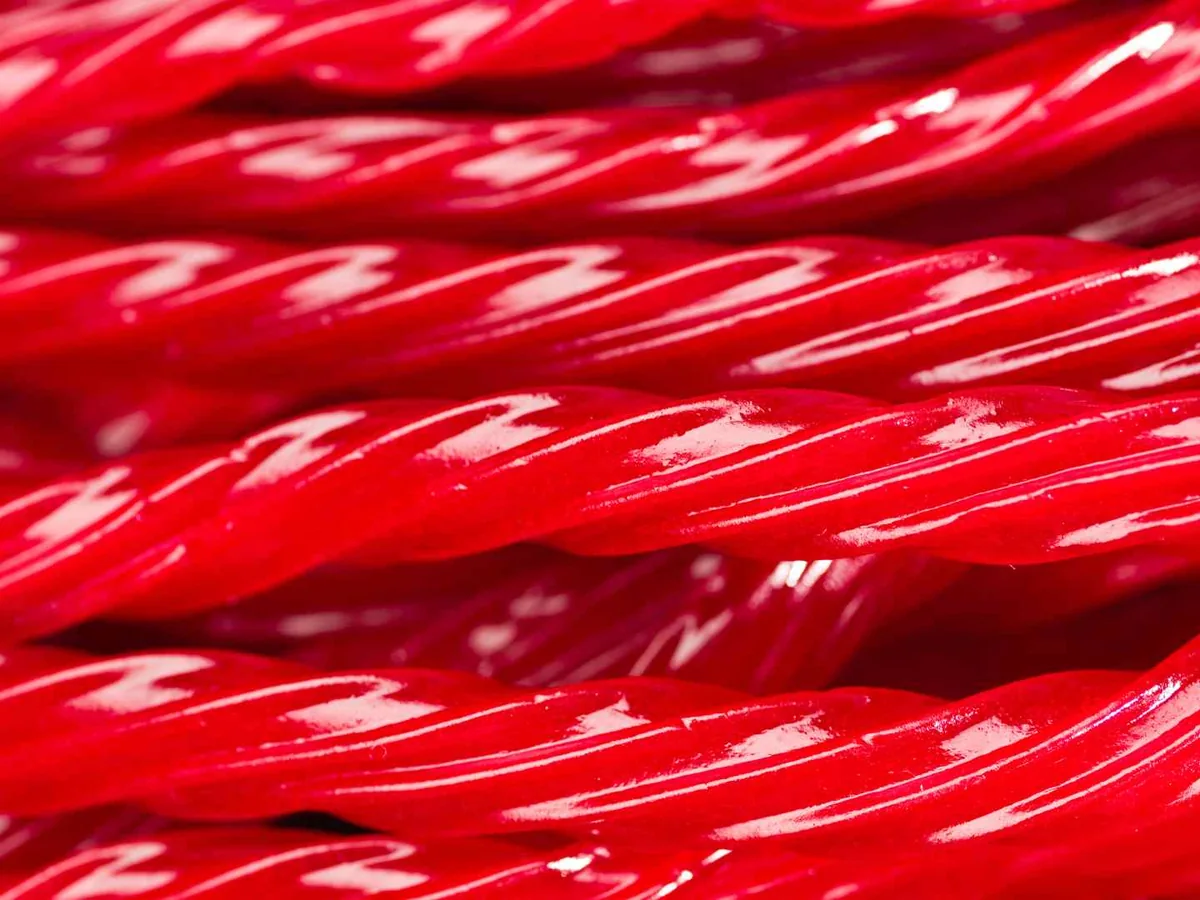
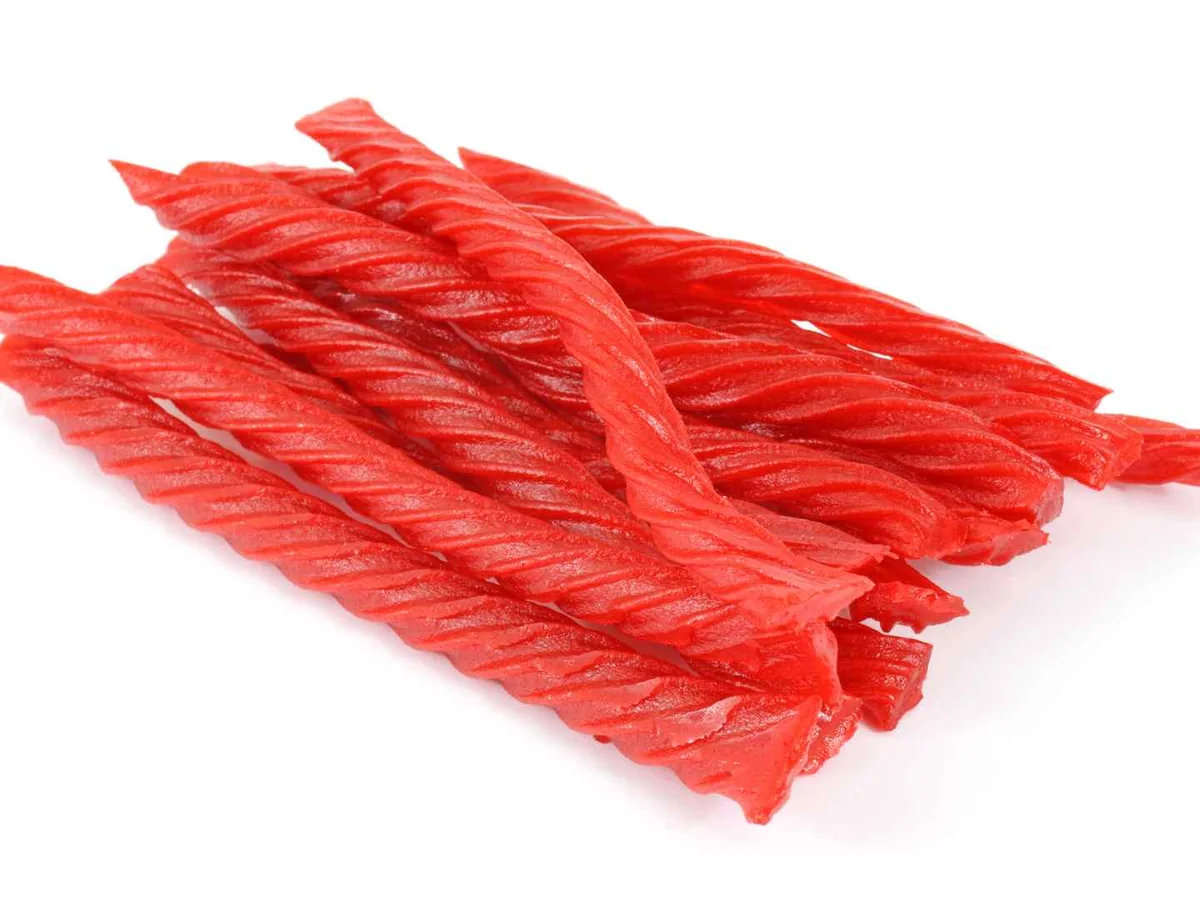
Many red twists are fruit-flavored sugar candy with wheat or starch and no true licorice root. That means glycyrrhizin warnings may not apply, but the product remains sugary, sticky, calorie-dense, and nutritionally pointless for cats.
Long ropes can be gulped or swallowed as a linear foreign object, while dense bites cling to teeth and palate. Cut candy is still not a reasonable cat treat.
Gagging, repeated swallowing, drooling, regurgitation, coughing, or mouth-pawing after a missing rope requires prompt advice. Never pull a visible strand when the hidden end may be anchored.
Sugar is unnecessary without becoming a fictional toxin
A small conventional candy crumb is unlikely to cause sugar poisoning. Larger amounts may cause vomiting, diarrhea, abdominal discomfort, appetite change, or a meaningful calorie load.
Cats with diabetes or obesity should not receive candy. Do not use licorice as a glucose remedy unless the managing veterinarian has supplied exact emergency instructions.
Honey, molasses, glucose syrup, and fruit concentrate remain added-sugar ingredients. The cat honey guide explains why natural-sounding sweetener language does not create a health food.
Sugar-free licorice and xylitol need species-specific wording
Sugar-free candy may use xylitol, erythritol, sorbitol, maltitol, stevia, or mixed sweeteners. Formulas change, so identify every ingredient from the current bag.
Xylitol causes severe hypoglycemia and potential liver injury in dogs. The FDA’s xylitol warning is explicitly canine-focused, and comparable sensitivity is not established in cats.
Do not paste a dog threshold into feline advice or assume the evidence gap guarantees safety. Call with product, sweeteners, amount, time, cat weight, health conditions, and signs.
Never preemptively force syrup because dog sources mention falling glucose. The correct feline response depends on actual ingredients and clinical assessment.

Licorice root tea is not a digestive remedy
Tea strength depends on root amount, steeping time, extract type, and serving volume. Blends may include peppermint, fennel, senna, chamomile, caffeine-containing tea, sweetener, lemon, or alcohol-based tincture.
Do not put licorice tea in a cat’s water or syringe it for cough, ulcers, constipation, nausea, adrenal disease, or inflammation. Human traditional use does not establish feline efficacy or dose.
Forced liquid can enter the lungs, and bitter tea may discourage normal drinking. Bring the full tea label after access rather than reporting only the largest herb name.
Extracts, tinctures, and DGL products
Concentrated extracts may be standardized to a constituent, while tinctures can use alcohol, glycerin, or mixed carriers. DGL products reduce glycyrrhizin but can contain flavors, sweeteners, and other botanicals.
Removing one compound does not make a human supplement proven or complete for cats. Do not scale adult-human servings down by body weight.
The FDA explains that dietary supplements are regulated as food rather than approved like drugs before marketing. A Supplement Facts panel is not a feline prescription.
Medication interactions and medical conditions
Licorice products may affect electrolytes, fluid balance, blood pressure, and drug handling. Cats receiving diuretics, corticosteroids, heart medicines, blood-pressure treatment, or several prescriptions require clinician review.
Do not stop or adjust medication after licorice exposure on your own. Call the prescribing clinic with the product, concentration, amount, time, and medication schedule.
Weakness, collapse, abnormal heart rhythm, severe lethargy, tremors, seizures, marked thirst, or changes in urination after a concentrated product warrants urgent care.
Chocolate, salt, and mixed candy
Chocolate-covered licorice, candy assortments, trail mixes, and bakery products add cocoa, nuts, raisins, caffeine, alcohol, or unfamiliar sweeteners. Sort the entire missing product rather than focusing only on the black center.
Use the feline chocolate guide to identify cocoa form and estimate the missing portion. Chocolate can affect the heart and nervous system independent of licorice extract.
The cat cinnamon guide is relevant when spiced candy adds powder or oil. Anise, fennel, and cinnamon remain different botanicals despite overlapping bakery aromas.
Wrappers and bags create their own emergency
Twist wrappers, plastic film, wax paper, foil, resealable strips, freshness packets, and long candy bags retain strong odor. A cat may swallow them while licking syrup.
Repeated vomiting, appetite loss, abdominal pain, reduced stool, or marked fatigue after packaging disappears requires veterinary assessment. Do not induce vomiting after rigid or sharp material may be involved.
Store candy in a latched cupboard and cut empty bags open before secured disposal. A head inside a flexible snack bag can become a suffocation emergency.
What to report after licorice access
- Product class: black candy, red twist, root, tea, powder, extract, DGL, tincture, gummy, or mixed dessert.
- Botanical content: identify licorice extract, glycyrrhizin, anise, proprietary flavor, and other herbs.
- Recipe details: report sweeteners, salt, ammonium chloride, chocolate, caffeine, alcohol, raisins, and medication.
- Physical evidence: count ropes, wrappers, caps, packets, glass, droppers, and bottle pieces.
- Clinical details: provide amount, time, cat weight, diseases, medicines, vomiting, energy, gait, thirst, urine, and heart signs.
Call promptly for real root or extract, a large or unknown amount, sugar-free uncertainty, mixed high-risk candy, symptoms, or packaging loss. Breathing difficulty, collapse, seizures, severe weakness, or suspected abnormal rhythm needs emergency care.
Why licorice cannot balance a feline diet
Candy contributes sugar and botanical products contribute compounds, but neither meets feline nutrient needs. The FDA describes the adequacy claim on complete pet food, which licorice does not carry.
Use measured cat food as the treat and ask a veterinarian about any medical symptom. The black twist is not a cough drop, digestive tonic, or adrenal plan for cats.
Cats who should never be supplement test subjects
Kittens, pregnant cats, seniors, and cats with cardiac, renal, liver, endocrine, or electrolyte disorders need controlled nutrition and medication. Licorice adds an unproven variable without a required feline nutrient.
A prescription or elimination diet should remain free of candy, tea, and herbal powders. Flavorings alone can compromise diagnostic work, while concentrated root products may affect physiology.
If a cat repeatedly seeks candy wrappers or herbal bags, secure the pantry and discuss pica or food-seeking behavior with the veterinarian. Prevention can happen while medical and environmental causes are assessed.
Halloween and candy-bowl prevention
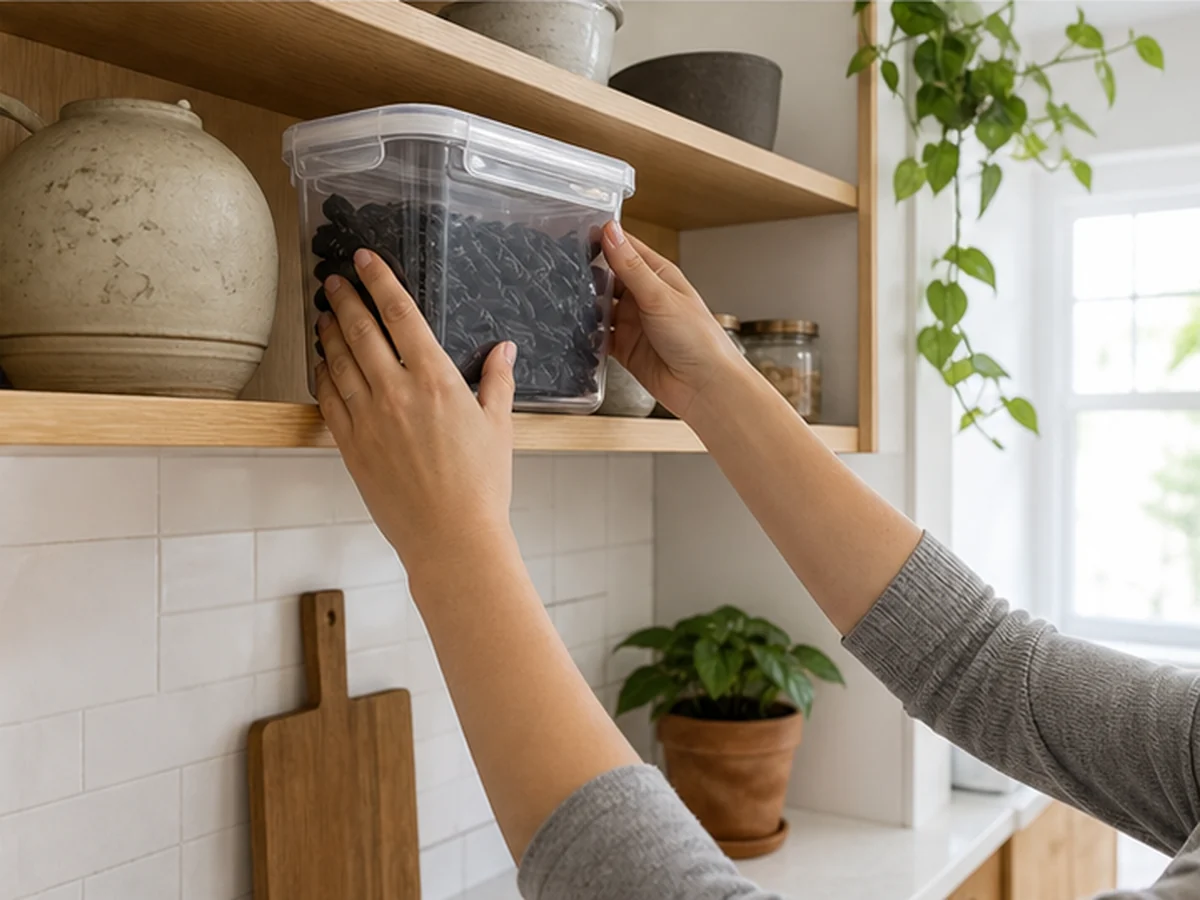
Store mixed candy in a latched cupboard rather than an open bowl, and ask children to count wrappers before leaving the room. Black and red twists can disappear beneath furniture with their film still attached.
Separate chocolate, sugar-free gum, raisins, medication-like mints, and cannabis edibles from ordinary sweets. A missing mixed handful should be reconstructed item by item instead of labeled simply licorice.
Give the cat a measured food puzzle during candy sorting. That offers a legitimate project without rewarding wrapper theft or botanical supplement access.
Frequently asked questions
Is black licorice poisonous to cats?
Real licorice extract is pharmacologically active, but a precise feline toxic dose is not established. Identify the product and call after meaningful ingestion rather than assuming every black candy is identical.
Can cats eat red licorice?
It often lacks true licorice root, yet it remains sticky, sugary candy and may contain wheat, flavors, sweeteners, and wrappers. Do not offer it.
What if my cat drank licorice tea?
Save the blend label and call with volume, strength, steep time, other herbs, sweeteners, and symptoms. Do not induce vomiting or change prescribed medicine yourself.
Can licorice help a cat’s stomach?
No proven home dose or treatment supports that use. Vomiting, diarrhea, appetite loss, coughing, ulcers, or pain needs veterinary assessment.
Bottom line
Licorice is a name shared by candy shapes, root chemistry, extracts, tea, and anise-like flavor, so the wrapper matters enormously. Keep feline evidence limits honest, keep canine xylitol certainty in its lane, and call with the real product rather than its color.