Can Cats Eat Kale? Portions, Stems, Compounds, and Seasonings
A tiny shred of washed, plain, fully cooked kale is unlikely to poison most healthy adult cats, but kale is not needed and should not become a supplement. Tough stems, raw bunches, seasoning, chips, smoothies, garden chemicals, medical diets, and exaggerated claims about thyroid or oxalate effects require a more careful answer.
One leaf can arrive in six very different forms
| Form | Main question | Practical answer |
|---|---|---|
| Soft cooked shred | Plain, tiny, cooled? | Optional for a healthy adult |
| Raw leaf or stem | Toughness and amount? | Remove and monitor or call |
| Kale chip | Oil, salt, powder, hard texture? | Skip |
| Smoothie | Fruit, caffeine, sweetener, supplement? | Read every ingredient |
| Salad | Alliums, dressing, cheese, objects? | Evaluate the full bowl |
| Garden plant | Pesticide, fertilizer, slug bait, ties? | Identify environmental exposure |
Start with preparation and quantity instead of debating whether kale is good or bad in the abstract. Save packaging, recipe, supplement scoops, and garden-product labels before cleaning the scene.
Breathing difficulty, repeated choking, collapse, seizures, severe weakness, persistent vomiting, or a known swallowed skewer or plastic object requires urgent veterinary care. Do not induce vomiting.
The narrow serving lane is soft and tiny
If the veterinarian has not restricted extras, a healthy adult could taste one finely minced shred of kale steamed or boiled in plain water. Remove the thick rib, cool it completely, and do not add oil, salt, broth, butter, cheese, onion, or garlic.
A tolerated shred is not evidence that a larger portion is beneficial. Cats are obligate carnivores and can receive complete nutrition without a rotating vegetable calendar.
Stems are a texture problem before a chemistry problem
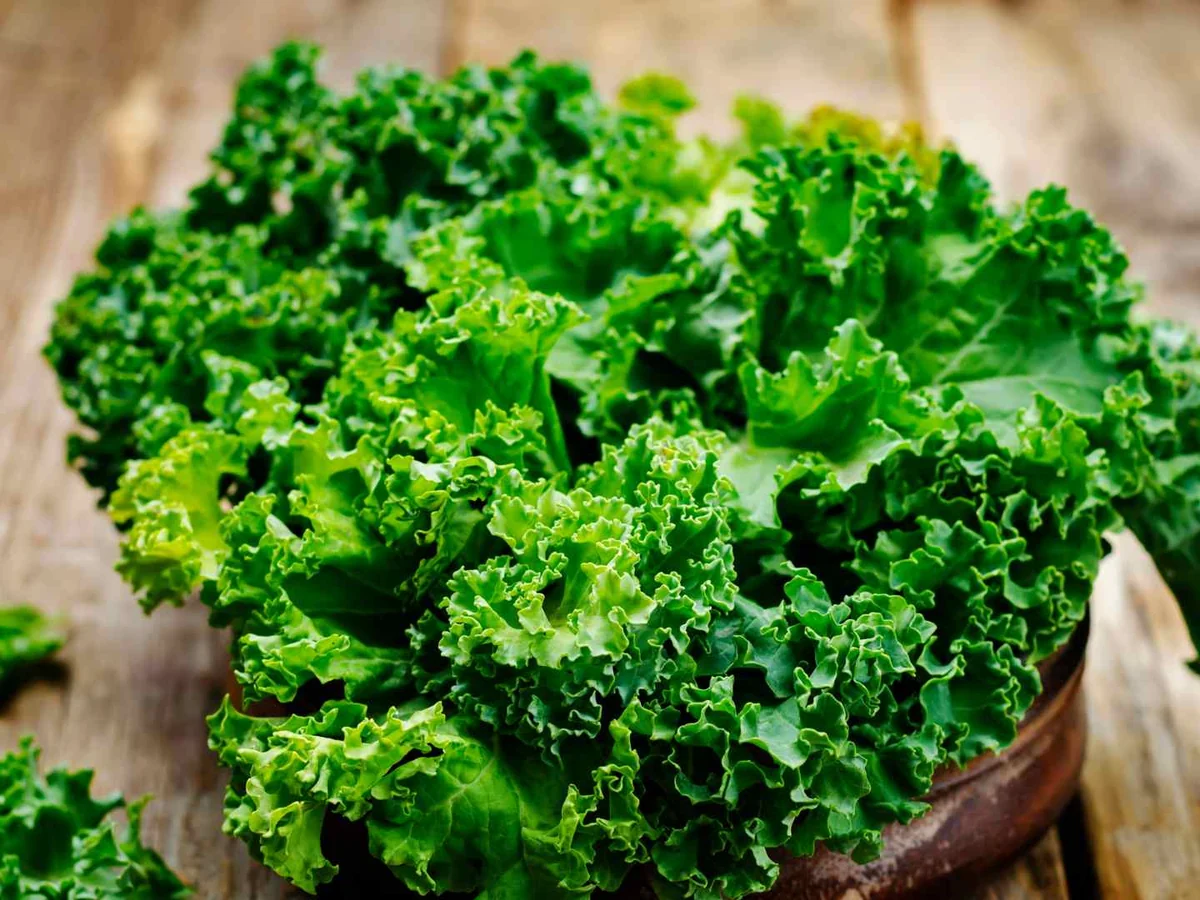
Central ribs and stalks are fibrous, stringy, and awkward for feline teeth. Long strips can lodge in the mouth, trigger gagging, or be swallowed with poor chewing.
Call for drooling, repeated swallowing, mouth pawing, retching, vomiting, belly pain, reduced stool, or food refusal after a stem disappears. Do not pull plant fibers protruding from the mouth or rectum.
Raw kale is bulky and hard to portion
A raw leaf can be chewed into ragged pieces or swallowed as a folded wad, while its surface may carry soil and residues. Wash produce under running water and remove damaged outer leaves before human preparation.
The FDA recommends washing produce under running water without soap or commercial produce wash. Washing reduces surface contamination but does not make a large raw leaf appropriate for a cat.
Kale is not a feline detox program
Human nutrition headlines about antioxidants, vitamins, fiber, cleansing, or immunity do not demonstrate a clinical benefit from adding kale to cat food. Nutrients work within complete diets, and more of one food is not automatically better.
The Cornell Feline Health Center centers complete, balanced diets. A vegetable topping should never displace the animal-based nutrition a cat actually requires.
Keep thyroid claims proportional
Kale and other cruciferous vegetables contain glucosinolates and related compounds, which prompts internet claims that any bite will damage a cat’s thyroid. Evidence from large or sustained exposures in some species does not establish that one tiny cooked feline taste causes hypothyroidism.
That does not justify feeding concentrated kale powders or daily raw portions. Cats with thyroid disease or iodine-sensitive therapeutic plans need the veterinarian’s answer for the exact diet and product.
Oxalate is not a one-food diagnosis
Kale contains oxalate, but urinary crystals and stones reflect mineral balance, urine concentration, pH, anatomy, disease, and the complete diet. A generic food list cannot predict an individual cat’s recurrence risk.
Do not add kale to treat or prevent urinary disease, and do not promise that a single shred creates a stone. Cats with previous calcium oxalate uroliths or a urinary prescription should receive only clinician-approved extras.
Kale chips are a different snack
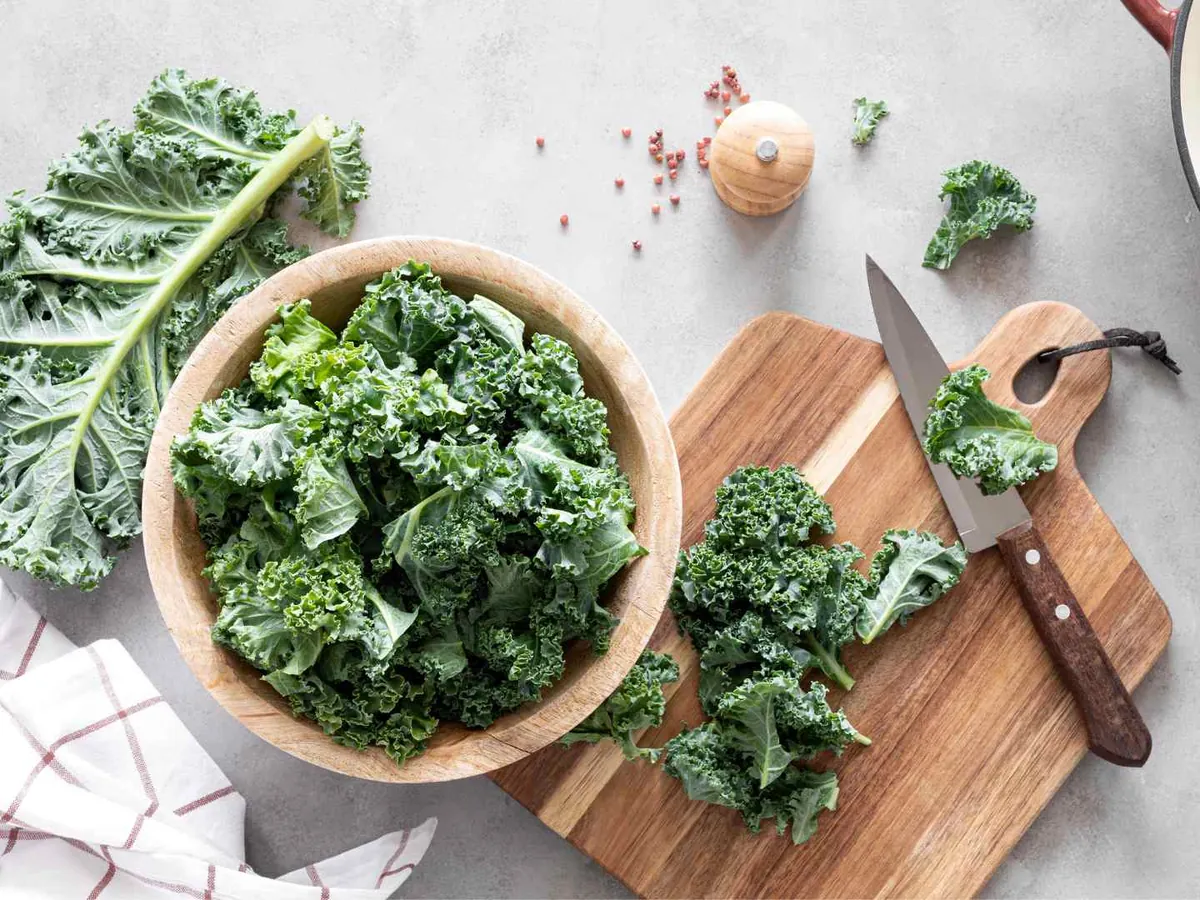
Commercial or homemade chips can contain oil, salt, nutritional yeast, cheese, onion powder, garlic powder, chile, vinegar, or smoke flavor. Crisp curled pieces can also be sharp or difficult for cats with dental disease.
Read the current bag rather than assuming “veggie chip” means plain. Our lettuce guide covers another leafy food, while kale chips need finished-snack reasoning.
Smoothies concentrate uncertainty
A green drink may blend kale with grapes, raisins, cocoa, coffee, matcha, protein powder, vitamins, sweeteners, avocado, citrus peel, or herbal extracts. A cat can lap liquid faster than it can chew leaves.
Save the full recipe and supplement labels, then call for hazardous ingredients or a meaningful unknown exposure. Do not assume the vivid green color reveals the largest ingredient or risk.
Salad dressing changes the bowl
Kale salads commonly include onion, garlic, shallot, chive, cheese, nuts, raisins, bacon, croutons, mustard, vinegar, oil, and salty dressing. Picking out the leaf cannot remove seasoning already coating it.
Our onion article explains delayed red-cell injury, and the cranberry guide helps with dried-fruit and sweetened-sauce forms often mixed into salads.
Garden kale comes with garden hazards
Outdoor plants may carry fertilizer, pesticide, herbicide drift, slug bait, compost, mold, wildlife feces, netting, stakes, and plant labels. Identify every product used on the bed and prevent access during application intervals.
Chewing an untreated leaf may cause only digestive upset, but a chemical exposure or missing tie changes urgency. Photograph the plant and product label rather than bringing a loose contaminated specimen into the clinic.
Powders and supplements are concentrated products
Kale powder in greens blends can deliver a large plant quantity in a small scoop and may include algae, caffeine, probiotics, minerals, herbs, or sweeteners. Human directions are not feline doses.
Do not sprinkle greens powder over cat food for fiber, vitamins, or hairballs without veterinary review. Fine dust can also irritate eyes and airways or coat paws for later grooming.
Fiber does not diagnose constipation
Kale fiber is not a universal remedy for constipation, diarrhea, or hairballs. Straining can indicate stool trouble, urinary obstruction, pain, or another condition, and male cats producing little urine need emergency assessment.
The site’s broccoli guide applies similar cruciferous and texture reasoning. Use only the fiber type, preparation, and dose recommended for the diagnosed problem.
Kittens and medical diets should skip experimentation
Kittens need complete growth nutrition, while cats with kidney, thyroid, urinary, gastrointestinal, diabetes, obesity, or food-allergy plans may have narrow ingredient and mineral targets. Optional kale adds complexity without a demonstrated need.
The FDA explains nutritional adequacy statements on staple diets. Use the approved ration for rewards and medication instead of improvising vegetable wraps.
Storage and spoilage still matter
Refrigerate washed cut kale promptly, keep raw leaves separate from raw meat, and discard slimy, yellowed, foul-smelling, moldy, or long-forgotten bunches. Cooking does not reliably repair toxins produced during spoilage.
Produce bags, rubber bands, twist ties, clamshells, and absorbent pads can obstruct or suffocate. Account for packaging whenever the refrigerator drawer has been opened by someone with paws.
A sensible response to stolen kale
- Identify raw leaf, cooked shred, stem, chip, smoothie, salad, powder, or garden plant.
- Check amount, time, texture, seasonings, supplements, chemicals, and missing objects.
- Call for Alliums, grapes, concentrated products, garden chemicals, severe signs, or foreign material.
- After one tiny plain soft shred, monitor appetite, vomiting, stool, comfort, and energy.
- Do not induce vomiting, force food, or use kale as treatment.
If several cats shared the food, list each animal’s weight, conditions, and likely portion separately. The one wearing a leaf as a hat may not have eaten the most.
Prevent repeats by washing and chopping produce with the cat outside the kitchen, then closing scraps in a rigid bin. A measured piece of normal cat food provides a more useful reward.
A note on cooked leftovers
Plain steamed kale should be refrigerated promptly in a covered container and discarded if slimy, sour, moldy, or forgotten. Reheating old leaves does not reliably undo spoilage, and a cat-sized taste never justifies gambling on a questionable batch.
Microwaved greens can hide hot wet pockets, so stir and cool the portion before serving. Do not cool it by adding salted broth, cream, butter, or gravy, because the solution quietly becomes the new problem.
- Use a clean utensil rather than fingers that handled onion, garlic, raw meat, or chile.
- Minced kale should remain visibly separate from medication so the full dose can be confirmed.
- Collect uneaten shreds quickly before they dry into stringy floor snacks.
- Wash the cat dish after any optional plant taste instead of mixing residue into the next meal.
Cats that repeatedly seek leafy plants may be bored, nauseated, hungry, or showing pica, but the behavior alone does not reveal a diagnosis. Track what is chewed, appetite, vomiting, stool, weight, medications, and access to safe enrichment.
Cat grass is a distinct plant product, not proof that every leafy green is suitable. Use our grass article for lawn chemicals, vomiting, blades, and indoor growing considerations.
Arrange veterinary assessment if plant chewing is new, persistent, accompanied by weight loss or vomiting, or extends to plastic, fabric, litter, and soil. Increasing kale portions can hide the pattern without addressing its cause.
Leafy questions without leafy hype
Can kittens eat kale?
Kittens need complete growth food and gain no necessary benefit from kale. Tough raw leaves and stems are also poor textures for a small mouth.
Can kale cause thyroid disease in cats?
A single tiny cooked taste is not proven to cause feline thyroid disease, but concentrated or repeated feeding is unnecessary. Cats with thyroid conditions need individualized veterinary diet advice.
Is kale good for cat constipation?
Do not use it as a home treatment. Constipation and urinary straining can look similar, and the correct fiber plan depends on diagnosis and hydration.
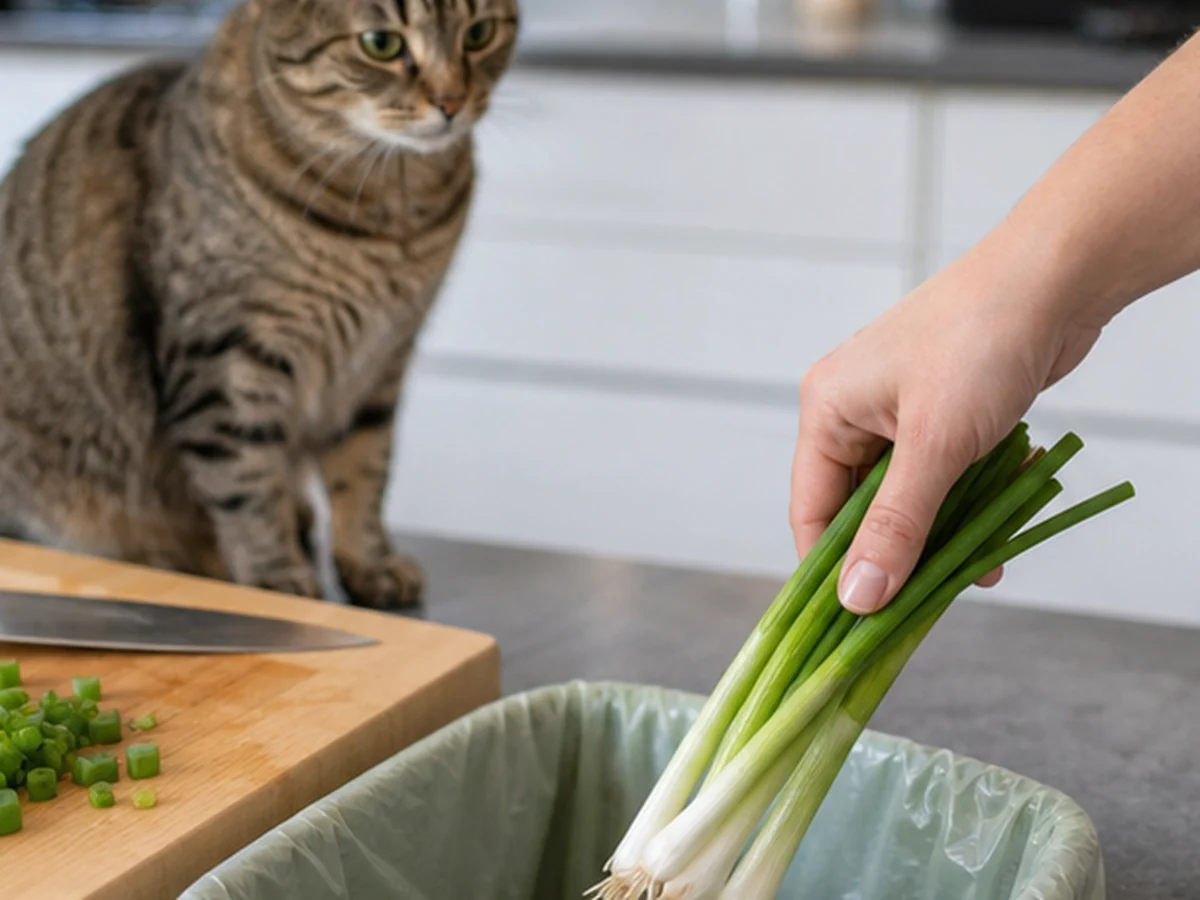
The kale verdict
One tiny soft plain kale shred is usually a low-stakes taste, not a health intervention. Remove stems, skip raw bunches, chips, smoothies, powders, and seasoned salads, keep thyroid and oxalate claims proportionate, and let the complete diet and treating veterinarian make the nutritional decisions.