Can Cats Eat Saltine Crackers? Salt, Flavors, Toppings, and Packages
One plain saltine crumb is unlikely to harm a healthy cat, but saltines are dry, salty starch with no useful place in feline nutrition. A stack of crackers, flavored coatings, rich toppings, raw dough, or swallowed wrapper material deserves a closer look.
Count crackers and inspect the box
Find the exact brand and variety, then check how many full squares are missing. Look for torn sleeves, plastic film, box staples, freshness packets, and crumbs trapped on the cat’s paws or collar.
Note salted or unsalted tops, whole wheat, oyster-style mini crackers, seasoning, and anything spread across them. A cheese-covered party cracker is not triaged from the word saltine alone.
Call promptly for a large amount, extreme thirst, repeated vomiting, weakness, disorientation, tremors, seizures, breathing difficulty, a missing wrapper, or an unknown topping. Do not induce vomiting.
A crumb and a sleeve are different events
A healthy adult cat that crunches one plain corner may need only observation. Eating much of a sleeve delivers more sodium, dry bulk, calories, and packaging opportunity.
Estimate fractions of crackers rather than calling every theft a bite. The cat cracker guide covers the wider snack category, while the current label settles this product.
If the cat is very small or medically fragile, the same number of crackers represents a different proportion. Call sooner for heart disease, kidney disease, high blood pressure, diabetes, or a sodium-restricted prescription diet.
Salt is the obvious label issue
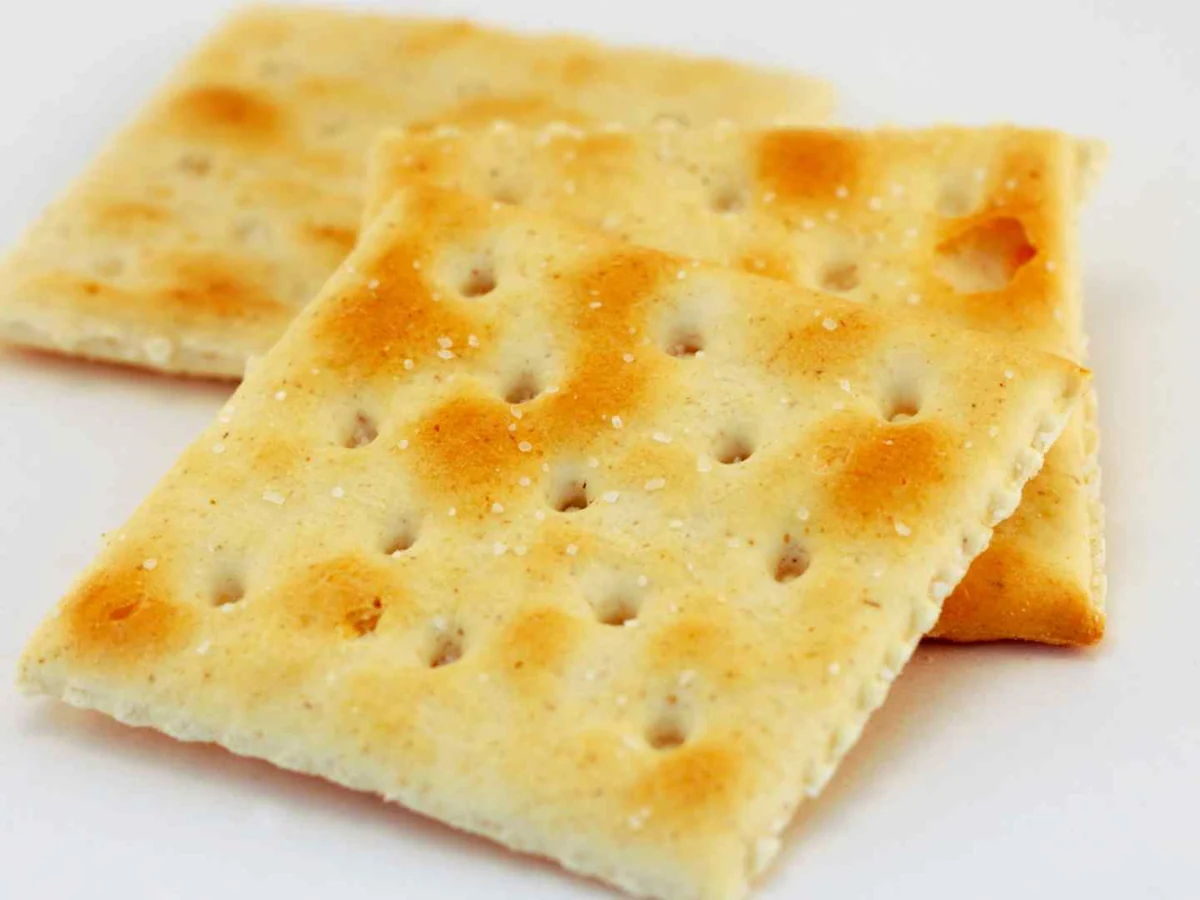
Standard saltines contain sodium in the dough and may carry visible crystals on top. Brushing off the surface does not remove salt baked through the cracker.
The FDA Nutrition Facts guide helps interpret serving size and sodium. Calculate from the number of crackers actually eaten rather than quoting the human serving as a feline dose.
Severe salt intoxication is possible after substantial sodium exposure, but one crumb should not be described like an entire salt packet. Symptoms and quantity determine urgency.
Unsalted tops does not mean sodium-free
Unsalted-top saltines omit the visible surface crystals, but the dough may still contain sodium. Reduced sodium, low sodium, and no salt added are regulated label phrases with different meanings.
Read the Nutrition Facts panel every time because brands and recipes change. A front-panel promise is not the whole formula.
Even a genuinely low-sodium cracker remains dry carbohydrate rather than a balanced cat treat. Choose a small piece of the cat’s normal food instead.
Dry squares can crumble, clump, and choke
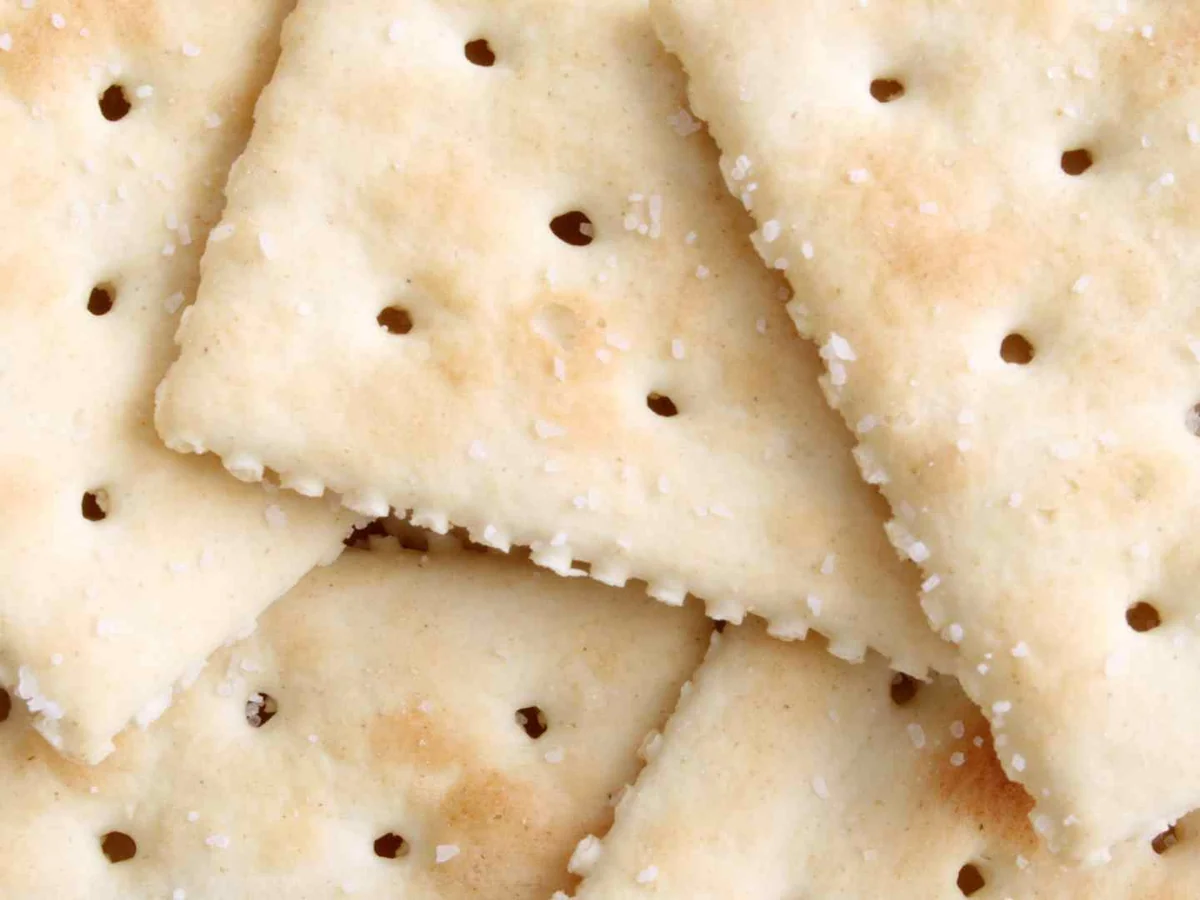
Saltines shatter into dusty pieces, yet a whole square can become a dry wad when mixed with saliva. Kittens, flat-faced cats, cats with dental pain, and hurried gulpers may struggle more.
Coughing, gagging, repeated swallowing, pawing at the mouth, blue or gray gums, or panic needs immediate care. Do not pour water into a choking cat’s mouth.
Cracker dust can also irritate eyes and airways. Move the cat away from the spill and call for persistent coughing, squinting, or breathing changes.
Flavored saltines hide in the fine print
Garlic, onion, ranch, cheese, barbecue, chile, and herb versions can put concentrated powder on every surface. Allium seasonings deserve special respect in cats because they can damage red blood cells and the visible illness may be delayed.
The cat garlic guide helps assess garlic powder, and the package should stay beside the phone. Effects from alliums can be delayed.
Persistent drooling, vomiting, weakness, pale gums, rapid breathing, or dark urine deserves urgent attention. Do not wait for gum color to change before calling about a known ingredient.
Cheese, butter, and peanut butter
Butter and cheese add fat, calories, dairy, and sometimes more salt. A large greasy snack can trigger vomiting, diarrhea, abdominal pain, or appetite loss.
Peanut butter can be sticky enough to make swallowing awkward, and specialty products may include sweeteners. Use the exact jar label and do not assume a dog warning automatically proves a feline toxic dose.
The cat cheese guide explains lactose, fat, and sodium. A cracker does not make a rich topping safer.
Soup, chili, and sick-day feeding
Saltines are often crumbled into canned soup, chili, broth, or stew, where onion, garlic, sodium, spice, bones, and hot temperature can become the real hazards. Retrieve the full recipe or can label.
Do not give crackers to settle a cat’s stomach because that habit comes from human care, not feline evidence. Repeated vomiting, diarrhea, or refusal to eat deserves diagnosis.
Cats that stop eating can become seriously ill, especially when overweight or already unwell. A salty crumb is not an appetite treatment.
Tuna salad and deli stacks
A saltine topped with tuna salad can include mayonnaise, onion, garlic, pickle relish, mustard, and celery, while a deli stack may add cured meat and cheese. Count toothpicks too.
The cat onion guide applies when chopped onion appears. Preserve leftovers so the veterinarian can see proportions if requested.
Scraping a cracker clean after it fell does not create a recommended treat. Oils and seasonings remain in the perforations, which are excellent little condiment reservoirs.
Chocolate, marshmallow, and dessert versions
Chocolate-coated crackers, s’mores, caramel bark, and holiday treats add cocoa, sugar, fat, sticky candy, nuts, or wrappers. Chocolate type and amount matter.
The cat chocolate guide helps organize cocoa concentration and symptoms. Save every package involved instead of guessing from coating color.
Rapid heart rate, agitation, repeated vomiting, tremors, seizures, or collapse after chocolate needs urgent care. Do not feed more food to dilute it.
Raw cracker dough is not a snack
Homemade saltine dough can contain raw flour, butter or shortening, salt, and sometimes leavening. Raw flour may carry harmful bacteria before baking.
The FDA warns that flour is a raw food and advises against eating uncooked dough. Keep proofing or resting dough in a closed room.
If yeast was used, report that immediately because expanding fermenting dough creates additional dangers. Do not wait for a swollen abdomen.
Stale is not the same as moldy
A stale cracker may be unpleasant and dry without being toxic, while moisture can allow visible mold or rancid fat. An odd odor, discoloration, dampness, or damaged package is reason for secure disposal.
Some molds produce neurologic toxins, and absence of fuzz does not certify food left in a wet basement. Tremors, agitation, high body temperature, or seizures are emergencies.
Do not give stale crackers to cats as a waste-reduction strategy. Compost and trash should be inaccessible too.
Plastic sleeves can outlast the snack
The inner sleeve smells like crackers and tears into swallowable ribbons. Cardboard tabs, tape, hard box pieces, and desiccants may join the mess.
The FDA household pet-hazard guidance supports securing food packaging and small objects. Call whenever film or a packet is missing.
Never pull plastic protruding from the mouth or anus. It may be anchored farther along the digestive tract.
Crumbs in beds, keyboards, and couches
Saltine crumbs migrate into upholstery and under appliances, where they mix with dust, string, medication, and cleaning residue. Vacuum after moving the cat to another room.
A cat licking one old crumb is not a salt emergency, but repeated scavenging can hide how much was eaten. Store snack sleeves in a rigid closed container.
If pills were handled near the crackers, inventory every tablet. A missing human medication deserves immediate identification and a call.
Cats on medical diets
Kidney, urinary, cardiac, diabetic, gastrointestinal, allergy, and weight-control diets are formulated with specific goals. Adding crackers can undermine consistency without offering a nutritional advantage.
Ask before using a saltine as a pill vehicle. Cats may eat the salty corner and leave the medication on the floor.
For nausea or appetite loss, contact the treating team. A bland diet for a person cannot be copied onto a cat by serving crackers.
What to monitor after one plain crumb
Keep normal fresh water available, continue regular meals, and watch vomiting, diarrhea, constipation, coughing, thirst, energy, balance, and appetite. Retain the box until the cat stays well.
Call if signs appear, if the amount was larger, or if the label reveals flavoring. Update the professional if wrapper pieces cannot be found.
Prevention is wonderfully boring: close the sleeve, clear the coffee table, and use cat food for cat treats. The cat may file a complaint, but the sodium budget wins.
Why crackers fail as training treats
Saltines break into inconsistent pieces, making portions surprisingly hard to track during a long training session. Their salt and starch buy very little reward value compared with a measured piece of the cat’s usual food.
Reserve a small portion of the daily kibble or use a veterinarian-approved commercial treat instead. This keeps calories visible and avoids teaching the cat that every crinkling snack sleeve deserves an inspection.
For cats who need softer rewards, ask about texture that suits their teeth and medical history. Moist cat food offered from a spoon can be easier to portion than a brittle human cracker.
FAQ
Can cats eat one plain saltine?
A tiny piece is generally low risk for a healthy cat, but saltines provide unnecessary sodium and starch and should not become routine.
Are unsalted saltines safe for cats?
Unsalted tops may still contain sodium in the dough, and the cracker remains nutritionally unnecessary, so read the label and skip planned servings.
What if my cat ate a whole sleeve?
Call with the brand, amount, timing, medical history, and any symptoms because the sodium, dry bulk, calories, and missing plastic all matter.
Can crackers help a cat’s upset stomach?
No evidence-based feline rule supports that home remedy. Repeated digestive signs or appetite loss needs veterinary assessment.
Bottom line
A plain saltine crumb is usually low risk, but a stack, flavored powder, rich topping, raw dough, symptoms, or missing sleeve changes the response. Saltines are people snacks, and a cat’s regular complete food is the better treat jar.