Can Cats Eat White Rice? Plain Cooked Grains, Raw Rice, Recipes, and Bland-Diet Myths
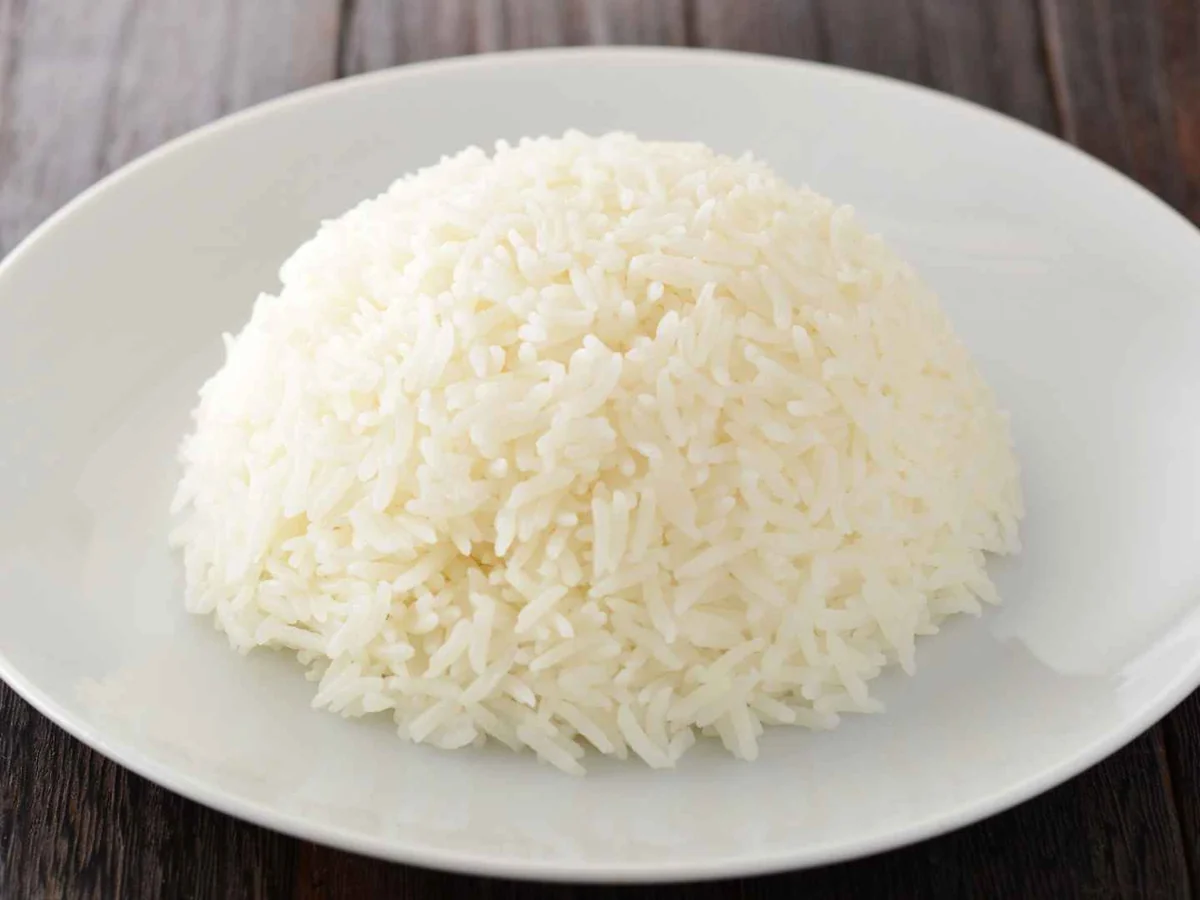
A few grains of plain, thoroughly cooked white rice are generally low risk for a healthy cat, but rice is optional carbohydrate rather than a treatment or complete meal. Raw grains, large sticky clumps, salt, alliums, rich dishes, spoiled leftovers, and medical diets change the advice.
Identify the rice dish before counting grains
Determine long-grain, jasmine, basmati, sushi, arborio, instant, parboiled, raw, cooked, fried, seasoned, or part of a casserole. Save the package, recipe, and seasoning sachet.
Estimate teaspoons or bowl fraction and note broth, butter, oil, onion, garlic, meat, seafood, egg, dairy, spice, and packaging. Check skewers and desiccant packets.
Call promptly for severe choking, repeated vomiting, abdominal pain, alliums, major salt exposure, raw dough, unknown seasoning, or missing packaging. Do not induce vomiting.
Plain cooked white rice is low risk, not necessary
Cooking hydrates rice into a digestible starch, and a tiny plain taste may pass without incident. Cats still need species-appropriate animal-derived nutrients and balanced formulation.
The Cornell feline feeding overview shows why starch cannot stand in for the animal-derived nutrients and careful formulation a cat requires. A bowl of rice and meat assembled by eye is not complete.
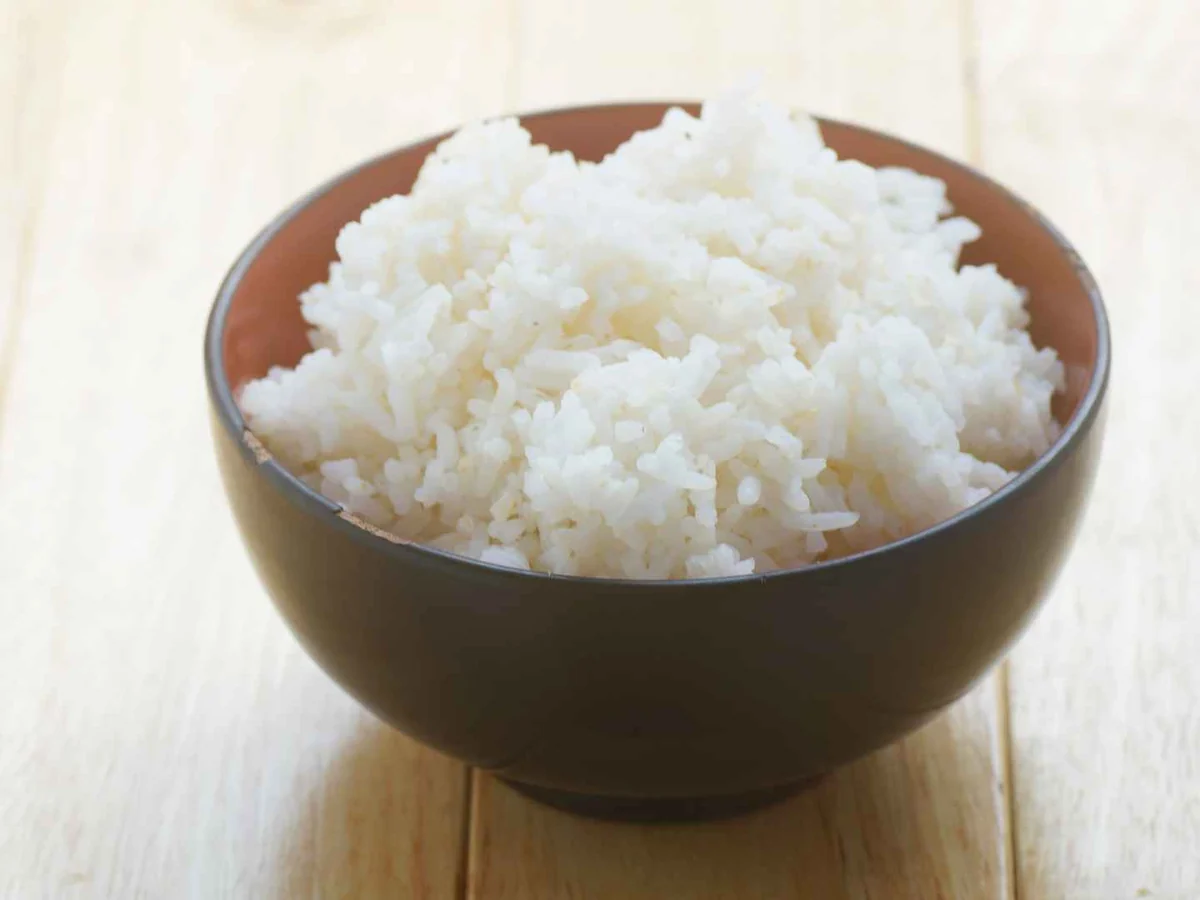
If a veterinarian approves a taste, cool it and break clumps apart. One teaspoon is a different event from replacing half the meal.
Rice is not a universal feline bland diet
Chicken and rice is common dog folklore, but cats have different nutrient needs and reasons for vomiting or diarrhea. No rice recipe diagnoses infection, obstruction, pancreatitis, parasites, toxin exposure, or urinary disease.
Do not withhold balanced food or improvise a multi-day rice diet without veterinary direction. Cats that stop eating can develop serious complications.
Repeated vomiting, bloody stool, severe diarrhea, pain, dehydration, lethargy, or appetite loss deserves prompt assessment. Kittens deteriorate quickly.
White and brown rice are not interchangeable
Milling removes bran and germ to produce white rice, altering fiber, nutrients, cooking, and storage. Brown rice’s human whole-grain reputation does not make it better cat food.
The cat brown-rice guide covers bran, texture, and recipes. Neither form is nutritionally complete for cats.
Cats with fiber-sensitive gastrointestinal disease may respond differently to each form. Follow the treating team’s plan.
Raw rice is hard and dusty
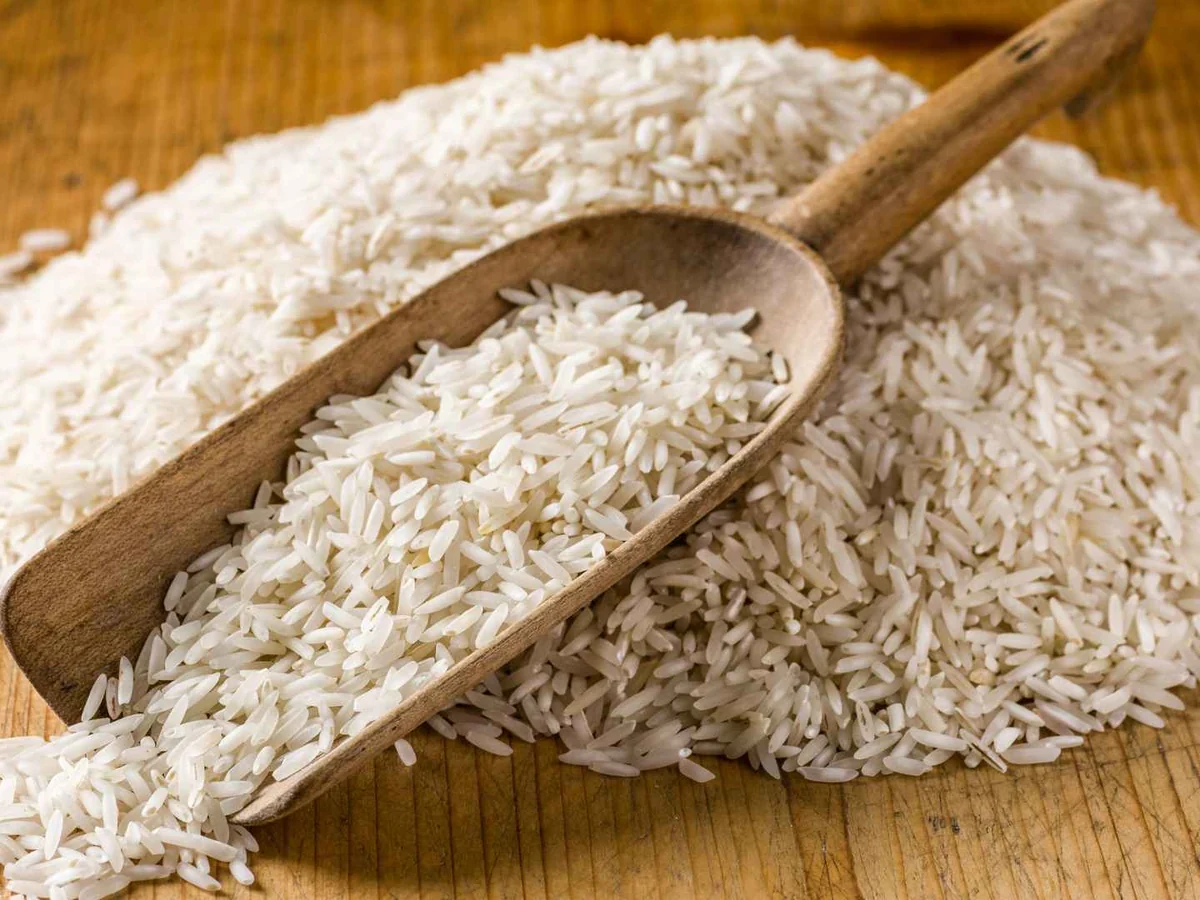
Uncooked grains can be difficult to chew, scatter into eyes, or be swallowed in quantity. Dry rice does not explosively expand inside a cat, but large amounts can still irritate or contribute to digestive trouble.
Do not force water after a pantry raid. Keep normal water available and call with the amount, cat’s weight, and symptoms.
Rice bags may contain measuring cups, clips, oxygen absorbers, or desiccants. Count every nonfood object.
Sticky clumps can choke
Short-grain and sushi rice can form dense cohesive balls, especially with sauce or fish. A hurried cat may swallow a clump with little chewing.
Coughing, gagging, repeated swallowing, panic, blue gums, or collapse is an emergency. Never pour liquid into the mouth of a choking cat.
Break rice apart only for a veterinarian-approved taste. Texture control does not create a reason to feed it.
Broth and bouillon add salt and alliums
Rice cooked in stock may absorb sodium, garlic, onion, scallion, or seasoning throughout. Draining afterward does not restore plain rice.
The cat onion guide covers delayed red blood cell injury. Cats are especially susceptible to Allium species.
Pale gums, rapid breathing, weakness, dark urine, or collapse can be delayed. Call after known exposure instead of waiting.
Fried rice is a mixed dish
Fried rice can contain oil, egg, soy sauce, onion, garlic, scallions, peas, carrots, pork, chicken, shrimp, chile, and sweet sauces. Restaurant sodium can be substantial.
The FDA label guide helps interpret packaged sodium, but restaurant recipes require current ingredient information.
Photograph the complete dish and save the receipt. One rice grain and a bowl raid need different calls.
Sushi rice carries vinegar, sugar, and companions
Sushi rice is seasoned with vinegar, sugar, and salt, then paired with raw fish, cooked seafood, avocado, wasabi, soy sauce, nori, and pickled ginger. The companions usually matter more.
The cat sushi guide covers raw seafood, H5N1 context, seasonings, and foreign objects. A roll cannot be reduced to white rice.
Count toothpicks, plastic grass, film, and sauce packets. Missing sharp objects require urgent direction.
Rice pudding and sweet rice
Rice pudding adds milk, cream, sugar, butter, eggs, raisins, spices, and sometimes alcohol. Many adult cats digest lactose poorly.
Xylitol causes established severe dog poisoning, while equivalent feline toxicity has not been demonstrated. Do not borrow dog doses, yet call about unknown sweeteners or sugar-free products.
The cat vanilla-yogurt guide offers dairy and sweetener context. Save the pudding recipe.
Rice cakes, crackers, and noodles
Puffed rice cakes may be salted, flavored, chocolate-coated, or bound with sweetener. Rice crackers can have hard edges and concentrated seasoning.
Rice noodles add sauce, broth, alliums, long strands, raw dough, and packaging. Gluten-free does not mean cat-appropriate.
A plain puff crumb may be low risk, while chocolate, choking, or a missing wrapper requires a different response.
Arsenic context without panic
Rice can take up inorganic arsenic from soil and water, which matters in human dietary guidance and infant-food regulation. That issue does not make one plain grain an acute cat poison.
FDA’s arsenic guidance emphasizes dietary variety for people. It does not prescribe rice rinsing or feline portions.
The practical feline answer is not to build a home diet around rice. Complete commercial or nutritionist-formulated food controls the full nutrient profile.
Diabetes, weight, and prescription diets
White rice contributes digestible carbohydrate and calories that can complicate diabetes and weight plans. Kidney and urinary diets also manage more than one nutrient.
Do not add rice to stretch expensive prescription food without asking the clinic. Dilution changes calories and therapeutic nutrient balance.
Use measured approved treats and report changes in thirst, urine, weight, or appetite. Rice should not disguise a medical trend.
Cooked-rice food safety
Cooked rice can support bacterial growth when held warm improperly, including Bacillus cereus spores and toxins. Cool promptly, refrigerate in shallow clean containers, and follow storage guidance.
The FoodSafety.gov kitchen guidance supports safe handling, though feline advice still depends on the entire dish. Reheating cannot undo every toxin formed during abuse.
Discard slimy, moldy, sour, or long-abandoned rice securely. Repeated vomiting or diarrhea after questionable leftovers deserves veterinary advice.
Takeout boxes and cooker hazards
Foam boxes, staples, plastic lids, sauce cups, chopsticks, and film retain food scent. Rice cookers also hold hot steam, cords, and nonstick inner pots.
Count packaging after a raid and call when pieces are missing. Do not pull string or film protruding from the cat.
Unplug and cool appliances before cleanup. Burns or electrical injury requires immediate care.
Watching after a few plain grains
For a healthy adult that ate a few cooled, plain, fully cooked grains, continue normal meals and water while observing vomiting, diarrhea, constipation, coughing, appetite, energy, and comfort. Keep the recipe.
Call if signs appear, more is missing, or broth, alliums, raw food, spoilage, or packaging enters the history. Medical diets justify faster guidance.
Store leftovers promptly and close dry-rice bags in a rigid container. The cat does not need a side dish, even if dinner supervision was excellent.
Rice water is not a treatment
Starchy cooking water is sometimes promoted online for diarrhea or hydration, but it lacks complete nutrients and can contain salt, broth, onion, garlic, or contamination from storage.
Do not replace fresh water or veterinary fluids with rice water. A cat unable to keep water down, showing dehydration, or refusing food needs professional assessment.
If a clinician recommends a specific liquid, follow its preparation, amount, and duration exactly. Home recipes should not grow by internet telephone game.
Baby rice cereal and fortified powders
Infant rice cereal may contain added iron, vitamins, milk ingredients, fruit, or flavor, and dry powder can reach eyes and airways. Human fortification does not make it a kitten formula.
Kittens require commercial kitten milk replacer or a veterinary feeding plan when maternal milk is unavailable. Rice cereal can dangerously dilute nutrition.
Move a coughing cat from airborne powder without sweeping more upward. Save the label and call for eye pain or breathing changes.
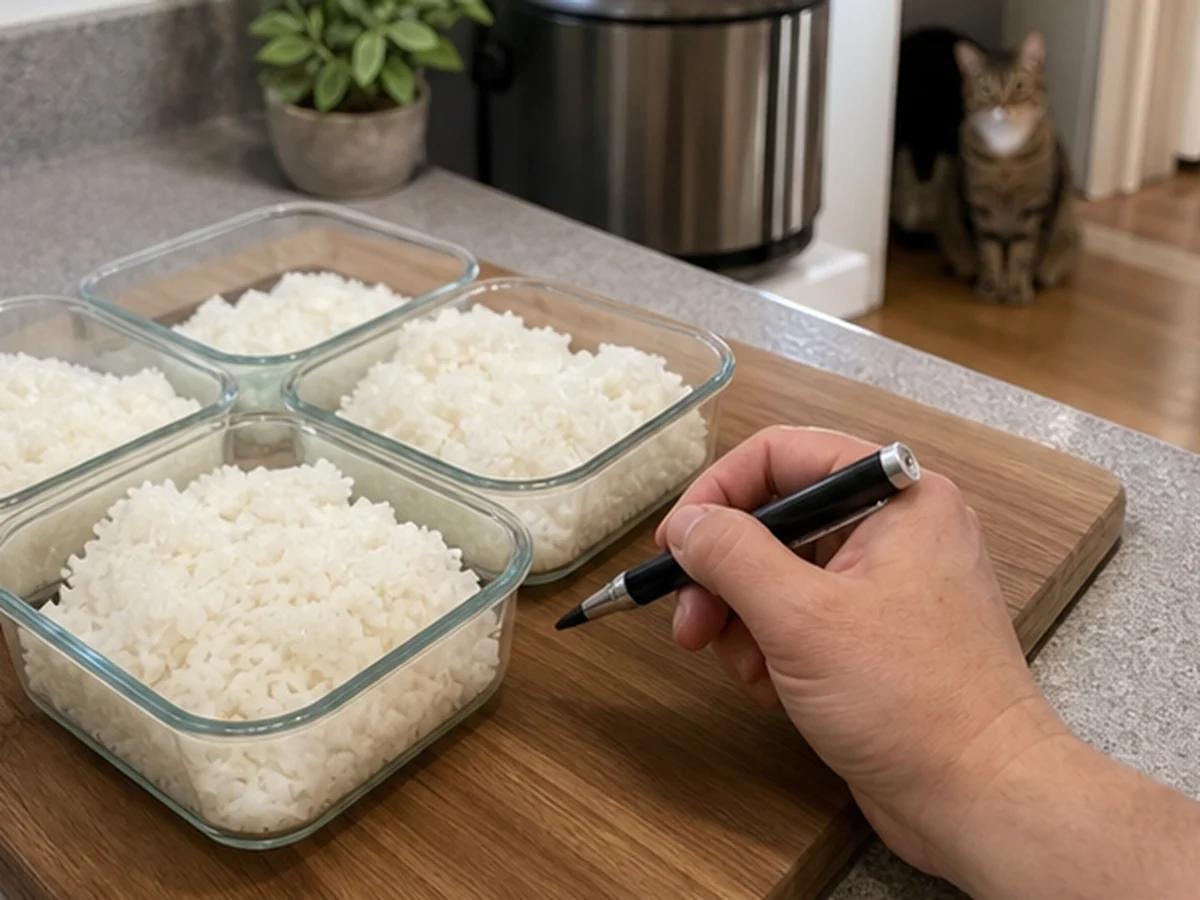
Meal-prep portions and household tracking
Cooked rice stored in large deep pots can cool unevenly, while repeated reheating complicates time and temperature history. Portion human leftovers into shallow covered containers promptly.
Label dates and discard uncertain containers rather than letting the cat finish them. Ordinary smell cannot detect every foodborne hazard.
When several family members share food, record every handout. Five invisible spoon-tip servings can become a visible diet change.
Rinsing rice changes surface starch and cooking behavior, but it does not transform the finished grain into complete cat food. Follow package directions for human meals and feline veterinary directions for the cat.
FAQ
Can cats eat plain cooked white rice?
A few cooled plain grains are generally low risk for a healthy cat, but rice is unnecessary and should not replace complete food.
Can white rice settle a cat’s stomach?
Do not assume so. Vomiting and diarrhea have many causes, and cats need diagnosis plus nutritionally appropriate feeding.
What if my cat ate raw rice?
A few grains may pass, but call about a large amount, coughing, vomiting, pain, or missing desiccants and packaging.
Is white rice good for cats with diarrhea?
Not as a blanket home remedy. Fiber and digestibility needs vary, and prolonged rice feeding creates nutritional imbalance.
Bottom line
A few plain cooked white-rice grains are usually low risk, but rice is neither complete nutrition nor an evidence-free bland-diet prescription. Preparation, clumps, broth, alliums, mixed dishes, spoilage, medical diets, and packaging determine the useful next step.