Can Cats Eat Peppers? Bell Peppers, Hot Chiles, and Products
A tiny soft piece of plain ripe bell pepper is generally low risk for a healthy cat, but cats do not need peppers. Hot chiles, capsaicin, powders, oils, sauces, pickled products, stems, large pieces, plants, and packaging require a very different response.
Identify the pepper before judging it
Save the label or photograph the whole fruit, plant, package, and dish. Bell pepper, jalapeño, habanero, peppercorn, and ornamental pepper are not interchangeable.
Call for hot-chile exposure with persistent signs, concentrated powder or oil, unknown plant, large amount, chemical contact, or swallowed packaging.
Breathing trouble, severe eye pain, repeated vomiting, collapse, tremors, or inability to swallow is urgent. Do not induce vomiting or give milk.
Bell peppers are the mild group
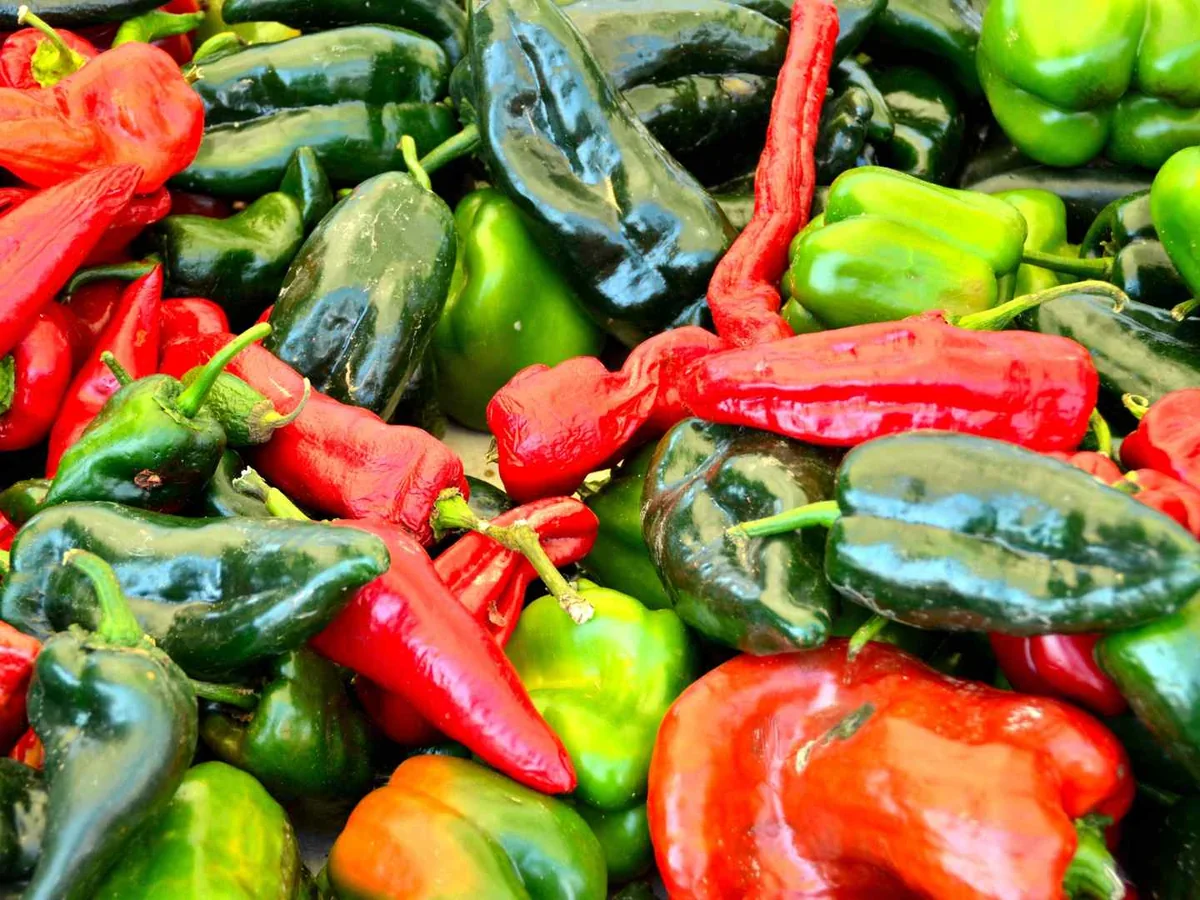
Red, yellow, orange, and green bell peppers contain little to no capsaicin and are not recognized feline toxins. One tiny soft plain piece may pass without signs.
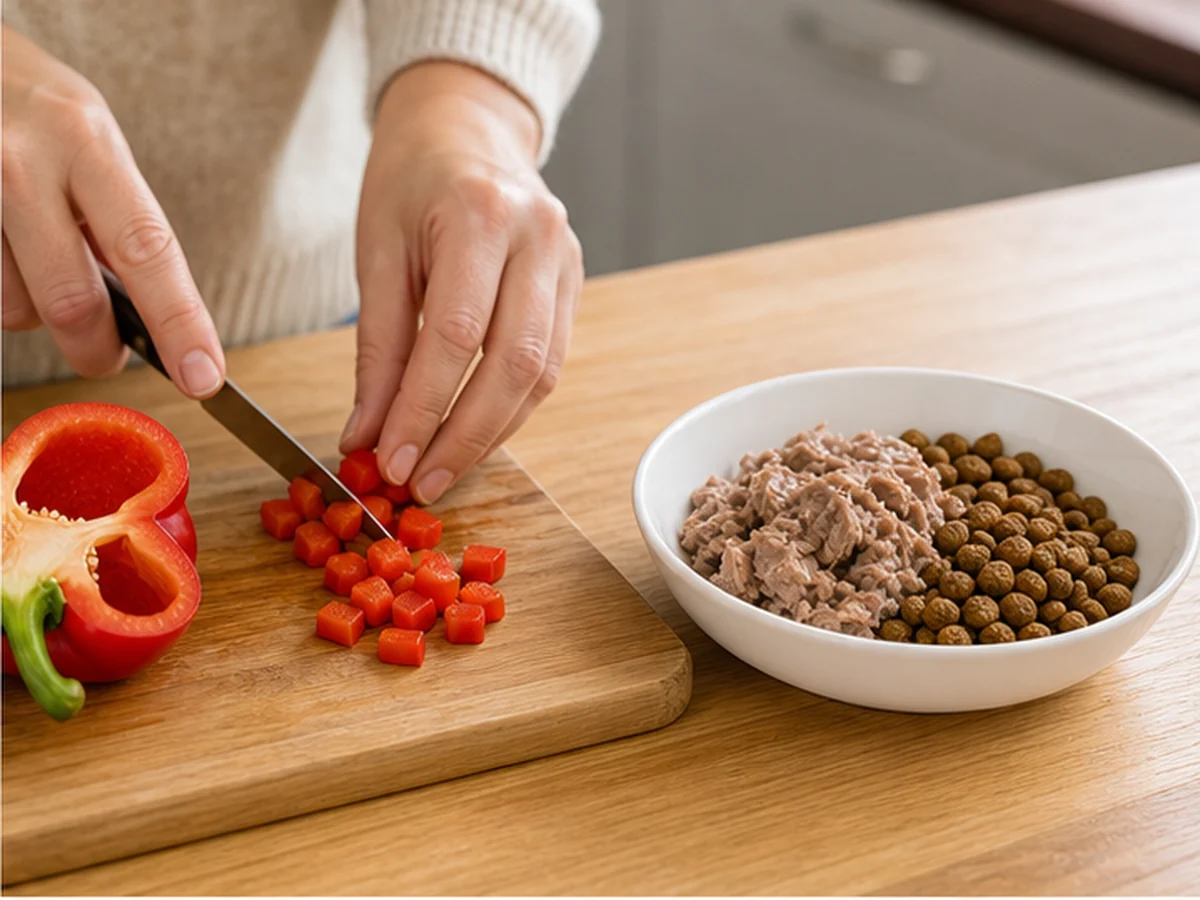
Remove stem, tough white ribs, and seed clusters, then mince any approved taste. The skin can be firm and large raw pieces can choke.
Cornell’s feline feeding guidance supports leaving bell-pepper vitamins to human nutrition and relying on balanced cat food. Bell-pepper vitamin claims do not create a cat requirement.
Color reflects ripeness, not a safety ladder
Green bell peppers are less ripe and can taste more bitter, while red peppers are sweeter. Color does not make one a necessary treat.
Choose fresh, washed, soft flesh if a veterinarian permits produce treats. One tiny piece is enough.
The cat bell-pepper guide covers this mild subgroup in greater preparation detail.
Hot chiles contain capsaicin
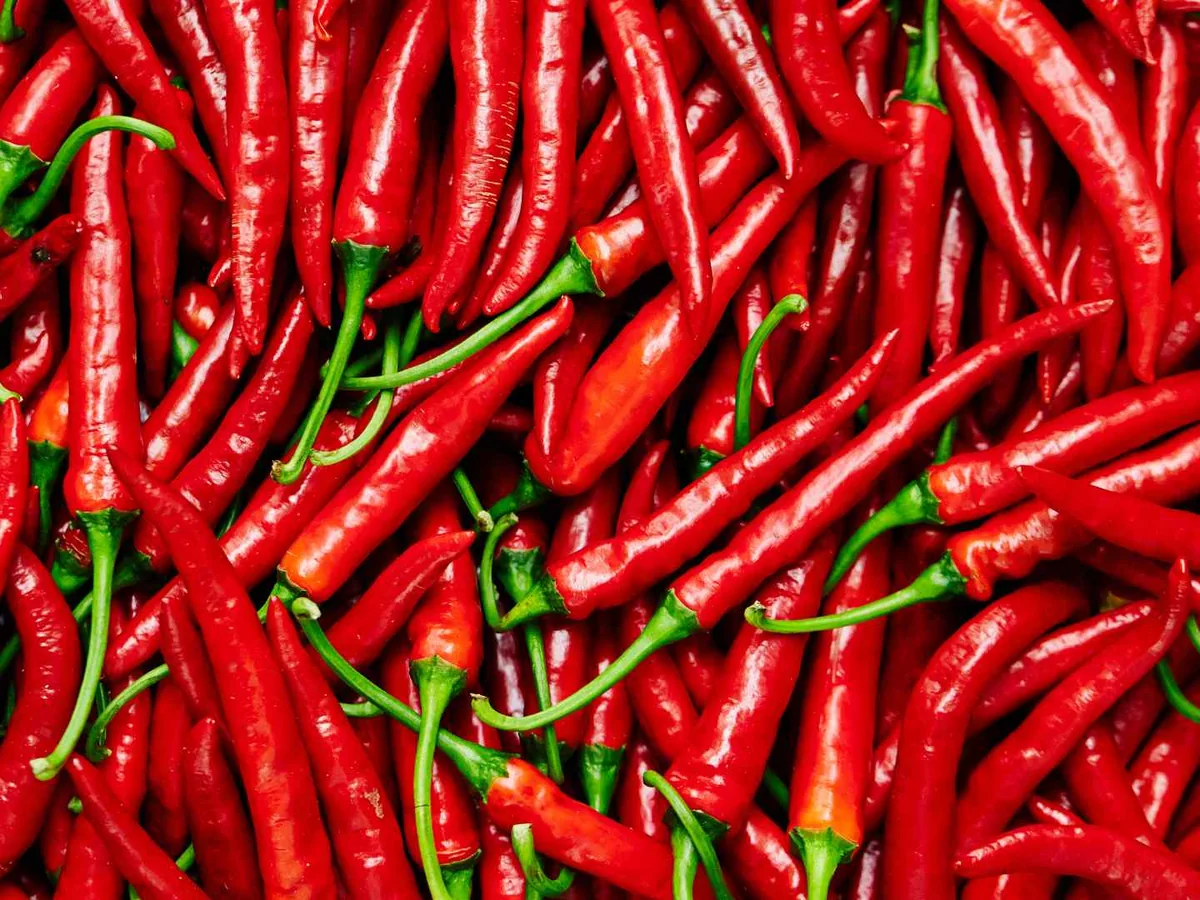
Jalapeños, serranos, cayenne, Thai chiles, habaneros, and many other hot peppers contain capsaicin that activates pain receptors. It can cause intense mouth, eye, airway, skin, and gastrointestinal irritation.
Drooling, pawing at the mouth, coughing, sneezing, vomiting, diarrhea, and eye pain may follow. Move the cat away from the source and call for persistent or severe signs.
The cat jalapeño guide addresses one popular chile, but heat varies even within a variety.
Milk is not a feline antidote
People use dairy for capsaicin relief, but many adult cats digest lactose poorly and forced liquids can be aspirated. Do not pour milk into a distressed cat’s mouth.
Offer normal water without forcing it and ask a veterinarian about safe decontamination. Avoid oil, detergent, and home neutralizers.
For fur contact, prevent grooming and use only the cleaning method recommended for the product and body area.
Seeds and white ribs
Chile heat is concentrated largely in placental tissue around the seeds, while seeds can carry capsaicin from contact. Removing seeds does not make a hot pepper cat-safe.
Bell-pepper seeds are not known feline poisons, yet clusters and stems are fibrous and unnecessary. Remove them to simplify texture.
Do not test pepper heat by tasting before handling the cat because capsaicin transfers from hands to eyes and fur.
Powder and flakes travel
Cayenne, chili powder, red-pepper flakes, and spice blends can be inhaled or rubbed into eyes. Chili powder may also contain garlic, onion, cumin, salt, and other ingredients.
Move the cat to clean air without sweeping a dust cloud. Call for coughing, breathing changes, squinting, repeated vomiting, or a meaningful swallowed amount.
Read the whole spice label. A red powder cannot be identified safely from color alone.
Pepper spray and concentrated extracts
Pepper spray, capsaicin concentrate, oleoresin, and hot-sauce extract are not food-size chile exposures. Eye and airway injury can be severe.
Leave the contaminated area, prevent rubbing and grooming, and contact emergency or veterinary services for decontamination instructions. Preserve the canister label.
Do not apply oils or creams. Breathing difficulty, collapse, severe eye pain, or persistent coughing requires urgent care.
Hot sauce is a mixed liquid
Hot sauce may contain chiles, vinegar, salt, garlic, onion, fruit, sugar, and preservatives. A few drops can spread widely over fur and paws.
The ASPCA notes cats’ susceptibility to allium-related red blood cell damage. Report the full sauce formula.
Wipe a minor surface smear with a damp cloth before grooming, but call about eye contact, persistent drooling, or respiratory irritation.
Pickled peppers and brine
Banana peppers, jalapeños, pepperoncini, and cherry peppers may be packed with salt, vinegar, garlic, onion, sugar, and spices. Brine can deliver much more sodium than one pepper ring.
The cat pickle guide helps evaluate brine and jar hazards. One lick is different from drinking the liquid.
Call for a large salty exposure, extreme thirst, vomiting, weakness, tremors, seizures, or collapse.
Stuffed and cooked peppers
Stuffed peppers can contain onion, garlic, cheese, sausage, rice, tomato sauce, raisins, skewers, and foil. Report the recipe, not only the vegetable shell.
Cooking softens bell pepper but does not remove alliums or excess salt from a dish. Hot chiles remain irritating after cooking.
Burning-hot filling can injure the mouth and skin. Use room-temperature water for a minor surface splash and seek care for blistering.
Black pepper is not a chile
Black peppercorn comes from a different plant family and contains piperine rather than capsaicin. It can still irritate eyes, airways, and the gastrointestinal tract.
A light culinary dusting is not equivalent to eating peppercorns or inhaling ground pepper. Call for coughing, eye pain, repeated vomiting, or a large amount.
Essential oils and concentrated pepper extracts again require product-specific advice.
Pepper plants and ornamentals
Leaves, stems, potting material, fertilizer, and pesticides add outdoor risks. Ornamental fruits may be extremely hot even when attractive and small.
Photograph the entire plant and tag, then identify garden chemicals. Do not decide safety from a decorative-store common name.
The FDA produce guidance supports washing edible produce and using clean tools, but it does not clear plant or pesticide ingestion.
Medical diets and prevention
Cats with gastrointestinal disease, dental pain, swallowing problems, kidney or heart disease, or prescription diets should skip peppers. Capsaicin can make an already sensitive mouth or gut miserable.
Store powders and sprays behind latches, wear gloves for hot chiles, wash hands before touching the cat, and clear stems, twist ties, and plastic bags.
After one tiny plain bell-pepper piece, monitor appetite, swallowing, vomiting, stool, and energy. Hot chile, concentrate, eye contact, and unknown plants require a faster call.
The useful roundup answer
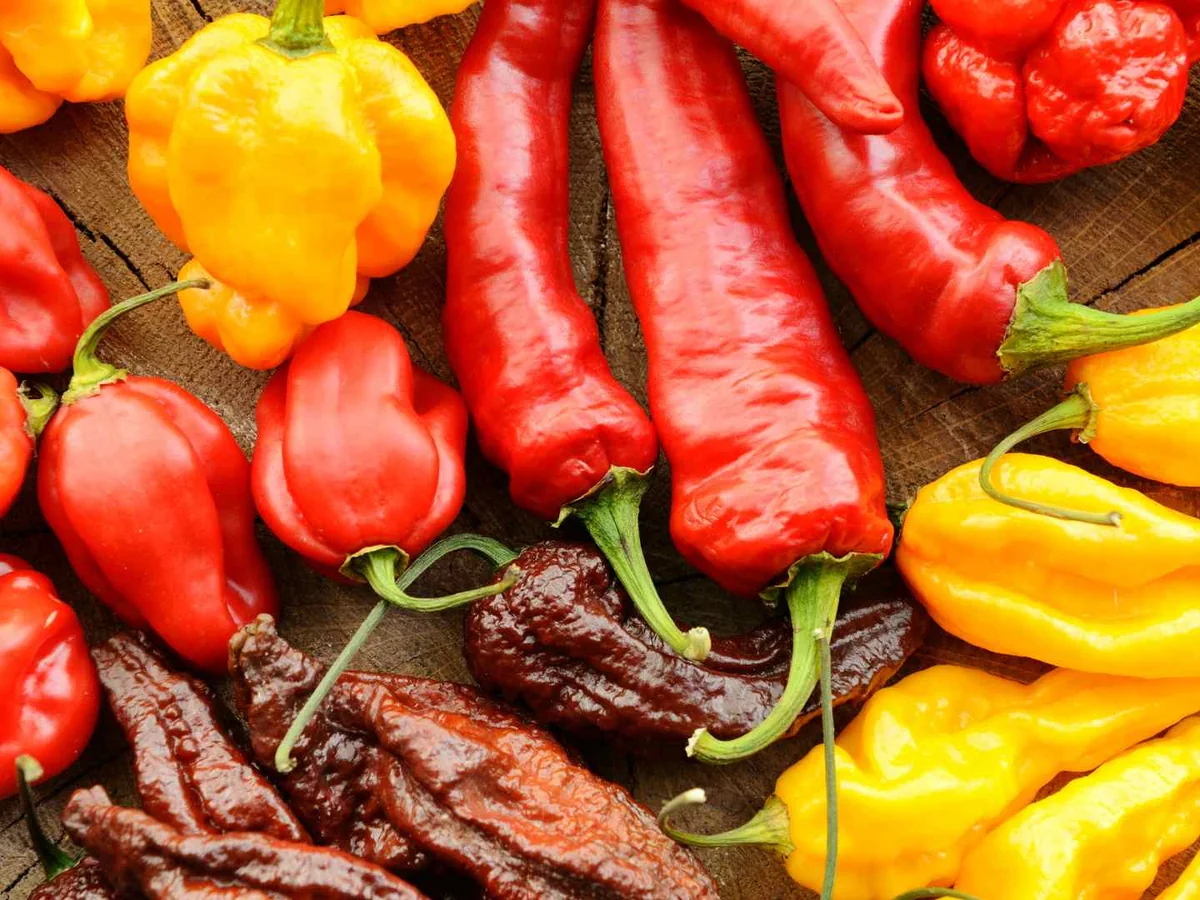
Plain bell pepper and capsaicin-rich chile are different exposures. A pepper incident turns on whether the item was mild or hot, fresh or concentrated, eaten or contacted, correctly identified, and free of hazardous additions.
Paprika and smoked pepper products
Paprika is ground sweet or mildly hot Capsicum and can still irritate when inhaled or rubbed into eyes. Smoked blends may include salt, garlic, onion, and other spices.
Read the label and move the cat away from airborne powder. Call for persistent coughing, squinting, repeated vomiting, or breathing changes.
A culinary dusting on food is not equivalent to eating a spoonful. Route and concentration matter.
Sweet mini peppers and pimentos
Mini sweet peppers and pimentos generally belong with mild bell peppers rather than hot chiles, but prepared pimentos may be brined or stuffed. Shape can also encourage gulping.
Offer no whole mini pepper. Remove stem, ribs, and seeds from any tiny approved taste and check jars for sodium and garlic.
A pimento inside an olive or cheese spread becomes a mixed-food question. Identify every component.
Pepperoncini versus pepperoni
Pepperoncini is a pickled pepper, while pepperoni is cured meat; the similar words create very different exposures. Both may be salty, and pepperoni commonly includes garlic and spices.
The cat pizza guide helps when cured meat, cheese, sauce, and dough are present. Do not use vegetable advice for sausage.
Save menus and labels when the name is uncertain. A photograph can quickly resolve what was actually stolen.
Chile oils and crisp condiments
Chile oil and chile crisp combine capsaicin with concentrated fat, salt, garlic, onion, fermented beans, nuts, or crunchy solids. Oil spreads over fur and prolongs grooming exposure.
Prevent licking and call for cleaning guidance. Eye contact, breathing changes, repeated vomiting, or severe mouth pain requires prompt care.
Do not apply dish soap near the eyes without professional direction. Concentrated condiments deserve product-specific handling.
Cross-contamination during cooking
Hands, knives, cutting boards, and countertops can transfer capsaicin to a cat’s fur or eyes even when no pepper is eaten. Wash hands thoroughly after handling hot chiles.
Keep cats out of the kitchen during chopping and frying, since aerosolized irritants can provoke coughing. Ventilate cooking areas.
If a cat suddenly squints or coughs after pepper preparation, consider environmental contact and call. Do not assume the cat must have swallowed food.
Feline taste does not guarantee safety
Cats may investigate fat, meat drippings, cheese, or salt around a pepper dish rather than seeking capsaicin. Willingness to lick a sauce is not evidence that it feels comfortable or is safe.
Avoid using hot pepper as a behavioral deterrent on cords, plants, furniture, or garden beds. It can injure eyes and airways.
Choose cat-safe barriers and enrichment instead. Punishment by irritation solves the wrong problem.
Pepper-flavored chips and snacks add starch, oil, salt, cheese powder, onion, garlic, and packaging to the pepper question. One crumb may be low risk, but a bag raid is not a vegetable exposure.
FAQ
Can cats eat bell peppers?
One tiny soft plain piece is generally low risk, but it is optional and should not replace balanced food.
Can cats eat jalapeños?
Do not offer them. Capsaicin can cause painful mouth, eye, airway, and gastrointestinal irritation.
Are pepper seeds toxic to cats?
Bell-pepper seeds are not established poisons, while chile seeds can carry irritating capsaicin. Neither needs to be offered.
What if hot sauce got on my cat?
Prevent grooming and call for cleaning instructions, especially for eye contact, coughing, drooling, or breathing changes.
Bottom line
Plain bell pepper and capsaicin-rich chile are different exposures. Form, heat, amount, mixed ingredients, contact route, plant identity, and packaging determine the response.