Can Cats Eat Tortillas? Corn, Flour, Raw Dough, Chips, and Fillings
One tiny piece of plain, fully cooked tortilla is generally low risk for a healthy cat, but it is unnecessary starch rather than a balanced treat. Raw dough, large chewy pieces, fried chips, salt, flavors, fillings, mold, and swallowed packaging each need a different response.
Lay out the tortilla evidence
Save the package or recipe and identify corn, flour, whole wheat, low-carb, spinach-colored, flavored, raw refrigerated dough, cooked tortilla, crisp shell, or chip. Estimate the portion and timing.
List fillings, dips, oil, salt, seasoning, and cooking method. Count plastic film, freshness packets, clips, foil, toothpicks, and skewers.
Call promptly for raw yeast dough, repeated vomiting, severe coughing, abdominal swelling, alliums, chocolate, alcohol, a missing sharp object, or breathing trouble. Do not induce vomiting.
Plain cooked tortilla is low risk, not useful
A soft corn or flour tortilla supplies carbohydrate and calories for people. It does not replace complete cat food or provide a reason to create a daily tortilla corner.
The Cornell Feline Health Center explains feline protein and nutrient needs. Human grain traditions do not change those requirements.
A tiny cooked bite may pass quietly, while a larger amount can cause vomiting, gas, diarrhea, constipation, or appetite displacement.
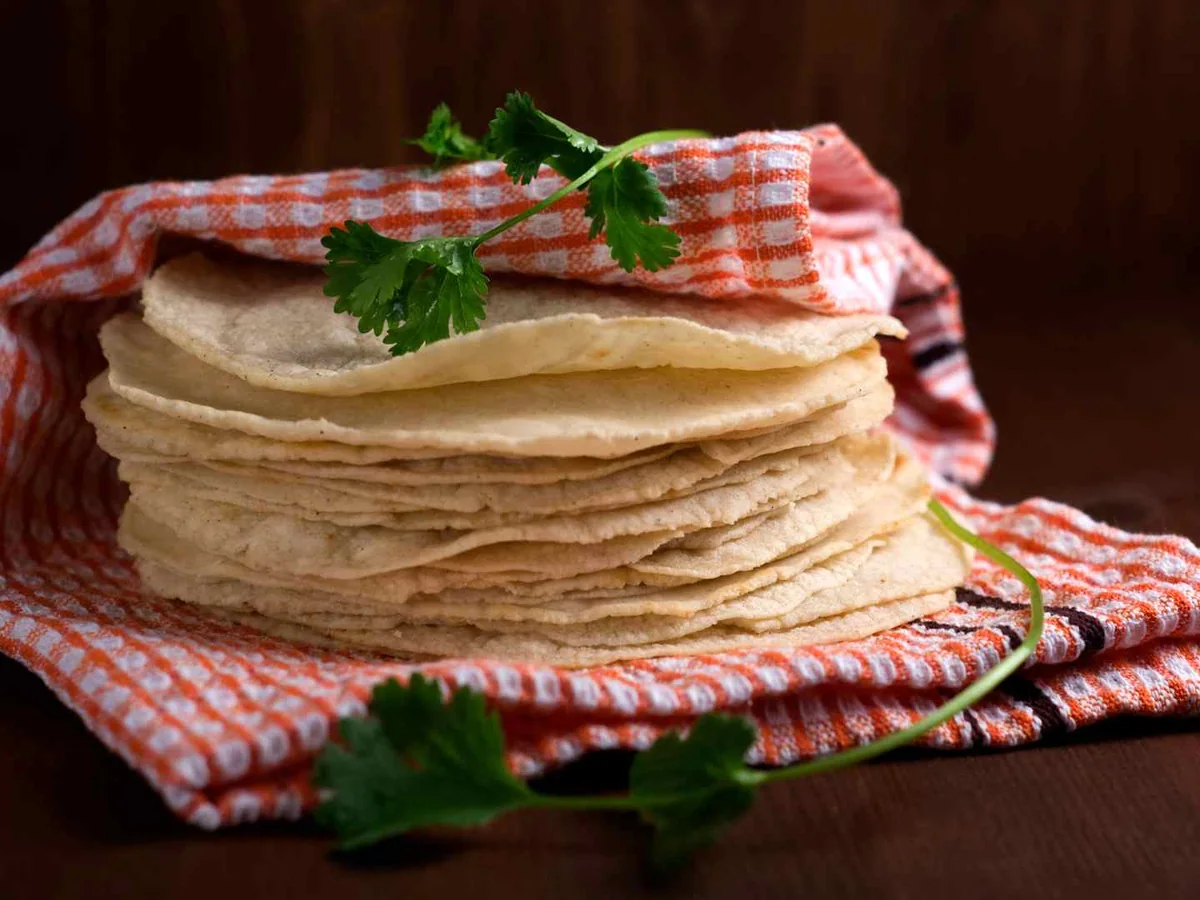
Corn tortillas begin with nixtamalized corn
Traditional corn tortillas are made from masa produced by cooking corn with alkali and grinding it. Commercial products may also contain preservatives, gums, salt, oils, or fortified ingredients.
FDA’s corn masa overview distinguishes masa flour and its uses. Human fortification does not make tortillas complete feline food.
The cat corn guide covers kernels, cobs, canned corn, and recipes. A tortilla does not carry cob risk, but it brings different texture and label questions.
Flour tortillas have another ingredient list
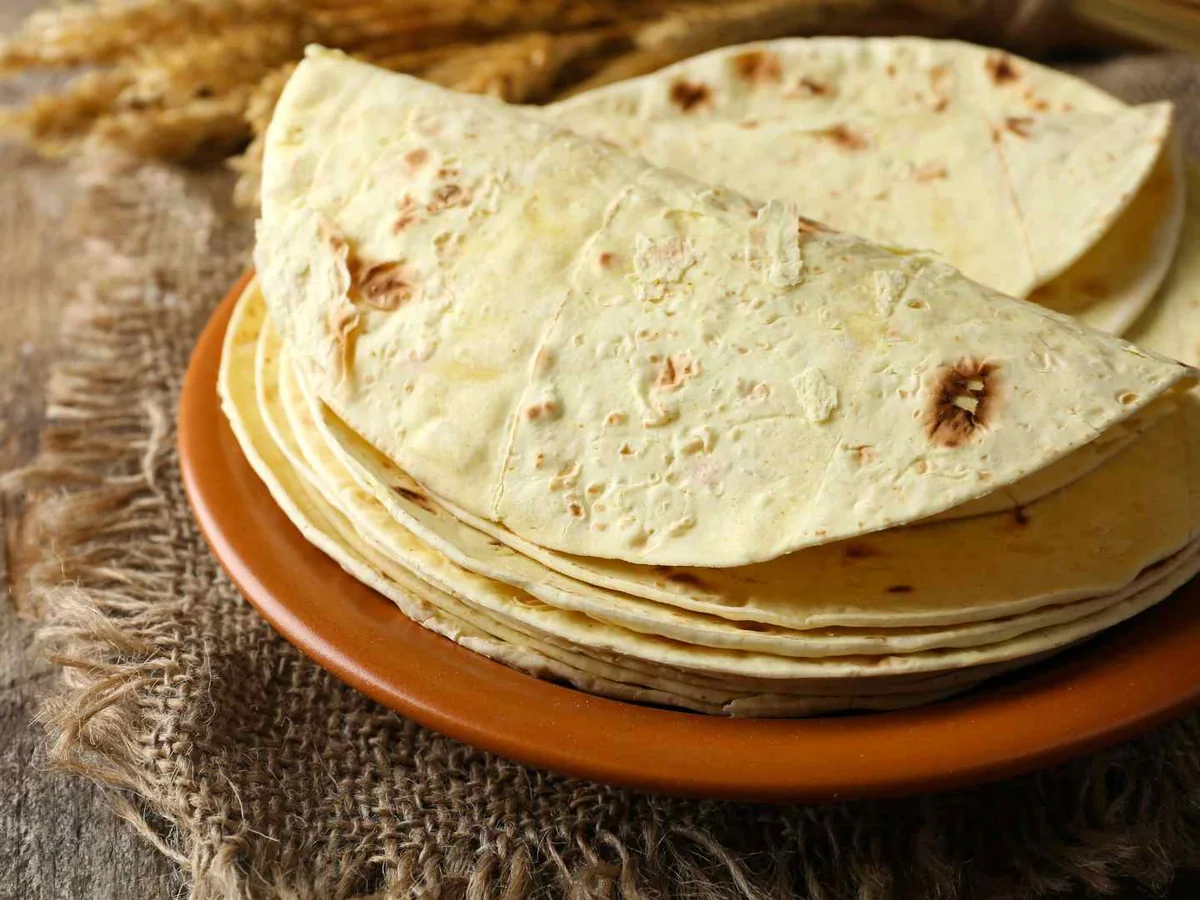
Wheat flour tortillas often include fat, salt, leavening, preservatives, and conditioners. Specialty wraps may add dairy, soy, sesame, herbs, vegetables, or high-fiber concentrates.
Cats with a veterinary elimination trial must avoid unapproved ingredients even when one bite produces no immediate symptom. Gluten-free claims serve human needs and do not certify feline suitability.
The cat bread guide offers useful grain context, but a tortilla’s fat, leavening, and preparation still require its own label.
Raw flour dough can carry pathogens
Flour is a raw agricultural product and may contain harmful bacteria before cooking. Dough on paws becomes an ingestion when the cat grooms.
The FDA raw-flour guidance advises against eating uncooked dough or batter. Clean counters without raising flour dust into a cat’s eyes or lungs.
Repeated vomiting, diarrhea, feverish behavior, marked lethargy, or appetite loss after raw dough deserves veterinary advice. Preserve the flour lot and recipe.
Yeast changes raw dough urgency
Most everyday tortilla recipes are unleavened or chemically leavened, but some wraps and flatbreads use yeast. Fermenting dough can expand in the stomach and produce alcohol.
A swollen painful abdomen, retching, weakness, wobbliness, unusual sleepiness, low body temperature, collapse, or breathing difficulty is urgent. Call immediately when yeast is confirmed or possible.
Do not feed cooked tortilla to soak up dough and do not wait for visible rising. Save the batch size and yeast amount.
Whole soft rounds can wad together
A pliable tortilla can fold into a thick sticky mass, especially when coated with cheese or sauce. Kittens, flat-faced cats, gulpers, and cats with dental disease may struggle more.
Coughing, gagging, repeated swallowing, pawing at the mouth, blue gums, or panic needs emergency care. Never pour water into a choking cat.
Cutting a tortilla smaller reduces one shape issue but does not create nutritional benefit. Use cat food for rewards.
Tortilla chips are a separate snack
Frying or baking makes chips hard, sharp-edged, salty, and easy to coat with chile, cheese, lime, garlic, or onion powder. Bag crumbs may hold concentrated seasoning.
One plain chip corner differs from a bowl raid. The cat saltine guide covers sodium, dry crunch, coatings, and snack packaging.
Do not use chips as dental treats. Hard edges can hurt sore gums, and crunch does not clean below the gumline.
Taco shells and tostadas
Hard taco shells and tostadas can shatter into pointed pieces. They usually arrive with seasoned meat, cheese, onions, salsa, sour cream, and hot sauce.
Photograph the complete plate and retrieve toothpicks. Scraping off toppings leaves grease and seasoning in cracks.
Persistent drooling, mouth bleeding, vomiting, abdominal pain, or food refusal after sharp fragments deserves prompt examination.
Wraps, burritos, and quesadillas
A filled tortilla may contain garlic, onion, rice, beans, fatty meat, bones, avocado, cheese, chile, sauces, and foil. The wrapper is rarely the most important ingredient.
The cat spicy-food guide covers capsaicin and hidden alliums. Report the entire order rather than saying tortilla exposure.
Whole burrito bites can be large enough to choke. Count foil and paper before assuming only food disappeared.
Low-carb and high-fiber wraps
Low-carb wraps may use modified starches, added fibers, wheat protein, gums, soy, or sweeteners. High fiber can cause gas, diarrhea, or constipation in a cat.
Xylitol is a severe dog hazard, while equivalent feline toxicity has not been established. Do not invent a dog-style cat dose, yet call about an unknown concentrated sweetener because label context matters.
Marketing numbers for human carbohydrate goals do not create a therapeutic feline food. Cats with diabetes need their prescribed plan.
Spinach, tomato, and herb colors
Green, red, or orange wraps may contain small amounts of plant powder plus coloring, seasonings, or alliums. Color alone cannot reveal ingredient concentration.
Garlic-herb tortillas and onion wraps deserve prompt allium review. Weakness, pale gums, rapid breathing, or dark urine may be delayed.
Save the current package because product names and recipes change. An old online list should not overrule the label in hand.
Mold and storage
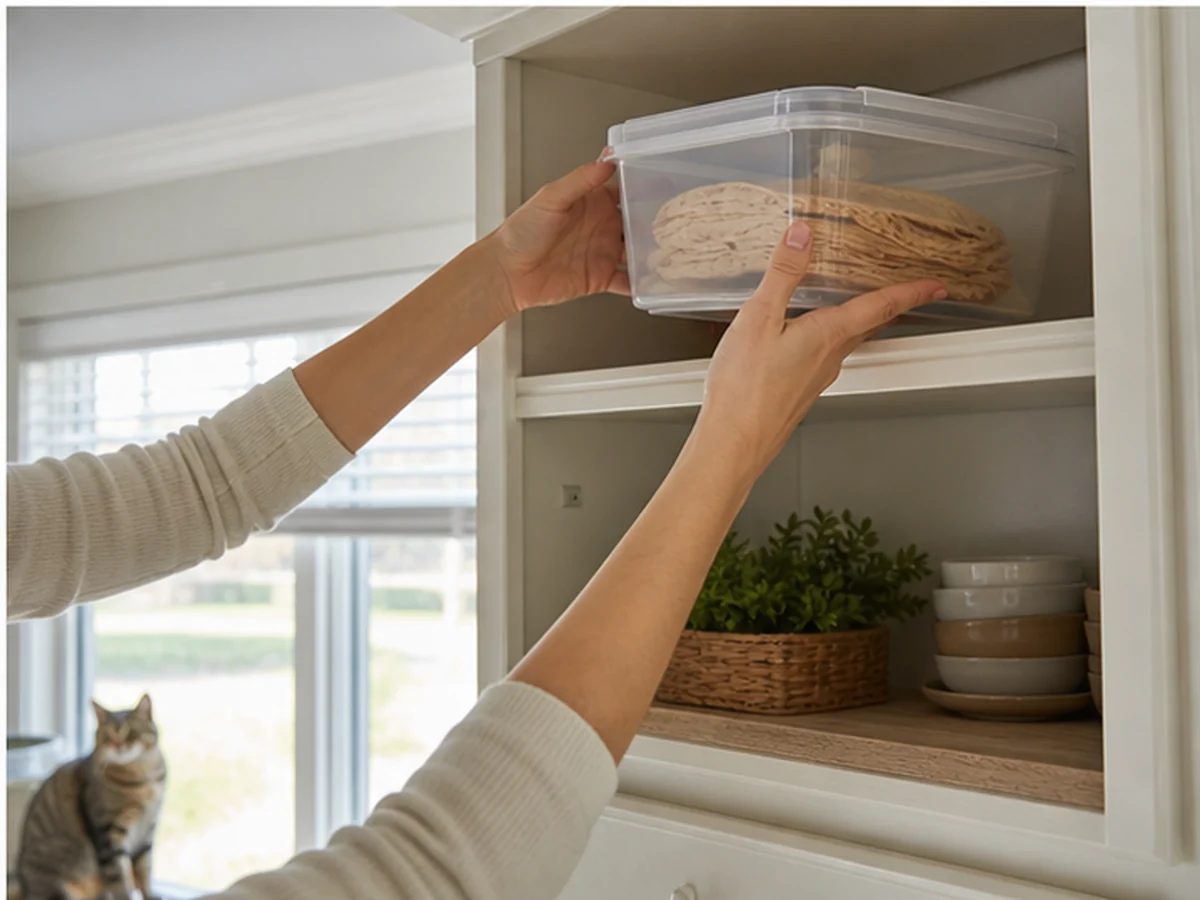
Refrigerate products when directed and close packages against moisture. Fuzzy growth, unusual spots, sour off-odor, slime, or a compromised seal is reason for secure disposal.
Some food molds can produce neurologic toxins, and reheating does not reliably remove them. Tremors, seizures, marked agitation, or collapse requires emergency care.
Check the whole stack because mold can hide between tortillas. Do not peel away one damaged round and serve the rest to a pet.
Plastic bags, zipper strips, and warmers
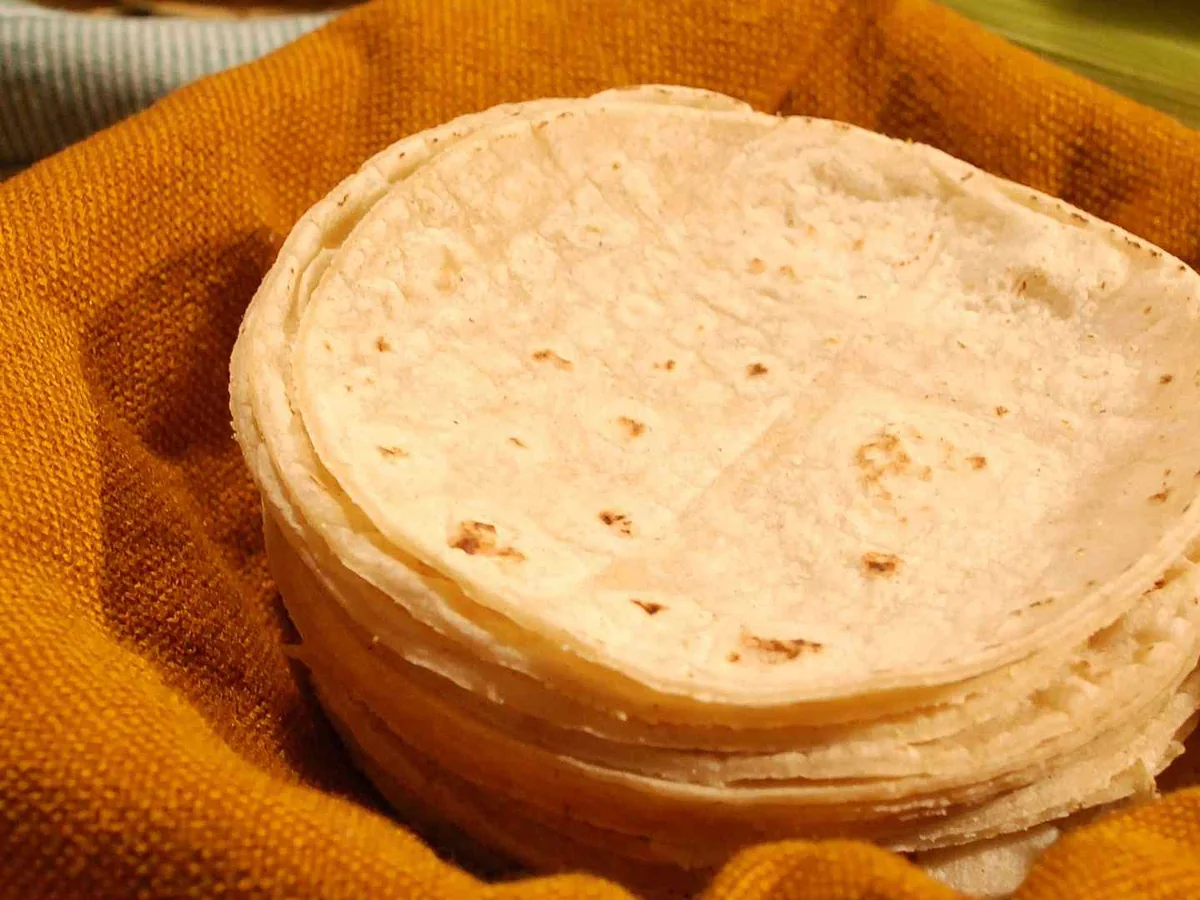
Tortilla bags retain food scent, while zipper strips, clips, desiccants, microwave warmers, foil, and parchment can be swallowed. A torn bag deserves a complete inventory.
FDA’s pet-hazard guidance supports securing food bags and foreign objects. Call whenever material is missing.
Do not pull film protruding from the mouth or anus because internal attachment can make tugging dangerous.
Watching after a tiny plain bite
For a healthy adult that ate a very small fully cooked plain piece, continue regular food and water and monitor appetite, vomiting, diarrhea, coughing, comfort, and stool. Keep the package.
Call if signs appear, the amount grows, or closer inspection reveals raw dough, alliums, mold, or missing film. Medical diets and kittens justify faster advice.
Close tortilla bags inside a cabinet and clear taco night promptly. Cats may not need tortillas, but they do enjoy auditing unattended countertops.
Homemade presses and hot griddles
Tortilla presses can pinch paws, while cast-iron griddles and comals stay hot long after cooking. Burns, crushed toes, or cooking-oil exposure require prompt professional advice.
Keep the cat outside the kitchen during pressing and cooking, then cool equipment behind a barrier. Do not apply butter, ice, or home ointment to a burn.
Wooden presses may shed splinters, and parchment circles can retain dough scent. Count tools and liners before cleanup.
Blue corn and multigrain varieties
Blue corn describes pigment and corn type, not a feline health upgrade. Multigrain tortillas may add flax, sesame, quinoa, oats, wheat, soy, or seed fragments.
Read the full allergen and ingredient statement when a cat is in a controlled diet trial. One colorful round can contain several unapproved proteins.
Whole seeds may lodge around painful teeth, and dense wraps can be chewier than standard products. Watch for drooling, mouth pawing, or food refusal.
Freezer storage and reheating
Frozen tortillas can become hard discs before thawing and may attract a cat when condensation brings out the food smell. Keep frozen rounds inside a closed freezer drawer.
Reheat only for human meals and avoid direct flame where edges can ignite. A charred tortilla is not a safer cat snack.
Discard products with freezer damage, broken packaging, or uncertain dates rather than using the cat as a waste-disposal plan.
Tortilla soup combines fried strips with broth, onion, garlic, cheese, avocado, chile, lime, and chicken. Save the recipe and do not assume soft soup-soaked pieces are plain.
A deep-fried tortilla bowl adds a large brittle shell and hot oil. Count broken pieces, toothpicks, and serving decorations before the cat returns to the table.
- Keep the current package until monitoring is complete.
- Record whether the tortilla was raw, soft, fried, filled, moldy, or flavored.
- Update the veterinarian if the amount or packaging inventory changes.
FAQ
Can cats eat corn tortillas?
A tiny plain cooked piece is generally low risk, but corn tortilla is unnecessary starch and should not replace balanced treats.
Can cats eat flour tortillas?
One small cooked unseasoned bite may be tolerated, but flour tortillas add calories, salt, fat, and product-specific ingredients.
What if my cat ate raw tortilla dough?
Call with the recipe, especially if yeast is possible, and retain flour packaging because raw flour can carry pathogens.
Are tortilla chips safe for cats?
Do not offer them. Chips are hard, salty, often flavored, and packaged with film or freshness packets.
Bottom line
A tiny cooked tortilla piece is usually a minor accident, but form matters: raw flour dough, yeast, chips, hard shells, fillings, mold, and packaging each change the call. Cat food remains the better reward.