Can Cats Eat Sweet Peppers? Colors, Seeds, Stems, Dips, and Portions
A healthy adult cat may tolerate one tiny piece of plain sweet pepper, but it is optional. Bell and mini peppers, firm skin, stems, seed clusters, choking, hot look-alikes, onion-heavy recipes, dips, pickling brine, garden chemicals, mold, bags, and human vitamin claims require more useful attention than the pepper’s color.
Color
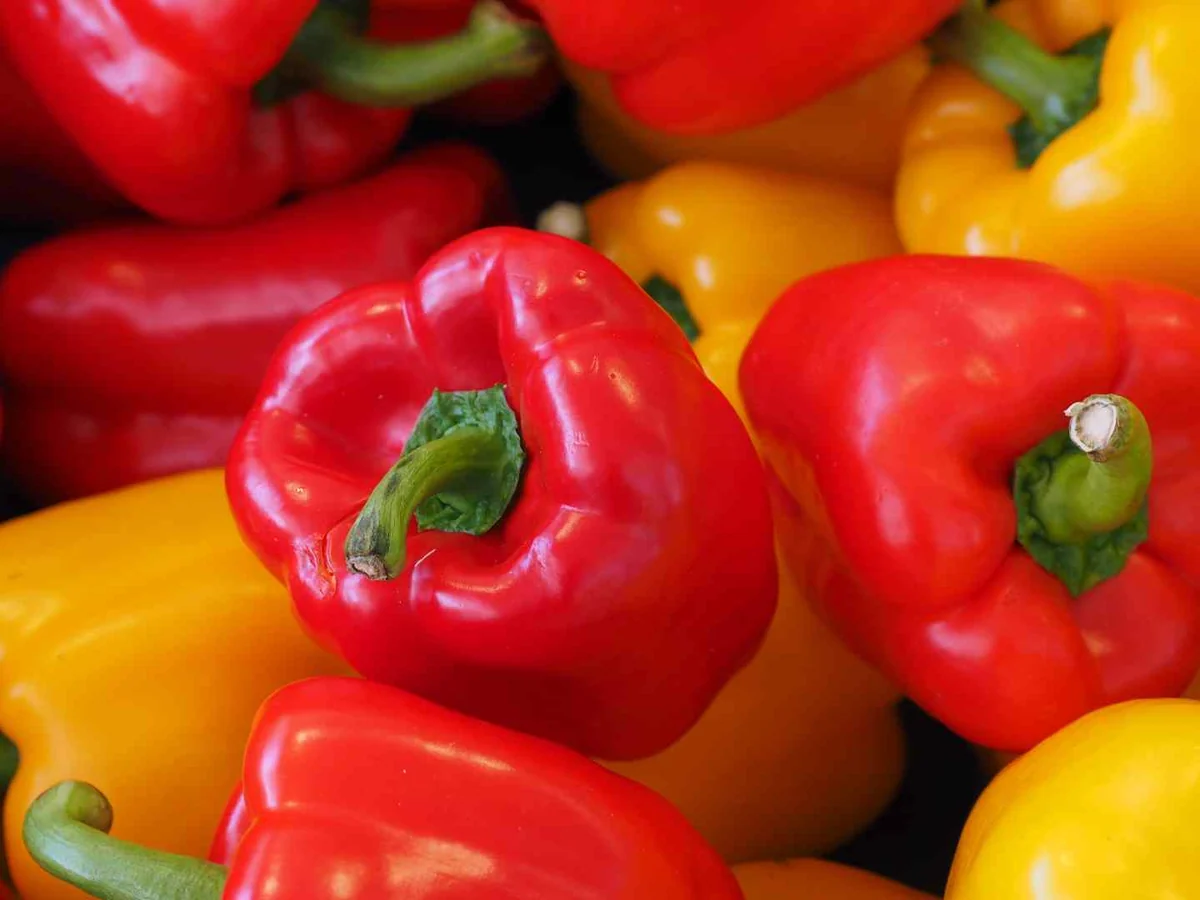
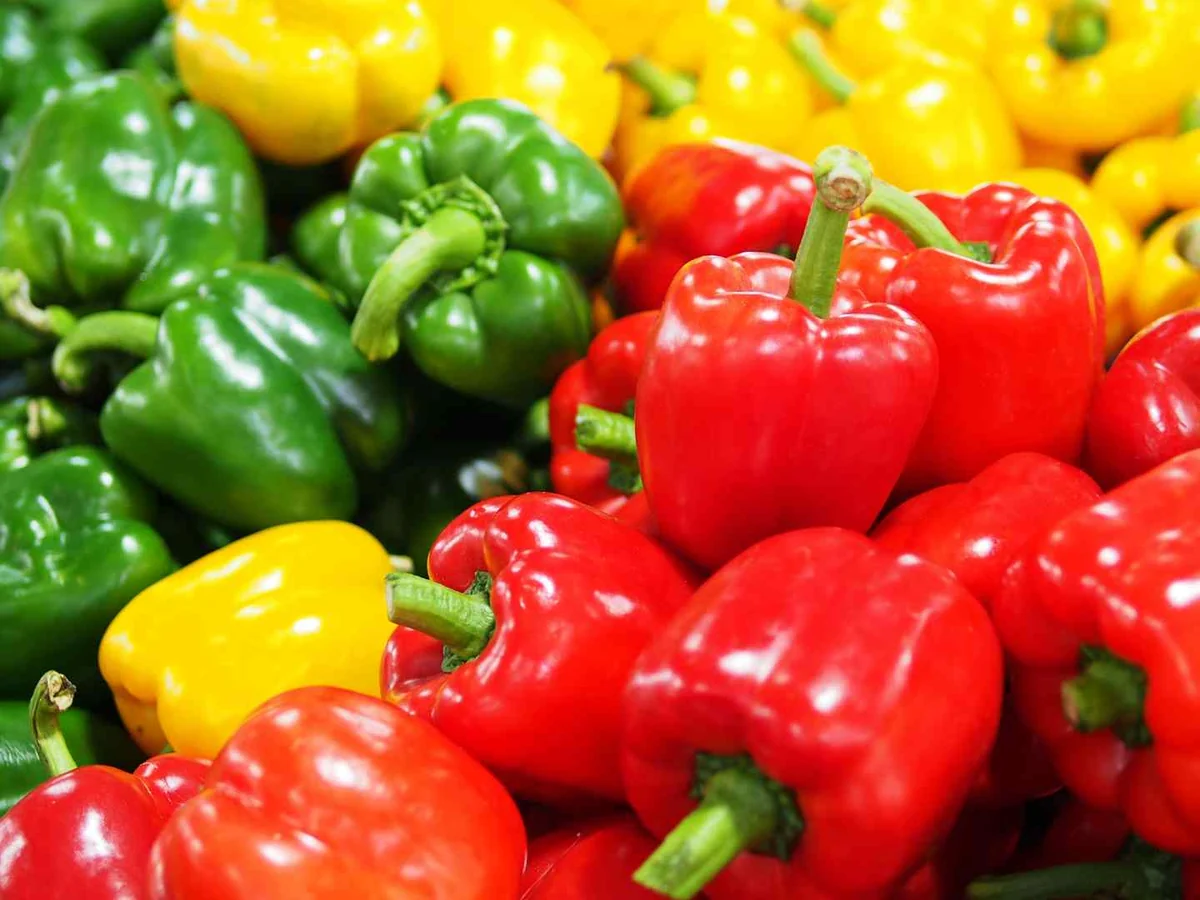
Green, yellow, orange, red, purple, and chocolate-brown sweet peppers are ripeness or cultivar differences. This matters for cats because color alone does not prove heat, freshness, or safety.
Identify the actual pepper Keep the product, recipe, amount, and time available if veterinary advice is needed.
Tiny portion
A soft piece smaller than a pea is the most a healthy cat might inspect. The practical concern is larger plant portions displace complete food.
Accept refusal A normal first hour does not erase a swallowed object, concentrated ingredient, or delayed sign.
Raw skin
Pepper skin can be firm and slippery. For a cat, a wide strip may be gulped.
Cook and mince any approved taste Use the actual label and the cat’s current condition instead of a broad food-category assumption.
Stem
The woody cap and stem are hard. That scene changes when they can choke or obstruct.
Discard them securely Record what is missing before cleanup makes the estimate harder.
Seeds
Loose mature seeds can scatter and be inhaled. This matters for cats because a seed pile is not a supplement.
Remove the core Keep the product, recipe, amount, and time available if veterinary advice is needed.
Hot look-alikes
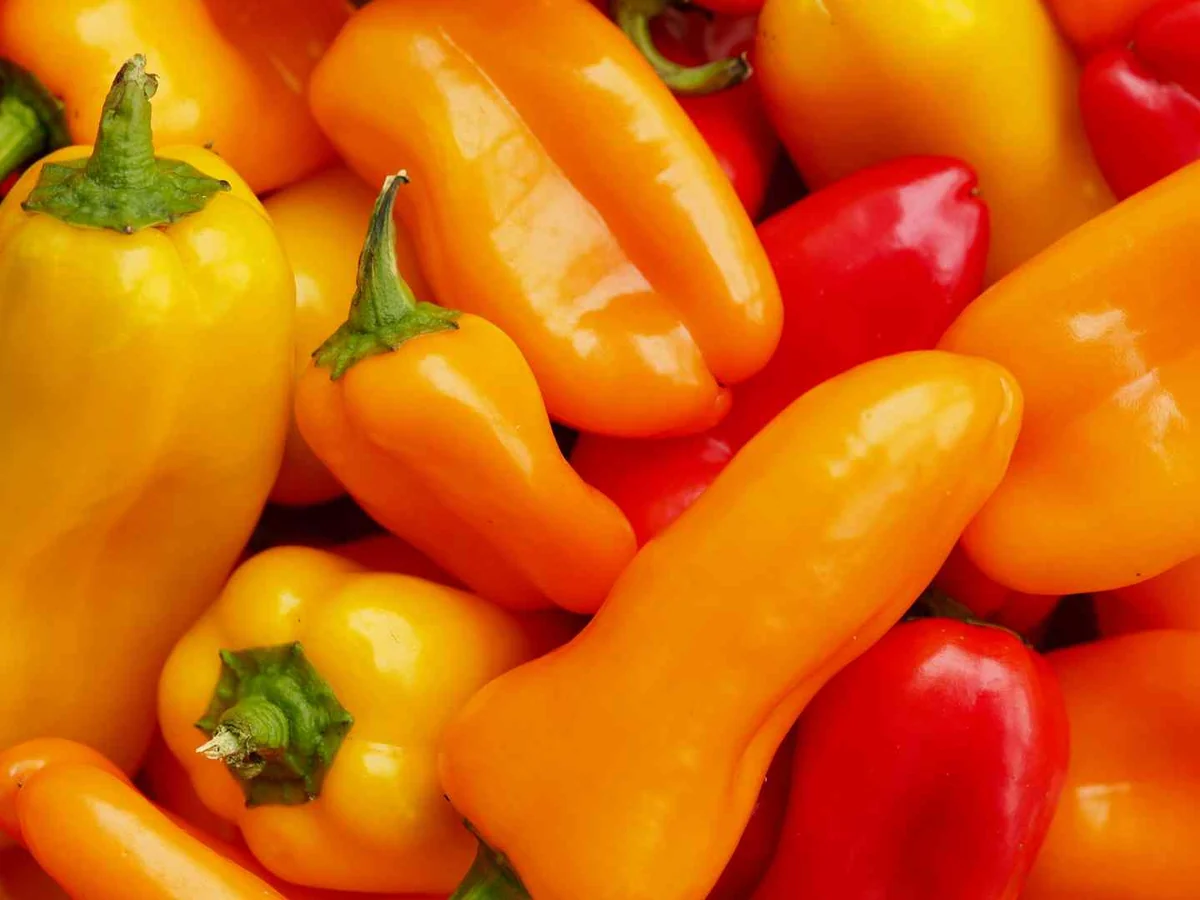
Mini sweets can resemble hot chilies. The practical concern is capsaicin causes painful irritation.
Confirm the variety before cleanup A normal first hour does not erase a swallowed object, concentrated ingredient, or delayed sign.
Produce washing
The FDA recommends running-water washing without soap. For a cat, washing does not soften a large piece.
Use clean tools Use the actual label and the cat’s current condition instead of a broad food-category assumption.
Nutrition claims
Human vitamin C and antioxidant headlines do not establish feline benefit. That scene changes when cats have different needs.
The FDA adequacy guide keeps the diet in context Record what is missing before cleanup makes the estimate harder.
Fruit context
The cat fruit guide compares botanical fruits and kitchen uses. This matters for cats because seeds, pits, and peels differ.
Avoid category transfer Keep the product, recipe, amount, and time available if veterinary advice is needed.
Stuffed peppers
Rice, onion, garlic, cheese, meat, sauce, and toothpicks fill the cavity. The practical concern is the pepper is rarely the main concern.
The cat rice guide addresses only one component A normal first hour does not erase a swallowed object, concentrated ingredient, or delayed sign.
Guacamole plates
Sweet pepper strips may touch avocado dip, onion, garlic, lime, and chips. For a cat, cross-contact defeats a plain verdict.
The cat avocado guide helps review the dip Use the actual label and the cat’s current condition instead of a broad food-category assumption.
Alliums
Fajitas and stir-fries commonly combine peppers with onion and garlic. That scene changes when cooking does not neutralize red-cell risk.
Use the Merck Allium guidance after meaningful exposure Record what is missing before cleanup makes the estimate harder.
Pickled peppers
Brine adds salt, vinegar, sugar, garlic, and spice. This matters for cats because rinsing cannot restore a plain piece.
Save the jar label Keep the product, recipe, amount, and time available if veterinary advice is needed.
Roasted peppers
Jarred products may contain oil, salt, garlic, and preservatives. The practical concern is soft texture does not clear ingredients.
Set aside plain pepper before seasoning A normal first hour does not erase a swallowed object, concentrated ingredient, or delayed sign.
Gardens
Plants bring soil, pesticide, fertilizer, stakes, ties, and netting. For a cat, chemical contact can become ingestion during grooming.
Preserve treatment labels Use the actual label and the cat’s current condition instead of a broad food-category assumption.
Spoilage
Soft spots, slime, mold, leaking, or fermentation change the event. That scene changes when trimming does not create a pet serving.
Discard questionable produce Record what is missing before cleanup makes the estimate harder.
Packaging
Produce bags, stickers, bands, clamshells, and knives can disappear. This matters for cats because objects may be more urgent than pepper.
Count everything Keep the product, recipe, amount, and time available if veterinary advice is needed.
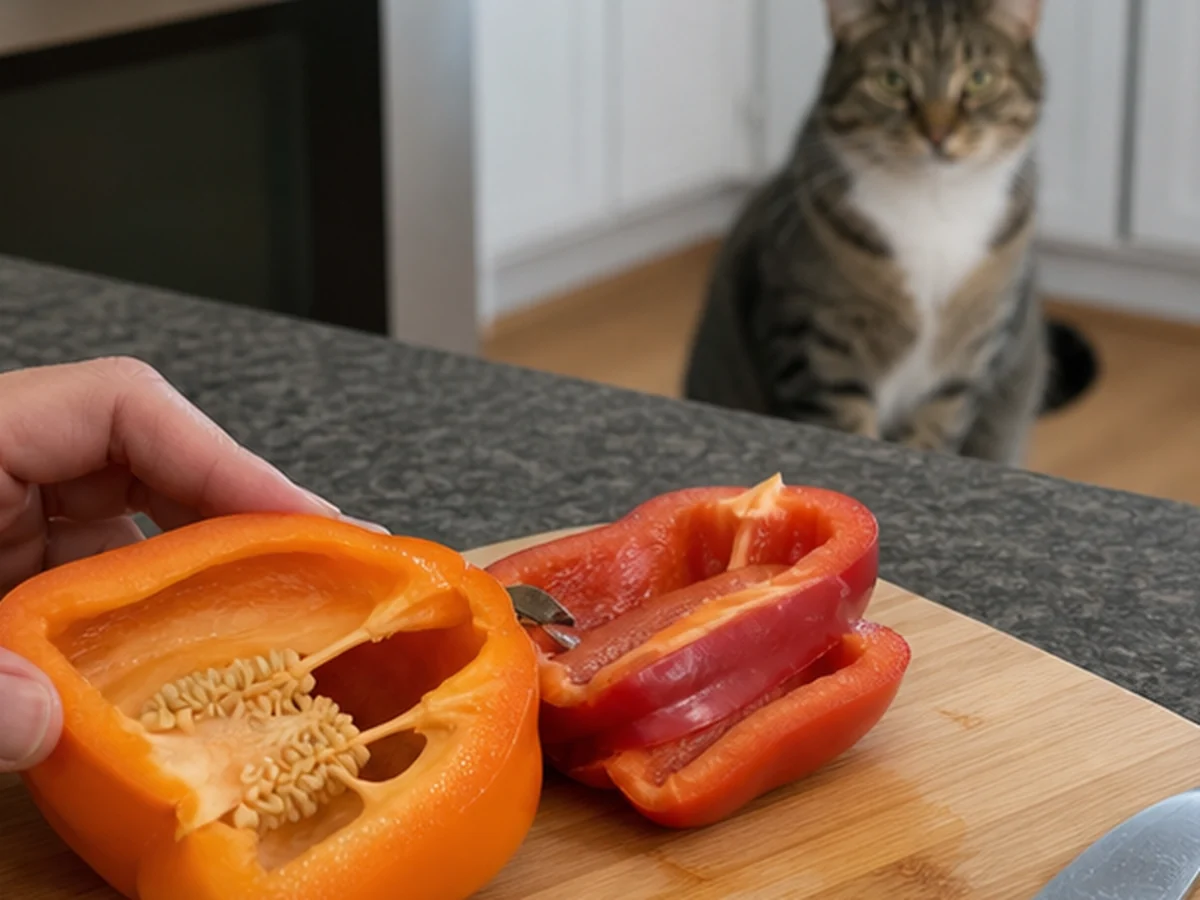
Monitoring
One tiny plain piece may pass without signs. The practical concern is gagging, repeated vomiting, pain, weakness, or appetite loss changes urgency.
Record amount, form, and recipe A normal first hour does not erase a swallowed object, concentrated ingredient, or delayed sign.
Frequently asked questions
Can kittens eat sweet peppers?
Skip them because complete growth food is more useful and firm pieces can choke.
Are pepper seeds toxic?
They are not a needed supplement; remove the core to reduce loose-seed and texture problems.
Can cats eat cooked peppers?
A tiny plain soft piece may be tolerated, but oil, salt, Alliums, and sauce change the answer.
Are sweet peppers the same as chilies?
No; confirm the cultivar because hot peppers contain irritating capsaicin.
Bottom line
Sweet pepper can be a tiny tolerated extra only when the variety is confirmed, the stem and core are removed, and the piece is plain, soft, cool, and minuscule. Recipes, hot look-alikes, garden products, spoilage, and packaging deserve far more caution than a clean pepper fleck.
Frozen pepper strips are harder than fresh flesh, and mixed bags may include onion, sauce, rice, cheese, or seasoned vegetables. Thawing and cooking improve texture without removing distributed ingredients, while torn freezer film, clips, and ice-coated chunks can become the more immediate choking or foreign-object concern.
Repeated chewing of produce bags, stems, soil, or other nonfood material may reflect pica rather than a special need for peppers. Secure access now and discuss the pattern with a veterinarian, who can consider gastrointestinal disease, anemia, dental pain, nutrition, stress, and environmental factors instead of endorsing a vegetable workaround.
Mini sweet peppers are often eaten whole by people, but their size can tempt a cat to gulp a firm hollow cylinder containing stem, core, and loose seeds. Cut open any approved pepper, discard the cap and placenta, cook until soft, cool fully, and mince a piece smaller than a pea rather than offering a ring or strip.
Paprika is made from dried peppers and ranges from sweet to hot or smoked, while seasoning blends can add salt, garlic, onion, chili, or anti-caking agents. A dust spill can irritate eyes and airways, so move the cat to clean air and call for persistent cough, wheeze, squinting, drooling, tremors, or distress.
Pepper jelly, relish, salsa, and roasted-pepper dip may contain sugar, vinegar, onion, garlic, chili, alcohol, cheese, oil, salt, and sweeteners. Their smooth red appearance hides recipes, and a jar raid also creates risks from glass, metal lids, tamper rings, foil seals, spoons, and sticky labels.
Fajita and kebab peppers can absorb meat drippings, marinade, garlic, onion, salt, smoke, and hot oil, then remain attached to a wooden or metal skewer. Do not slide off a pepper for the cat, count every skewer tip, and seek urgent care if a sharp object cannot be found.
Pepper plants sold for patios may carry flowers, leaves, woody stems, immature fruit, potting mix, fertilizer pellets, pesticide, cages, stakes, and ties. Identify the cultivar and every treatment because ornamental peppers may be hot, and prevent grooming after contact with a wet garden product.
Frozen pepper strips are harder than fresh produce and mixed bags may include onion, sauce, rice, cheese, or seasoned vegetables. Thawing and cooking improve texture but do not remove distributed ingredients, and a torn freezer bag or clip can become the more urgent foreign object.
Human discussions of vitamin C, carotenoids, antioxidants, weight loss, and immunity do not establish that pepper treats prevent feline disease or correct a complete diet. Cats with diabetes, obesity, digestive disease, food-allergy trials, swallowing trouble, or prescription diets should skip optional vegetable experiments.
When a veterinarian advises monitoring after one tiny plain piece, keep ordinary food and water available and note gagging, vomiting, stool, appetite, breathing, gait, and comfort. A hot pepper, large strip, stem, Allium recipe, chemical exposure, moldy product, missing packaging, or symptomatic cat requires a fresh assessment.
Mini sweet peppers invite whole-fruit swallowing because they are hollow, smooth, and small enough to carry, yet they still contain a woody cap, core, and loose seeds. Open any approved pepper, remove those parts, soften the flesh, cool it, and mince one fleck rather than offering a ring.
Paprika can be sweet, hot, or smoked, and commercial blends may add garlic, onion, salt, chili, or anti-caking agents. A powder cloud can irritate eyes and lungs, so move the cat to clean air and seek advice for persistent cough, wheeze, squinting, drooling, or distress.
Pepper jelly, relish, salsa, and roasted-pepper dip may contain sugar, vinegar, Alliums, chili, cheese, oil, salt, alcohol, and sweeteners. Their smooth red appearance hides the formula, while glass, metal lids, foil seals, spoons, and sticky labels create a separate object inventory.
Fajita and kebab peppers absorb meat drippings, marinade, garlic, onion, smoke, and hot oil before reaching the plate. Do not slide one from a skewer for the cat, count every wooden or metal tip, and call urgently when a sharp piece cannot be found.
Compost containing pepper cores may also hold moldy food, coffee grounds, Alliums, bones, corn cobs, string, and fermented waste. Report the whole accessible pile, and treat tremors, severe incoordination, seizures, repeated vomiting, or collapse as an emergency rather than a vegetable intolerance.