Can Dogs Eat Cookies? A Cookie-by-Cookie Ingredient Safety Guide
Most cookies are not good dog treats, but the real risk depends on the recipe. A bite of a plain sugar cookie is usually a very different situation from a sugar-free chocolate-raisin cookie, so I would identify the cookie before deciding whether this is a stomachache or an emergency.
Use the cookie name as a starting point, not the diagnosis
- Count how many cookies are missing and estimate their size.
- Find the recipe, package, bakery label, or ingredient list.
- Look specifically for xylitol, chocolate, cocoa, raisins, currants, macadamias, coffee, and alcohol.
- Note whether raw dough, parchment, foil, plastic, or a cookie bag disappeared too.
- Record your dog’s weight, the time, and any symptoms.
- Call promptly when a high-risk ingredient, large amount, or uncertain product is involved.
Cookie size deserves more respect than it gets. One homemade two-inch cookie and one coffee-shop cookie the diameter of a salad plate should not share the same mental serving size.
Plain sugar cookies are usually a calorie and stomach issue
Traditional sugar cookies are generally made from flour, sugar, butter, eggs, and flavoring. Those ingredients are not classic dog toxins in ordinary baked amounts, so one small bite is usually more likely to cause nothing or mild stomach upset than a poisoning syndrome.
A large batch is another story because butter and sugar can trigger vomiting, diarrhea, abdominal discomfort, and potentially pancreatitis in susceptible dogs. Dogs with a history of pancreatitis or a prescribed low-fat diet deserve a lower threshold for veterinary advice.
I still would not turn plain cookies into a routine reward. A measured dog treat is easier to portion and does not make me perform bakery forensics every time somebody leaves a plate on the coffee table.
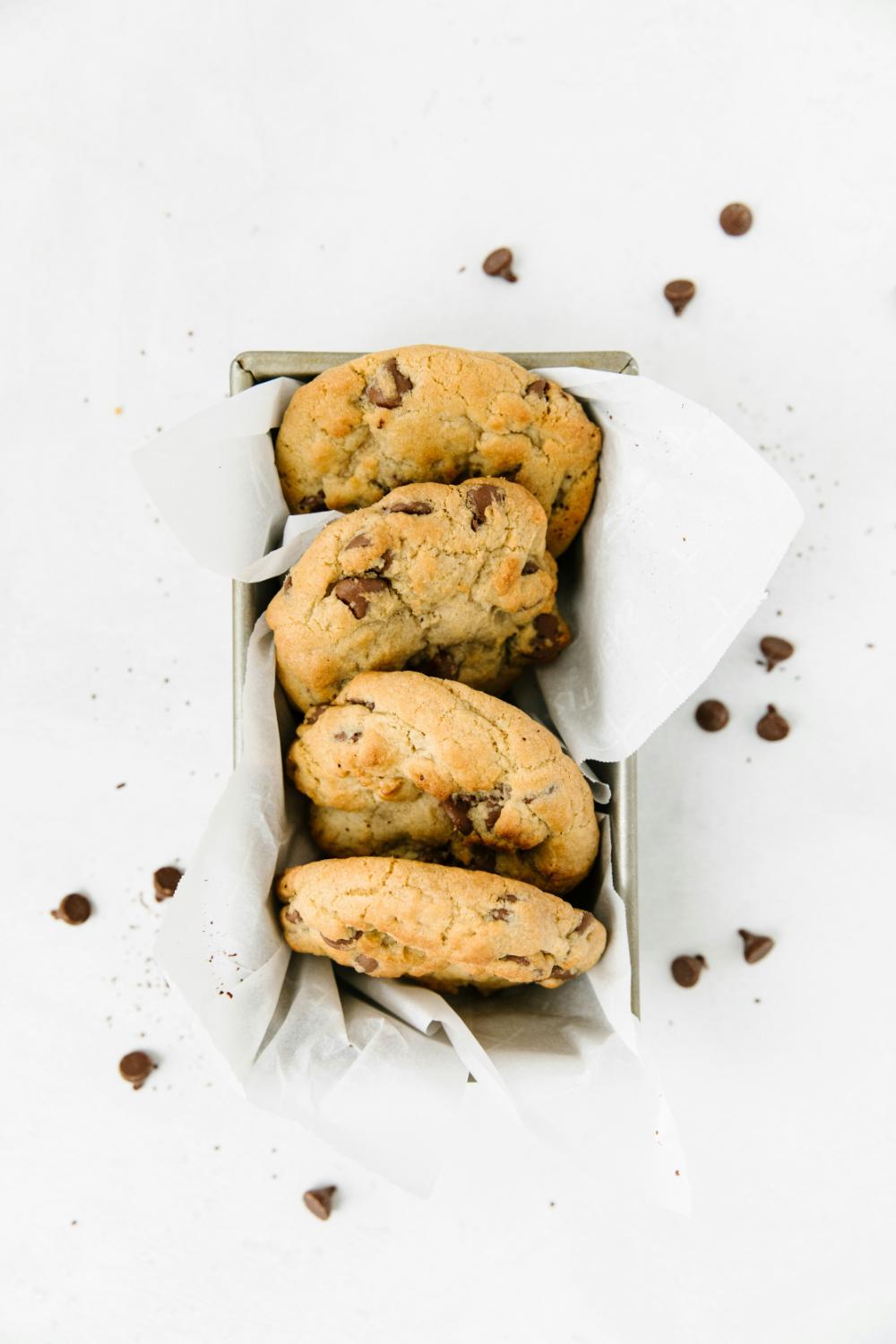
Chocolate chip cookies depend on the chocolate type and amount
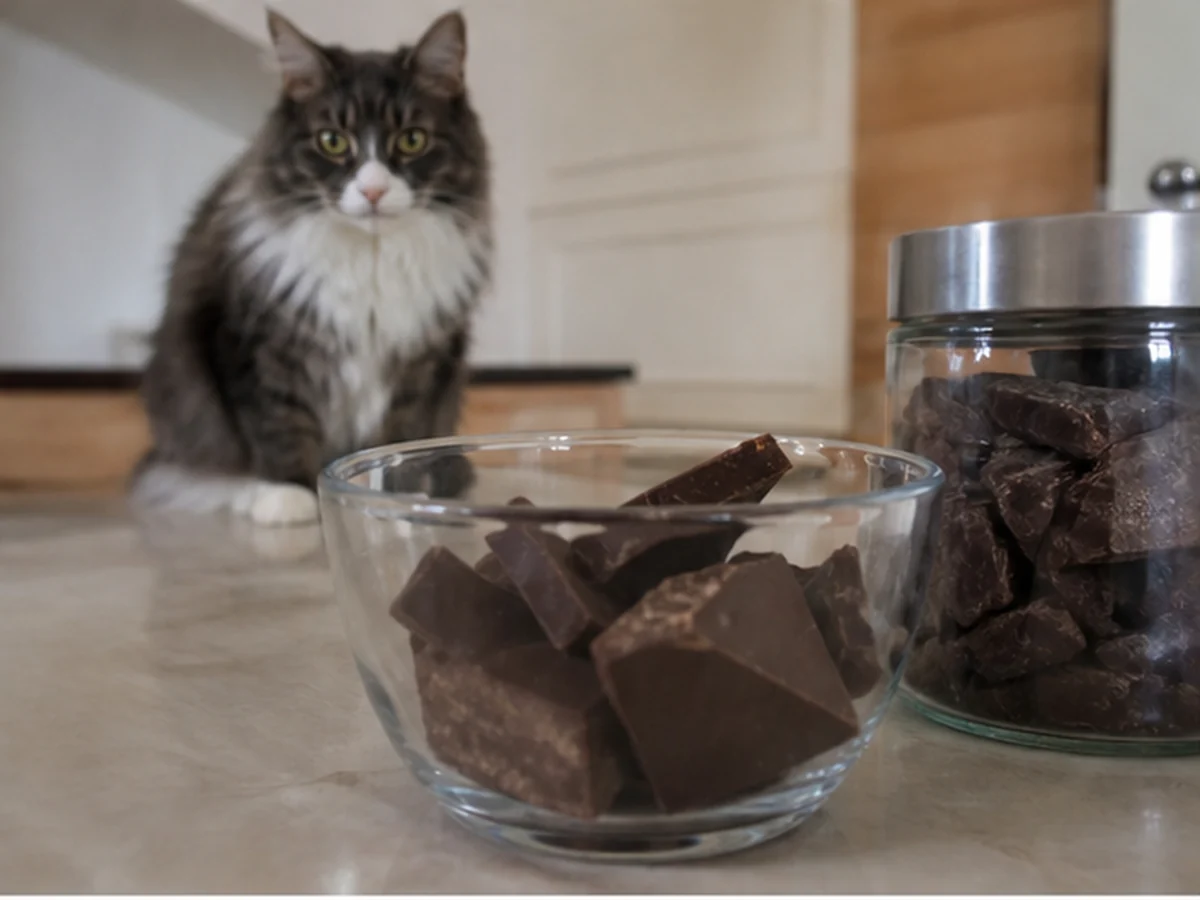
Chocolate contains the methylxanthines theobromine and caffeine, which can affect a dog’s heart, nervous system, muscles, temperature, and urine production. Dark and semisweet chocolate generally contain more methylxanthines per ounce than milk chocolate.
A small cookie with a few milk-chocolate chips is not equivalent to an oversized dark-chocolate chunk cookie. Our chocolate chip cookie guide covers the chocolate-specific dose questions.
Possible chocolate signs include vomiting, diarrhea, restlessness, increased thirst or urination, rapid or abnormal heart rate, panting, tremors, overheating, seizures, weakness, and collapse. Call promptly after a meaningful concentrated chocolate exposure rather than waiting for those signs.
Double-chocolate cookies can pack cocoa into both dough and chips
Chocolate cookies often use cocoa powder in the dough plus chocolate chips or chunks. Cocoa powder is a concentrated methylxanthine source, so a dark cookie can contain substantially more chocolate than the visible chips suggest.
If you know how much cocoa went into the batch, report that along with the fraction of cookies eaten. Our cocoa powder guide explains why baking cocoa deserves more caution than milk chocolate.

Sugar-free cookies require a xylitol check before anything else
Some keto, diabetic-style, and low-sugar cookies use sugar alcohols. If xylitol is present, dogs can develop dangerous hypoglycemia and, after larger exposures, serious liver injury.
Call immediately when xylitol appears in the cookie, frosting, filling, or nut butter. Our xylitol emergency guide explains why a normal-looking dog may still need urgent assessment.
Sorbitol, maltitol, and erythritol are not interchangeable with xylitol. They can cause digestive upset in larger amounts, but they do not have the same well-established canine xylitol toxicosis.
Oatmeal raisin cookies deserve a prompt call
Raisins and other dried grape products can cause acute kidney injury in dogs, and susceptibility is unpredictable. There is no dependable home number of raisins I would use to clear a meaningful exposure.
If an oatmeal cookie contains raisins or grape-derived currants, call promptly even if the dog seems normal. Our raisin guide covers why early assessment matters.
Oatmeal cookies without raisins are usually a much lower-risk recipe, though butter, sugar, chocolate, nuts, and sweeteners still deserve a glance. Never let the word oatmeal do all the safety work.
White-chocolate macadamia cookies have a dog-specific nut problem
White chocolate contains very little theobromine compared with dark or milk chocolate, but macadamia nuts can cause weakness, vomiting, tremors, depression, and increased body temperature in dogs. In this cookie, the nut may be the more important toxin.
The cookie also adds fat and sugar, so a large binge can create gastrointestinal or pancreatitis concerns. Count the cookies and estimate how many macadamias were likely in the missing portion.
Peanut butter cookies need the jar label too
Traditional peanut butter without xylitol is not a classic dog toxin, though it is calorie-dense and high in fat. Some specialty nut butters use xylitol, so homemade cookies are only as safe as the spread used in the dough.
If the peanut butter contains xylitol, call immediately. If it does not, one small cookie is usually more of a rich-food concern for a healthy dog, while a large batch can cause vomiting, diarrhea, or pancreatitis.
Snickerdoodles are usually simpler than their name sounds
Classic snickerdoodles are sugar cookies rolled in cinnamon sugar. Cinnamon in the small amount used in a baked cookie is not usually a major toxicity concern, though concentrated cinnamon powder, essential oil, or a large amount of raw spice is a different exposure.
The butter and sugar are usually the bigger issues after a dog steals several snickerdoodles. Check the recipe for unusual sugar-free sweeteners before deciding the cookie is ordinary.
Gingerbread cookies can contain more than ginger
Gingerbread may contain molasses, ginger, cinnamon, cloves, nutmeg, icing, chocolate decorations, raisins, or sugar-free sweeteners. Nutmeg can cause toxic effects in sufficiently large concentrated amounts, though the small amount spread through a normal cookie recipe is often less important than chocolate or xylitol.
Decorated gingerbread also comes with hard candies, ribbon, plastic eyes, and packaging. Our gingerbread guide covers the holiday-specific ingredient mix.
Shortbread is mostly a butter problem
Traditional shortbread is mostly flour, butter, and sugar. A tiny piece is unlikely to poison most dogs, but several rich cookies can cause gastrointestinal upset and may be problematic for dogs prone to pancreatitis.
Chocolate-dipped shortbread, raisin shortbread, and sugar-free versions deserve separate ingredient checks. The plain-looking cookie category gets complicated the moment somebody decorates it.
Raw cookie dough creates different concerns than baked cookies
Raw cookie dough may contain uncooked flour and raw eggs, which can carry foodborne pathogens. Chocolate, xylitol, raisins, or macadamias in the dough may still be the more urgent toxicology concern.
Most cookie dough uses baking soda or baking powder rather than active yeast, so it does not create the same stomach-expansion and ethanol problem as raw yeast bread dough. A large sticky mass can still cause gastrointestinal upset or choking, especially in a small dog.
Cannabis cookies require an honest ingredient history
THC-containing cookies can cause marked sleepiness, wobbliness, urinary dribbling, altered heart rate, temperature changes, agitation, tremors, and other neurologic signs in dogs. Chocolate can add a simultaneous methylxanthine exposure.
Tell the veterinary team exactly what the edible contained and the estimated THC dose if known. Accurate information helps the dog much more than an elaborate explanation about a mysteriously medicated cookie.
Wrappers, parchment, and bags can outlast the snack
Dogs often swallow paper, foil, plastic, parchment, or bakery bags along with cookies. Small scraps may pass, but large pieces or multiple wrappers can cause choking or gastrointestinal obstruction.
Repeated vomiting, retching, abdominal pain, bloating, refusal to eat, marked lethargy, or inability to keep water down after swallowed packaging deserves veterinary evaluation. Count missing packaging during the first assessment.
Do not induce vomiting until the whole recipe is assessed
Whether vomiting is appropriate depends on the ingredients, amount, timing, symptoms, medical history, and swallowed objects. A weak, trembling, poorly coordinated, seizing, or breathing-impaired dog can aspirate.
Do not use salt, mustard, oil, or fingers. If a veterinary professional specifically directs hydrogen peroxide for a suitable dog, follow the exact instructions for that case.
My practical cookie rule
If a healthy dog steals one tiny piece of a confirmed plain cookie with no xylitol, chocolate, raisins, macadamias, or other dangerous ingredients, I would usually monitor for stomach upset and put the rest away. A large batch, specialty cookie, or symptomatic dog deserves a more cautious response.
I do not need every cookie theft to become a dramatic emergency, but I do need the ingredient list before declaring victory. That is the difference between calm risk assessment and wishful thinking with crumbs.
Frequently asked questions
What cookies are most dangerous to dogs?
Cookies containing xylitol, raisins or currants, concentrated chocolate, macadamias, caffeine, alcohol, or drugs deserve the most attention. Large quantities of rich plain cookies can still cause gastrointestinal upset or pancreatitis.
Can dogs eat one sugar cookie?
One small traditional sugar cookie without dangerous sweeteners or decorations is unlikely to cause poisoning in most healthy medium or large dogs. It is still unnecessary human food and may cause mild digestive upset.
Are oatmeal cookies safe for dogs?
Plain oatmeal cookies may be low risk in a tiny amount, but oatmeal raisin cookies require prompt attention because raisins can cause acute kidney injury. Chocolate, xylitol, nuts, and fat also matter.
Can dogs eat homemade cookies?
Homemade does not automatically mean dog-safe. Review every ingredient, especially sweeteners, chocolate, dried fruit, nuts, coffee, raw dough, and rich fillings.
Bottom line
Cookie risk depends on the recipe, portion, dog size, and anything swallowed with it. Plain cookies are usually rich-food problems, while xylitol, raisins, concentrated chocolate, macadamias, caffeine, drugs, raw dough, and packaging can turn a cookie raid into something much more urgent.