Can Dogs Eat Granola Bars? Raisins, Chocolate, Xylitol, Nuts, and Wrappers
Granola bars are not reliable dog treats because the ingredient list can swing from boring oats to several serious hazards. If your dog stole one, I would check for raisins, chocolate, xylitol, macadamias, and caffeine before worrying about whether the oats themselves are safe.
Start with the wrapper because “granola bar” is too vague
- Find the exact brand, flavor, and ingredient list.
- Count the bars missing and note the weight per bar.
- Check for raisins, currants, chocolate, cocoa, xylitol, macadamias, coffee, and caffeine.
- Identify other nuts, seeds, nut butter, dried fruit, and sweeteners.
- Count missing foil, plastic, paper, or cardboard packaging.
- Record your dog’s weight, the time, and any symptoms.
I would not rely on the picture on the box. Granola bars are masters of hiding three raisins, six chocolate chips, and half a novel of ingredients behind a wholesome mountain scene.
Plain oat-and-honey bars are usually a rich snack problem
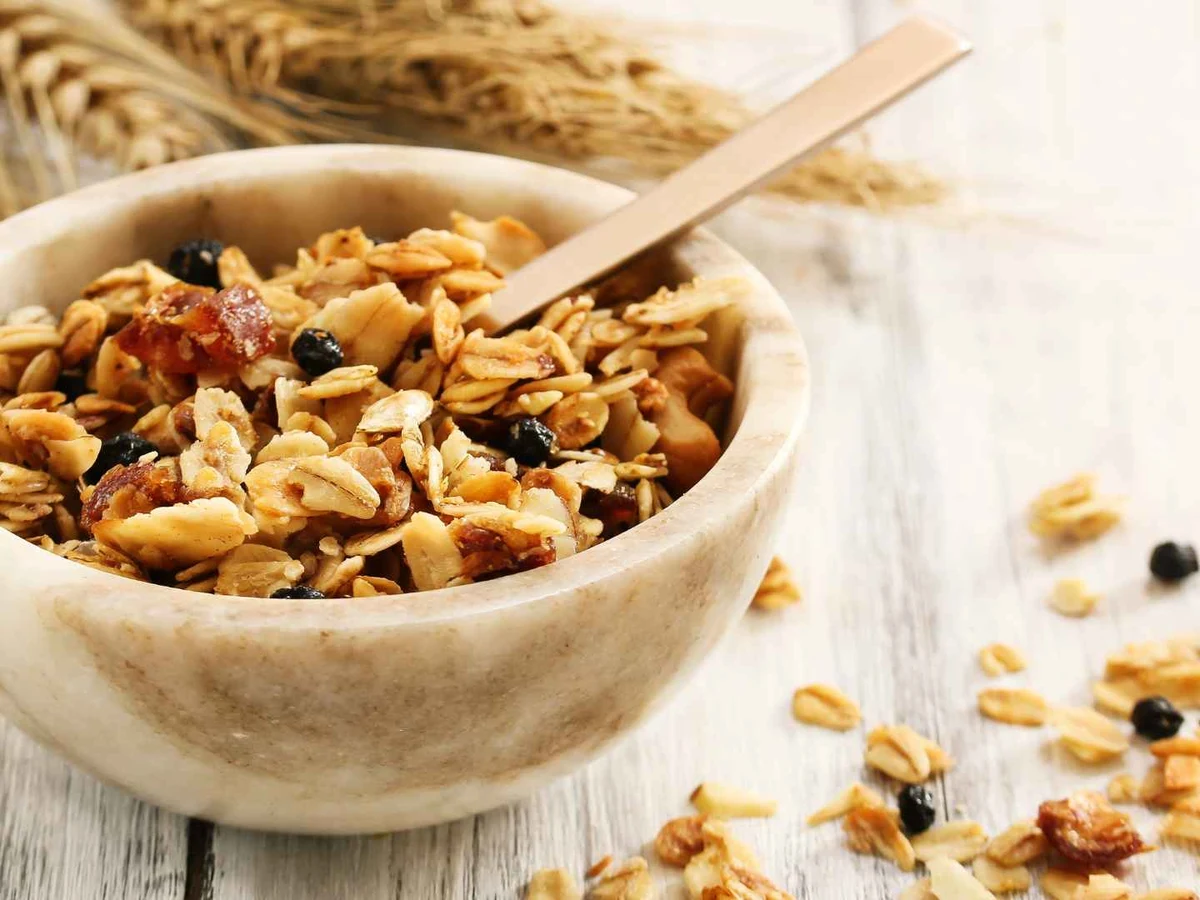
Cooked oats themselves are not a classic dog toxin, and a small amount of plain granola made without dangerous add-ins may be low risk. The bar can still contain substantial sugar, oil, honey, nuts, and fiber that cause vomiting, diarrhea, or gas after a large serving.
Dense bars also pack a lot of calories into a small rectangle. A single large bar can represent a surprisingly meaningful share of a small dog’s daily calories, which is another reason I would not make this a routine treat.
Dogs with pancreatitis, gastrointestinal disease, diabetes, or prescribed diets deserve individualized advice after a large rich-food exposure. The absence of a toxin does not mean every dog’s stomach will applaud the decision.
Raisins are the ingredient I never shrug off
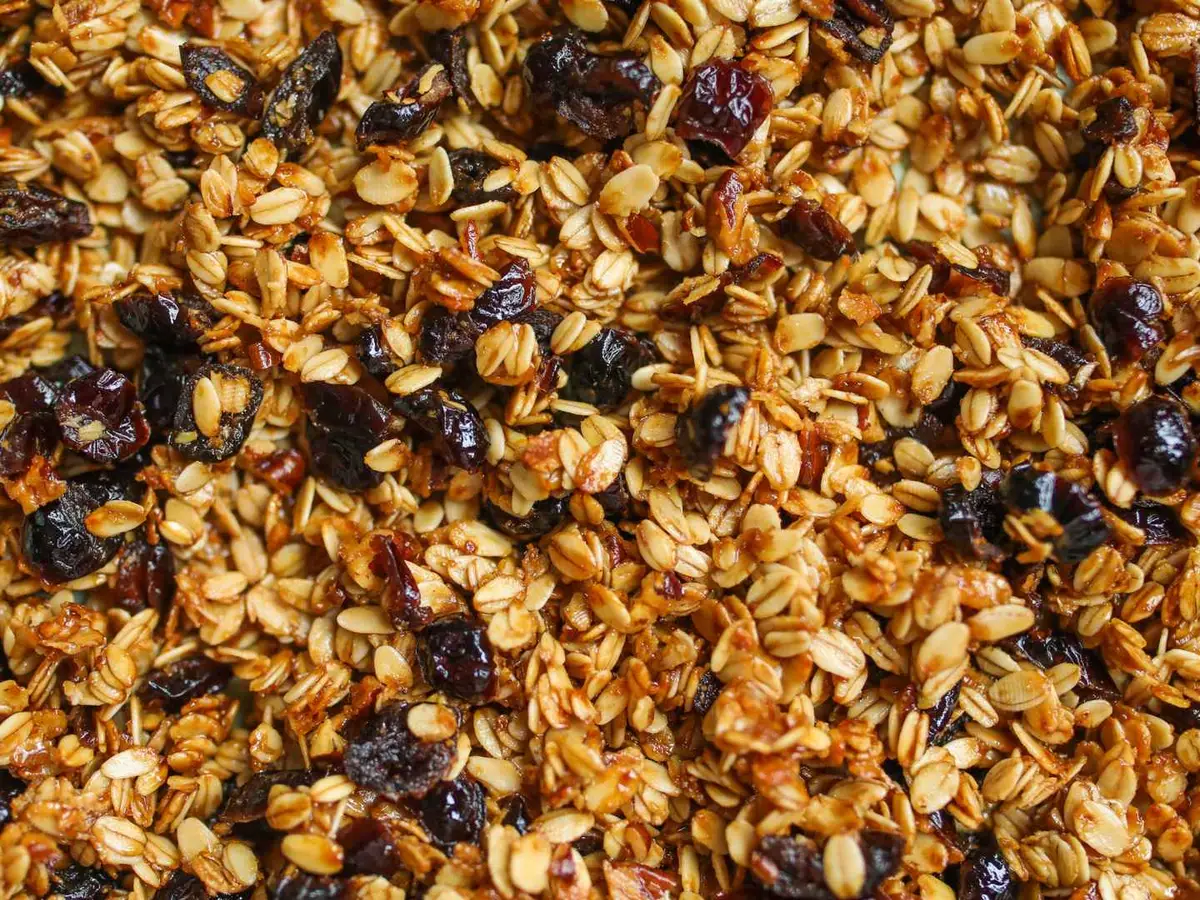
Raisins and other dried grape products can cause acute kidney injury in dogs, and individual susceptibility is unpredictable. A granola bar may contain only a handful, but there is no dependable home number I would use to declare a meaningful raisin exposure safe.
If raisins or grape-derived currants are listed, call promptly and save the package. Our raisin guide explains why waiting for vomiting or changes in urination is not a good screening plan.
Dried cranberries are different, but mixed fruit can be confusing
Plain dried cranberries are not known to carry the same kidney risk as raisins, although sweetened dried fruit can add a lot of sugar. Mixed dried-fruit bars may combine cranberries, raisins, cherries, dates, and other fruit in pieces that are difficult to identify after the wrapper is gone.
If the label says “dried fruit blend” and you cannot determine whether grapes are included, report the uncertainty. I would rather make one unnecessary call than perform dried-fruit identification from crumbs in the rug.
Chocolate chips can turn a snack bar into a methylxanthine exposure
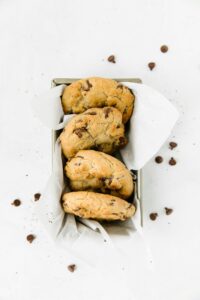
Chocolate contains theobromine and caffeine, and the concentration depends heavily on chocolate type. Dark chocolate and cocoa powder contain much more methylxanthine per ounce than milk chocolate, so a dark-chocolate granola bar deserves more attention than a few milk-chocolate flecks.
Several bars eaten at once can add the chocolate dose across the whole box. Our dog chocolate guide covers the dose-dependent signs and differences among chocolate types.
Possible signs include vomiting, diarrhea, restlessness, increased thirst or urination, rapid or abnormal heart rate, panting, tremors, overheating, seizures, weakness, and collapse. Call promptly when a meaningful concentrated chocolate exposure is possible.
Sugar-free and keto bars need a xylitol check
Some low-sugar snack bars use sugar alcohols or alternative sweeteners. If xylitol is present, dogs can develop dangerous hypoglycemia and, at larger doses, serious liver injury.
Call immediately if xylitol appears in the bar, coating, nut butter, or filling. Our xylitol emergency guide explains why the exact sweetener and dose matter.
Sorbitol, maltitol, and erythritol are different ingredients and can cause gastrointestinal upset without the same well-established canine xylitol syndrome. Name the exact sweetener instead of saying only “sugar-free.”
Macadamias deserve more attention than ordinary mixed nuts
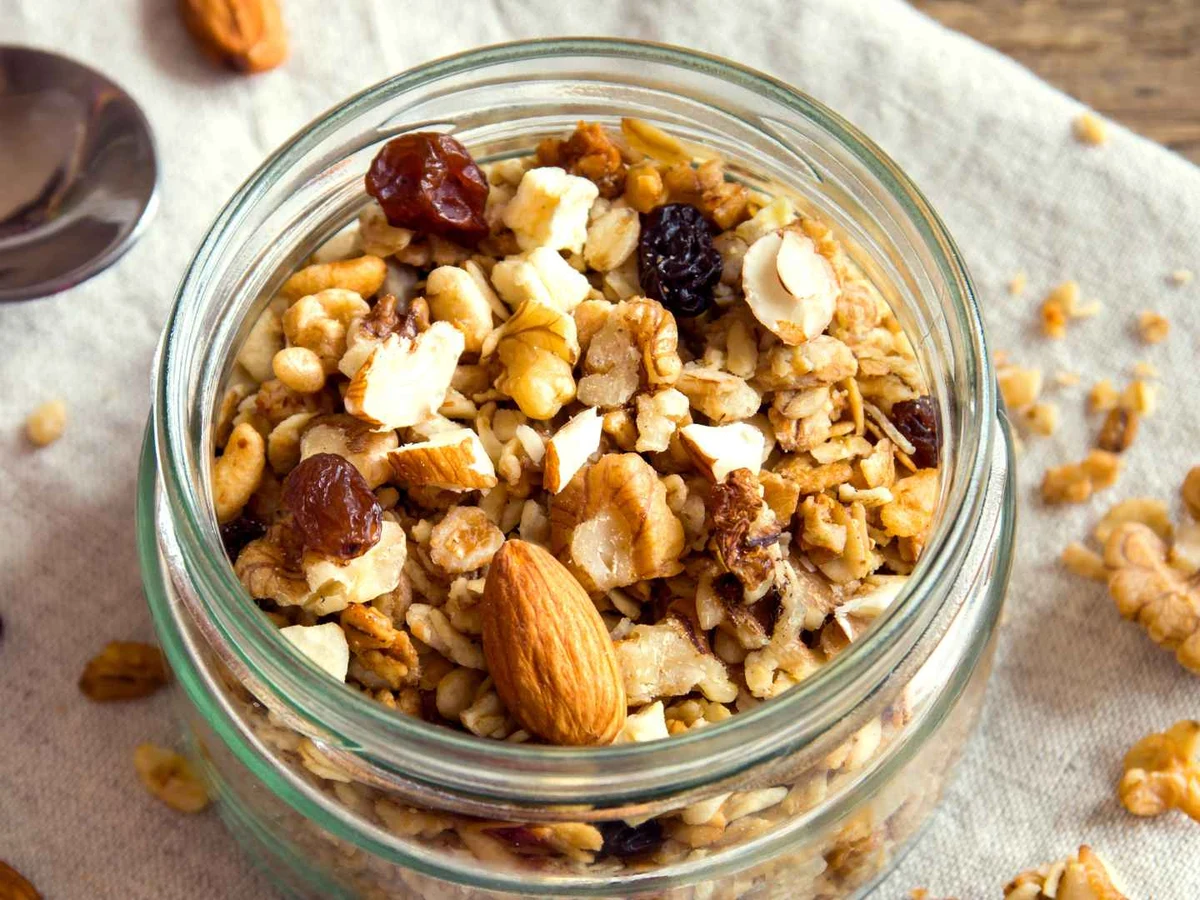
Macadamia nuts can cause weakness, especially in the hind legs, vomiting, depression, tremors, and increased body temperature in dogs. A white-chocolate macadamia or mixed-nut bar can therefore create a separate dog-specific toxicosis concern.
Peanuts, almonds, cashews, pecans, hazelnuts, and walnuts are not interchangeable with macadamias, though they can still add fat, salt, choking hazards, or mold concerns. Report the actual nut blend whenever possible.
Nut butter can hide xylitol or simply add a lot of fat
Peanut, almond, cashew, and seed butters are common binders in granola bars. Ordinary versions without xylitol are not usually classic dog toxins, but they are calorie-dense and can make a multi-bar binge especially fatty.
Read the nut-butter ingredients if the product is homemade or specialty low-sugar. I do not give homemade snacks a free safety pass simply because the kitchen, rather than a factory, mixed the ingredients.
Protein and energy granola bars can add caffeine
Some performance bars contain coffee, caffeine, green tea extract, guarana, or other stimulants. A small dog can receive a meaningful milligram-per-pound dose from a product intended to keep an adult person awake through a workout or a long meeting.
Report the caffeine amount per bar and multiply it by the largest number missing. Our energy drink guide explains the possible heart and nervous-system effects of concentrated caffeine.
Honey and maple syrup are not the emergency ingredients
Honey, maple syrup, brown rice syrup, and ordinary sugar are common granola-bar binders. They add calories and can contribute to gastrointestinal upset, but they do not create the same acute dog-specific poisoning syndrome as xylitol.
Sugar-heavy bars are still a poor choice for dogs with diabetes or weight-management plans. A stolen bar should not become a new treat just because the scary ingredients are absent.
Seeds are usually lower risk, but texture and salt matter
Pumpkin, sunflower, sesame, chia, and flax seeds can appear in granola bars and are not generally major canine toxins in ordinary food amounts. Shells, heavy salt, seasoning, large quantities, and moldy seed mixes can create separate concerns.
A very dense seed bar can also be hard to chew and calorie-heavy. Small dogs that swallow chunks whole deserve monitoring for choking or gastrointestinal trouble.
The wrapper can become the only problem left
Granola bars usually come in foil-lined plastic wrappers, and dogs often swallow those along with the food. One small wrapper may pass, but several wrappers or a large piece can cause choking or gastrointestinal obstruction.
Repeated vomiting, retching, abdominal pain, bloating, refusal to eat, marked lethargy, or inability to keep water down after a swallowed wrapper deserves veterinary evaluation. Count packaging while you count bars.
Do not induce vomiting until the complete bar is assessed
Whether vomiting is appropriate depends on the ingredients, amount, timing, symptoms, medical history, and swallowed packaging. A weak, trembling, poorly coordinated, seizing, or breathing-impaired dog can aspirate.
Do not use salt, mustard, oil, or fingers. If a veterinary professional specifically directs hydrogen peroxide for a suitable dog, follow the exact instructions for that case.
Backpacks are where granola bars go to become dog problems
Granola bars live in lunch bags, backpacks, gym bags, car consoles, diaper bags, and coat pockets. Those are also exactly the places many dogs can unzip, nose open, or drag onto the floor.
Store high-risk bars containing raisins, xylitol, chocolate, or caffeine behind a closed door or in a hard-sided container. I trust a cabinet latch much more than I trust a crinkly wrapper to protect itself.
Frequently asked questions
My dog ate one granola bar. Should I worry?
Check the exact ingredients before deciding. Raisins, xylitol, chocolate, macadamias, caffeine, and a swallowed wrapper can make one bar much more concerning than a plain oat-and-honey bar.
Are oat granola bars safe for dogs?
Oats themselves can be low risk, but the complete bar may contain sweeteners, dried fruit, chocolate, nuts, oils, and packaging. A tiny bite of a plain bar may be low risk for many healthy dogs, but it is not a useful routine treat.
What if the bar contains dried cranberries?
Plain dried cranberries do not carry the same known kidney risk as raisins, though they can be sugary. Confirm the dried-fruit blend does not also contain raisins or currants.
Can dogs eat homemade granola bars?
Homemade bars are only as safe as the recipe. Review sweeteners, chocolate, raisins, nuts, nut butter, caffeine, and the total fat load before sharing anything intentionally.
Bottom line
Granola bars range from plain oat snacks to concentrated mixtures of several dog hazards. Check first for raisins, xylitol, chocolate, macadamias, caffeine, and swallowed wrappers, then treat the amount, dog size, and medical history as part of the decision instead of relying on the healthy-looking package.