Can Dogs Eat Lamb Bones? Fractures, Choking, and Obstruction
Lamb bones are not a reliably safe chew, whether cooked or raw. They can fracture teeth, cut the mouth, lodge in the airway or esophagus, obstruct or perforate the digestive tract, carry pathogens, and arrive coated in fat or seasoning, so there is no universal safe bone size or cooking method.
The simplest safe version
- Choose a lean boneless cut such as trimmed loin or tenderloin.
- Cook it to the food-safe temperature for that cut and verify with a thermometer.
- Use no salt, brine, cure, rub, smoke flavor, onion, garlic, sauce, butter, or oil.
- Remove visible fat and cut the cooled meat into small pieces.
- Treat it as an occasional extra, not a substitute for complete dog food.
Lamb is not automatically fatty, and it is not automatically lean. A trimmed tenderloin cube and a strip of belly have very different fat loads even though both came from a pig.
Cooked and raw bones fail in different ways
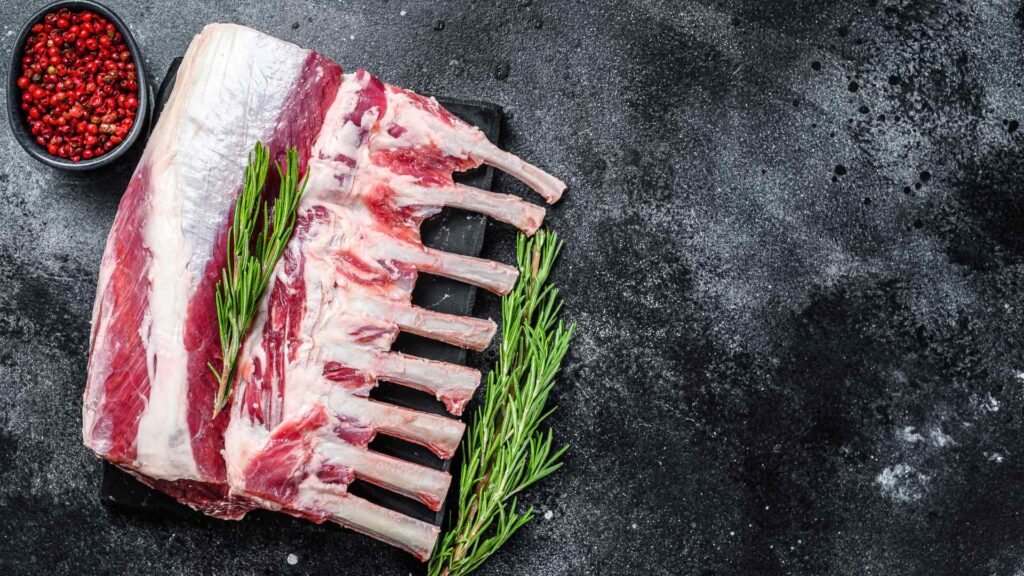
Cooking can dry and change a bone so it cracks into sharp pieces, but raw does not mean soft or harmless. A raw lamb bone can still break teeth, wedge across the palate, lodge in the esophagus, or become a gastrointestinal foreign body.
FDA warns that bones can become stuck in the airway or digestive tract and that sharp pieces can cause severe internal injury. Its holiday hazard guidance notes that signs may not appear immediately.
Rib bones, chop bones, neck bones, shanks, knuckles, vertebrae, marrow bones, and leftovers from a rack all vary in shape and density. None earns a universal safe label based on being larger than the dog’s mouth.
A size rule cannot account for chewing behavior
A large dog can crack a dense bone with tremendous force, while a small dog can swallow a narrow fragment. Gulping, previous dental work, missing teeth, age, jaw shape, and competition with another pet all change the event.
Supervision does not prevent a fracture that happens on the first hard bite. It also cannot guarantee you can safely remove a slippery fragment from a choking dog.
Do not test hardness against a fingernail or rely on a butcher’s assurance. Those shortcuts do not predict dental or digestive safety for an individual dog.
Where a swallowed bone can get stuck
Merck describes bones as common esophageal foreign bodies. Drooling, repeated swallowing, gagging, regurgitation, distress, or refusal of food after chewing a bone needs prompt care.
Further down, gastrointestinal obstruction can cause vomiting, appetite loss, abdominal pain, lethargy, dehydration, and shock. Bones are specifically listed among slowly digested foreign objects.
A sharp fragment can injure tissue even without a complete blockage. Blood from the mouth, vomit, or stool, a tense painful abdomen, collapse, or breathing trouble is an emergency.
Raw bone adds pathogen exposure
Merck’s discussion of raw meat-based diets lists pathogen exposure alongside dental injury, obstruction, perforation, and nutrient imbalance. Raw handling also exposes bowls, floors, hands, and household members.
Do not rinse raw lamb in the sink because splashing spreads contamination. Clean hands, utensils, counters, and any surface reached by meat juices.
Puppies, older adults, pregnant people, and anyone immunocompromised may face greater consequences from household foodborne pathogens. The dog’s lack of symptoms does not make hygiene optional.
Fat, marrow, and seasoning matter too
Marrow and fat left on a bone add concentrated calories and may trigger vomiting or diarrhea. Dogs with previous pancreatitis, high blood fats, obesity, or prescribed low-fat diets need stricter avoidance.
Roast drippings, garlic, onion, salt, stock, glaze, barbecue sauce, and skewers can turn a bone raid into several exposures. Inventory the roasting pan, trash, foil, strings, and packaging.
What to do when a lamb bone is missing
- Keep the dog calm and remove remaining bones without reaching blindly into the throat.
- Identify cooked or raw bone, cut and shape, amount missing, time, dog weight, symptoms, health conditions, and any seasoning or packaging.
- Call a veterinarian promptly for a swallowed bone or unknown fragment, even if the dog looks comfortable, because location and timing affect options.
- Go to emergency care for breathing difficulty, choking, repeated gagging or retching, collapse, severe pain, repeated vomiting, blood, or a swollen abdomen.
- Do not induce vomiting or give bread, oil, pumpkin, cotton, laxatives, antacids, or extra food to push a bone through unless the veterinarian directs it.
Safer chewing does not mean risk-free
Ask the veterinarian to recommend a product appropriate for the dog’s teeth, chewing style, and medical history. Choose an item designed for dogs and follow its size, supervision, and replacement instructions.
No chew is indestructible or suitable for every dog. Inspect it often and discard pieces that become small enough to swallow or sharp enough to cut.
Cook lamb by temperature, not by color
The USDA Food Safety and Inspection Service temperature chart lists 145°F, followed by at least a three-minute rest, for lamb steaks, chops, and roasts. Ground lamb and sausage should reach 160°F, while leftovers should reach 165°F.
Place the thermometer in the thickest part without touching bone, and use the requirement for the actual product. Browning, clear juice, firmness, smoking, or a long cooking time cannot replace a temperature reading.
Let the meat rest as required, cool it, remove every bone, and trim away obvious fat. Plain lamb cooked for people can be set aside before the family portion receives seasoning or sauce.
Raw meat juice can contaminate hands, counters, bowls, knives, and the dog’s muzzle. Wash hands and utensils, keep raw lamb separate from ready-to-eat food, refrigerate promptly, and do not let a dog lick the cutting board.
Why raw or undercooked lamb is a poor gamble
Raw lamb can carry disease-causing bacteria and parasites, and freezing, curing, drying, smoking, or microwave heating is not a universal substitute for proper cooking. A normal smell and appearance do not prove that raw meat is safe.
The CDC trichinellosis prevention guidance identifies raw or undercooked lamb and wild game as possible sources of Trichinella. It also advises against feeding uncooked meat or scraps to animals and notes that curing, drying, smoking, or microwaving alone does not consistently kill the worms.
Commercial lamb in the United States is not identical in risk to home-slaughtered or poorly stored meat, but none of those distinctions makes raw feeding necessary. Proper cooking also reduces bacterial hazards that have nothing to do with Trichinella.
Call after a substantial raw-lamb meal, especially for a puppy, pregnant dog, senior, immunocompromised dog, or animal already ill. Vomiting, diarrhea, fever, appetite loss, weakness, dehydration, or bloody stool needs veterinary guidance.
Raw-fed lamb and butcher scraps need their own conversation
Raw lamb and butcher scraps are not sterile chews. Slaughter, storage, temperature control, handling, and cross-contamination all affect safety for the dog and people in the home.
The CDC warns that some Trichinella worms in wild game resist freezing. Do not give raw trimmings, organs, or scraps from a hunt to a dog, and ask the relevant wildlife or public-health authority for preparation requirements.
Lamb bones are not dog treats
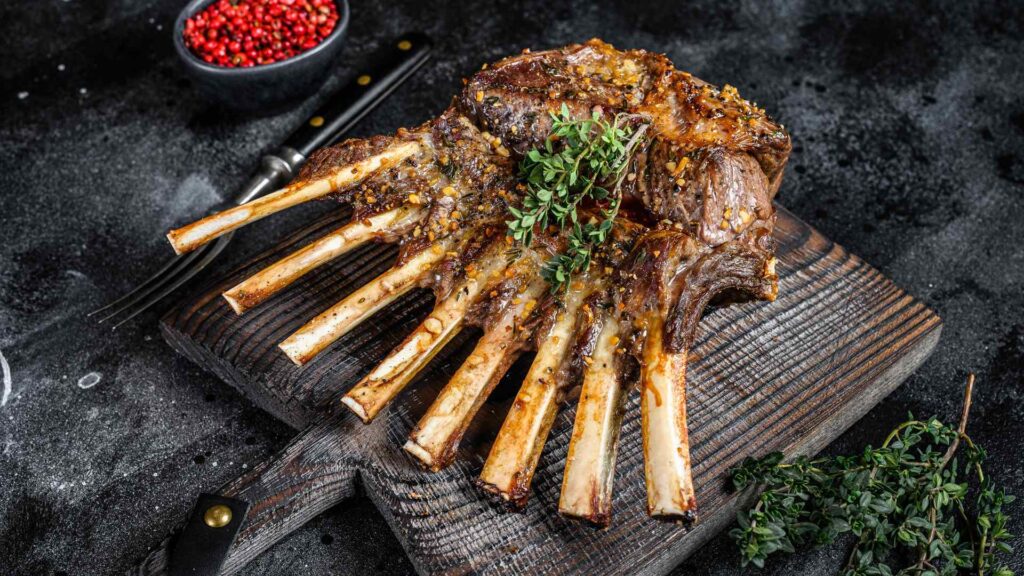
Cooked bones can crack or splinter, while raw bones can still break teeth, lodge in the esophagus, obstruct the intestine, carry pathogens, or cause constipation and rectal injury. Ribs, chop bones, knuckles, neck bones, and leg bones all deserve the same caution.
The Merck Veterinary Manual esophageal foreign-body review notes that bones are the most common esophageal foreign body in dogs. Drooling, gagging, repeated swallowing, regurgitation, and difficulty swallowing are warning signs.
Active choking, breathing difficulty, blue or gray gums, or collapse is an emergency. Do not reach blindly into the throat or pull a deeply lodged bone unless an emergency professional directs you in real time.
A swallowed bone can create trouble later even if the dog initially acts normal. Repeated vomiting, appetite loss, abdominal pain, lethargy, bloating, blood, straining, or reduced stool needs prompt care.
Do not induce vomiting after a bone is swallowed because a sharp fragment can cause more injury on the way back. Do not try to wrap it in bread, feed bulky fiber, or push it through with oil.
Fat, skin, grease, and pancreatitis
Lamb skin, belly, cooking grease, pan drippings, rib fat, crackling, and visible trimmings concentrate fat and calories. A tiny lick is different from drinking the roasting pan, but neither is a useful treat.
The Merck Veterinary Manual pancreatitis review identifies dietary indiscretion as a common suspected risk factor in dogs. Vomiting and abdominal pain after a rich-food raid can fit pancreatitis, but diagnosis requires the whole clinical picture.
Dogs with previous pancreatitis, high triglycerides, obesity, diabetes, or prescribed fat restriction should not receive lamb fat. Repeated vomiting, marked pain, appetite loss, weakness, dehydration, or a hunched posture warrants a prompt call.
Cured meats and salty scraps are not plain lamb
Cured meat scraps often carry much more sodium and fat than an unseasoned lean cut. Glazes can add sugar, honey, maple, spice, alcohol, or sugar-free sweeteners.
One tiny dropped cured-meat crumb is unlikely to poison a healthy large dog, but a missing package or pan of grease can cause significant digestive and dietary problems. Packaging, absorbent pads, foil, netting, and skewers may be the most urgent part of the raid.
Dogs with heart, kidney, urinary, or blood-pressure concerns may have strict sodium instructions. Do not use salty deli meat as routine pill food without checking the medical plan.
Sausage, hot dogs, salami, and pepperoni
Processed lamb may contain salt, garlic, onion, pepper, chile, fennel, smoke flavor, cheese, preservatives, or mixed meats. Casings can be tough, and links are easy to swallow whole.
Our onion guide and garlic guide explain why cooked and powdered Alliums still matter. Save the current package because recipes and meat blends change.
Sugar-free barbecue sauce, glaze, or ketchup requires an immediate xylitol check. Chocolate, raisins, macadamias, alcohol, and hot chiles can also appear in specialty sauces or charcuterie boards.
Barbecue and pulled lamb
Pulled lamb is usually fatty shoulder cooked with rub, sauce, stock, smoke, salt, onion, or garlic. Bones, butcher’s string, foil, skewers, corn cobs, and greasy paper can disappear during the same picnic raid.
Do not rinse sauced meat and assume every ingredient is gone. Seasoning and fat can be mixed throughout, so record the recipe and amount for the veterinary call.
Lamb liver and organ meat
Lamb liver is not a casual unlimited treat simply because it contains nutrients. Organ meats are concentrated ingredients whose amount should be controlled within a complete recipe.
A home-prepared diet based on lamb muscle and liver can still be deficient or excessive in essential nutrients. Ask a board-certified veterinary nutritionist to formulate long-term homemade food rather than balancing it by instinct.
Lamb is protein, not a protein miracle
Dogs need amino acids, energy, fatty acids, vitamins, and minerals in appropriate proportions. Plain lamb can contribute protein, but adding more does not automatically build muscle, fix anemia, improve immunity, or make an incomplete diet balanced.
The UC Davis veterinary treat guideline recommends that treats and extras remain below 10 percent of daily calories. At least 90 percent should come from complete and balanced food.
For a different fully cooked animal-food example, our egg guide separates food safety from nutrition hype. Our salmon guide does the same for fish.
Lamb allergy requires a real diagnostic plan
Lamb protein can be part of an adverse food reaction in an individual dog, but vomiting after a fatty scrap does not prove allergy because fat, seasoning, quantity, and infection are competing explanations. Chronic itching and ear or digestive signs also have many causes.
The Merck Veterinary Manual food-allergy review describes a strict elimination diet and rechallenge as the reference diagnostic method. Hair, saliva, and convenient food-sensitivity panels do not establish a lamb allergy.
Facial swelling, widespread hives, breathing trouble, weakness, or collapse is an emergency. Recurrent milder signs deserve a veterinarian-guided diet trial rather than random meat swapping.
What to do after an accidental lamb meal
- Identify raw, cooked, wild, fatty, cured, seasoned, spoiled, or moldy lamb and note every bone.
- Record the amount, time, dog’s weight, symptoms, medical conditions, and medications.
- Save the recipe and labels for rub, sauce, sausage, ham, sweetener, and preservatives.
- Count missing bones, pads, string, netting, skewers, foil, plastic, and other packaging.
- Call promptly for raw wild boar, bones, large fat exposure, unsafe seasonings, packaging, or significant symptoms.
A healthy adult dog that eats one small piece of plain, fully cooked, lean, boneless lamb and remains comfortable can usually be monitored. Keep water available and return to the normal complete diet.
Do not induce vomiting or give human stomach medicine unless a veterinary professional directs it. Bones, existing symptoms, aspiration risk, and timing can make home treatment dangerous.
Frequently asked questions
Can dogs eat lamb chops?
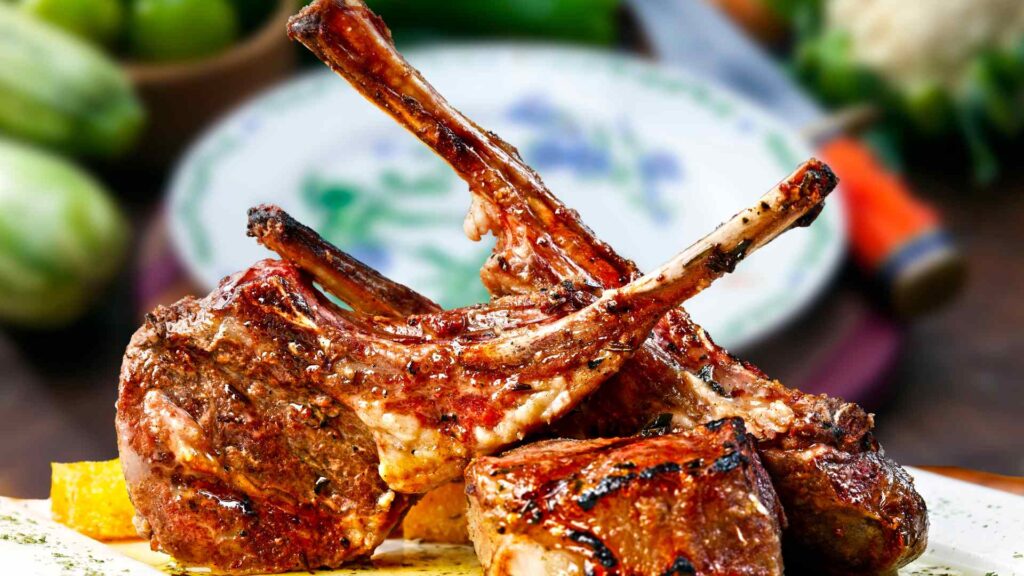
Only a small piece of plain, fully cooked, lean, boneless meat is a reasonable treat. Remove the chop bone, visible fat, rub, sauce, and pan grease.
Can dogs eat raw lamb?
Do not offer it. Raw or undercooked lamb can expose dogs and household members to pathogens and parasites without providing a unique benefit.
Can dogs eat cured lamb?
A tiny dropped crumb is usually a minor event for a healthy dog, but cured meat is salty and fatty and should not be a planned treat. A large amount, grease, packaging, or symptoms needs a call.
Can dogs eat lamb bones?
No lamb bone is risk-free. Cooked bones can splinter, while raw bones can lodge, obstruct, break teeth, and carry pathogens.
The bottom line
A few cooled bites of plain, fully cooked, lean, boneless lamb can be an occasional extra for many healthy adult dogs. Use a thermometer, trim the fat, cut the meat small, and keep complete food in charge.
Raw lamb, bones, grease, cured meat, sausage, barbecue, unsafe seasonings, and packaging each change the response. The exact cut and preparation matter far more than the word lamb.