Can Cats Eat Pinto Beans? Cooked, Canned, Refried, and Raw Beans
Cats can usually tolerate a tiny amount of plain, fully cooked pinto bean, but there is no nutritional reason to put beans in the treat rotation. Dry beans, undercooked beans, salty canned liquid, chili, refried beans, and discarded cans create very different problems, so “my cat ate pinto beans” needs one more sentence.
First question: how did the bean get to the plate?
The cooking history is the fastest way to sort this incident. A soft bean lifted from an unsalted pot is lower concern than a hard bean from the soaking bowl or a scoop from restaurant chili.
| Pinto-bean form | What changes the risk |
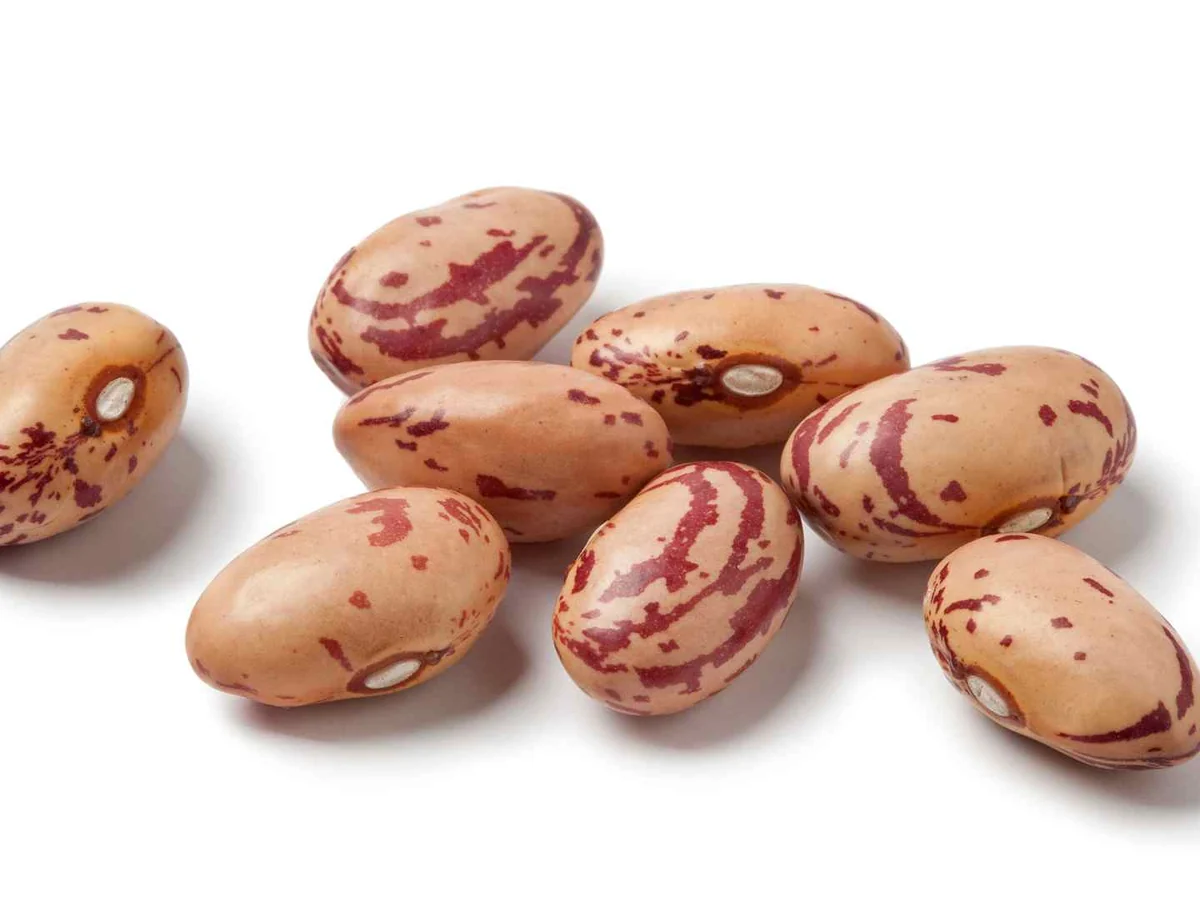
| Dry bean | Hard object, difficult chewing, not properly cooked |
| Soaked but uncooked | Still raw, swollen size, microbial handling issues |
| Fully boiled, plain bean | Fiber and portion-related digestive upset |
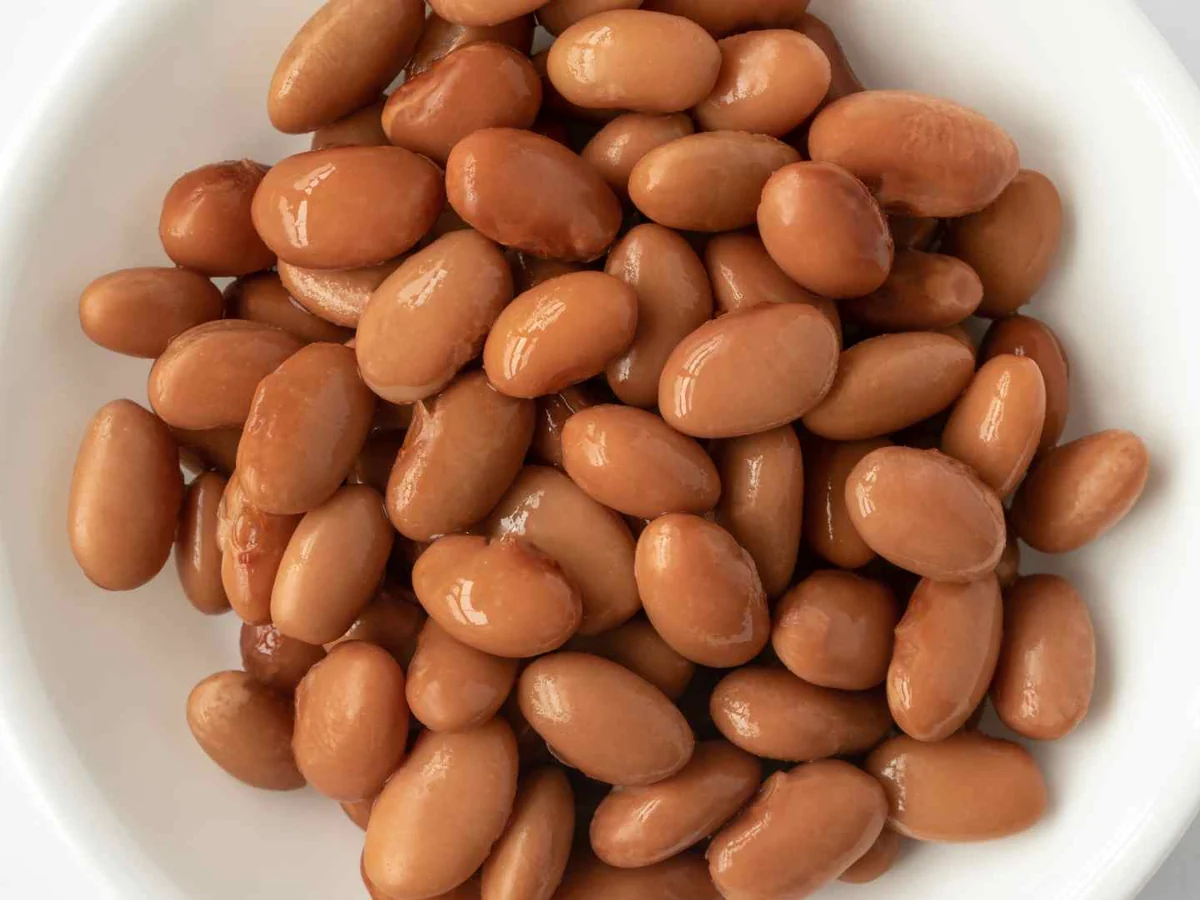
| Canned bean | Usually cooked, but brine and seasonings need checking |
| Refried beans | Fat, salt, onion, garlic, chile, dairy, or meat drippings |
| Chili or soup | Alliums, sodium, spices, tomato, meat fat, and unknown recipe |
| Can, lid, pull tab, or plastic liner | Cuts, choking, or foreign-object injury |
Raw and undercooked beans belong in the call notes
Beans contain lectins that are reduced by proper moist cooking, and the FDA’s page on natural toxins in food warns that raw or undercooked beans can contain phytohaemagglutinin. The clearest human data concern kidney beans, so it would be careless to invent a pinto-bean dose that predicts feline illness.
The sensible cat rule is simpler: do not feed dry, soaked-raw, sprouted, or partly cooked pinto beans. If a cat swallowed them, call a veterinarian with the bean state, estimated number, preparation method, time, body weight, and current signs.
A slow cooker is not proof that beans were cooked safely
Low heat can soften food without following the boil-and-simmer method used to inactivate bean lectins reliably for people. Do not taste-test the conclusion on your cat, and do not assume a bean is safe merely because it crushes between two fingers.
If the pot began with dry beans, note whether they were boiled, for how long, and whether they remained firm. A veterinary professional can then judge the actual exposure instead of trying to decode the appliance setting.
Fully cooked and plain is the only low-drama version
A pinto bean that has been thoroughly cooked in water until soft, cooled, and served without salt or seasoning is unlikely to poison a healthy adult cat in a tiny quantity. Mash it so the round skin cannot be gulped intact, and stop after a taste rather than building a side dish.
Beans contribute carbohydrate, plant protein, and fiber, but feline nutrition is not a checklist of isolated nutrients. The amino-acid and mineral balance in a complete cat food cannot be replaced by guessing how many beans look wholesome.
Why a bowlful is a bad experiment
A larger helping can bring gas, loose stool, vomiting, abdominal discomfort, or appetite disruption, especially in a cat that rarely eats legumes. The bean may also displace the animal-based food a cat is designed to obtain most nutrients from.
Cats with inflammatory bowel disease, chronic constipation, diabetes, kidney disease, food allergies, or a prescription diet need an individual answer from their veterinary team. “High fiber” is not automatically helpful when the cause of a digestive problem is unknown.
Canned pinto beans need a label and a rinse
Commercial canned beans are generally already cooked, which removes the raw-bean question, but the liquid may contain substantial sodium. Choose no-salt-added beans if a veterinarian has approved a taste, drain and rinse them, and still keep the portion minute.
Read for onion, garlic, chile, smoke flavor, bacon, sweeteners, and preservatives rather than relying on “Southwestern” or “seasoned” as a complete description. A can that says only beans, water, and a small amount of salt is easier to evaluate than a ready-to-heat side dish.
Refried beans are a recipe, not a bean serving
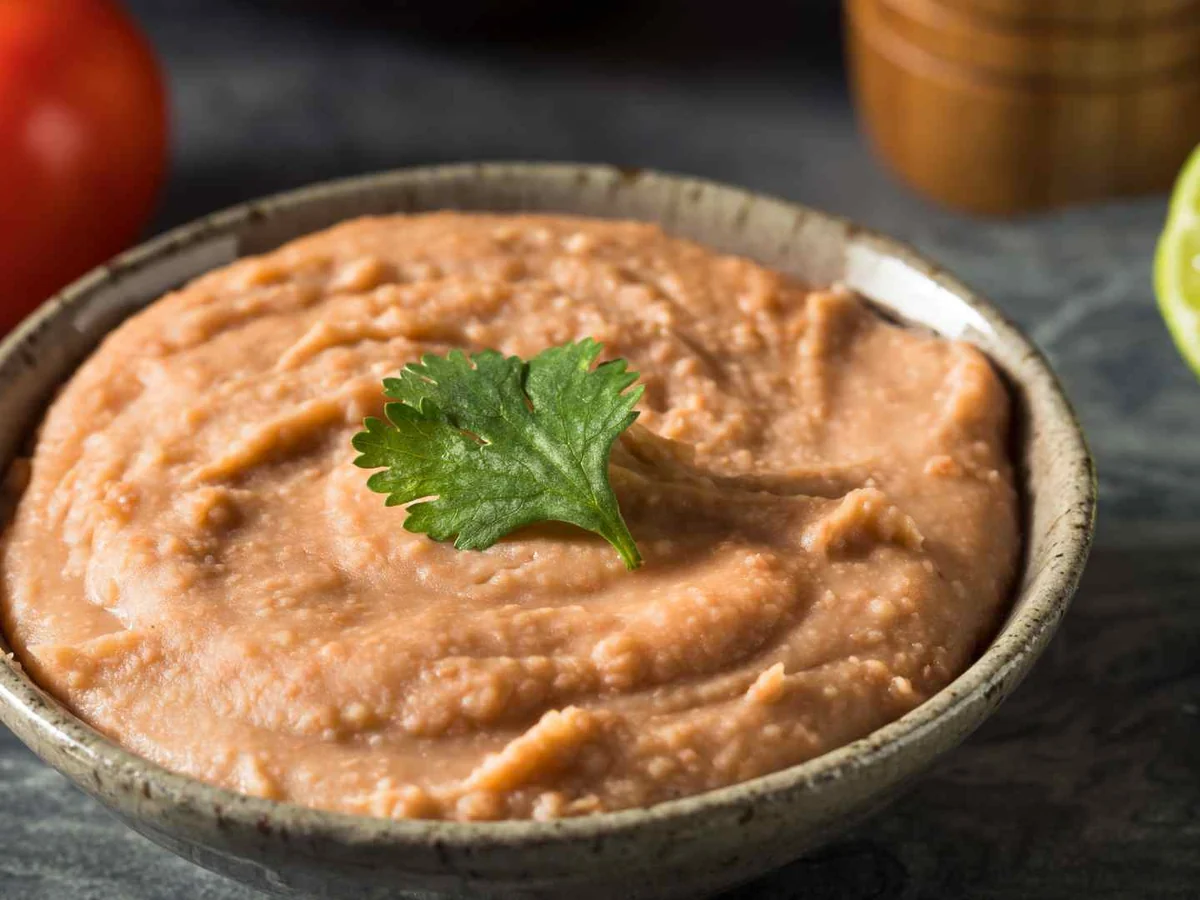
Refried beans may be mashed with lard, vegetable oil, bacon fat, cheese, salt, onion, garlic, jalapeño, or spice blends. Their smooth texture makes it easy for a cat to consume more before anyone notices, and it hides pieces that would have warned you about seasoning.
A lick from a clean edge of the plate may cause no signs, but a stolen scoop deserves ingredient reconstruction. If onion or garlic appears, use the site’s focused guides to onions and garlic while you contact a professional.
Chili turns one food into a dozen variables
Pinto-bean chili often combines meat, tomato, broth, salt, onion, garlic, chile powder, and toppings such as sour cream or cheese. Heat and capsaicin-rich seasonings may irritate the mouth and gut, while Alliums carry a more consequential red-blood-cell risk.
Do not call chili “safe because the beans were cooked,” and do not call one tiny lick a guaranteed poisoning. Save the exact recipe, check the missing quantity, and let the confirmed ingredients guide the level of concern.
Bean broth, aquafaba, and cooking water
Pinto cooking liquid contains dissolved starch and compounds from the beans, and canned brine adds whatever the label lists. It is not a hydration hack for cats, particularly when salty, seasoned, or collected before cooking is complete.
Provide fresh water in the normal bowl instead. If a cat laps an unknown amount of bean liquid, report whether it came from raw soaking, active boiling, a finished unsalted pot, or a seasoned can.
Storage history can outrank the bean variety
Cooked beans are perishable leftovers, and a forgotten pot on the stove or a container repeatedly warmed and cooled should not become pet food. Refrigerate human leftovers promptly according to food-safety guidance, and discard questionable beans rather than using a cat as the freshness committee.
Dry pintos should remain dry, clean, and protected from insects, moisture, mold, and rodent contamination. The FDA’s produce-safety rule identifies pinto beans among produce rarely consumed raw, which reinforces cooking context without establishing a feline poisoning threshold.
A sour smell, slimy liquid, expanding lid, leaking can, mold, or pantry contamination changes the call. Keep lot codes and packaging when a commercial product appears spoiled or recalled.
Community bean pots and buffet trays add unknown holding times, shared utensils, meat juices, and several cooks’ seasonings. When nobody can reconstruct the dish, report that uncertainty honestly instead of choosing the simplest recipe you recognize.
Hard beans can behave like household objects
Dry pintos roll beautifully across tile, which is apparently a persuasive argument to a playful cat. They can be mouthed, lodged near the back of the throat, or swallowed whole, and soaked beans become larger without becoming safe to eat.
Urgent signs include choking, repeated gagging, labored breathing, pawing at the mouth, collapse, a painful swollen abdomen, repeated vomiting, or inability to keep water down. Do not reach blindly into the throat or force food behind a suspected obstruction.
The can is often sharper than the food is risky
A partly opened lid, detached pull tab, and jagged rim can cut the tongue, paw, or face. Blood in the mouth, repeated swallowing, sudden drooling, or a missing metal tab requires prompt veterinary attention even if the beans themselves were plain.
Rinse the can before recycling, fold nothing into a shape that traps a paw, and secure the bin. Plastic inner seals, seasoning sachets, and absorbent pads from meal kits should also go straight into a lidded container.
What to do after a known tiny serving
- Remove the bowl and identify whether the beans were dry, soaked, fully cooked, canned, refried, or part of another dish.
- Keep the package or recipe and photograph both sides of the label.
- Estimate the amount from what remains instead of relying on a frightened guess.
- Offer ordinary water and the cat’s regular meal if the cat is alert and your veterinary team has not advised otherwise.
- Watch for vomiting, diarrhea, bloating, pain, appetite change, weakness, breathing changes, or abnormal gum color as directed.
Do not induce vomiting or give salt, peroxide, oil, milk, charcoal, or extra fiber at home. Raw beans, an unknown recipe, a substantial portion, abnormal signs, or a medically vulnerable cat justify an early phone call.
If you are comparing beans, compare preparation too
Black, kidney, green, and pinto beans do not become interchangeable because they share a pantry shelf. The guides to black beans and kidney beans show why species, lectin concentration, cooking, recipe, and serving form all matter.
No bean variety should become a meaningful share of a cat’s daily calories unless a veterinary nutrition professional formulated the whole diet. FDA guidance on complete and balanced pet food gives owners a stronger label standard than an ingredient’s reputation.
Frequently asked questions
Can cats eat canned pinto beans?
A rinsed, mashed fragment from a plain, fully cooked, no-salt-added can may be tolerated, but it is unnecessary. Avoid seasoned cans, and ask the veterinarian before offering any to a cat on a medical diet.
Can cats eat refried pinto beans?
Refried beans are best avoided because recipes commonly add fat, salt, onion, garlic, chile, cheese, or meat drippings. If some was stolen, check the full ingredient list and call about confirmed Alliums or a significant amount.
Are pinto beans a good protein source for cats?
They are not an appropriate replacement for animal-based, nutritionally complete cat food. A gram of plant protein on a human nutrition panel does not tell you whether the full feline amino-acid pattern and nutrient balance are adequate.
What if my cat ate dry pinto beans?
Phone a veterinary clinic for advice because hard beans introduce choking, foreign-object, and raw-bean concerns. Give the number missing, the cat’s size, when it happened, and whether there is gagging, vomiting, pain, or appetite change.
Bottom line
One mashed, thoroughly cooked, unseasoned pinto bean is a low-value extra that many healthy cats will tolerate, but it should not become a routine food. Raw or undercooked beans, refried dishes, chili, salty brine, large portions, and sharp packaging deserve their own careful response.