Can Cats Eat Lobster? Cooked Meat, Shell, Tomalley, and Seasoning
Most healthy adult cats can sample one tiny piece of plain, fully cooked lobster meat. Remove every shell fragment, cartilage-like piece, tomalley, roe, and vein, then keep raw lobster, salty cooking liquid, garlic butter, spice, rich rolls, whole tails, picks, bands, packaging, and spoiled leftovers away.
Only the clean cooked muscle earns consideration
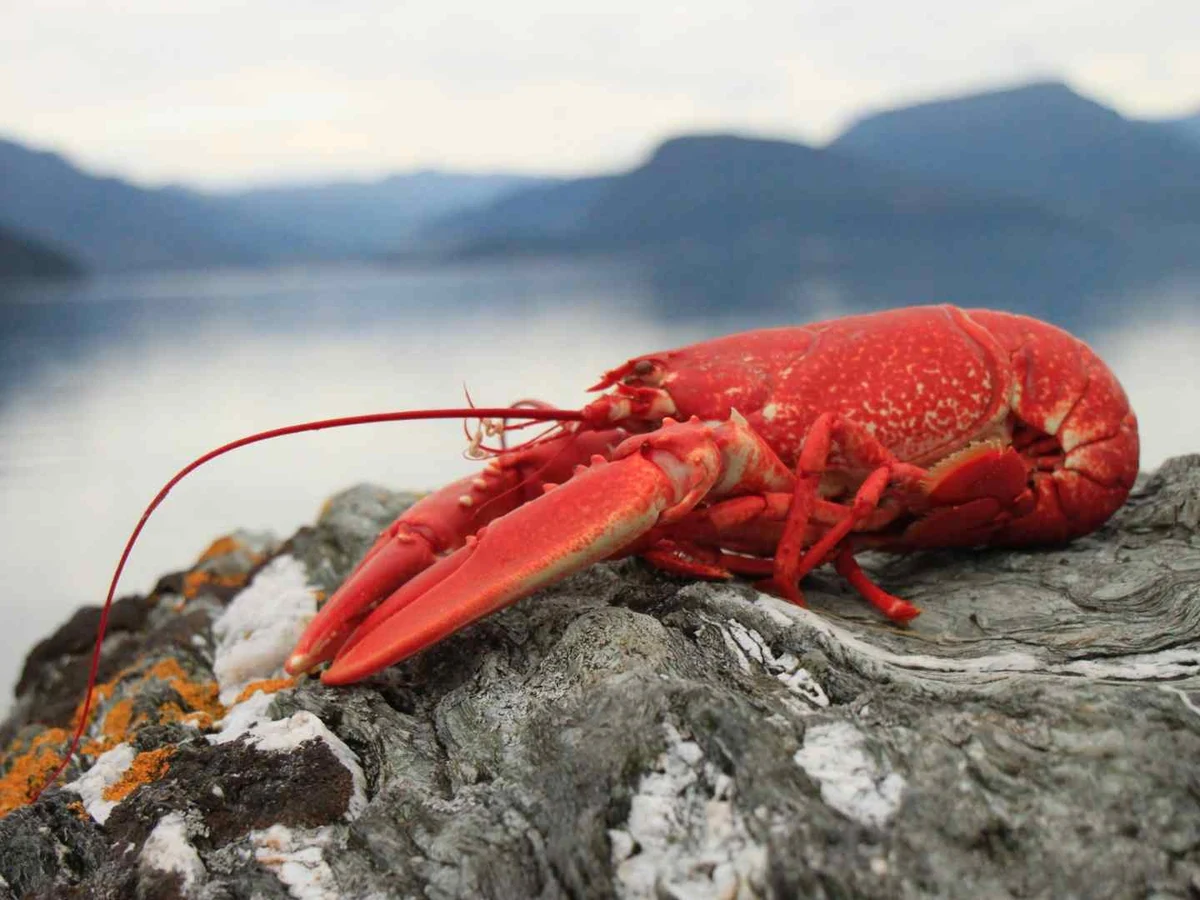
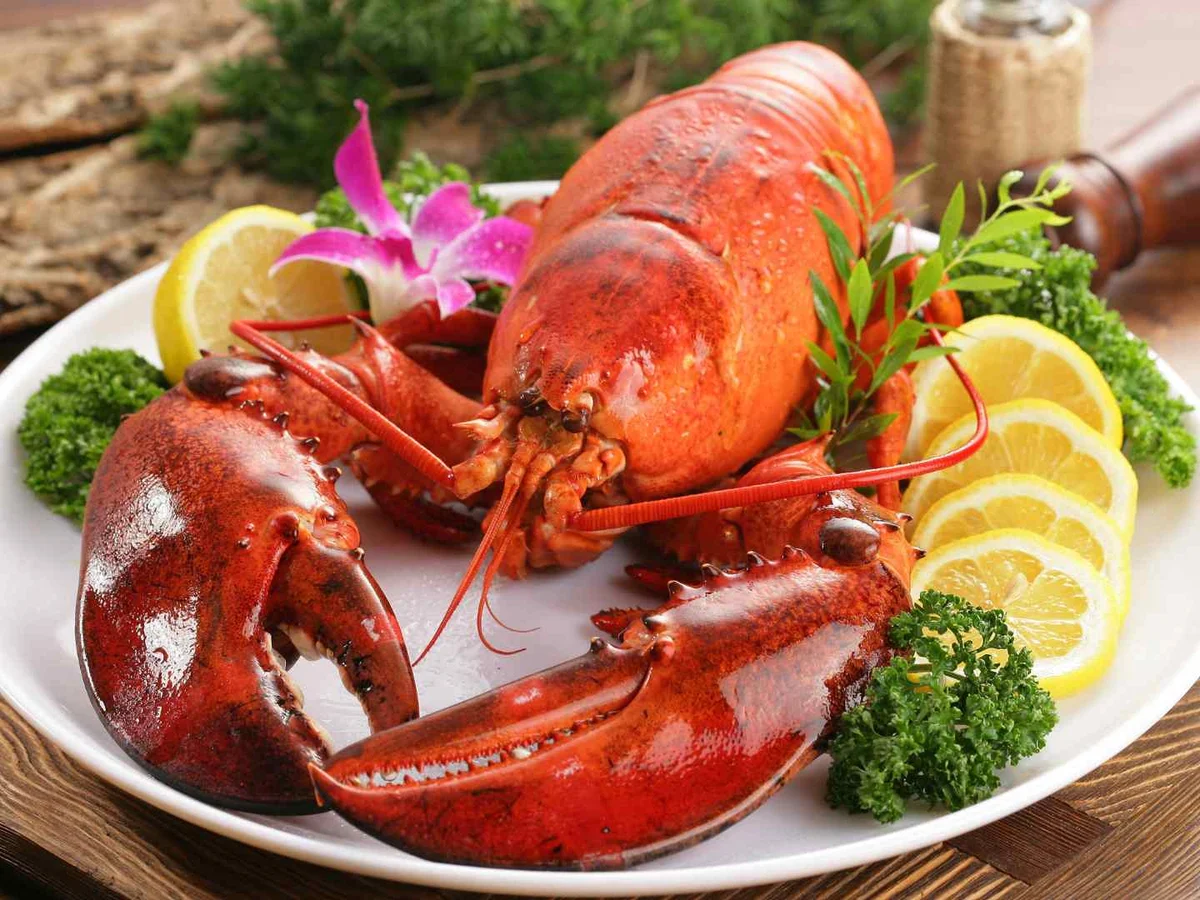
Lobster anatomy includes claw and tail meat, shell, joints, swimmerets, gills, digestive tract, tomalley, roe in some animals, and internal membranes. The soft white cooked muscle is the only portion worth discussing as a cat taste.
Cook the meat completely, cool it on a clean plate, inspect it under bright light, and cut one piece no larger than a pea. A whole claw chunk or tail medallion is too large and springy for a cat.
The FDA seafood guidance recommends thorough cooking and safe cold handling. Do not judge doneness solely from shell color.
Shell is sharp, rigid, and not digestible dinnerware
Lobster shell can splinter into pointed edges capable of cutting gums, lodging in the throat, or injuring the gastrointestinal tract. Tiny translucent pieces may cling to meat after cracking.
Run clean fingers through every morsel and pull meat away from a separate work area for shell. Do not let a cat lick the shell pile, crusher, pick, or kitchen towel.
Gagging, drooling, repeated swallowing, regurgitation, vomiting, appetite loss, abdominal pain, blood, reduced stool, or hiding after shell disappears needs prompt veterinary assessment. Airway compromise or collapse is an emergency.
Do not induce vomiting or feed bread, rice, oil, or pumpkin to move shell. A sharp object can injure tissue in either direction.
Tomalley is not a feline delicacy
Tomalley is the greenish hepatopancreas that performs liver and pancreatic functions in lobster. It can accumulate environmental contaminants and is not required for a cat treat.
The FDA has advised consumers to avoid eating tomalley during certain harmful algal bloom concerns, because toxins can accumulate there even when meat is unaffected. Regional public-health advisories should be followed.
Do not use human serving traditions to justify feeding tomalley, roe, or internal organs to a cat. Plain inspected muscle removes an avoidable contaminant and digestive variable.
Raw lobster is a household pathogen problem
Raw shellfish can carry harmful bacteria and other pathogens, while cross-contamination spreads through hands, boards, sinks, utensils, thawing liquid, and paws. Freezing does not make every raw product sterile.
The CDC recommends avoiding raw pet food and practicing careful hygiene around raw animal ingredients. Cats can spread organisms through saliva and litter even when they do not look sick.
The cat raw-fish guide offers broader handling and symptom context, although crustaceans and finfish are not biologically identical. Neither belongs in an improvised raw feline diet.
Kittens, seniors, pregnant cats, immunocompromised animals, and households with vulnerable people have less margin for foodborne exposure. Keep cats away from sinks and raw seafood stations.
Boiling water can season before the shell opens
| Cooking style | What it can add | Cat answer |
|---|---|---|
| Plain steam or water | Heat only when truly unseasoned | A tiny cooled shell-free muscle piece may be offered. |
| Salted boil | Sodium in liquid and meat surface | Do not share routinely. |
| Seafood boil | Alliums, spice, sausage, corn, potatoes | Assess a complex platter. |
| Grilled lobster | Butter, oil, garlic, smoke, char | Set aside plain meat before seasoning. |
| Broiled tail | Garlic butter, salt, cheese, breadcrumbs | Not equivalent to plain cooked lobster. |
| Thermidor or bisque | Dairy, alcohol, stock, Alliums | Keep away from cats. |
Garlic butter adds delayed and immediate problems
Butter adds fat and calories, while garlic can oxidatively damage feline red blood cells even after cooking. Salt, lemon, herbs, wine, and hot pan drippings may join the sauce.
The Merck Veterinary Manual identifies cats as particularly susceptible to Allium toxicosis, and anemia can take days to appear. Call after known garlic rather than waiting for weakness or pale gums.
Our feline butter guide covers fat, dairy, salt, hot pans, and wrappers. Rinsing a buttered tail cannot reliably remove garlic and absorbed sauce.
Sodium varies across cooking and processing
Lobster meat naturally contains minerals, but human preparation can add much more sodium through boil water, brine, broth, butter, seasoning, sauces, and processed products. A small cat portion makes human serving labels misleading.
One tiny plain piece is unlikely to cause salt poisoning. A major salty raid, drinking boil liquid, limited water, or neurologic signs needs urgent advice.
Offer ordinary water access without forcing it. Cats with kidney, heart, urinary, or blood-pressure disease may have individualized sodium limits.
Lobster rolls and restaurant dishes
A lobster roll adds mayonnaise or butter, salt, celery, lemon, herbs, bun, and sometimes onion or garlic. Long pieces of meat, toothpicks, wax paper, and foil create physical hazards.
Bisque can contain cream, butter, flour, alcohol, stock, onion, garlic, tomato, and concentrated seasoning. Chowder and macaroni dishes add similar dairy and sodium issues.
The cat bread guide helps with bun, mold, raw dough, and wrappers, while the seafood filling still needs its own assessment.
Allergy can involve crustacean protein
A cat can react to shellfish protein, but vomiting after garlic butter does not diagnose allergy. Richness, spice, pathogens, and shell fragments must also be considered.
Recurring itch, ear inflammation, skin lesions, vomiting, or diarrhea warrants veterinary evaluation. A controlled elimination and challenge plan is more reliable than offering another lobster sample.
Facial swelling, wheezing, breathing difficulty, collapse, or rapidly worsening signs after eating requires emergency care. Do not give human antihistamines unless a veterinarian approves the exact product and dose.
Lobster meat does not complete the diet
Lobster supplies protein and micronutrients but does not provide every feline nutrient in correct proportions. A human seafood serving should never become a meal replacement.
The FDA explains nutritional adequacy statements on animal food. A fish- or shellfish-flavored complete cat food is safe to judge as a whole formulation rather than by one ingredient.
Kittens need complete growth food, and cats with obesity, kidney disease, heart disease, pancreatitis history, food-allergy trials, or prescription diets need approval before any seafood extra.
Buying, thawing, and storing safely
Buy live or refrigerated lobster from reputable sources and follow official handling directions. Frozen tails should remain frozen solid in intact packaging without obvious thaw-refreeze damage.
Thaw in the refrigerator or according to package directions, not for hours on the counter. Keep raw liquid contained on the lowest shelf and away from ready-to-eat food.
Move cooked leftovers into a clean lidded refrigerator container without unnecessary counter time. Discard sour, ammonia-like, fermented, slimy, moldy, or poorly stored seafood rather than giving it to a cat.
Bands, picks, crackers, bags, and shells
Live-lobster bands, plastic tags, bib ties, seafood picks, crackers, foil, absorbent pads, ice bags, and vacuum film can all disappear during cleanup. Rubber bands are particularly tempting to bat and swallow.
Count tools and packaging before discarding shells. Repeated vomiting, abdominal pain, appetite loss, reduced stool, or straining after an object disappears warrants a clinic call.
Do not pull a visible band or string from the mouth or rectum. Restrict access to broken glass, sharp shells, and metal picks while preparing transport.
What to do after a lobster raid
- Identify the part: muscle, shell, tomalley, roe, raw liquid, bisque, roll, boil, or spoiled leftover.
- Rebuild preparation: list salt, garlic, onion, butter, alcohol, dairy, spice, lemon, and sauce.
- Count hardware: find every shell piece, band, pick, cracker, skewer, foil strip, pad, and bag fragment.
- Call promptly: seek advice for shell, raw product, tomalley, Alliums, a large amount, allergy signs, spoilage, or missing objects.
- Use emergency care: airway trouble, collapse, severe swelling, repeated retching, seizures, or profound weakness cannot wait.
Seafood-table prevention
Place shell, tomalley, bands, picks, and napkins directly into a rigid lidded scrap bowl as people eat. Waiting until the end creates a fragrant tabletop puzzle with sharp pieces in every direction.
Crack lobster away from the cat’s feeding station and wipe the floor before allowing access. Clear broth and butter can be nearly invisible on tile while still carrying salt or garlic.
Give the cat a measured feline treat before dinner service. Shared celebration does not require transferring a shellfish portion, and guests are less tempted to donate food to a cat already occupied.
If several pets reached the platter
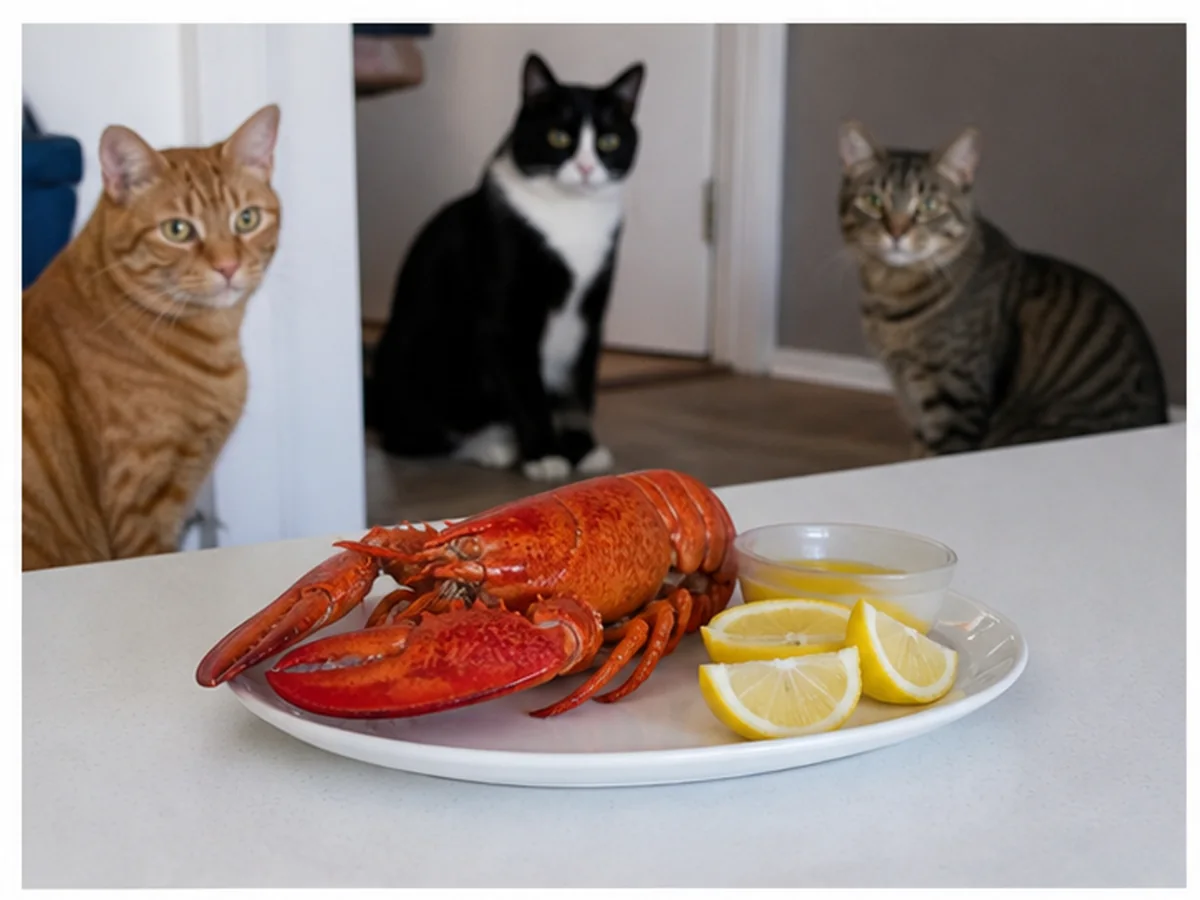
Estimate the largest amount each animal could have eaten instead of dividing the missing meat and shell evenly. One pet may specialize in wrappers while another is responsible for the empty butter cup.
Report each animal’s weight, symptoms, and likely items separately. A clinic may give different advice to a healthy adult, a kitten, and a cat with kidney disease after the same table raid.
Frequently asked questions
Can kittens eat cooked lobster?
Young kittens need a complete growth formula and have little margin for seafood hardware. Use kitten food as treats and keep shells, bands, picks, hot liquid, and raw seafood inaccessible.
Can cats eat lobster tail?
Only a pea-sized piece of fully cooked, plain, cooled tail muscle with every shell and membrane removed is reasonably simple. A whole medallion is too large.
What if my cat swallowed lobster shell?
Call with the shell size, time, cat weight, and symptoms. Do not induce vomiting or feed bulky material, because sharp edges can lodge or puncture.
Can cats eat lobster with butter?
Do not offer it. Butter adds fat and calories, while garlic, salt, lemon, wine, and seasoning can make the sauce more concerning.
Bottom line
Lobster meat can earn one tiny plain cameo after complete cooking, cooling, and obsessive shell inspection. Keep tomalley, raw liquid, garlic butter, salty boils, restaurant recipes, rubber bands, and sharp hardware out of the feline version of the feast.