Can Dogs Eat Deli Meat? Turkey, Ham, Roast Beef, Sodium, and Seasonings
A tiny piece of plain deli meat is unlikely to poison most healthy dogs, but I would not make lunch meat a regular treat. The sodium, fat, seasonings, preservatives, and sheer ease of feeding “just one more slice” make it a much worse habit than a few bites suggest.
Read the label before you turn the sandwich into a dog snack
- Plain turkey or chicken: usually lower risk in a tiny amount, but still often salty.
- Ham: typically higher in sodium and can be fatty.
- Roast beef: risk depends on fat, salt, garlic, onion, and seasoning.
- Bologna, salami, pepperoni, and cured meats: usually much saltier and fattier.
- Garlic- or onion-seasoned slices: more concerning because alliums can damage red blood cells.
- Spoiled or unrefrigerated meat: creates an entirely separate food-safety problem.
If your dog stole a whole package, save the label and estimate the number of ounces missing. “A bunch of turkey” is not nearly as useful as “about eight ounces of smoked turkey breast, including the plastic separator.”
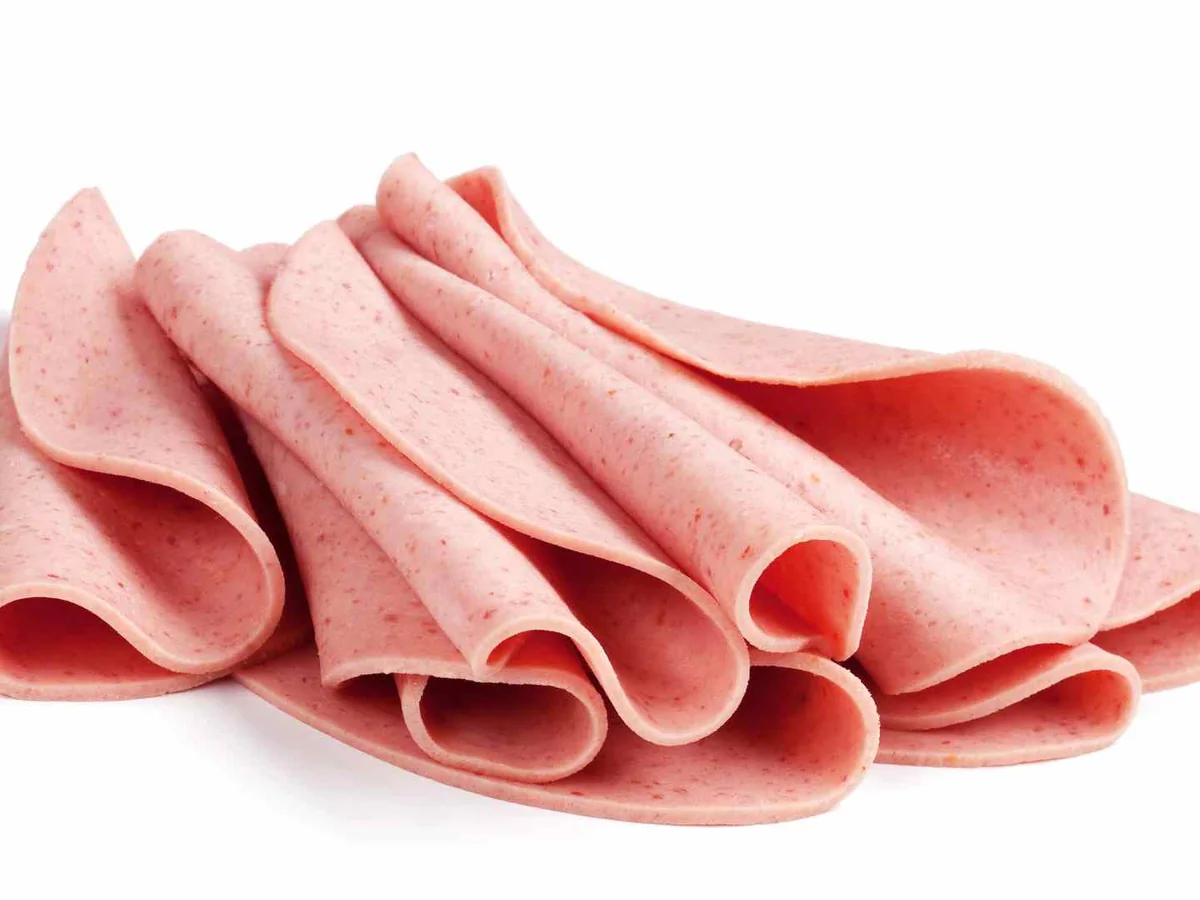
Plain deli turkey is usually the least dramatic option
Cooked turkey meat itself can be a safe protein for dogs when it is plain, fully cooked, boneless, and served in an appropriate portion. Deli turkey is different because it is commonly brined, injected, seasoned, smoked, or otherwise processed to taste much saltier than plain home-cooked turkey.
A small torn piece from a sandwich is unlikely to cause a sodium crisis in a healthy medium or large dog. Repeated slices every day are where a “harmless little treat” quietly becomes unnecessary sodium, calories, and a habit your dog will remember with courtroom-level precision.
Dogs with heart disease, kidney disease, high blood pressure, fluid-retention problems, or a veterinary sodium restriction deserve more caution. For them, even the routine salt load matters more than it does for a healthy dog.
Ham brings more salt and often more fat
Deli ham is usually cured and salty, and some varieties include sugary glazes, smoke flavor, spices, or substantial visible fat. A tiny bite may be low risk, but a stolen stack can cause thirst, vomiting, diarrhea, abdominal discomfort, or a larger sodium and fat load than the dog needs.
Our ham guide covers the differences between sliced ham, glazed holiday ham, bones, and leftovers. The important thing here is not to treat a processed slice as nutritionally equivalent to a plain piece of lean pork.
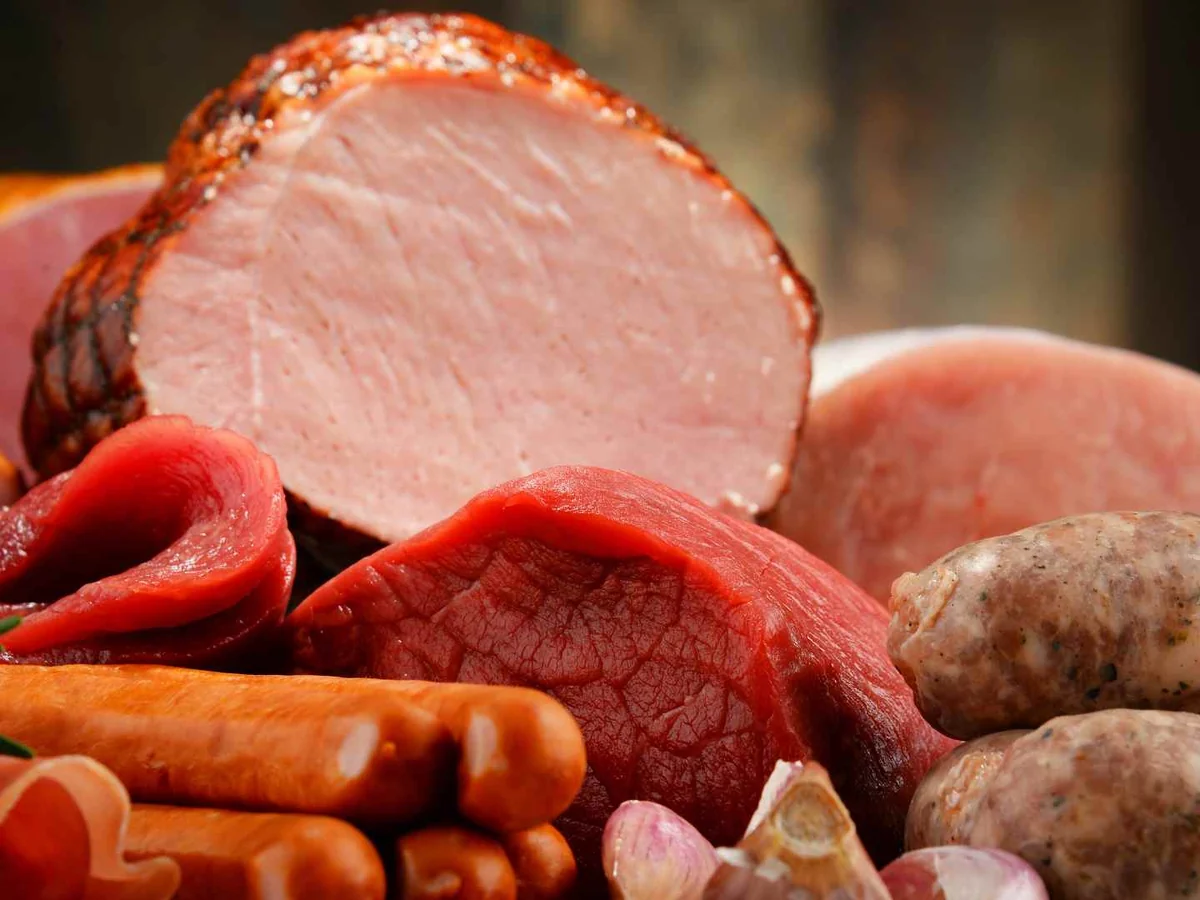
Roast beef depends on what happened before it reached the slicer
Plain cooked lean beef can fit into a dog’s diet as an occasional treat, but deli roast beef is often seasoned heavily. Garlic powder, onion powder, pepper blends, au jus seasoning, and salty crusts are common enough that I would check the package rather than assuming “beef” tells the whole story.
Fatty edges can also turn several slices into a rich-food exposure. Dogs with a history of pancreatitis or a prescribed low-fat diet should not be used as the household cleanup crew for roast-beef scraps.
Bologna is where “meat” becomes a recipe
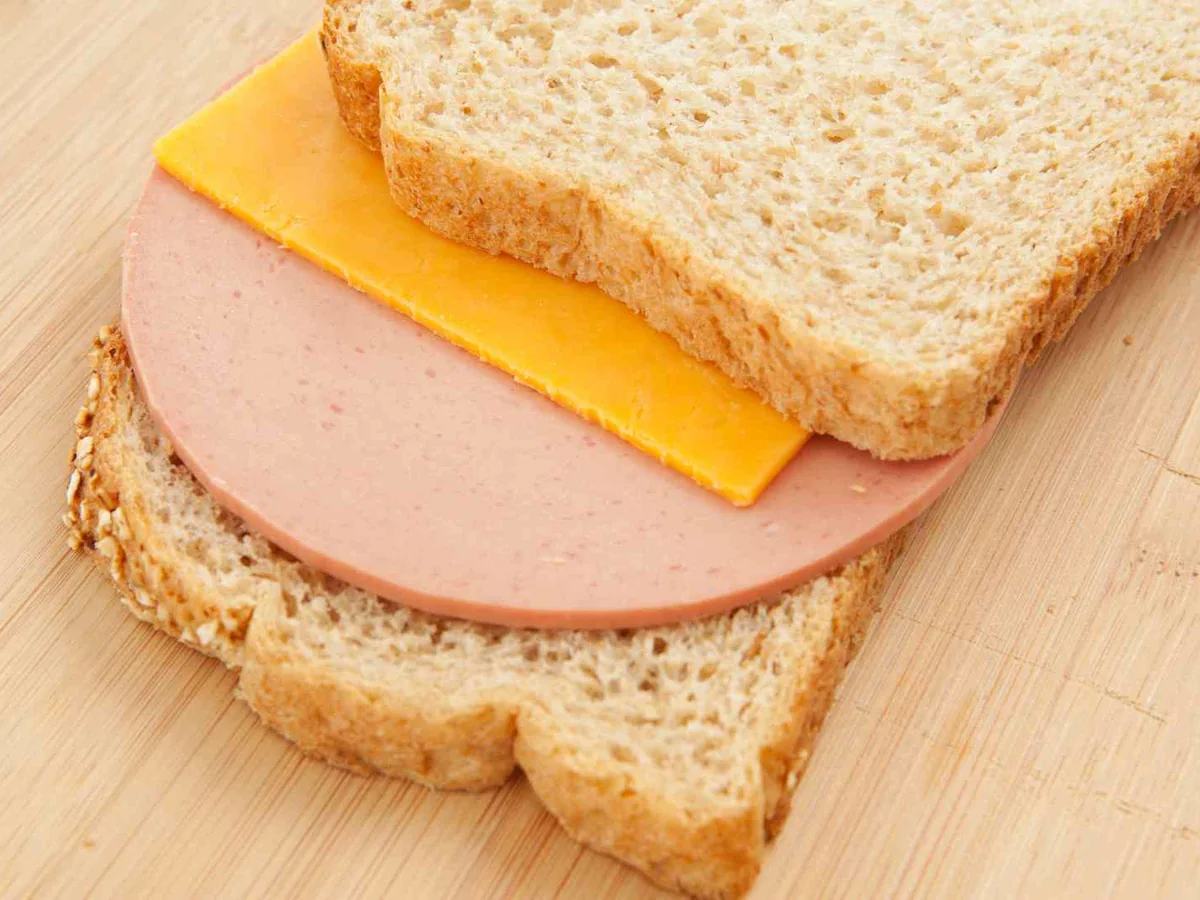
Bologna and similar lunch meats can combine pork, beef, poultry, fat, salt, spices, sweeteners, smoke flavor, and preservatives. The exact formulation matters more than the pink circle on the sandwich.
A tiny piece of ordinary bologna is unlikely to poison most healthy dogs, but it is generally high in sodium and fat and offers no advantage over a plain dog treat. Our bologna guide goes deeper on this specific processed meat.
Salami and pepperoni are even easier to overdo
Dry cured meats such as salami and pepperoni are concentrated in salt and fat because water has been removed during processing. They may also contain garlic, onion, pepper, paprika, wine, or other seasonings that make several slices a much richer and more complicated exposure.
Our salami guide and pepperoni guide cover those products separately. My short version is that a tiny dropped crumb is not the same thing as handing over the end of the charcuterie board.
Garlic and onion seasoning matter more than most owners realize
Onions, garlic, leeks, chives, and related alliums can damage red blood cells in dogs after a sufficient dose. Powdered forms are concentrated, and deli seasoning can contain garlic or onion even when no visible pieces are present.
A trace seasoning on one small slice is different from a dog eating an entire heavily seasoned package, but the label is still worth checking. Allium-related anemia can be delayed, so “he seems fine tonight” does not erase a meaningful dose.
How much sodium is too much is not a one-slice question
Dogs need sodium in a complete diet, so salt is not inherently poisonous. Problems develop when a dog receives a very large acute amount or when salty human foods repeatedly pile onto a diet for a dog that medically needs sodium restriction.
Severe salt toxicity can cause vomiting, weakness, abnormal thirst, neurologic changes, tremors, seizures, and dangerous fluid shifts. A couple bites of deli turkey are not usually in the same category as eating concentrated salt, but an entire package can warrant a call, especially in a small dog.
Do not deliberately restrict water after a salty-food binge unless a veterinarian specifically tells you to. Let a normal dog access fresh water normally while you seek case-specific advice.
Fat is the quieter reason I limit processed meat
Fatty deli meats can cause vomiting, diarrhea, abdominal discomfort, and in susceptible dogs may contribute to pancreatitis. Pancreatitis can show up as repeated vomiting, poor appetite, abdominal pain, lethargy, diarrhea, or an uncomfortable hunched posture.
A dog that has previously had pancreatitis deserves a much stricter definition of “just a little lunch meat.” I would rather use a veterinarian-approved low-fat treat than find out which slice was the slice that restarted the problem.
Preservatives are not a reason to panic over one bite
Cured meats may contain nitrite or nitrate preservatives, but the presence of an approved preservative does not make one deli slice an acute poison exposure. The more practical day-to-day concerns are usually sodium, fat, seasonings, calories, and how often the dog is being fed processed meat.
I would not build a dog’s diet around cured meat because “the preservative level is legal for people.” Dogs need a complete and balanced diet, not a miniature version of somebody’s sandwich routine.
Spoiled deli meat is a different problem entirely
Meat that has been left unrefrigerated too long, smells off, feels slimy, or is past a questionable storage window can carry harmful bacteria or toxins. Dogs are not magically protected from foodborne illness because they occasionally make terrible garbage decisions.
Repeated vomiting, bloody diarrhea, severe lethargy, fever, abdominal pain, weakness, or dehydration after spoiled meat deserves veterinary attention. Very young, old, pregnant, or medically fragile dogs deserve an even lower threshold for care.
Deli paper and plastic can become the actual emergency
Dogs may swallow plastic zipper bags, cling film, absorbent pads, paper separators, labels, or chunks of the meat package. One thin scrap may pass, but larger pieces can choke or obstruct the gastrointestinal tract.
Repeated vomiting, retching, abdominal pain, refusal to eat, bloating, marked lethargy, or inability to keep water down after swallowed packaging deserves veterinary evaluation. Report missing plastic during the first call rather than waiting for it to become tomorrow’s plot twist.
What I would actually use instead
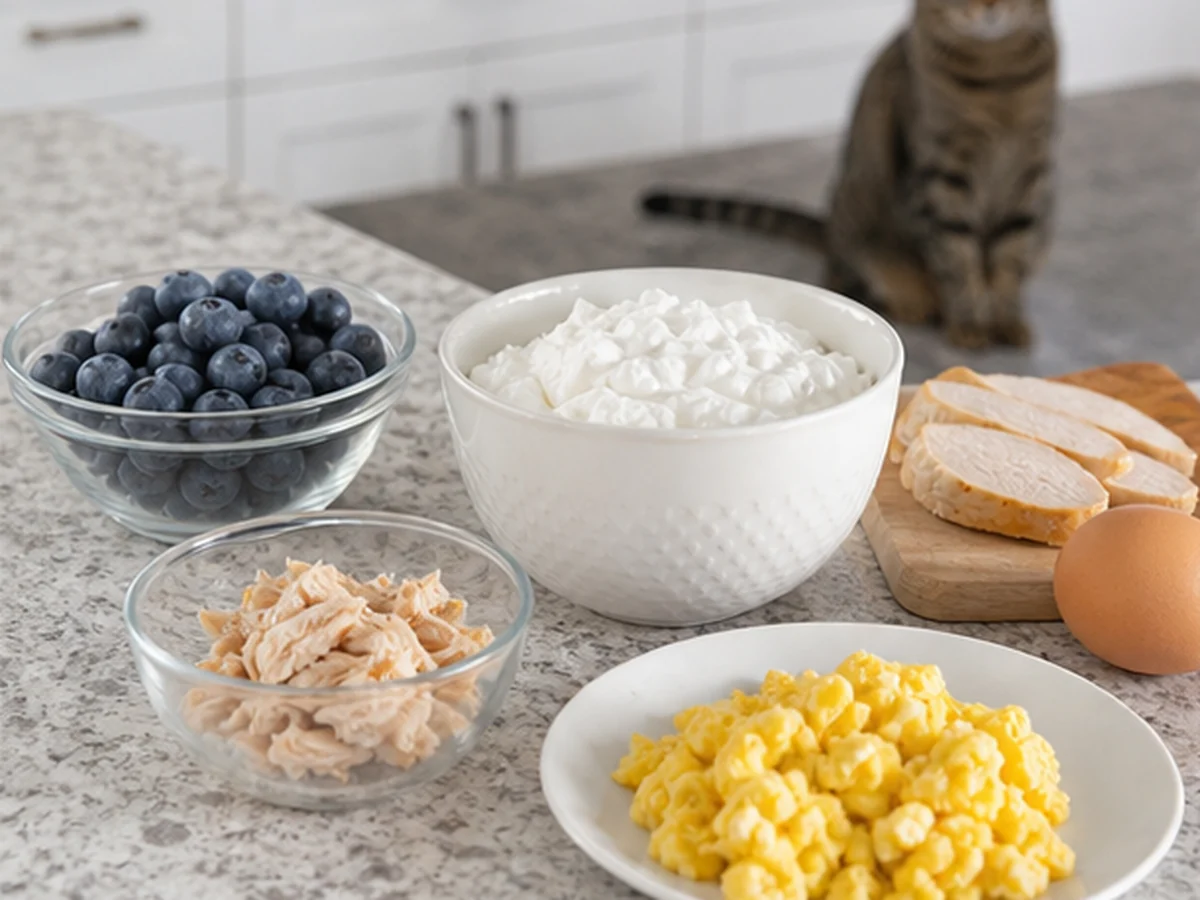
If I want to share meat with a dog, I would choose a small piece of plain, fully cooked, boneless, skinless chicken, turkey, or lean beef without salt-heavy seasoning. That gives the dog the exciting part, the meat, without turning the treat into a sodium delivery system.
Keep all treats together under roughly 10 percent of daily calories unless your veterinarian gives another plan. The rest of the diet needs to stay complete and balanced, which deli turkey is not going to accomplish no matter how earnestly your dog watches you make lunch.
Frequently asked questions
Can dogs eat deli turkey?
A tiny piece of plain deli turkey may be low risk for many healthy dogs, but it is often high in sodium and may contain garlic, onion, smoke flavor, or other seasoning. Plain home-cooked turkey is a better intentional treat.
Can dogs eat deli ham?
A small piece may not cause a problem in many healthy dogs, but ham is typically salty and can be fatty. Large amounts and frequent feeding are a poor choice, especially for dogs with heart, kidney, or pancreatic disease.
Can dogs eat roast beef lunch meat?
Check the sodium, fat, garlic, onion, and spice ingredients first. A tiny piece of relatively plain roast beef may be low risk, while heavily seasoned or fatty deli beef is less appropriate.
My dog ate a whole package of lunch meat. What should I do?
Save the package and call with the total ounces, ingredients, dog weight, and whether plastic or absorbent packaging was swallowed. The sodium, fat, seasonings, and foreign-body risk can all matter after a full-package raid.
Bottom line
A tiny bite of plain deli meat is usually not a poisoning emergency for a healthy dog, but processed lunch meat is too salty, fatty, and seasoned to make a good routine treat. Check labels for alliums, consider medical conditions and quantity, and never forget the packaging when the entire pack disappears.