Dog Ate Baking Chocolate? Why Baker’s Chocolate Is Especially Dangerous
Unsweetened baking chocolate is one of the most dangerous common chocolate forms for dogs. If your dog ate it, I would call a veterinarian or animal poison service promptly and keep the box in my hand, because a few ounces can matter far more than the same weight of milk chocolate.
Treat baker’s chocolate as a concentrated exposure
- Find the exact package and confirm whether it was unsweetened, bittersweet, semisweet, or another baking chocolate.
- Record the total package weight and count missing squares or ounces.
- Get your dog’s current weight.
- Write down when the chocolate was eaten.
- Check whether raw batter, raisins, xylitol, nuts, coffee, alcohol, or wrappers were swallowed too.
- Call promptly rather than waiting for symptoms.
I would not trust the phrase “one square” until I know what that square weighs. Baking bars are scored differently between brands, and a thick one-ounce block is not the same thing as a tiny candy square.
Why unsweetened baking chocolate is so concentrated
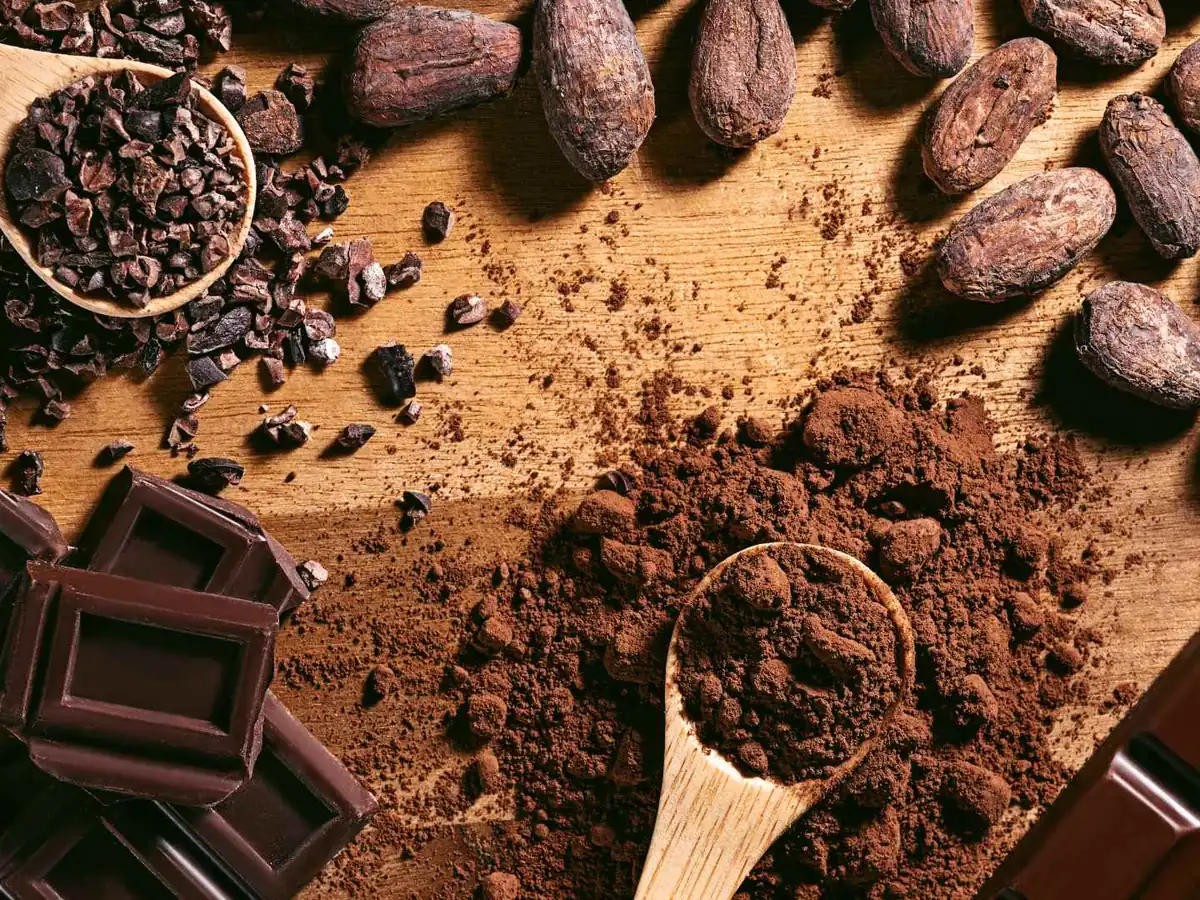
Chocolate toxicity comes primarily from the methylxanthines theobromine and caffeine. Unsweetened baking chocolate contains a high proportion of cocoa solids and relatively little sugar, so it delivers much more methylxanthine per ounce than ordinary milk chocolate.
Veterinary toxicology references place unsweetened baker’s chocolate near the concentrated end of common chocolate products, below cocoa powder but well above milk chocolate. That is why a small dog can get into trouble with an amount that looks unimpressive on a cutting board.
Our general chocolate guide compares the major forms. The short version is that the darker and more cocoa-rich the product, the less room there is for casual guesswork.
Unsweetened, bittersweet, and semisweet are not interchangeable
Unsweetened baking chocolate is typically the most concentrated of these common baking bars, while bittersweet and semisweet products contain more sugar and may have somewhat lower methylxanthine concentrations. Recipe and brand still matter, so identify the exact product rather than grouping every baking bar together.
A package labeled 100-percent cacao deserves especially careful attention. A semisweet baking bar may resemble a candy bar, but it can still contain substantially more cocoa solids than milk chocolate.
The dog’s weight can change the urgency fast
Toxicity is dose-dependent, so the same two-ounce exposure means something very different for a 6-pound dog and a 70-pound dog. Veterinary calculations use milligrams of methylxanthine per kilogram of body weight rather than a universal number of squares.
Use a recent actual weight when possible and tell the professional if it is estimated. If I only knew my dog was somewhere between 12 and 15 pounds, I would give the lower number for a conservative first calculation instead of quietly choosing 15 because I like the answer better.

Symptoms can start with vomiting and restlessness
Early signs may include vomiting, diarrhea, increased thirst, increased urination, restlessness, and panting. With larger exposures, dogs can develop a rapid heart rate, abnormal heart rhythm, marked agitation, tremors, overheating, seizures, weakness, collapse, or coma.
Signs often develop over several hours, which makes the first quiet hour a terrible screening test. A dog sleeping normally after stealing baking chocolate has not proven that the methylxanthine dose was harmless.
Tremors, seizures, collapse, severe agitation, marked weakness, breathing changes, or a known large concentrated exposure should be treated as an emergency. Keep the dog quiet and cool while arranging transport.
Baking chocolate often disappears with raw batter
If the chocolate was already melted into brownie, cake, or cookie batter, reconstruct the entire recipe. Cocoa powder, chocolate chips, coffee, xylitol, raisins, macadamias, raw eggs, raw flour, and alcohol can all change the risk.
The amount of finished batter missing can help estimate the fraction of the chocolate batch the dog consumed. Photograph the recipe instead of trying to perform frantic fractions while someone is asking you the dog’s weight.
Sugar-free baking chocolate needs a xylitol check
Some specialty low-sugar baking products use sugar alcohols or alternative sweeteners. If xylitol is present, the dog can face dangerous hypoglycemia and possible liver injury in addition to any chocolate exposure.
Call immediately when xylitol appears in the ingredients and use our xylitol guide to collect the product, amount, dog weight, and timing for the call.

Coffee and espresso can stack stimulant exposure
Some chocolate cake, mocha brownie, and espresso dessert recipes add brewed coffee, instant espresso, coffee extract, or chocolate-covered coffee beans. That creates caffeine exposure from the coffee in addition to methylxanthines from the baking chocolate.
Report every caffeine source and the amount when known. Our coffee guide explains why grounds, beans, powders, and concentrates can be far more potent than a lick of weak coffee.
Raisins and macadamias can make the dessert a multi-toxin exposure
Raisins and grape-derived currants can cause acute kidney injury in dogs, while macadamia nuts can cause weakness, vomiting, tremors, and increased body temperature. A dark fruit-and-nut baking bar can therefore involve several separate problems.
Do not let the chocolate concentration distract you from the ingredient list. Tell the veterinary team about every high-risk component so treatment and monitoring can cover the full exposure.
Fat can add pancreatitis risk after a large binge
Baking chocolate contains cocoa butter, and desserts made from it often add butter, oil, cream, nuts, or frosting. A large rich-food binge can trigger vomiting, diarrhea, abdominal pain, or pancreatitis in susceptible dogs.
Dogs with previous pancreatitis or prescribed low-fat diets deserve individualized advice. A successful methylxanthine calculation does not turn a pan of fudge into a balanced dinner.
Foil, paper, and plastic are worth tracking
Baking bars are often wrapped in paper, foil, plastic, or cardboard sleeves that dogs swallow along with the chocolate. Small scraps may pass, but several wrappers or large plastic pieces can create choking or gastrointestinal obstruction.
Persistent vomiting, retching, abdominal pain, refusal to eat, lethargy, bloating, or inability to keep water down after swallowed packaging deserves veterinary evaluation. Mention the missing wrapper during the first call.
Do not induce vomiting unless a professional directs it
A veterinary professional may consider controlled vomiting after a recent ingestion in an appropriate dog, but it is not safe for every patient. Tremors, seizures, weakness, poor coordination, breathing problems, swallowed objects, or certain medical conditions can increase the risk of aspiration or injury.
Do not use salt, mustard, oil, fingers, or another improvised method. If a veterinarian specifically recommends hydrogen peroxide for your dog, follow the exact dose and method provided.
Baking-day prevention deserves a system
Keep unsweetened chocolate, cocoa powder, chips, xylitol, raisins, and nuts in closed cabinets until they are needed, and move cooling desserts behind a closed door. Counter height is not a security system if your dog can climb, jump, or recruit a chair.
I also keep wrappers and ingredient boxes until the baking is completely finished. They are surprisingly useful if a dog stages a dessert heist before the dishes are washed.
Frequently asked questions
Is baker’s chocolate worse than dark chocolate for dogs?
Unsweetened baking chocolate is generally more concentrated in methylxanthines than typical dark eating chocolate. That means fewer ounces can become clinically important.
My dog ate one square of baking chocolate. Is that dangerous?
It can be, especially for a small dog, because baking squares vary in weight and unsweetened chocolate is highly concentrated. Use the package weight and dog’s weight and call promptly.
Can I wait for vomiting before calling?
No. Early treatment options can be more useful before symptoms develop, and a dog may look normal for several hours after a meaningful exposure.
What if the chocolate was already baked into a cake?
Use the recipe to estimate how much baking chocolate was in the fraction of cake eaten. Also check for cocoa, coffee, xylitol, raisins, macadamias, alcohol, and rich frosting.
Bottom line
Unsweetened baking chocolate is a concentrated methylxanthine source and deserves prompt attention after a dog eats a meaningful amount. Save the package, calculate ounces and dog weight, include batter ingredients and wrappers, and call before the dog has to demonstrate that the dose was dangerous.