Can Cats Eat Rabbit? Cooked Meat, Raw Rabbit, Bones, and Nutrition
Cats can eat plain fully cooked boneless rabbit in small amounts. Rabbit can be a useful animal protein, but I would still skip raw game, cooked bones, garlic-heavy stew, and the assumption that one prey species automatically creates a complete feline diet.
The quick rabbit verdict for cats
Plain fully cooked boneless rabbit can be an occasional treat for many healthy cats. It provides animal protein plus B vitamins, phosphorus, selenium, and other nutrients.
I would cook rabbit thoroughly, remove every bone, skip salt and seasoning, let it cool, and offer a very small piece. Complete cat food should remain the nutritional foundation unless a homemade diet is properly formulated.
Rabbit can also appear in complete cat foods and limited-ingredient diets. That does not make plain rabbit muscle meat nutritionally complete on its own.
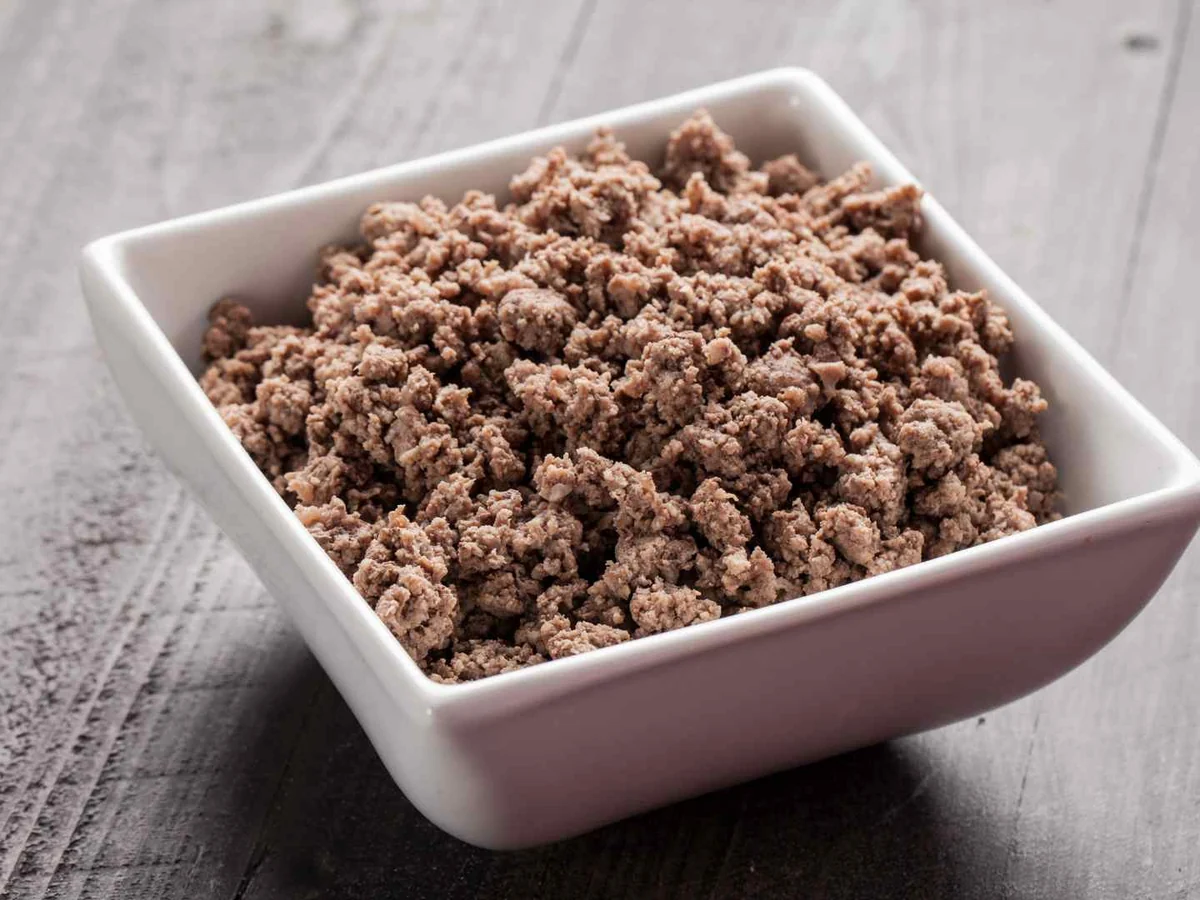
Plain cooked rabbit is the easiest version to share
Rabbit meat is generally lean and highly palatable to many cats. One or two tiny pieces can be enough for an occasional treat without turning the meal into a large protein extra.
Cats are small, so a human-sized portion can quickly become a major calorie contribution. I would keep the serving tiny and count it as an extra rather than part of the balanced meal.
If the cat is already eating a complete rabbit-based food, I do not assume extra rabbit meat adds a nutritional benefit. Sometimes more of the same ingredient simply means more calories.
Raw rabbit can carry bacteria and parasites
Raw rabbit can carry harmful bacteria and parasites and can contaminate bowls, counters, hands, utensils, saliva, and stool. Cooking thoroughly is the simplest risk-reduction step.
A tiny accidental raw bite does not guarantee illness, but repeated vomiting, bloody diarrhea, fever, marked lethargy, dehydration, or other significant illness deserves veterinary attention.
Kittens, seniors, pregnant cats, immunocompromised cats, and cats with chronic illness deserve extra caution around raw game and raw meat.
Wild rabbit is a different exposure from grocery-store rabbit
A wild rabbit carcass can expose a cat to parasites, bacteria, bones, fur, intestinal contents, and spoiled tissue depending on where it was found and how long it was dead.
A cat that hunts or scavenges a wild rabbit should not be treated like a cat that stole one cooked piece from dinner. The source and carcass condition matter.
If the cat eats part of a wild rabbit and becomes ill, tell the veterinary team exactly what happened and where the carcass came from.
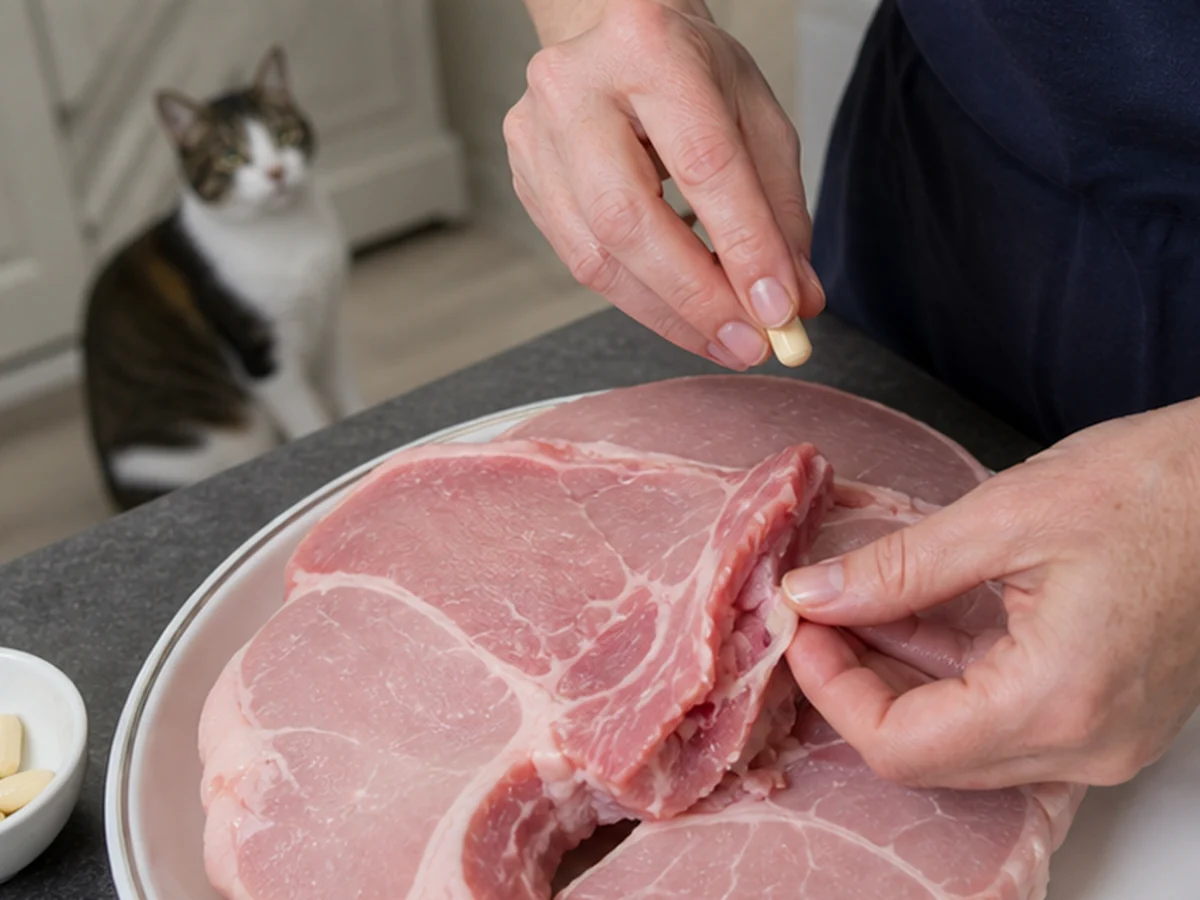
Cooked rabbit bones can splinter
Cooked bones can become brittle and break into sharp pieces. Rabbit bones are small enough to be swallowed quickly and can cause choking, mouth injury, esophageal injury, gastrointestinal damage, or obstruction.
If cooked bones were swallowed, call your veterinarian for case-specific advice. I would not induce vomiting because sharp fragments can cause additional injury on the way back up.
Gagging, drooling, repeated swallowing, regurgitation, vomiting, abdominal pain, blood in stool, black stool, breathing trouble, or marked lethargy deserves prompt evaluation.
Raw bones are not automatically safe either
Raw rabbit bones may be more flexible than cooked bones, but they can still choke, lodge, fracture teeth, or obstruct the gastrointestinal tract. Raw-bone feeding also keeps the pathogen exposure in the picture.
I would not recommend rabbit bones simply because they are raw. Boneless cooked meat is much easier to portion and predict.
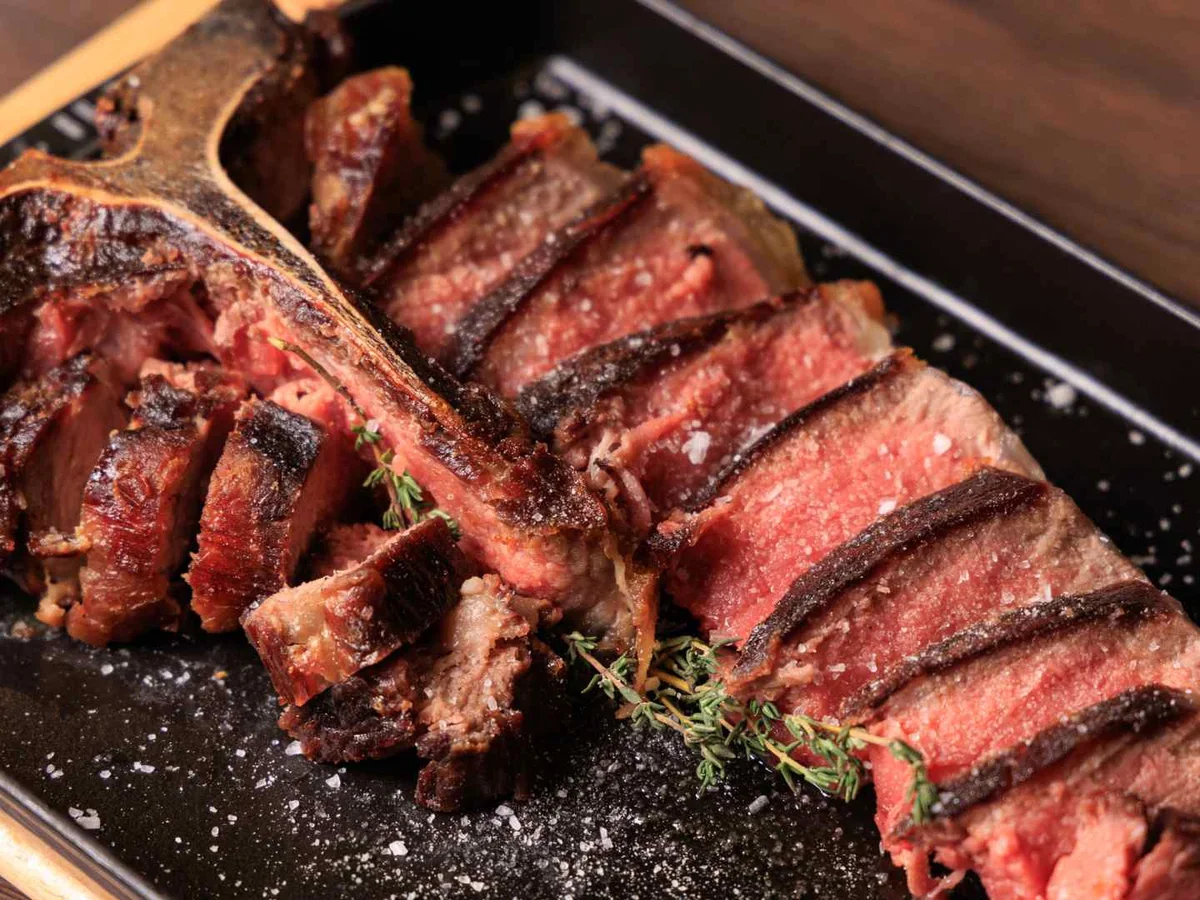
Rabbit stew is a human recipe, not a cat meal
Human rabbit dishes can include onion, garlic, shallots, wine, butter, bacon, salt, cream, and rich gravy. Cats are particularly sensitive to alliums, and enough onion or garlic can damage red blood cells.
I set aside the cat’s piece before seasoning instead of trying to rinse a finished stew. Plain meat is far easier to share safely.
Butter, cream, bacon, and gravy also add fat and sodium. Cats with pancreatitis or gastrointestinal disease have another reason to avoid rich rabbit dishes.
Wine and alcohol-based sauces add another problem
Some rabbit recipes use wine, brandy, or other alcohol. Cooking can reduce alcohol content, but preparation varies and alcohol added late in the recipe may remain more concentrated.
If a cat eats a substantial amount of alcohol-containing stew, save the recipe and report the type and amount of alcohol used.
Rabbit alone is not a complete feline diet
Cats are obligate carnivores, but that does not mean plain muscle meat provides everything they need. Taurine, essential fatty acids, calcium, vitamins, minerals, and other amino acids must be present in the right balance.
Feeding muscle meat alone does not recreate the nutrient profile of whole prey or a complete commercial food. The cat’s evolutionary résumé does not replace nutrient calculations.
If rabbit becomes a regular homemade-diet ingredient, use a properly formulated recipe rather than building the diet from meat alone.
Rabbit can be useful in elimination diets
Rabbit is sometimes used as a novel protein in veterinary elimination diets for cats with suspected food allergy or food-responsive disease. In that setting, diet purity matters.
Random chicken-flavored treats, table scraps, flavored medications, or another protein can undermine the test. Follow the veterinarian’s diet plan exactly when rabbit is being used diagnostically.
A novel protein is not inherently hypoallergenic forever. Individual cats can become sensitized to many proteins, including rabbit.
Commercial rabbit cat food is different from feeding plain rabbit
A complete commercial rabbit-based food is formulated to supply the full nutrient profile a cat needs. Plain cooked rabbit meat is only one ingredient.
I would not assume a bowl of rabbit is nutritionally equivalent to complete rabbit-based canned food just because both use the same protein source.
Rabbit jerky and dried treats need a label check
Single-ingredient cooked or appropriately processed rabbit treats can be useful, but some products contain salt, smoke flavor, sugar, preservatives, garlic, onion, or other seasoning.
If the product is labeled raw, freeze-dried raw, or dehydrated raw, I would still treat pathogen control as a question rather than assuming drying equals cooking.
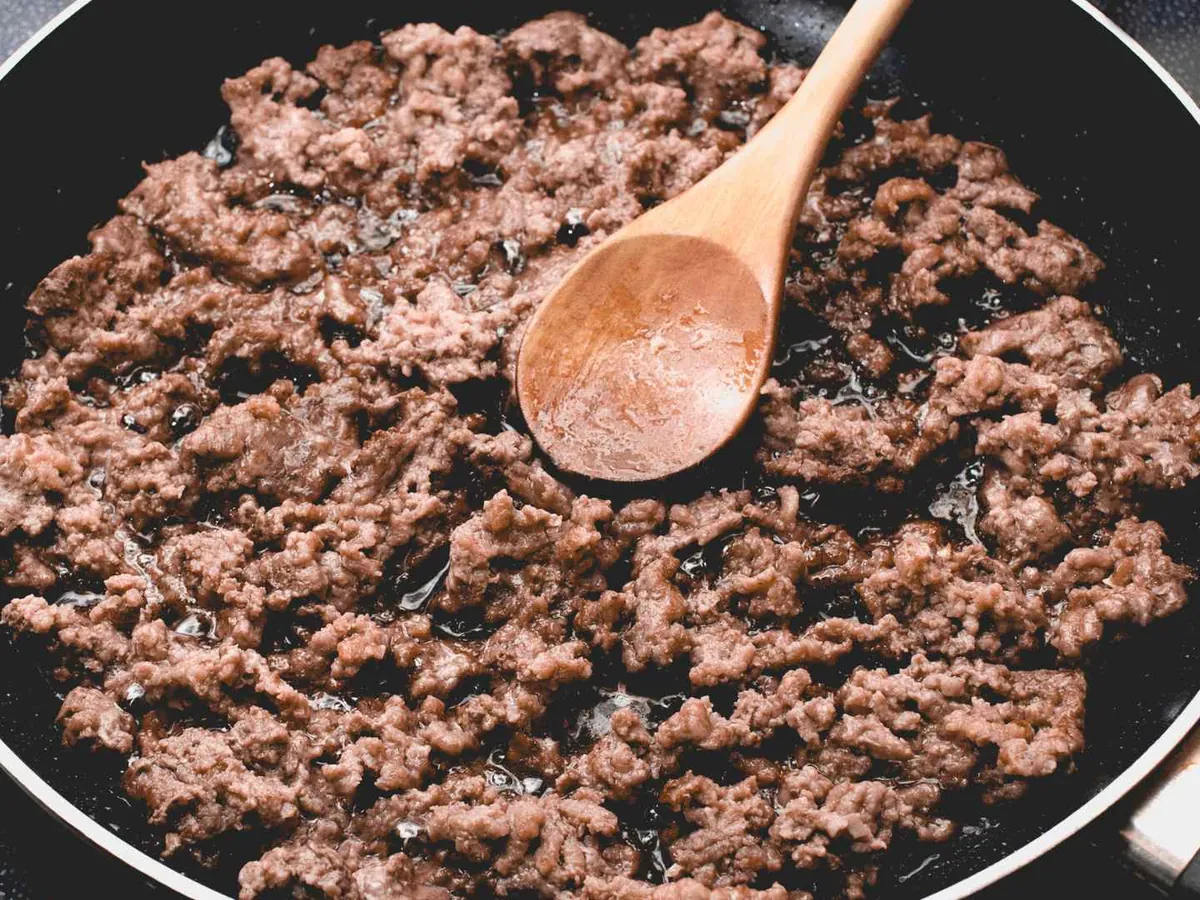
Keep portions tiny
A few small bites are plenty for an occasional treat. Complete cat food should do the nutritional heavy lifting.
I would not let the cat’s very convincing predator energy turn a topper into a whole extra meal.
Kittens can have rabbit only as a small extra
Kittens need complete growth food with carefully balanced protein, taurine, calcium, phosphorus, vitamins, and minerals. Plain rabbit meat should not displace that diet.
A tiny cooked boneless piece can be an occasional treat for a healthy kitten, but homemade rabbit-heavy diets are especially inappropriate without proper formulation during growth.
What to do if your cat ate raw rabbit
- Remove the remaining raw meat or carcass.
- Estimate the amount eaten and the time.
- Identify whether the rabbit was farm-raised, grocery-store, or wild.
- Note whether bones, fur, intestinal contents, or spoiled tissue were also eaten.
- Clean contaminated bowls and surfaces.
- Call if the cat develops vomiting, diarrhea, fever, marked lethargy, dehydration, or appetite loss.
What to do if your cat swallowed rabbit bones
Save a similar bone or photo if available, estimate how many were swallowed, and call for case-specific advice. Bone size, cooking method, cat size, and symptoms all affect the plan.
Do not give bread or try to induce vomiting at home. Follow the veterinary team’s instructions based on the actual foreign-body risk.
How I would serve rabbit on purpose
I would use plain fully cooked boneless meat, cut into tiny pieces, with no salt, onion, garlic, sauce, butter, or gravy. The portion stays small.
If rabbit is being used therapeutically as a novel protein, I would follow the veterinarian’s diet plan rather than adding unrelated table foods.
Frequently asked questions
Can cats eat cooked rabbit?
Yes, a small amount of plain fully cooked boneless rabbit can be an occasional treat for many cats.
Can cats eat raw rabbit?
I would choose cooked rabbit because raw meat and wild game can carry bacteria and parasites.
Can cats eat rabbit bones?
I would avoid cooked rabbit bones because they can splinter and cause choking, injury, or obstruction. Raw bones still carry mechanical and pathogen risks.
Can kittens eat rabbit?
A tiny piece of plain cooked rabbit can fit as an occasional treat, but it should not displace complete kitten food during growth.
Bottom line
Plain fully cooked boneless rabbit can be an occasional cat treat. I would skip raw rabbit, avoid cooked bones, keep allium-heavy and alcohol-containing recipes away, and use a properly balanced formulation if rabbit becomes a regular diet ingredient.