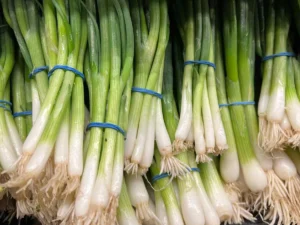
Can Dogs Eat Chives? Fresh, Dried, Cooked, and Powdered Forms
I would not feed chives to dogs because chives are alliums and can damage red blood cells. A few decorative green snips can look harmless, but fresh, cooked, dried, powdered, garden-grown, or mixed into dips and sauces all belong in the same toxicity conversation.
The quick chive verdict for dogs
Chives belong to the Allium genus with onions, garlic, leeks, and shallots. After a sufficient exposure, allium compounds can cause oxidative damage to canine red blood cells and lead to hemolytic anemia.
I do not use one universal safe amount because dog size, form, amount eaten, repeated exposure, and other alliums in the same food all matter. A few garnish snips and an entire bunch are not comparable doses.
If a dog eats a meaningful, repeated, or uncertain amount, save the recipe or package and call for dose-specific veterinary advice. A normal-looking dog in the first hour has not necessarily cleared the risk.
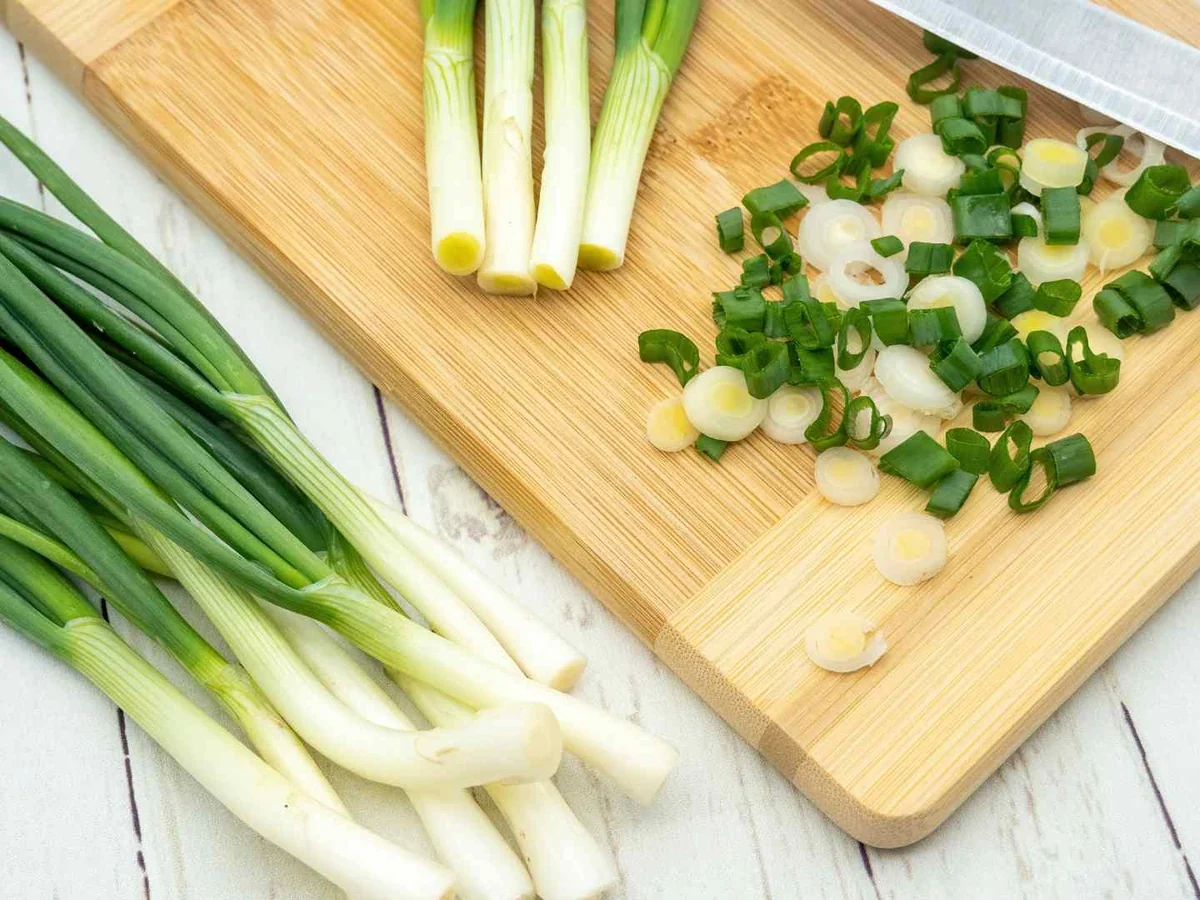
Chives are not just a harmless garnish
Because chives are thin and usually served in tiny pieces, they can seem less important than onions. Their small size does not change the fact that they are alliums.
A dog does not need a visible onion bulb for an allium exposure to occur. Finely chopped chives scattered through potatoes, eggs, soup, or dip still count.
I treat chives as an ingredient to exclude from intentional dog food rather than something to portion carefully as a treat.
Fresh chives are unsafe
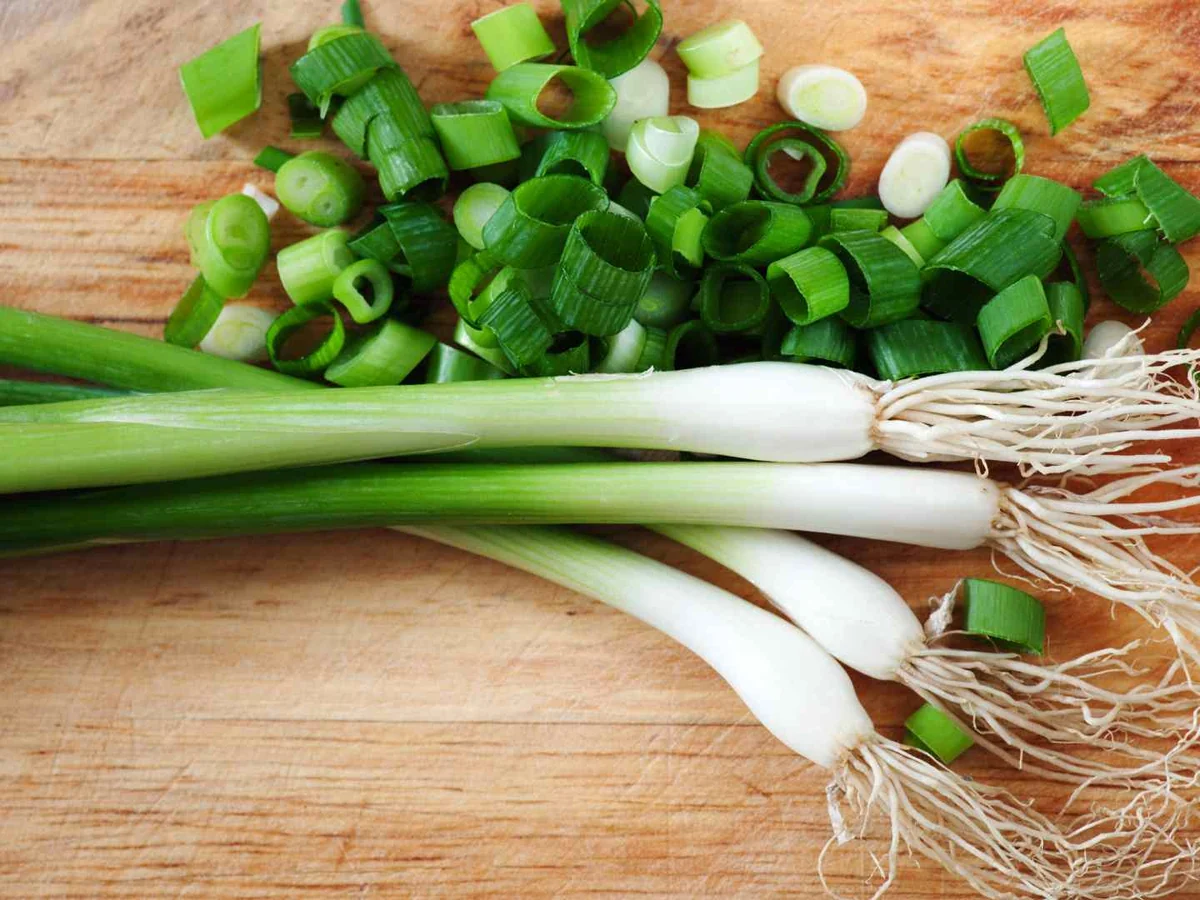
Fresh chives can be clipped directly onto baked potatoes, eggs, salads, soups, dips, fish, meat, and casseroles. A dog may also graze them from a garden or herb pot.
If a dog chews fresh chives, estimate the maximum amount missing rather than only what you saw being swallowed. Garden access can make the dose difficult to judge.
A single tiny snip is different from a dog eating most of a potted plant, but I would not intentionally feed either.
Cooking does not make chives safe
Baking, simmering, sautéing, roasting, or mixing chives into hot food does not reliably eliminate the allium compounds responsible for red-blood-cell damage.
Cooked chives in eggs, potatoes, soup, bread, casseroles, sauces, or meat still count as an exposure. I would check the recipe even when the green pieces are no longer obvious.
This is especially important with restaurant food, where chives may be folded into sauces or butter rather than sitting visibly on top.
Dried chives can be concentrated
Drying removes water, so dried chives contain more plant material in a smaller volume than the fresh herb. Dehydrated toppings and seasoning blends can therefore look deceptively minor.
If a dog eats dried chives or a seasoning packet, save the package and note the amount missing. Onion powder, garlic powder, leek powder, or shallot powder may appear in the same mix.
“A sprinkle” is not a useful dose description when the product is concentrated. The ingredient list and package weight are much more helpful.
Chive powder and seasoning blends deserve the same caution
Powdered herbs can distribute evenly through food, making the exposure difficult to see. A dog can eat chive-containing seasoning without encountering one recognizable piece of plant.
Ranch powders, soup mixes, savory seasoning, flavored crackers, chips, dips, and prepared foods may combine several alliums at once. I would report every one of them when calling.
Sour-cream-and-chive dip is a multi-ingredient exposure
Chive dip can combine chives with sour cream, cream cheese, mayonnaise, salt, onion powder, and garlic powder. That creates an allium exposure plus a rich fat and dairy load.
A tiny lick is different from eating an entire tub, but the container belongs in the assessment. I would save the label rather than guessing whether the dip was mostly dairy.
Dogs with pancreatitis or fat-sensitive gastrointestinal disease have another reason to stay away from rich dips.
Baked potatoes can hide chives, butter, bacon, and cheese
Loaded potatoes often include chives alongside butter, sour cream, cheese, bacon, salt, or ranch seasoning. The potato itself may be the least important part of the exposure.
If the dog steals a loaded potato, save the recipe and account for every topping. Chives and other alliums drive one risk, while fat and sodium drive others.
Chive cream cheese is not a dog-safe spread
Flavored cream cheese and cheese spreads can contain chives, onion, garlic, salt, and a substantial amount of fat. Even if the dairy itself is tolerated, the allium ingredients make the product inappropriate.
I would not scrape the visible green pieces off and assume the remaining spread is plain. Flavoring is distributed throughout the product.
Soup and broth can contain hidden chives
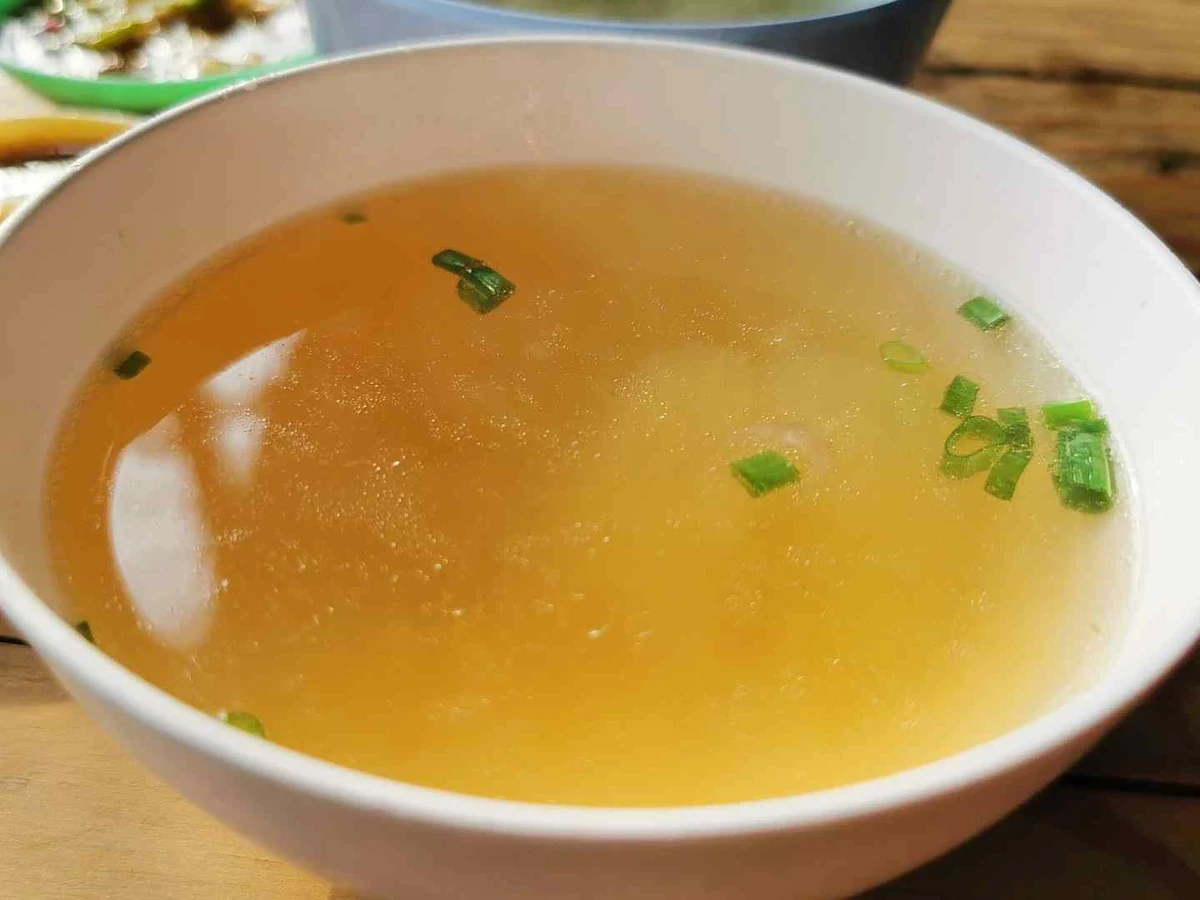
Chives can appear in soup, broth, ramen, potato soup, chowder, and savory sauces. Onion and garlic frequently appear in the same recipes.
If a dog drinks broth or licks soup, check the complete ingredient list. A smooth liquid can still contain several alliums.
Repeated small exposures can add up
Allium-related red-blood-cell injury can follow repeated smaller exposures over several days. A dog receiving chive-seasoned leftovers repeatedly may accumulate exposure.
Tell the veterinary team about the previous several days if the same meal was offered more than once. The cumulative dose history can matter.
I would never use chive-containing human food as a recurring topper simply because the dog seemed fine after the first serving.
Early symptoms can be gastrointestinal
Vomiting, diarrhea, drooling, abdominal discomfort, or reduced appetite may occur before anemia-related signs. A dog may also show no obvious early stomach symptoms.
Immediate normal behavior is therefore not a reliable safety test. The exposure amount and history are more useful.
Anemia-related signs can be delayed
Weakness, unusual tiredness, pale gums, rapid breathing, increased heart rate, dark or reddish urine, reduced exercise tolerance, or collapse can develop as red-blood-cell damage becomes clinically important.
If the known exposure could be meaningful, I would call before waiting for these signs. Delayed anemia is why a normal first evening does not guarantee a normal outcome.
Garden chives deserve the same rule
A potted chive plant or garden patch is still an allium. Dogs that graze plants or dig indiscriminately can consume fresh chives repeatedly.
I would move pots out of reach or fence the bed rather than depend on a dog to recognize which herbs are off-limits. Culinary botany is not a reasonable household job for a Labrador.
What to do if your dog ate chives
- Remove the food, plant, seasoning, or dip.
- Save the package, recipe, or plant sample.
- Estimate the maximum amount eaten and the time.
- Record the dog’s current weight.
- Identify onion, garlic, leek, shallot, and every other allium in the same food.
- Tell the veterinary team about repeated exposure during the previous several days.
- Call after a meaningful, repeated, or uncertain exposure.
- Seek urgent care for weakness, pale gums, breathing changes, dark urine, repeated vomiting, or collapse.
Do not automatically induce vomiting
Whether vomiting is appropriate depends on timing, amount, symptoms, dog, and what else was swallowed. Do not use salt, mustard, oil, fingers, or another improvised method.
If a veterinary professional specifically directs a method for the dog and exposure, follow those instructions exactly.
What veterinary care may involve
Depending on dose and timing, veterinary care may involve decontamination, examination, a complete blood count, blood chemistry testing, urine assessment, red-blood-cell monitoring, supportive care, or follow-up testing.
A recent exposure in a normal dog is managed differently from a dog presenting later with weakness or anemia-related signs.
How I prevent chive exposure
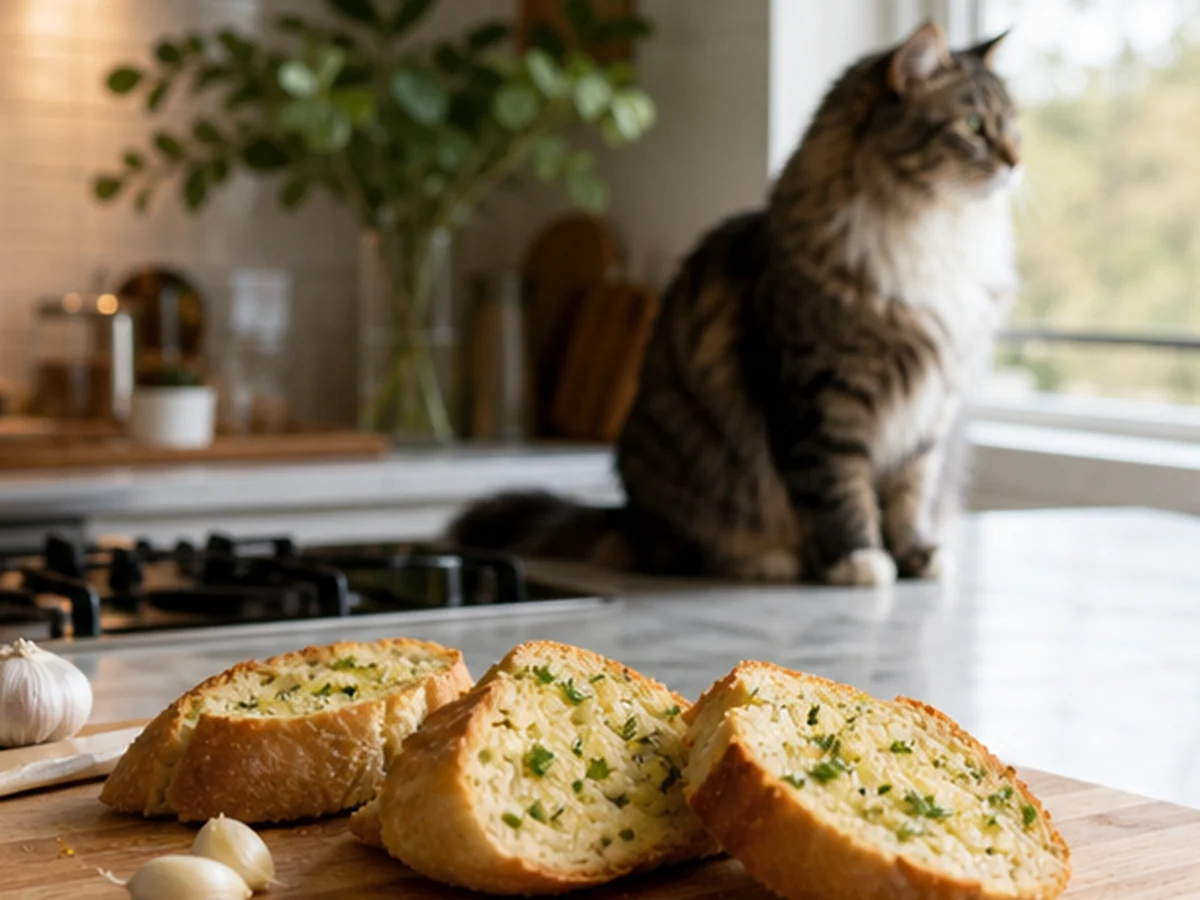
I check dips, cream cheese, ranch seasoning, loaded potatoes, eggs, soup, broth, sauces, and herb garnishes before sharing human food. If chives appear, the dog does not get that food.
Plain fully cooked meat or a dog-specific treat is much easier than trying to separate tiny allium pieces from a finished dish.
Frequently asked questions
Can dogs eat cooked chives?
No. Cooking does not reliably remove the allium compounds responsible for red-blood-cell damage.
Can dogs eat dried chives?
I would avoid them. Dried chives are concentrated by weight and often appear with other alliums in seasoning blends.
Can dogs eat sour cream and chive dip?
I would not intentionally share it because it contains chives and may also contain onion, garlic, salt, and a lot of fat.
My dog ate one chive. What should I do?
A single tiny piece is different from a large or repeated exposure, but save the plant or recipe and call when the amount is more than trivial or uncertain.
Bottom line
Chives are alliums and should not be fed to dogs. Fresh, cooked, dried, powdered, garden-grown, and hidden forms can contribute to red-blood-cell damage, so save the recipe, account for every other allium and repeated serving, and get professional advice after a meaningful or uncertain exposure.