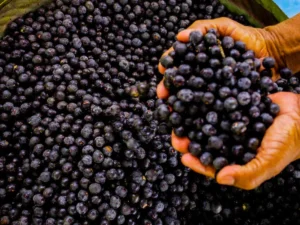
Can Cats Eat Elderberries? Raw Fruit, Plant Parts, Syrups, and Products
I would not feed raw or unripe elderberries, stems, leaves, or other elderberry plant parts to cats. Properly cooked ripe berries are less concerning, but cats do not need fruit and human syrups, gummies, tinctures, and supplements introduce extra ingredients that can matter much more.
The quick elderberry verdict for cats
Elderberry is not a simple yes-or-no food because preparation and plant part matter. Raw or unripe berries and nonfruit plant material can contain cyanogenic glycosides, while properly cooked ripe fruit is a different exposure.
I still would not use cooked elderberry as a routine cat treat. A meat-based cat treat is easier to portion and much more relevant to feline nutrition.
If the cat ate meaningful raw plant material, save a sample or clear photo and call for advice. The exact plant part matters more than the word elderberry by itself.
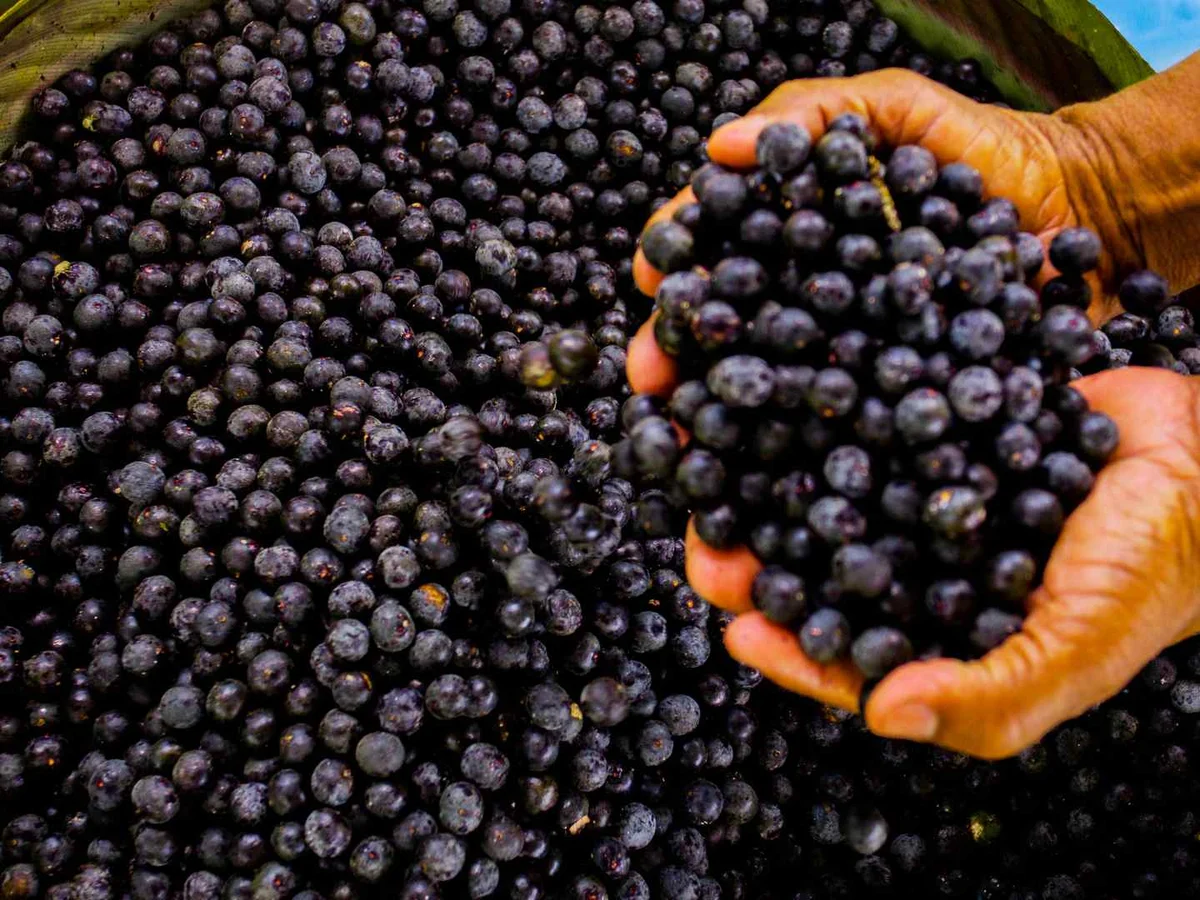
Raw elderberry material deserves caution
Elderberry plants can contain cyanogenic glycosides that can release cyanide under certain conditions. Concentrations vary by species, ripeness, plant part, and preparation, so a simple home toxic-dose chart is not useful.
Leaves, stems, bark, and unripe berries deserve more concern than properly cooked ripe fruit. I would not let a cat chew an elderberry shrub as if it were cat grass.
If the cat nibbled directly from a bush, check whether leaves or stems are missing too. A plant raid and a tiny taste of cooked elderberry sauce are very different situations.
Unripe berries are not worth the uncertainty
Unripe elderberries can contain more cyanogenic material than properly ripened and processed fruit. Cats gain no nutritional benefit that justifies intentionally feeding them.
If a substantial amount of unripe fruit was eaten, call and report the amount, timing, cat weight, and symptoms. Repeated vomiting, weakness, tremors, breathing changes, or collapse deserves urgent care.
Proper cooking changes the risk
Cooking ripe elderberries reduces cyanogenic compounds, which is why processed elderberry foods exist for people. A tiny amount of properly cooked ripe fruit is therefore less concerning than raw plant material.
That does not make elderberry useful feline nutrition. Cats are obligate carnivores and should get nearly all calories from a complete feline diet.
If a healthy adult cat gets one tiny taste of a plain properly cooked elderberry product and remains normal, monitoring for vomiting, diarrhea, or appetite changes may be reasonable.
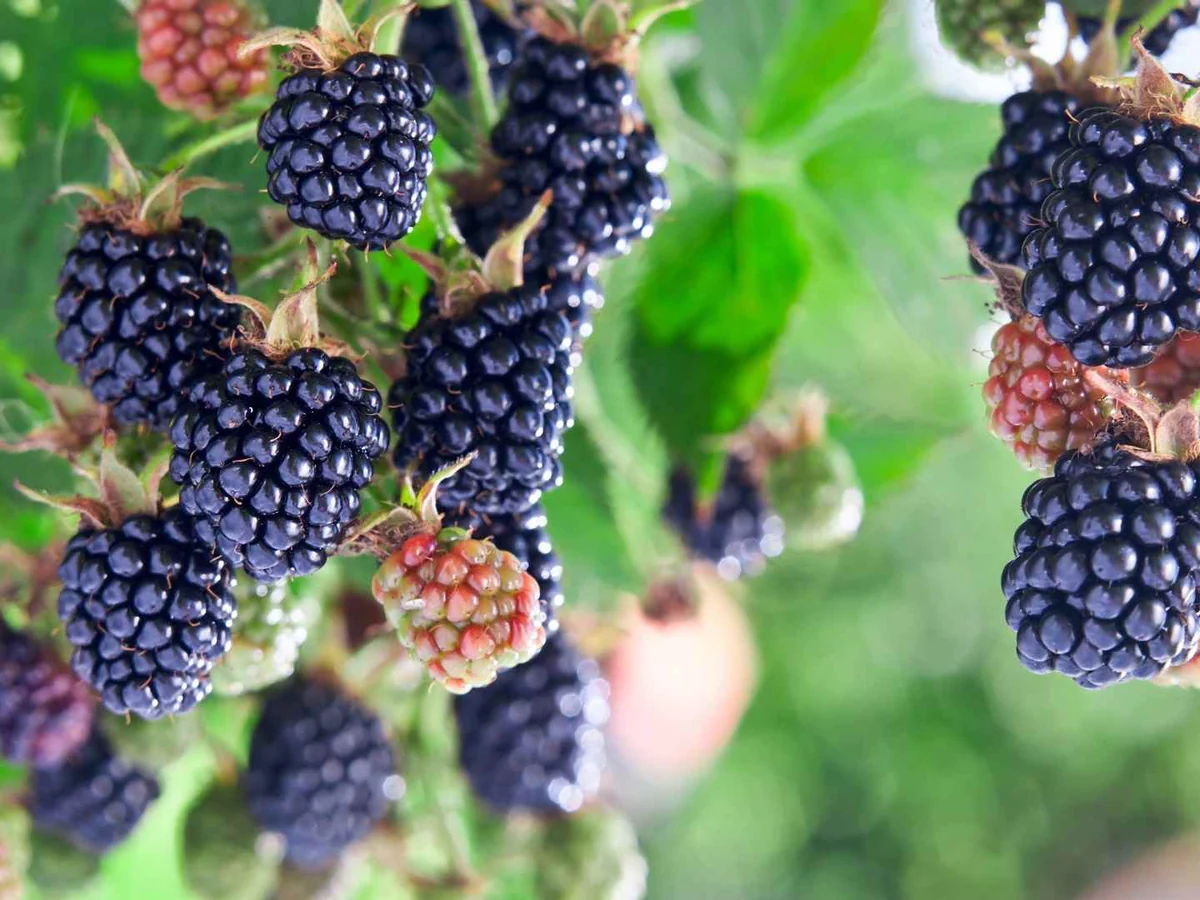
Stems and leaves matter after a plant raid
Cats that chew plants may swallow leaves, small stems, bark, or unripe berries together. That mixed plant exposure is harder to assess than one known cooked berry.
Save a plant sample or photo when possible. Accurate plant identification can matter when deciding how much concern is appropriate.
Do not wait for severe symptoms if a meaningful amount of unknown elderberry plant material is missing. Calling early is easier than trying to reconstruct the exposure later.
Elderberry syrup is a multi-ingredient product
Human elderberry syrups can contain sugar, honey, glycerin, alcohol, herbs, vitamins, zinc, flavorings, medications, or alternative sweeteners. The berry may be the least important ingredient after a bottle raid.
Save the full label and supplement facts panel. A product marketed for immune support can contain several active ingredients that need separate assessment.
Do not give a human elderberry syrup routinely to a cat unless the veterinary team specifically recommends that exact product for a defined reason.
Gummies can contain concentrated vitamins and minerals
Elderberry gummies may contain vitamin D, zinc, vitamin C, melatonin, herbs, or other supplements in human-sized doses. A cat eating several gummies should not be treated like a cat that stole one cooked berry.
Count missing gummies and save the package. The veterinary team needs the complete ingredient panel and amount.
Wrappers and plastic caps can also become foreign bodies, so count missing packaging as well as missing supplements.
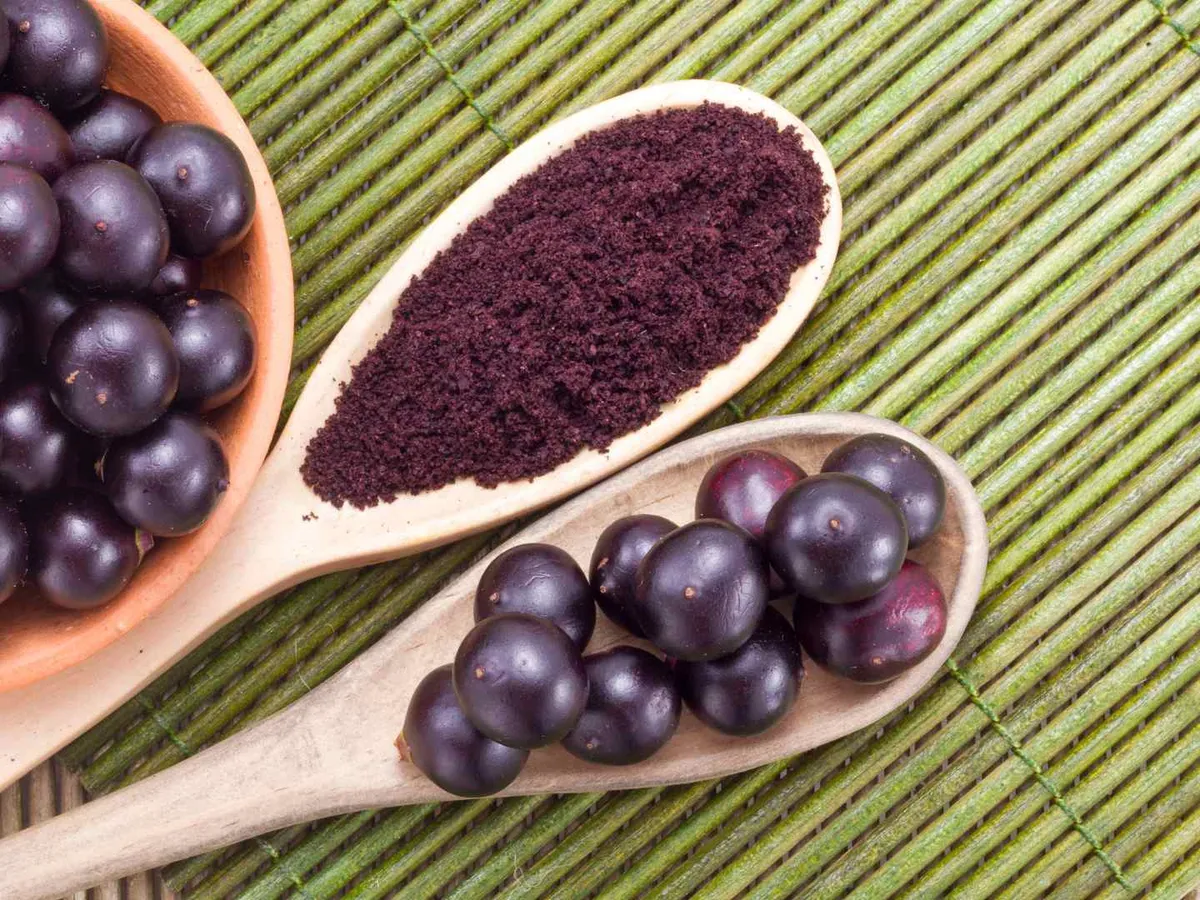
Alcoholic elderberry products can be dangerous
Elderberry wine, liqueur, tinctures, and some homemade syrups can contain ethanol. Cats are small, so a human serving can represent a large dose per pound.
Alcohol can cause vomiting, unusual sleepiness, poor coordination, weakness, low body temperature, low blood sugar, breathing depression, coma, or collapse.
If a cat drinks a meaningful amount, save the bottle or recipe and call promptly with the alcohol concentration, amount, timing, and cat weight.
Homemade syrup is harder to assess
Homemade elderberry syrup may contain berries, honey, sugar, cinnamon, cloves, ginger, citrus, alcohol, or other ingredients. Preparation also varies in how thoroughly the fruit was cooked and strained.
Save the exact recipe after a raid. “Homemade elderberry syrup” is not enough information for a useful assessment.
Jam and jelly are mostly sugar questions
Commercial elderberry jam or jelly made from properly cooked fruit is less concerning from the raw-plant standpoint but can contain a lot of sugar. Cats gain no useful nutritional benefit from it.
A tiny lick may cause no problem in a healthy cat, while larger amounts can cause gastrointestinal upset. Cats with diabetes should skip sweet fruit spreads entirely.
Cats with diabetes should avoid sweet elderberry products
Syrup, jam, gummies, and sweetened cooked fruit can contain substantial carbohydrate. Cats with diabetes benefit from consistent meals and treats that fit the established diet and insulin plan.
If a diabetic cat steals a large sweetened elderberry product, contact the veterinary team for advice based on the ingredients and current treatment plan.
Kittens have no reason to eat elderberry
Kittens need complete growth food with precise protein, amino-acid, vitamin, and mineral balance. Fruit and human supplements can displace needed calories or expose kittens to unnecessary ingredients.
If a kitten gets one tiny taste of properly cooked plain berry, that does not automatically mean an emergency. Raw plant material or supplements are different exposures.
What symptoms deserve prompt veterinary care
Repeated vomiting, severe diarrhea, marked weakness, tremors, unusual neurologic behavior, breathing changes, collapse, or profound lethargy after raw plant exposure deserves prompt veterinary attention.
If a supplement is involved, symptoms may instead reflect alcohol, vitamins, medications, or another additive. Bring the package to the clinic.
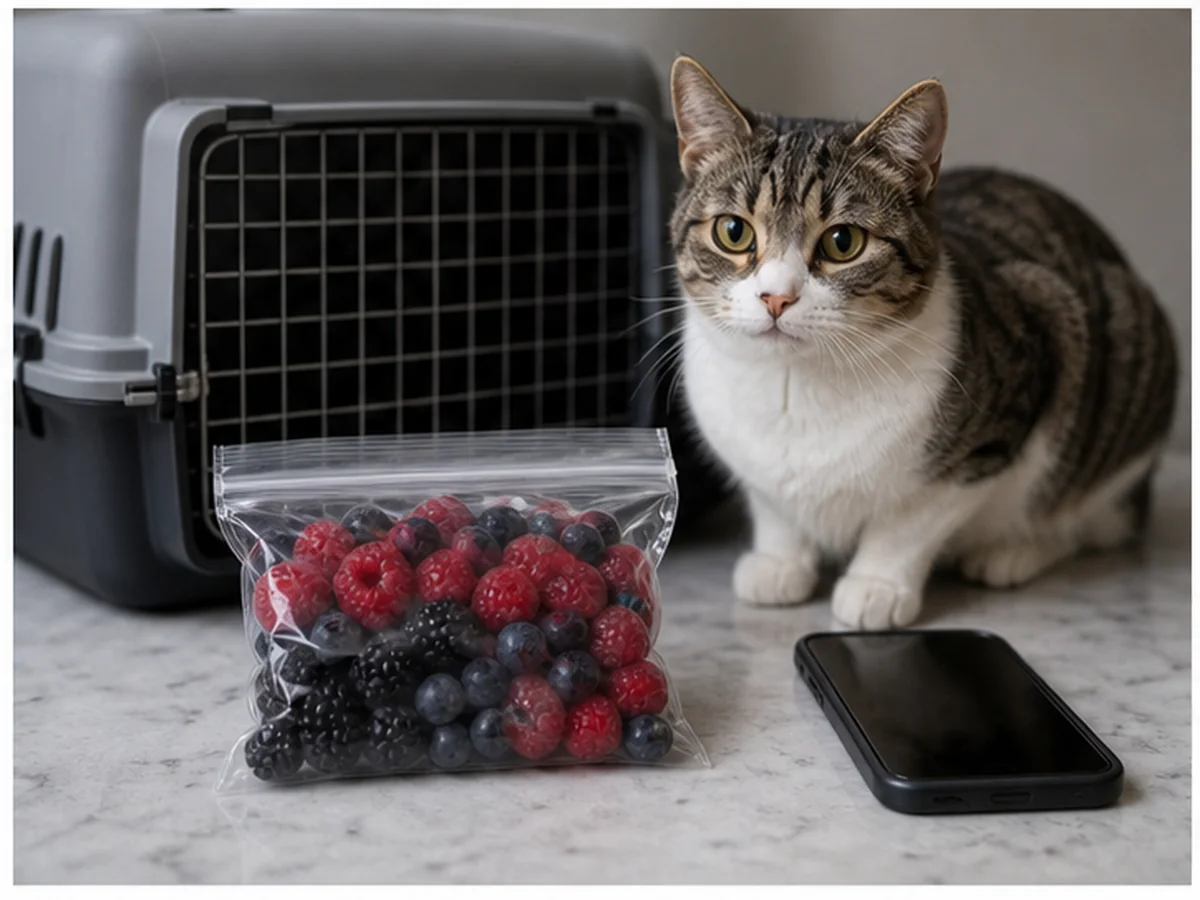
What to do if your cat ate elderberry
- Identify whether the exposure involved ripe cooked fruit, raw berries, unripe berries, leaves, stems, bark, syrup, gummies, jam, wine, tincture, or another supplement.
- Save the plant sample, package, recipe, or supplement facts panel.
- Estimate the largest amount eaten and the time.
- Check products for alcohol, vitamin D, zinc, medications, caffeine, and other active ingredients.
- Call promptly after a meaningful raw-plant, unripe-fruit, supplement, alcohol, or unknown exposure.
- Monitor a trivial properly cooked plain-fruit exposure for vomiting, diarrhea, or appetite changes.
Do not try to make a cat vomit at home
Hydrogen peroxide should not be used to induce vomiting in cats. Salt, mustard, oil, and other improvised home methods can cause injury.
Call with the exact plant material or product, amount, timing, and symptoms. The veterinary team can decide whether observation, laboratory testing, decontamination, or supportive care is appropriate.
What I would offer instead
If the goal is a special snack, I would use a tiny piece of plain fully cooked boneless meat or a normal cat treat. That removes almost every plant-preparation and supplement-label question.
The cat does not need elderberry for immune support or nutritional completeness unless a veterinarian specifically recommends a product for a defined reason.
Frequently asked questions
Can cats eat cooked elderberries?
A tiny amount of properly cooked ripe fruit without unsafe additives may be low risk, but fruit is nutritionally unnecessary for cats.
Can cats eat raw elderberries?
I would avoid them because raw and unripe elderberry material can contain cyanogenic compounds.
Can cats have elderberry syrup?
I would not give a human syrup routinely without veterinary guidance. Alcohol, vitamins, medications, and other active ingredients can matter much more than the berry.
Can cats eat elderberry gummies?
I would avoid using them as treats. Gummies can contain concentrated supplements and are designed for human dosing, not feline nutrition.
Bottom line
Avoid raw elderberries, unripe fruit, leaves, stems, bark, and other elderberry plant parts in cats. Properly cooked ripe fruit is less concerning, but syrups, gummies, jams, tinctures, wine, and supplements require full ingredient checks and offer no real nutritional advantage over a normal cat treat.