Can Cats Eat Seaweed? Iodine, Kelp, Nori, and Stringy Risks
A tiny accidental nibble of plain, food-grade seaweed is unlikely to poison a healthy cat, but seaweed is a poor routine treat and a worse do-it-yourself supplement. Iodine varies by species and product, snack sheets can be salty, and kelp powders, long strips, sushi, beach wrack, and desiccant packets create distinct hazards.
After a theft, save the package and note species, salt, seasoning, and supplements. Call for symptoms, thyroid diets, string, or missing packets.
“Seaweed” names a neighborhood, not one ingredient
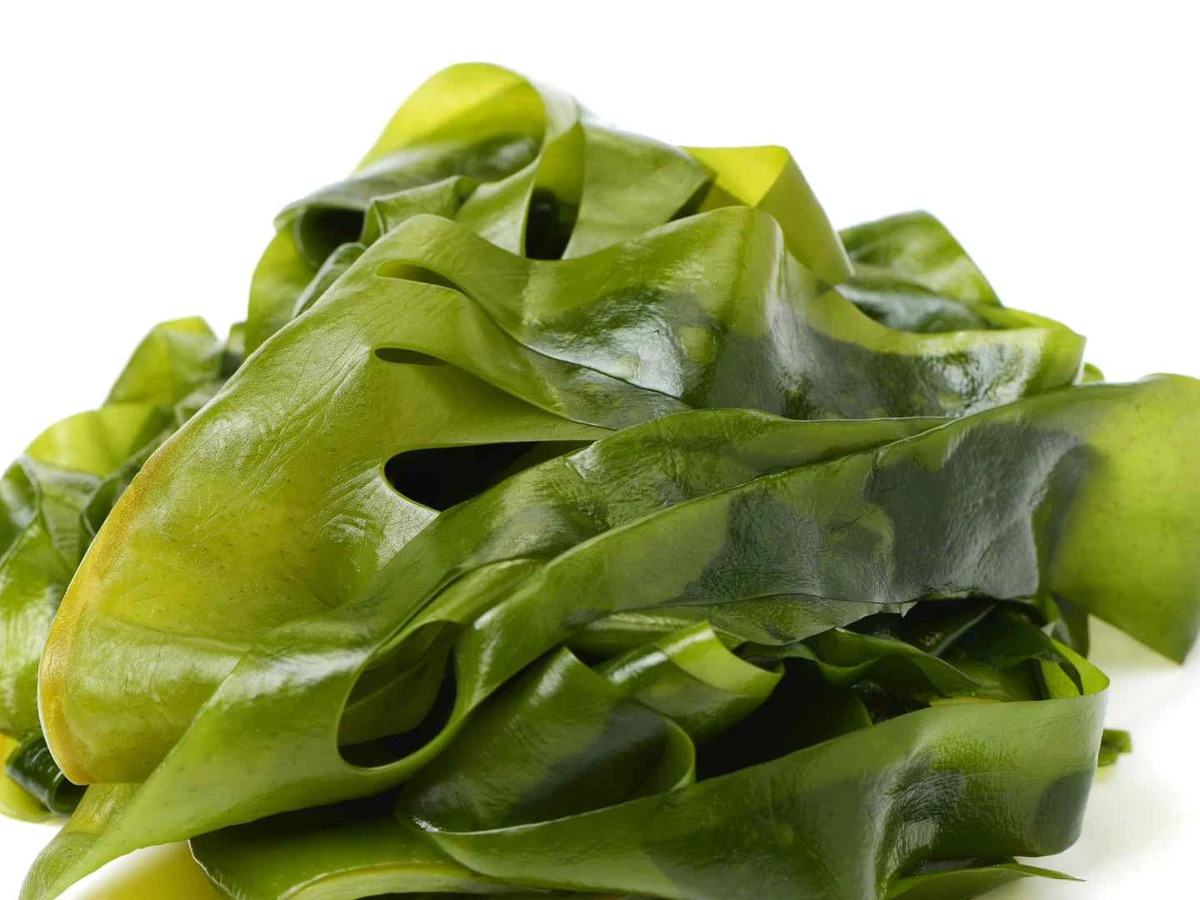
Nori, kelp, kombu, wakame, dulse, sea lettuce, and other marine algae differ in iodine, texture, processing, contaminants, and typical use. Advice for one thin roasted sheet cannot be applied casually to a spoonful of concentrated kelp powder.
Carrageenan and agar are extracted ingredients used as thickeners or gelling agents, not equivalent servings of whole seaweed. Their presence in a formulated cat food says nothing about whether a cat should eat seasoned wakame salad.
Species identification matters because common names overlap and products can contain blends. Keep the original panel rather than describing the food as “the green crunchy kind.”
Iodine is essential, variable, and easy to oversimplify
Cats require iodine to make thyroid hormones, but both adequacy and excess belong in a balanced nutrition discussion. Seaweed iodine can vary widely based on species, water, harvest, and processing.
The NIH iodine fact sheet documents substantial variability among seaweed types and products for human nutrition. That variability makes a pinch of kelp a poor home measuring tool for a cat.
Do not add seaweed, iodine drops, or kelp powder to commercial cat food unless a veterinarian with relevant nutrition expertise directs it. The existing food already includes a formulated mineral profile.
Hyperthyroid cats may have a zero-extras rule
Some cats with hyperthyroidism are managed with a therapeutic iodine-restricted diet. The Merck Veterinary Manual explains that these cats must eat the diet exclusively because outside food or treats can undermine control.
Seaweed is particularly incompatible with an iodine-restriction strategy, but even ordinary treats can be a problem. Follow the prescribing veterinarian’s exact list rather than searching for a low-iodine seaweed online.
Never use kelp to treat sluggishness, weight change, poor coat, or suspected thyroid disease. Those signs require diagnosis, and adding iodine can confuse or worsen the situation.
Nori snack sheets: thin does not mean simple
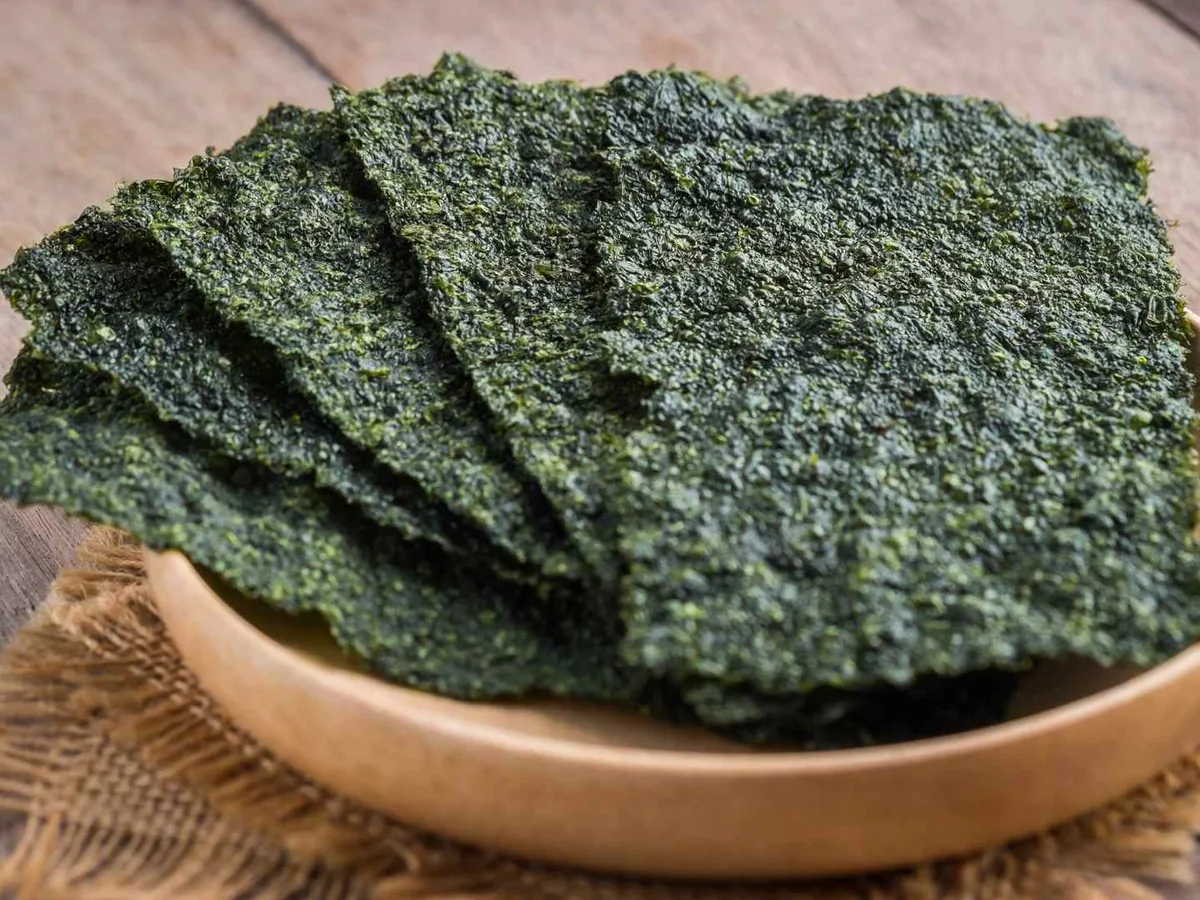
Plain unseasoned nori is the least complicated edible seaweed form, yet a cat does not need it. Commercial snack sheets are often brushed with oil and salt, then flavored with chili, wasabi, teriyaki, onion, garlic, or sweetener.
A crisp sheet softens into a clingy strip with saliva. Tear any veterinarian-approved taste into a speck rather than letting a cat bite a ribbon that can stick in the mouth or be swallowed long.
Multipacks contain desiccant or oxygen-absorber packets that can be torn open or swallowed. Do not guess packet contents; bring the intact remainder and outer package to the clinic.
Kombu and kelp are not casual garnishes
Kombu is commonly used to flavor broth and can contain much more iodine than nori. Broth made with kombu may also contain onion, garlic, miso, soy sauce, bonito, and large amounts of sodium.
Kelp powders and granules are concentrated and easy to overdose by kitchen intuition. A scoop intended for a large human smoothie or garden fertilizer is not a pet supplement dose.
Seaweed-based dental powders and nutritional products should be discussed with the veterinarian, including their evidence, iodine content, quality control, and interaction with thyroid management. “Natural” does not answer any of those questions.
Seaweed salad and soup arrive fully dressed
Restaurant seaweed salad may contain soy sauce, sesame oil, sugar, vinegar, chili, preservatives, and color. It can also include long, rubbery strands that are much larger than a cat-size bite.
Miso soup adds fermented soybean paste, substantial sodium, scallion, tofu, mushrooms, and stock. A cat who drinks the bowl has not merely sampled wakame.
Poke and sushi combine nori with raw fish, rice, soy sauce, avocado, spicy mayonnaise, wasabi, and plastic garnish. Our raw fish guide covers the risks hiding inside the wrapper.
Beach seaweed belongs at the beach
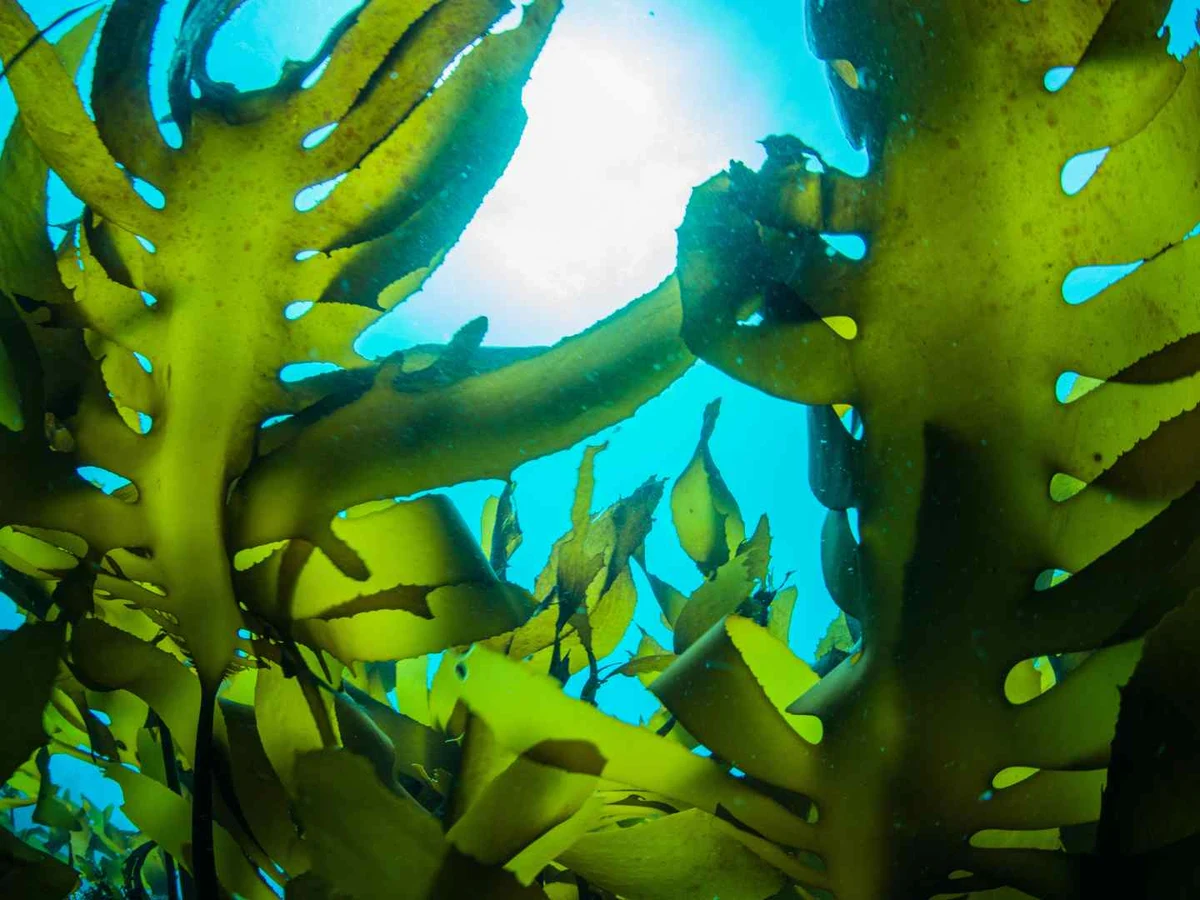
Washed-up algae can be misidentified, decomposing, contaminated by microbes or pollutants, and tangled with fishing line, hooks, plastic, or dead animals. Salt water and sand add nothing useful to a cat’s diet.
Dried beach wrack can expand after swallowing and may act as a foreign material. Keep outdoor cats and leash-walked cats away from piles instead of taking a sample home to identify after lunch.
Blue-green algae, or cyanobacteria, are not seaweed and can produce rapidly dangerous toxins in freshwater. Keep pets away from suspicious blooms and follow local public-health advisories.
Heavy metals and sourcing
Marine algae can accumulate arsenic, cadmium, lead, and other contaminants depending on species and water conditions. Food-grade sourcing and testing matter more as a product becomes concentrated or frequently consumed.
A one-time nori crumb and a daily spoon of imported kelp powder are not comparable exposures. Avoid turning an optional treat into a long-term contaminant pathway without a clear feline benefit.
Supplements do not become complete cat food because they supply a mineral. Look to a product’s nutritional adequacy statement and manufacturer quality controls for the regular diet.
Sodium, oil, and seasoning still count
Salty sheets may worsen thirst or conflict with heart, kidney, or blood-pressure management. Cats on therapeutic diets need the clinic’s approval before any seaweed snack, regardless of how small the package calls a serving.
Sesame oil and other fats add calories and can trigger gastrointestinal upset. Wasabi and hot pepper can irritate the mouth and gut, while onion and garlic create a red-blood-cell hazard.
Compare the brine and seasoning questions in our pickle guide. The plant ingredient on the front rarely tells you what happened in the jar or packet.
What a seaweed accident requires
- Secure every form. Remove sheets, strands, powder, supplements, broth, and sushi.
- Preserve identification. Photograph species names, ingredients, iodine claims, lot, and manufacturer.
- Find the packet. Account for desiccants, oxygen absorbers, plastic film, ties, and chopstick wrappers.
- Mention thyroid care. Tell the veterinarian about hyperthyroidism, iodine-restricted food, medication, and recent testing.
- Call for symptoms or string. Seek advice for vomiting, weakness, tremors, large exposure, or missing long material.
Never pull a strand hanging from the mouth or rectum, since linear material can be anchored and damage the intestine. Repeated retching, abdominal pain, reduced stool, refusal to eat, or a swollen belly require urgent assessment.
Do not induce vomiting or give iodine blockers, milk, oil, charcoal, or another home treatment. Bring the seaweed container, supplement scoop, or restaurant receipt.
Seaweed in pet products
A cat food may contain a controlled algae-derived ingredient as part of a complete formula. The FDA complete-and-balanced overview explains why the finished diet, not one isolated ingredient, is the relevant nutritional unit.
Treats marketed for coat, dental, or digestive benefits may list kelp or seaweed meal without showing iodine prominently on the front. Ask the manufacturer for nutrient data and quality-control information when thyroid or kidney disease is relevant.
Cornell’s feline feeding guidance advises care with supplements because more is not always better. A balanced diet usually removes the need to add vitamins or minerals at home.
Powder creates an inhalation and cleanup problem
Fine kelp dust can irritate the eyes, nose, and airways, then cling to paws and fur for later grooming. Move the cat away before cleaning a spill and avoid blowing or dry-brushing powder into the room.
Keep the product jar for ingredient, concentration, scoop size, and lot information. A kitchen teaspoon and a manufacturer scoop may hold very different amounts.
If powder contacts the eyes or causes coughing, call for cleaning and triage instructions. Do not apply oils or household eye drops unless a veterinarian directs their use.
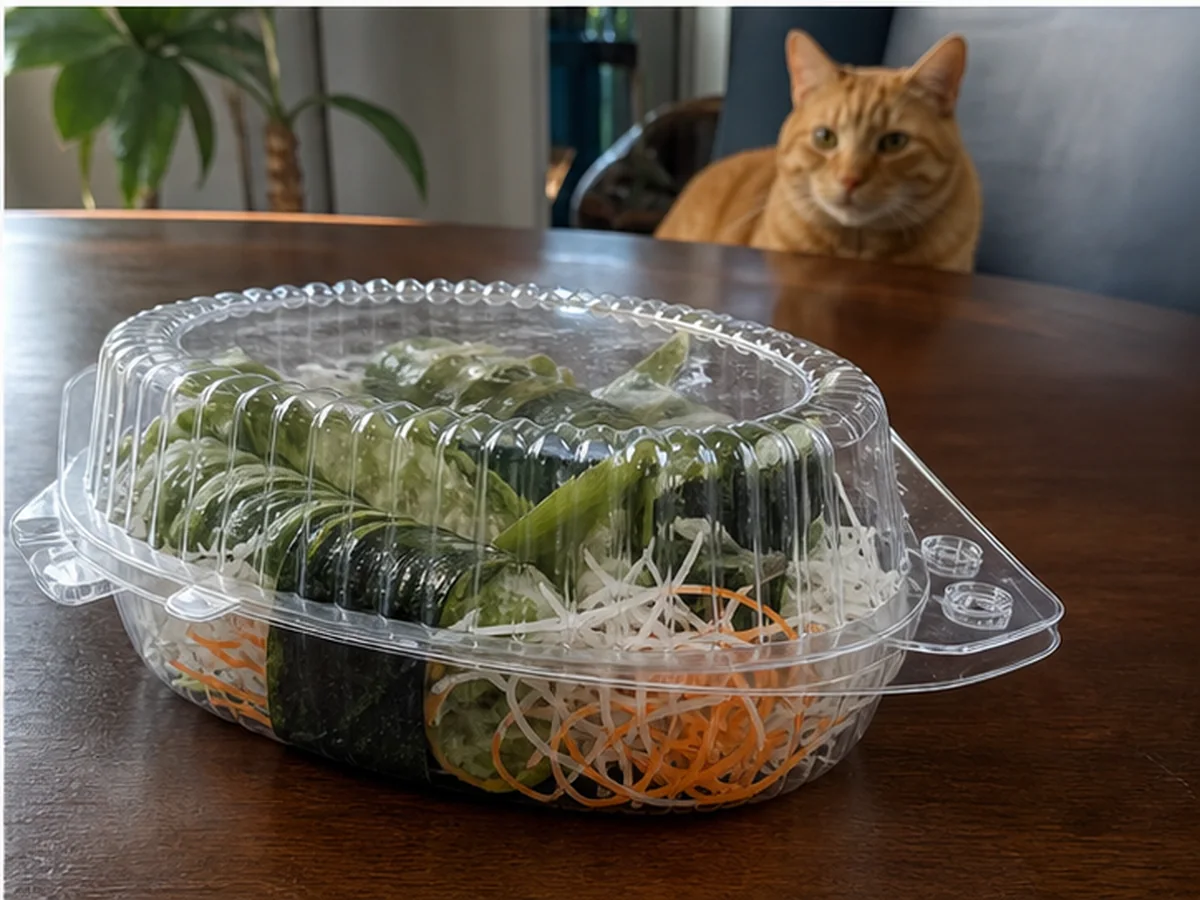
Strings, ribbons, and sushi décor
Nori bands around rice can travel with plastic grass, toothpicks, decorative film, and rubber bands. Check the takeout tray carefully after a cat drags it from the counter.
Our multi-ingredient pizza guide offers the same evidence habit for another food assembled in layers. Name each component before deciding which one controls urgency.
Questions that wash ashore
Can cats eat plain nori?
A speck of unseasoned food-grade nori is unlikely to harm most healthy cats, but it offers no necessary benefit. Avoid routine portions and keep the piece too small to form a strip.
Can cats have kelp powder for their teeth?
Ask the veterinarian to evaluate the product’s evidence, iodine amount, quality controls, and your cat’s thyroid status. Do not sprinkle an unmeasured kitchen kelp product onto meals.
Is seaweed in cat food safe?
An ingredient within a complete formulated food is assessed as part of the full recipe, not as a recommendation to feed that ingredient alone. Contact the manufacturer for exact quality-control questions.
The shore-leave decision
Households with several pets should remember that dog supplements and aquarium products may also contain kelp or algae. Store every species-specific product separately, since a cat can open a bag whose label was never meant to address feline use.
Seaweed fertilizer and garden amendments are not food-grade products and may contain additional minerals or contaminants. Bring the full garden label after exposure rather than reporting that the cat ate “organic kelp.”
Record supplements in the cat’s medical history, including powders that seem too ordinary to mention. That list helps a veterinarian interpret thyroid testing, gastrointestinal signs, and total nutrient exposure without guessing what has been sprinkled over breakfast.
Seaweed is not needed in the treat jar, and concentrated kelp or iodine products should stay out of unsupervised nutrition experiments. Protect thyroid-diet cats from every extra, cut off access to long strands and packets, and let a complete food handle minerals.