Can Cats Eat Raw Sweet Potatoes? Hard Flesh, Skin, Cooking, and Recipes
Do not offer a cat raw sweet potato. The root is not listed as a feline poison, but an uncooked chunk is hard, dense, and difficult to digest; the safer comparison is a pea-size taste of peeled, thoroughly cooked, plain sweet potato, which is still optional rather than useful cat nutrition.
Look at the cutting board before the cat
A lick of orange moisture from a grater is different from a missing raw coin, a strip of peel, or half a sprouting tuber. Count the pieces, check the knife and mandoline, and note whether butter, seasoning, raw meat juices, plastic film, or a produce sticker entered the scene.
| What went missing | Main practical concern |
| Thin raw shaving | Mouth or stomach irritation, minor digestive upset |
| Thick raw cube or coin | Choking or digestive obstruction from dense texture |
| Long peel strip | Tough fibrous foreign material |
| Cooked plain flesh | Portion, starch, and individual tolerance |
| Seasoned casserole or fries | Fat, salt, Alliums, sugar, and recipe extras |
| Knife guard, mandoline part, wrap, or sticker | Cuts, choking, or obstruction |
Sweet potato is not the same plant as white potato
Sweet potato is Ipomoea batatas, a member of the morning-glory family, while white potato is a nightshade. Advice about green white-potato skin and solanine should not be pasted onto an orange sweet potato, just as “yam” on a grocery sign does not establish the botanical species.
The ASPCA lists sweet potato vine as non-toxic to cats. That listing supports a non-poisonous classification for the identified plant, but it does not make raw root chunks, garden chemicals, decorative vines, or seasoned dishes smart snacks.
Raw texture is the central problem
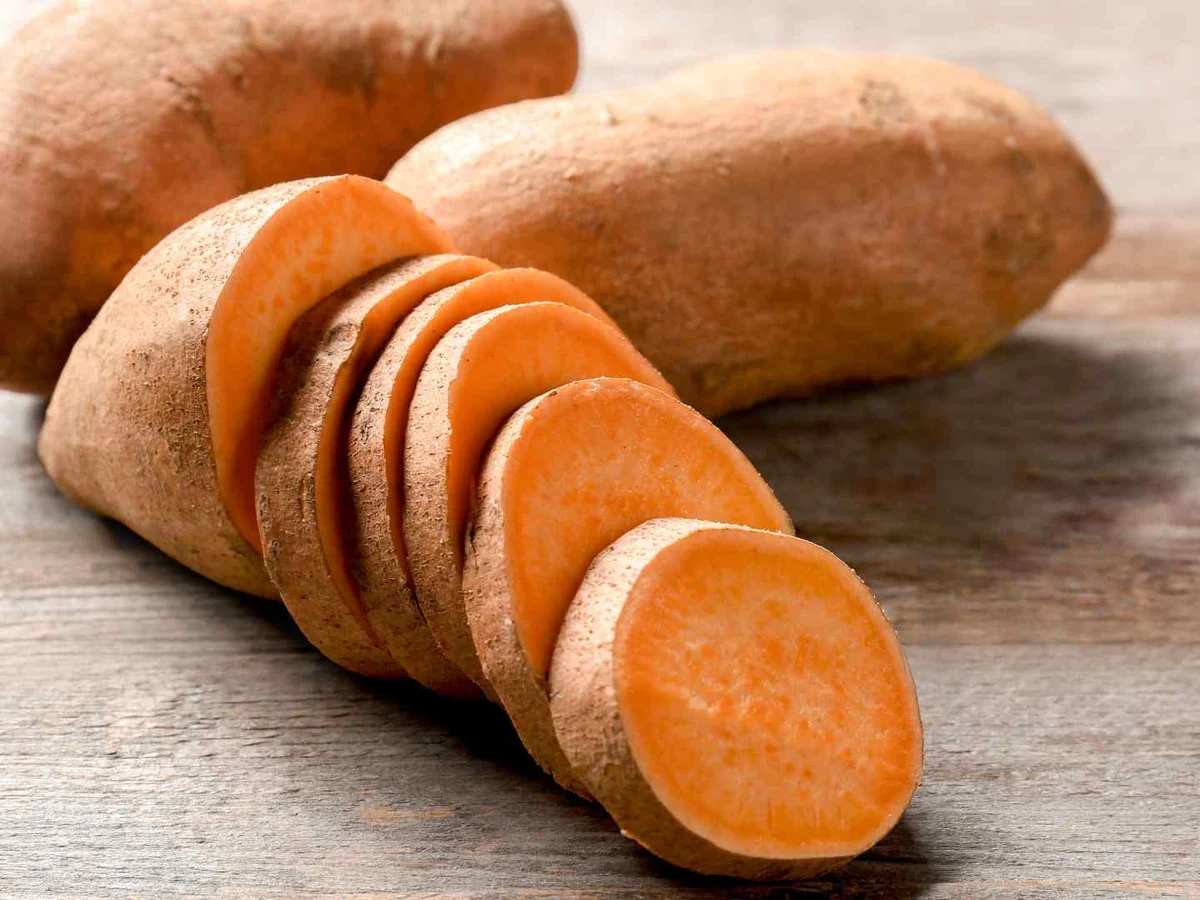
An uncooked sweet potato can resist a human knife, so a cat’s small teeth are not a sensible preparation tool. A swallowed lump may scrape, lodge, or travel as a poorly chewed mass, particularly in a kitten, senior, or cat with dental or swallowing disease.
Call promptly for gagging, repeated swallowing, pawing at the mouth, unproductive retching, repeated vomiting, abdominal pain, appetite loss, or reduced stool. Breathing difficulty, blue or pale gums, and collapse require emergency care.
Peels are flexible enough to fold and tough enough to persist
Sweet potato skin is edible for people after cleaning and cooking, but raw peel can form a slippery strip that a cat gulps instead of chewing. The peel also carries soil and handling residue, and deep creases make casual wiping a poor substitute for proper washing.
If preparing the vegetable for people, rinse it under running water before cutting and follow the FDA’s produce-cleaning guidance rather than using soap or detergent. Put long peels into a closed bin before the cat turns them into ribbons.
Sprouts, vine cuttings, and garden soil are separate exposures
A sprouting pantry root may have soft spoiled patches, while an ornamental sweet potato vine may carry fertilizer, pesticide, insect bait, florist wire, or plant tags. Identifying the species does not identify what was sprayed on it or what non-food material a cat swallowed nearby.
Save the plant label and every garden-product package for a veterinary call. Do not offer a grocery root that is moldy, leaking, badly shriveled, fermented-smelling, or contaminated by rodents simply because the plant itself is non-toxic.
Cooking changes the bite, not the cat’s nutritional needs
Boiling, steaming, or baking without seasoning can soften sweet potato enough to mash smoothly. Cool it completely, remove skin and hard edges, and if a veterinarian permits extras, keep the taste smaller than a pea.
The FDA explains that a complete and balanced cat food must meet a nutritional adequacy standard. A spoonful of cooked sweet potato supplies neither the complete nutrient pattern nor the animal-based protein a cat’s daily diet requires.
Raw does not preserve a secret feline benefit
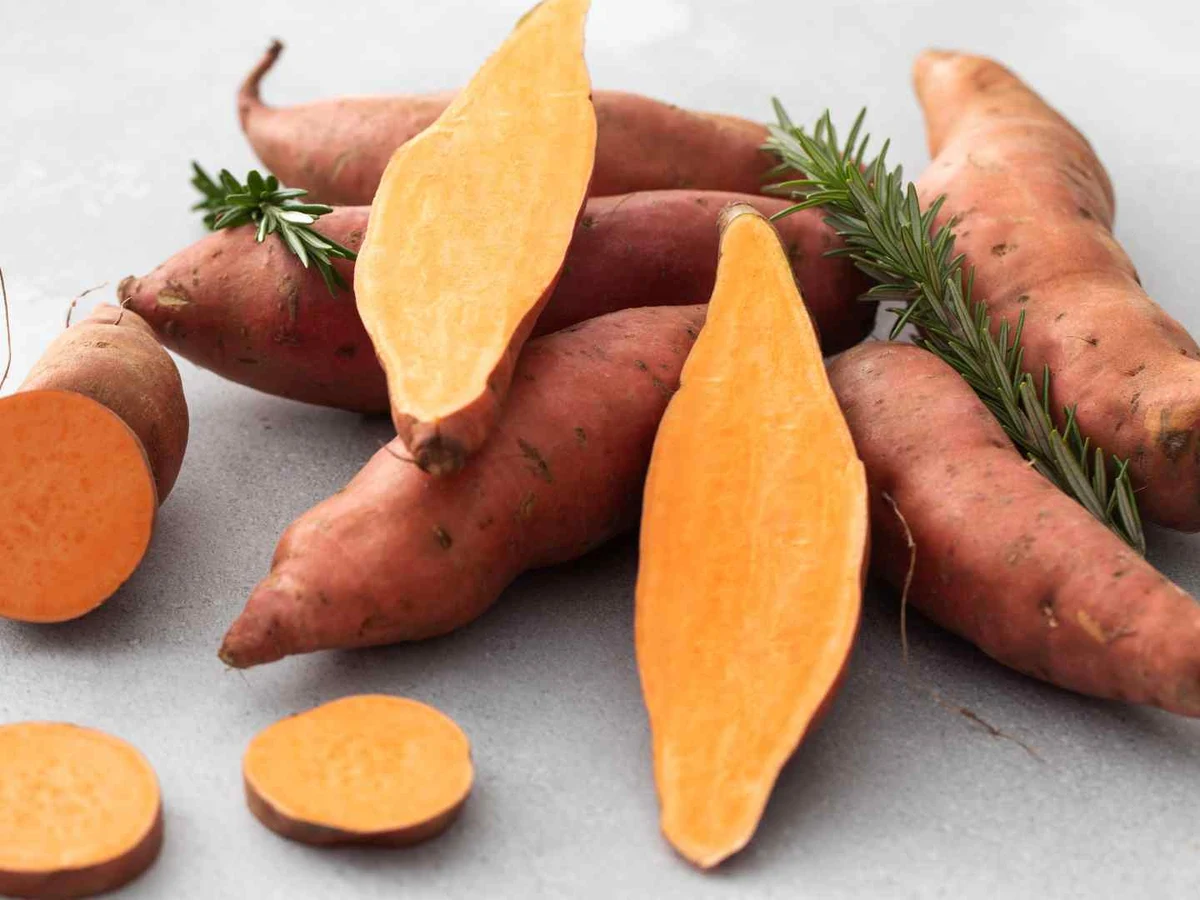
Internet claims often frame uncooked vegetables as more natural or enzyme-rich, but those human wellness arguments do not establish better feline digestion. A cat gains no prize for wrestling with a starch that becomes safer to portion after cooking.
Do not use raw sweet potato to clean teeth, add bulk, firm stool, or treat constipation. Dental disease and bowel problems require a diagnosis, and a hard root can add pain or obstruction to the original complaint.
Casseroles hide more than marshmallows
Holiday sweet potato casserole may contain butter, cream, condensed milk, brown sugar, maple syrup, nuts, marshmallows, alcohol, nutmeg, or a crumb topping. Savory versions may add onion, garlic, stock, bacon, cheese, salt, and black pepper.
Save the recipe and estimate the whole serving that disappeared, not the orange portion you can still see. The site’s marshmallow guide can help with one topping, but the dish still needs a complete ingredient inventory.
Fries, chips, and air-fried sticks are not raw-root questions
Sweet potato fries and chips introduce oil, salt, hard edges, and seasonings such as garlic or onion powder. Air-frying may reduce added oil, yet it can produce a dry spear or brittle shard that remains awkward for a cat to chew.
A single dropped crumb may cause no trouble, but a bag raid adds both quantity and packaging concerns. Check the guide to fries for cats for grease and seasoning context without assuming orange fries are nutritionally special.
Prepared baby food and pet treats still need labels
A smooth sweet potato baby food might look conveniently mashable, but blends can contain onion, garlic, fruit, meat broth, dairy, or concentrated nutrients. A pouch cap and torn foil membrane can become more urgent than the purée.
Commercial cat food may legitimately include cooked sweet potato inside a formula balanced for cats. That does not mean the isolated ingredient should be added again, and a dog treat containing sweet potato should not be repurposed without checking size, calories, and species labeling.
Medical conditions shrink the margin for table extras
Cats with diabetes, obesity, inflammatory bowel disease, food allergy, chronic constipation, kidney disease, or a therapeutic diet should not receive experimental raw or cooked plant foods without veterinary approval. Even a non-toxic extra can disturb glucose control, calorie targets, stool plans, or an elimination trial.
If a cat refuses normal food but accepts sweet potato, the vegetable has not cured the reason for poor appetite. Record the normal meal offered, the amount eaten, vomiting, stool, urine, and behavior, then contact the clinic promptly.
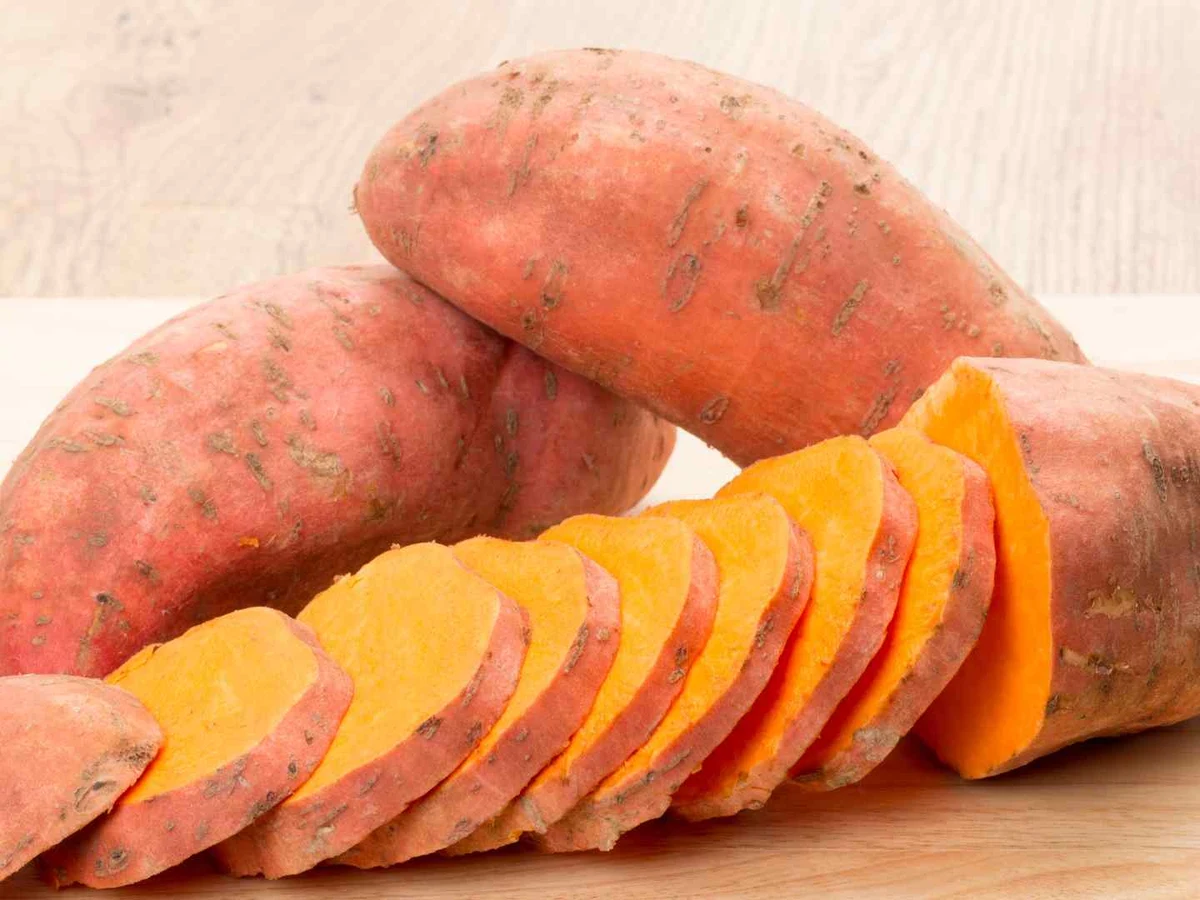
A calm response to the raw-root theft
- Remove the root, peel pile, knife, grater, mandoline, wrap, and produce stickers.
- Measure the missing piece by comparing it with the remaining cuts or taking a photograph.
- Record whether it was raw, partly cooked, fully cooked, seasoned, moldy, or contaminated.
- Call for a thick chunk, long peel, unknown amount, vulnerable cat, foreign object, or any abnormal sign.
- Follow veterinary monitoring instructions and keep regular food and water available unless told otherwise.
Do not induce vomiting or force oil, milk, bread, pumpkin, salt, peroxide, or charcoal. A home remedy can cause aspiration, irritation, or delay while doing nothing to remove a lodged piece safely.
Prevention that survives a busy dinner
Cut sweet potatoes with the cat outside the work triangle, transfer scraps straight into a lidded container, and clear the floor before opening the oven. Store whole roots in a ventilated place the cat cannot access, rather than in a crinkly produce bag on the counter.
If rolling vegetables are irresistible, substitute a cat-safe ball too large to swallow. The root can stay a root, and the cat still gets the important part of the event: supervising everyone with unreasonable confidence.
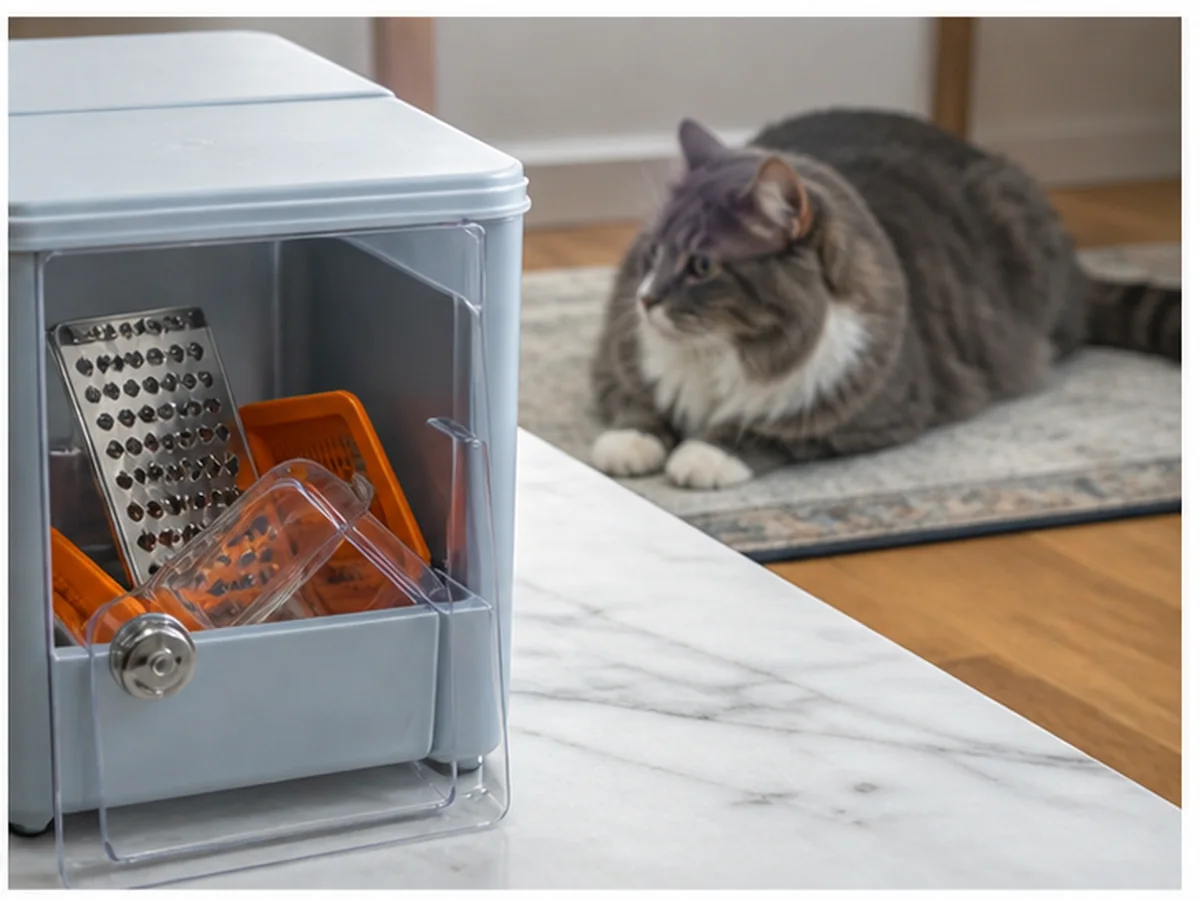
Graters, spiralizers, and dehydrators change the cleanup
Shredding raw sweet potato creates thin strands that are less massive than a cube but easier to scatter under appliances, where a cat may find a whole nest later. Spiralizer blades, mandoline guards, and grater teeth can also cut paws and tongues when left in a sink that doubles as a feline observation deck.
Dehydrating concentrates the root into a leathery strip or hard chip, so it does not solve the texture problem. Commercial dried chews may be sized for dogs and can contain glycerin, preservatives, flavor coating, meat, or an oxygen absorber inside the bag.
For a nightshade-root comparison, the site’s potato guide separates cooked white potato from green skin and sprouts. Keep those plant-specific hazards distinct instead of treating every underground vegetable as the same orange or beige lump.
Raw sweet potato juice and starchy soaking water are not useful drinks for cats, and a countertop juicer adds pulp, sharp screens, cords, and collection bags. Empty the pulp into a secured bin, rinse equipment before residue dries, and offer ordinary fresh water in the cat’s usual bowl.
If the cat lapped from a mixed vegetable juice, identify every root, green, spice, supplement, and sweetener in the batch. Onion, garlic, concentrated greens, and non-food cleaning residue can completely change an incident that began beside one sweet potato.
Frequently asked questions
Is raw sweet potato poisonous to cats?
The identified sweet potato plant is not listed as toxic to cats, but a raw root is still unsafe to offer because of its hard texture and poor digestibility. Physical harm and digestive upset do not require a plant toxin.
What if my cat ate a small raw sweet potato shaving?
Remove access, note the size and time, and call if the cat is very small, medically vulnerable, or develops drooling, gagging, vomiting, pain, appetite loss, or stool changes. A paper-thin shaving is generally less concerning than a cube.
Can cats eat cooked sweet potato skin?
Skin is unnecessary and can remain fibrous even after cooking, so peeled flesh is the cleaner choice. A swallowed wide strip or any vomiting, abdominal discomfort, or reduced appetite deserves veterinary advice.
Can sweet potato fix my cat’s diarrhea?
Do not treat diarrhea with sweet potato unless the veterinarian recommends a measured amount for that cat. Parasites, infection, food reactions, medication effects, obstruction, and systemic illness need different care.
Bottom line
Raw sweet potato is not a suitable cat snack because hard flesh, peel strips, and preparation debris create avoidable risks. If a taste is ever approved, use only a tiny amount of peeled, completely cooked, cooled, unseasoned flesh and let complete cat food do the nutritional work.