Can Dogs Eat Mashed Potatoes? Butter, Milk, Garlic, Gravy, and Portions
Dogs can eat a small amount of plain cooked potato, but holiday mashed potatoes are rarely plain. Butter, cream, milk, garlic, onion, salt, cheese, gravy, bacon, and rich add-ins can turn a simple starch into a much less dog-friendly side dish.
The quick mashed-potato verdict for dogs
Plain fully cooked potato can be tolerated by many healthy dogs in small amounts. Mashed potatoes become harder to assess once dairy, butter, salt, alliums, cheese, gravy, or toppings are added.
I would not use holiday mashed potatoes as a routine dog treat. If I want to share potato, I set aside a plain cooked piece before anything else goes into the bowl.
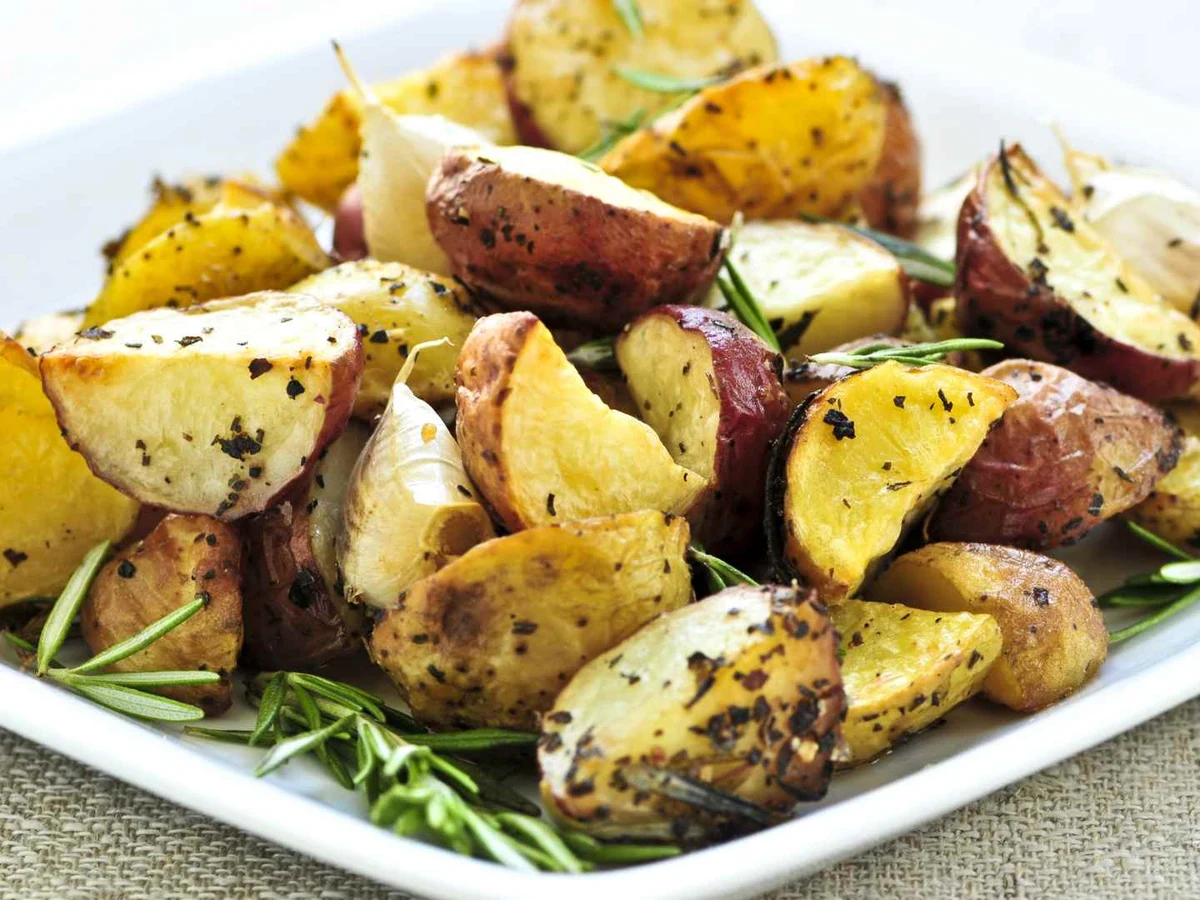
Plain cooked potato is the baseline
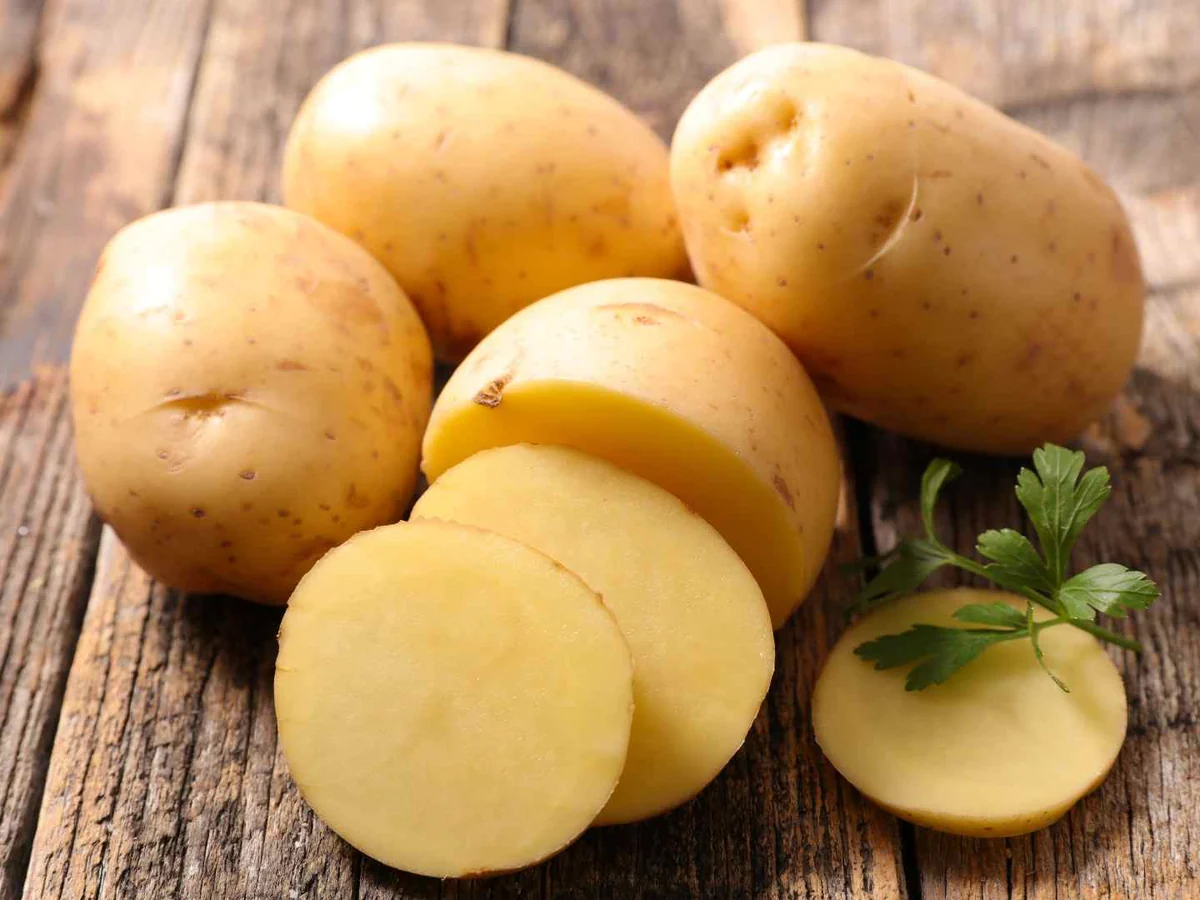
Fully cooked white potato is mostly starch with some potassium, vitamin C, and other nutrients. Dogs can obtain those nutrients from complete food without needing potato as an extra.
A spoonful of plain mashed potato may be low risk for many healthy dogs, but it still adds calories. Large portions can displace more nutritionally complete food and may contribute to weight gain over time.
Dogs with diabetes, obesity, or a calorie-controlled plan deserve especially modest portions because mashed potato is carbohydrate-dense and easy to overfeed.
Butter changes the fat load quickly
Butter makes mashed potatoes taste better to people and adds a lot of fat in a small volume. A tiny amount may cause no problem, while a large serving can trigger vomiting or diarrhea.
Dogs with a history of pancreatitis, hyperlipidemia, or fat-sensitive gastrointestinal disease have less room for butter-heavy leftovers. I would use plain potato instead of trying to estimate how buttery the mash turned out.
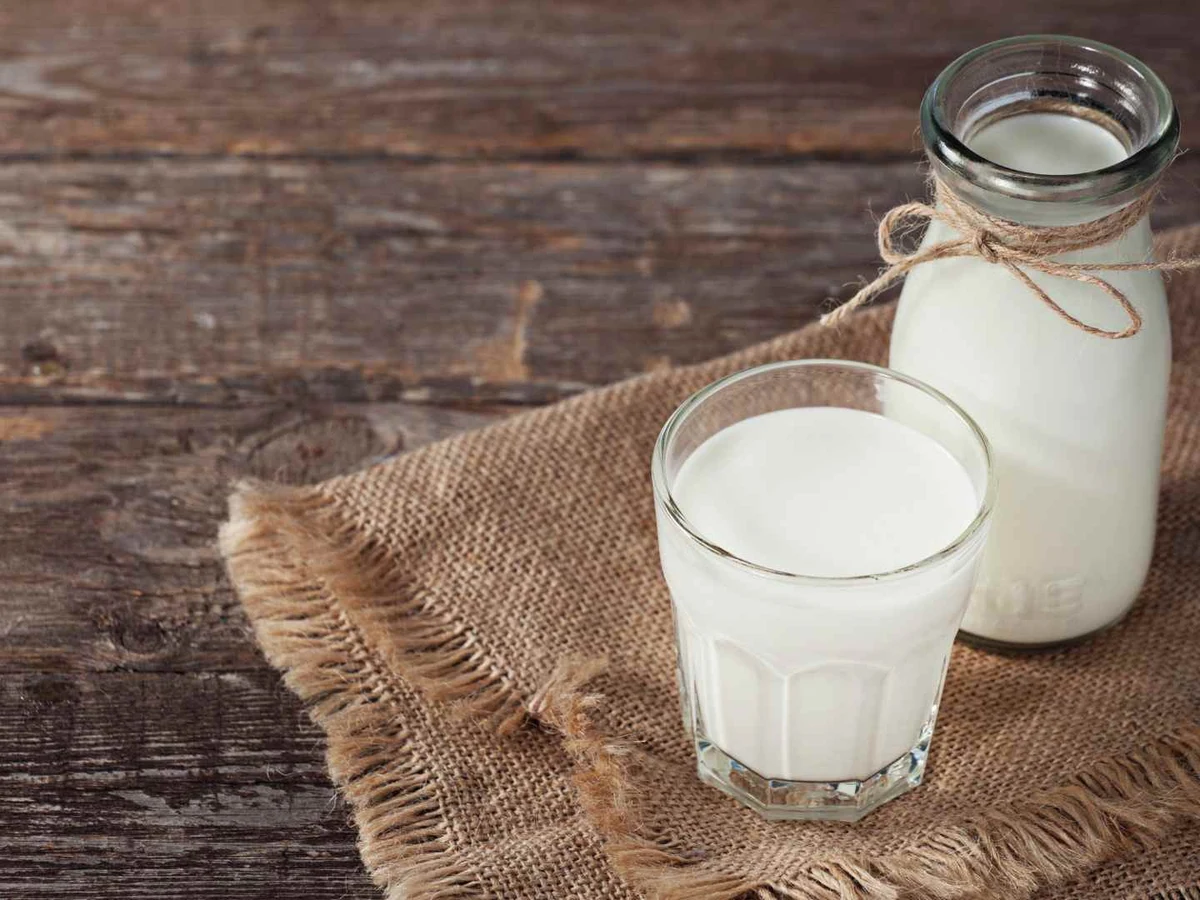
Cream and whole milk can upset the stomach
Many adult dogs digest lactose poorly and can develop gas, loose stool, or diarrhea from milk or cream. Heavy cream also adds a substantial fat load.
A little dairy mixed into a large batch may not cause symptoms in every dog, but there is no nutritional reason to make creamy mashed potatoes part of a dog’s diet.
If your dog already reacts badly to cheese, milk, or ice cream, mashed potatoes made with dairy are even more likely to cause gastrointestinal upset.
Garlic is one of the most important add-ins to check
Roasted garlic, garlic powder, garlic salt, and garlic butter are common in savory mashed potatoes. Garlic belongs to the allium family and can damage canine red blood cells after a sufficient dose.
Powdered garlic is concentrated and can be present even when no visible garlic pieces remain. That makes the recipe or seasoning label more useful than judging the potatoes by appearance.
Weakness, pale gums, rapid breathing, increased heart rate, dark or reddish urine, reduced appetite, or collapse can occur after significant allium exposure and may be delayed.
Onion powder and chives create the same basic problem
Onion powder, cooked onion, shallots, chives, and leeks can all contribute to allium exposure. Cooking does not reliably remove the compounds responsible for red-blood-cell damage.
Chives are often sprinkled over mashed potatoes after cooking, while onion powder can hide in seasoning blends or gravy. I would check both the mash and anything poured on top.
Cheese makes mashed potatoes saltier and richer
Cheddar, Parmesan, cream cheese, sour cream, and other dairy products can add fat, sodium, and calories. Some flavored cheeses also contain garlic, onion, or chives.
A tiny bite of cheesy potato may cause no issue in a healthy dog, but loaded mashed potatoes are not a sensible routine treat. Plain cooked potato is easier to portion and predict.
Gravy can be more concerning than the potatoes
Gravy can contain onion, garlic, salty broth, drippings, butter, flour, cream, and concentrated seasoning. A plain spoonful of potato and the same spoonful soaked in gravy are not equivalent exposures.
If the dog eats mashed potatoes with gravy, save the gravy recipe or package. Onion and garlic powder can hide in commercial packets and canned gravies.
Fatty meat drippings can also make gravy especially rich. Dogs with pancreatitis history deserve strict avoidance of gravy-heavy leftovers.
Bacon bits and loaded toppings add salt and fat
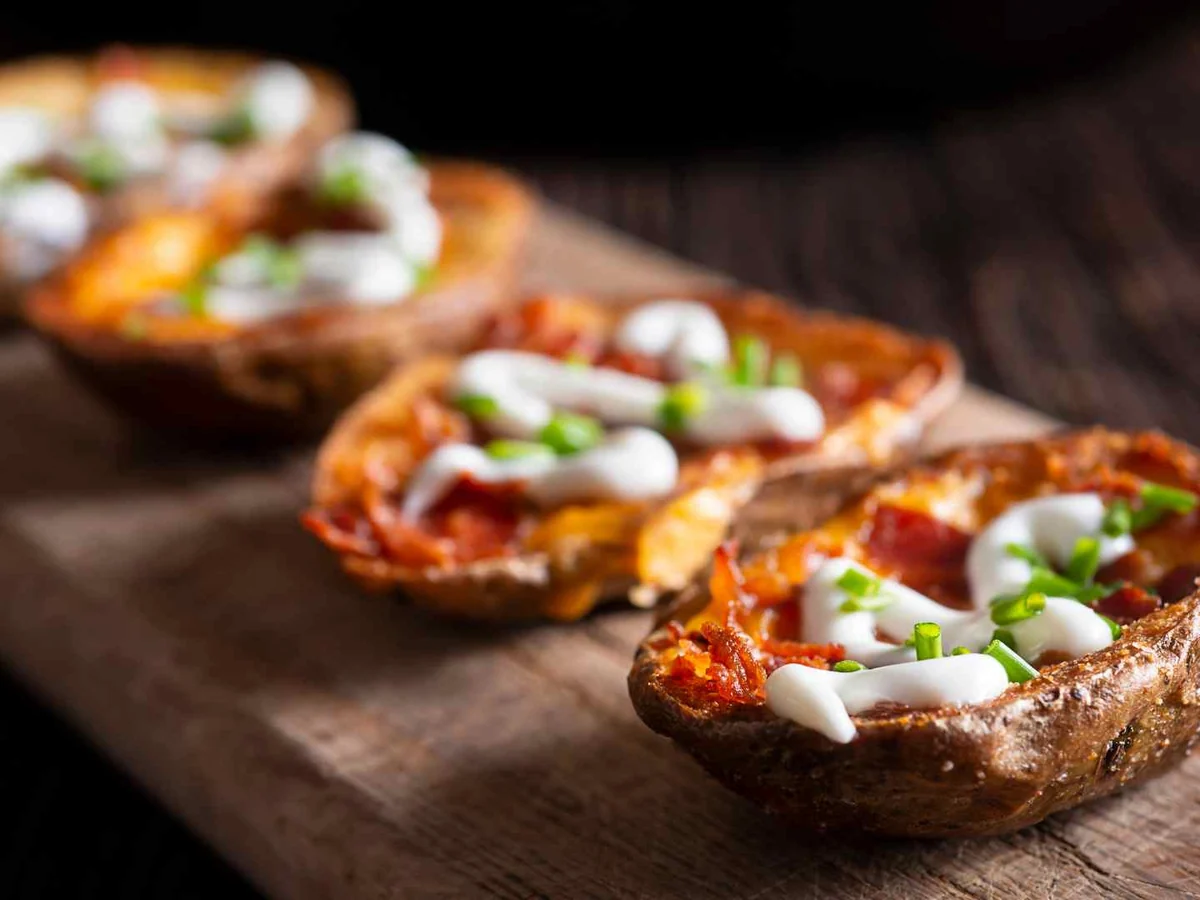
Bacon, ham, sausage, and crispy onions can turn mashed potatoes into a loaded side dish. Processed meats add sodium and fat and may also contain garlic or onion seasoning.
One tiny bacon crumb is different from a bowl of loaded mash, but I would not intentionally build a dog portion from the finished dish. The toppings are doing most of the nutritional damage.
Salt matters more in large portions or sodium-sensitive dogs
Ordinary seasoned mashed potatoes can contain much more sodium than plain potato. A healthy dog stealing one bite is unlikely to develop salt poisoning from mashed potatoes alone, but repeated salty table food can become a meaningful dietary problem.
Dogs with heart disease, kidney disease, high blood pressure, or a prescribed sodium restriction should not receive salty mash. Their treatment plan depends on keeping sodium intake predictable.
Green or sprouted potatoes are a different exposure
Potato plants and green or sprouted tubers can contain higher levels of glycoalkaloids such as solanine and chaconine. Those compounds can cause gastrointestinal and neurologic signs after sufficient exposure.
Properly prepared mashed potatoes should start with sound potatoes, not green or heavily sprouted ones. If a dog gets into raw green potato scraps, assess that separately from the finished mash.
Potato skins can be fine or loaded with extras
Cooked potato skin from a sound non-green potato is not automatically dangerous, but skins can be fibrous and are often served with cheese, bacon, sour cream, salt, and chives.
Green skin or sprouted potato deserves more concern because glycoalkaloid concentrations can be higher. I would not use green or bitter potato material as dog food.
Instant mashed potatoes need an ingredient check
Instant potato flakes may contain milk solids, butter flavor, salt, cheese, onion powder, garlic powder, or seasoning packets. The product can be much more complicated than plain dehydrated potato.
Save the box if the dog eats a large amount. A simple ingredient list and a loaded garlic-cheddar packet are very different products.
Restaurant mashed potatoes are usually difficult to assess
Restaurant mash can contain large amounts of butter, cream, salt, garlic, cheese, stock, and seasoning. Unless the kitchen provides an ingredient list, I would assume it is not plain.
If I want to share food while eating out, plain grilled meat or a simple vegetable is usually easier to assess than mashed potatoes made for maximum richness.
Mashed sweet potatoes are a different food
Sweet potatoes are botanically different from white potatoes and do not have the same glycoalkaloid concern. Plain cooked sweet potato can be a reasonable occasional treat for many dogs.
Holiday sweet potato mash can still contain butter, brown sugar, maple syrup, marshmallows, cream, nuts, or spices. The preparation can turn a simple vegetable into dessert.
Mashed potatoes are not a complete bland diet
Plain potato may sound gentle, but a bland diet should be used for a defined reason and with veterinary guidance when illness is significant. Potato alone does not provide complete nutrition.
If a dog is vomiting, has diarrhea, seems painful, or is refusing food, I would not solve the problem by adding mashed potatoes without understanding the cause.
Dogs with diabetes should keep portions especially small
Mashed potatoes are carbohydrate-dense and can affect blood glucose. Dogs with diabetes benefit from consistent meals and treats that fit their established feeding plan.
If your diabetic dog steals a large amount of mash, especially one containing sugar or rich toppings, contact the veterinary team for advice based on the dog’s insulin schedule and current plan.
What to do if your dog ate mashed potatoes
- Save the recipe, restaurant ingredient list, or instant-potato package.
- Estimate how much was eaten and when.
- Check for garlic, onion, chives, leeks, gravy, bacon, sausage, cheese, butter, cream, and excess salt.
- Note whether green or sprouted potato scraps were also accessible.
- Call promptly after a meaningful allium exposure or if the dog develops severe symptoms.
- Monitor simple plain-potato exposures for vomiting, diarrhea, or abdominal discomfort.
When I would seek veterinary care
Repeated vomiting, severe diarrhea, marked abdominal pain, weakness, pale gums, dark urine, tremors, collapse, or unusual neurologic signs deserves veterinary attention. Dogs with pancreatitis history deserve a lower threshold after a very fatty meal.
A dog that simply stole one small spoonful of ordinary buttery mash and remains normal can often be monitored, assuming no significant garlic, onion, or other high-risk ingredient is present.
How I serve potato safely
I use plain fully cooked potato with no green areas, sprouts, butter, dairy, garlic, onion, gravy, or seasoning. The portion stays small and is counted as an occasional extra.
If I am making mashed potatoes for people, I set aside the dog’s piece before the mixing bowl becomes a butter-and-garlic situation. That is much easier than reverse-engineering the recipe later.
Frequently asked questions
Can dogs eat plain mashed potatoes?
Yes, a small amount of fully cooked plain potato may be low risk for many healthy dogs. Keep it free of butter, salt, garlic, onion, dairy, and gravy.
Can dogs eat mashed potatoes with milk?
A tiny amount may be tolerated, but many adult dogs digest lactose poorly and larger servings can cause gas or diarrhea.
Can dogs eat garlic mashed potatoes?
I would avoid them. Garlic belongs to the allium family and can damage canine red blood cells after a sufficient dose.
Can dogs eat mashed potatoes with gravy?
I would usually avoid them because gravy can contain onion, garlic, salty broth, butter, and fatty drippings.
Bottom line
A small amount of plain fully cooked potato can be a low-risk occasional dog treat, but holiday mashed potatoes are usually too rich and ingredient-heavy to be useful. The biggest concerns are garlic and onion, followed by butter, cream, cheese, gravy, salt, fatty toppings, and green or sprouted potato material.