Can Dogs Eat Tortillas? Dough, Chips, Fillings, and Mold
One small piece of a plain fully cooked tortilla is unlikely to poison a healthy dog, but it is an optional starch, not an energy treatment. Raw dough, flour dust, salt, fat, chips, fillings, mold, medical diets, and packaging can turn the same food name into a different decision.
First identify the form
- One small plain cooked piece: usually monitor for digestive upset.
- Several tortillas or a package: estimate the amount and check sodium, fat, and packaging.
- Raw dough or loose flour: prevent more access and consider pathogen, inhalation, and expansion concerns.
- Chips, wraps, tacos, or quesadillas: assess frying oil, salt, garlic, onion, cheese, meat, salsa, and co-ingredients.
- Mold, bag, clip, foil, toothpick, or oxygen absorber missing: report the separate hazard promptly.
Keep the package or recipe and record corn or flour, cooked or raw, ingredients, amount range, time, dog weight, symptoms, health conditions, and missing objects. A plain six-inch tortilla and a loaded restaurant burrito do not belong in the same risk bucket.
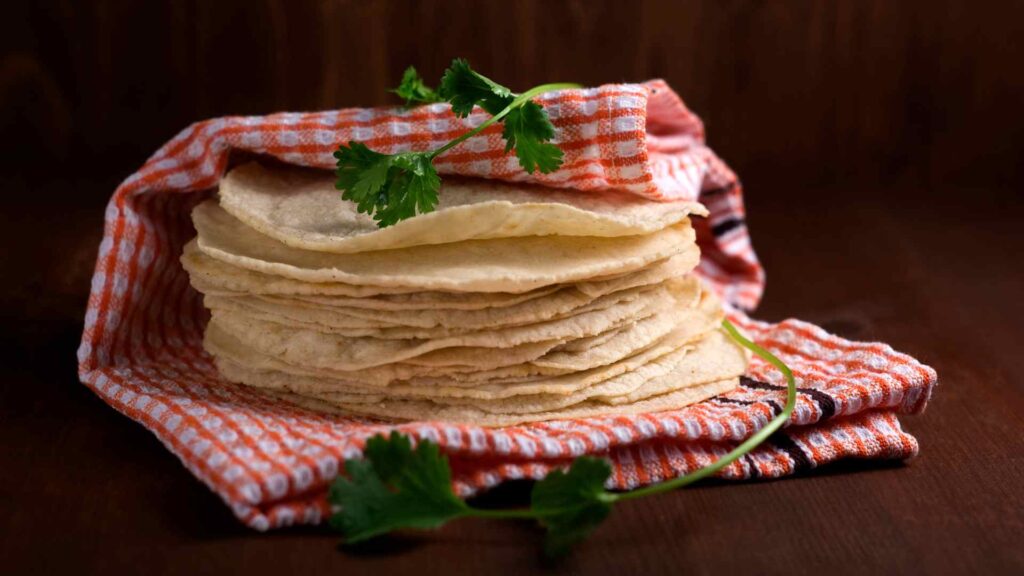
Plain cooked tortillas are generally low risk in small amounts
A conventional tortilla is mostly grain flour, water, and some combination of salt, fat, leavening, gums, or preservatives. None of that makes one plain bite a classic poison.
The practical drawback is that tortillas add calories without making a complete dog diet better. Large pieces can also become sticky wads when swallowed quickly.
A small taste may cause no sign, while several tortillas can produce fullness, gas, vomiting, loose stool, or appetite change. A tiny dog has less room for the same stolen stack than a large dog.
Dogs with diabetes, obesity, pancreatitis history, gastrointestinal disease, sodium restriction, swallowing problems, food allergy investigation, or a veterinary diet should not receive tortillas casually. Patient-specific instructions come first.
Corn and flour tortillas are different recipes
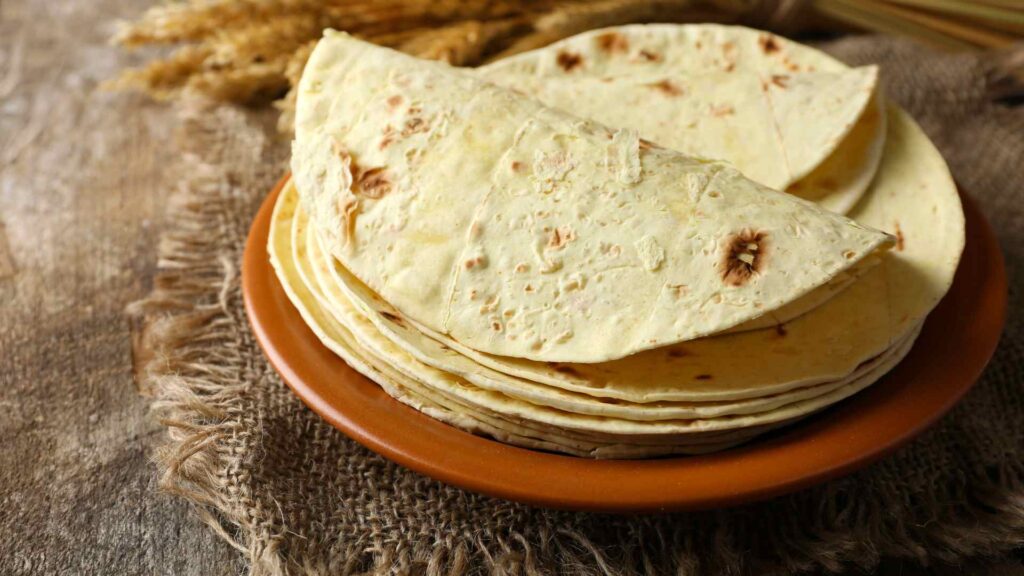
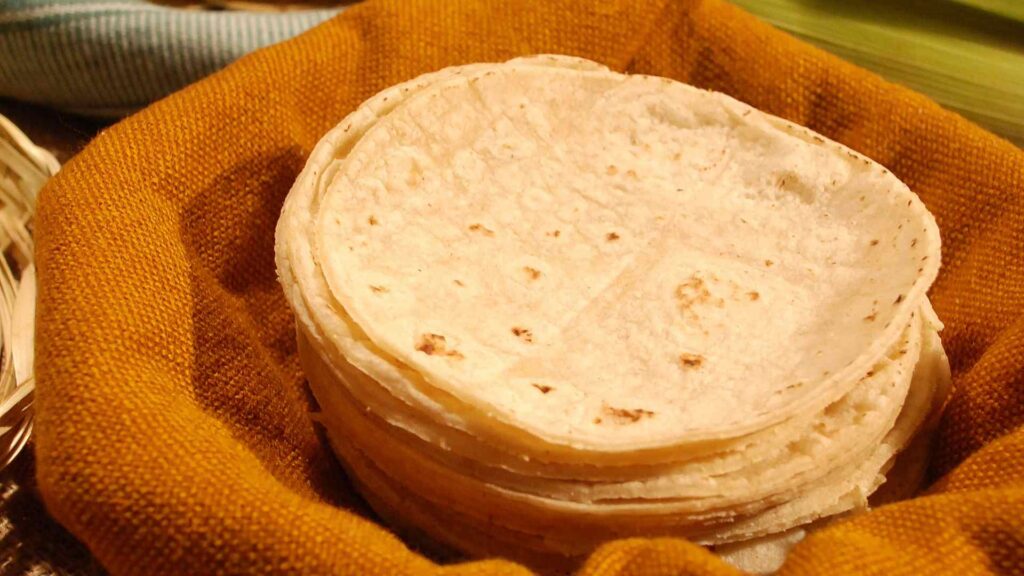
Corn tortillas usually use masa harina or nixtamalized corn flour, water, and salt, while flour tortillas commonly add wheat flour and fat. Commercial products may contain preservatives, gums, sugar, dairy, or soy.
Neither type is automatically healthier for every dog. Compare the current ingredient and nutrition panels instead of using corn, whole wheat, gluten-free, low-carb, or organic as a safety shortcut.
Wheat is tolerated by many dogs, and corn is also a common pet-food ingredient. A single episode of loose stool does not diagnose an allergy because overeating, fat, abrupt diet change, or the filling can cause the same sign.
A true elimination diet must be controlled by a veterinarian. Surprise tortillas can invalidate the trial even when the dog appears comfortable.
Raw tortilla dough is not ready to eat
Most flour is a raw agricultural food and may carry germs before cooking. The CDC raw-flour guidance specifically includes tortilla dough among foods that should be cooked before eating.
Follow the package or tested recipe for complete cooking and wash hands, utensils, bowls, and surfaces after raw dough. Do not let the dog clean the mixing bowl or floor.
A small stolen pinch may cause no illness, but a large dough mass can add uncooked flour, salt, fat, and a physical wad in the stomach. Save the recipe and call for a large or unknown amount, symptoms, or a small dog.
Unlike leavened bread dough, ordinary tortilla dough usually does not contain active yeast. Confirm the recipe because hybrid wraps, flatbreads, or homemade variations may use yeast.
If active yeast is present, the Merck Veterinary Manual bread-dough review explains the risks of stomach expansion and ethanol production. A swallowed yeast dough mass deserves prompt professional contact.
Flour dust creates an inhalation and eye problem
A dog that noses into masa or wheat flour can inhale fine particles or pack powder around the nostrils and eyes. Move the dog to clean air and prevent rubbing.
Persistent coughing, wheezing, labored breathing, eye pain, squinting, or discharge needs veterinary assessment. Do not pour oil, vinegar, or cleaning solution into the mouth, nose, or eyes.
Our flour guide covers large powder raids, raw-flour handling, specialty flours, and dough in more detail. The cooked tortilla has already passed through a heat step that loose flour has not.
Salt and fat are portion questions
Sodium and fat vary widely among brands, restaurant tortillas, low-carb wraps, and homemade recipes. One bite is unlikely to cause salt poisoning, but a package raid can matter for a small dog or one on a restricted diet.
Keep normal fresh water available unless the veterinarian has set a restriction, but do not force large volumes. The Merck Veterinary Manual salt review explains that treatment requires controlled correction of fluid and electrolyte balance.
Never use salt to induce vomiting. Call for marked thirst, repeated vomiting, weakness, abnormal walking, tremors, seizures, or a large salty exposure.
Flour tortillas often contain oil, shortening, lard, or butter, and restaurant versions may be brushed with more fat. Dogs with previous pancreatitis or prescribed low-fat diets deserve earlier advice.
Tortilla chips are not simply small tortillas
Chips are usually fried or baked with added oil and salt, and flavors can add cheese, garlic, onion, chile, lime, or barbecue seasoning. Their hard points and dry crumbs also change chewing risk.
One plain dropped chip will often cause no problem, while a large bag raid can produce vomiting, diarrhea, thirst, or abdominal discomfort. Count missing chips and inspect the flavor panel.
Our salt-and-pepper guide explains why a tiny table seasoning and a large salt exposure deserve different responses. Do not rely on thirst alone to judge severity.
Broken chips can lodge across the palate, scratch the gums, or be gulped in clusters. Breathing difficulty, continuous gagging, blue or gray gums, frantic pawing, or collapse is an emergency.
Wraps, tacos, and quesadillas require whole-meal triage
Garlic and onion are common in taco meat, beans, salsa, rice, sauces, and seasoning packets. Cooking does not make these Allium ingredients harmless to dogs.
The Merck Veterinary Manual Allium review explains that red-blood-cell injury can be delayed. Call with the recipe and amount rather than waiting for pale gums, weakness, rapid breathing, dark urine, or collapse.
Quesadillas add cheese, fat, sodium, and possible dairy intolerance, while burritos can add avocado pits, hot sauce, sour cream, fatty meat, and huge portions. A torn corner and an entire foil-wrapped meal are different events.
Our garlic-powder guide explains concentrated seasoning and cumulative exposure. Save the packet because taco seasoning amounts cannot be reconstructed reliably from taste.
Toothpicks, skewers, foil, paper, and plastic wrap may be hidden inside or under the food. Count these objects before assuming the tortilla is the only concern.
Low-carb, gluten-free, and specialty wraps
Low-carb wraps may add large amounts of fiber, protein concentrates, gums, sweeteners, or sugar alcohols. A new front label deserves a fresh ingredient review.
Sugar-free specialty products and sweet tortilla desserts require an immediate xylitol check. The FDA xylitol warning advises prompt veterinary contact because xylitol can cause dangerous low blood sugar and liver injury in dogs.
Gluten-free wraps may use rice, cassava, almond, coconut, chickpea, or other flours, sometimes with egg or dairy. Gluten-free does not mean allergen-free or calorie-free.
Spinach, tomato, herb, and vegetable-colored wraps often contain modest powdered ingredients plus the same refined flour, salt, and fat. Color is not proof of a meaningful vegetable serving or health benefit.
Mold and storage change the answer
Soft tortillas can mold before every spot is visible, especially after moisture enters the bag. Discard the entire package when mold, an odd odor, sliminess, or unexpected discoloration appears.
Moldy food can cause digestive or neurologic illness depending on the contaminant. Call promptly for tremors, abnormal walking, agitation, seizures, repeated vomiting, or a substantial moldy-food exposure.
Refrigerate after opening when the label directs, reseal the package, and do not feed stale tortillas to avoid waste. Freezing does not make a moldy product safe again.
Bags, clips, and oxygen absorbers matter
Plastic tortilla bags, resealable strips, clips, twist ties, cardboard, labels, and oxygen absorbers can choke or obstruct. Food bags can also seal around the muzzle and cause suffocation.
Take a photo of the scene, count package parts, and save an identical item if available. Repeated vomiting, inability to keep water down, abdominal pain, loss of appetite, straining, or marked lethargy needs prompt evaluation.
Do not induce vomiting when a sharp object, bulky wrapper, symptoms, or aspiration risk may be present. Follow case-specific veterinary instructions.
Tortillas are not a bland-food remedy
A tortilla does not treat vomiting, diarrhea, low energy, or poor appetite. It can add starch, salt, fat, and unfamiliar ingredients while delaying the reason the dog feels unwell.
Call for repeated vomiting, blood, severe diarrhea, pain, a swollen abdomen, weakness, dehydration, fever, or inability to keep water down. Puppies, seniors, and dogs with chronic disease may need help sooner.
The World Small Animal Veterinary Association treat guide recommends keeping treats under 10 percent of daily calories. Tortillas share that allowance with training rewards, chews, table scraps, and foods used for medicine.
If you choose to share a taste
Use a tiny piece of fully cooked plain tortilla with no filling, sauce, seasoning, burned edge, foil, or toothpick. Tear it into small soft pieces and supervise chewing.
Skip tortillas for dogs with relevant medical or diet restrictions unless the veterinarian approves them. A few pieces of the dog’s measured complete food are simpler training rewards.
Bottom line
One small plain cooked tortilla piece is generally low risk, but it adds optional calories rather than a health benefit. Raw dough, flour dust, salt, fat, chips, fillings, specialty labels, mold, symptoms, and missing packaging require a more careful response.