Can Cats Eat Fig Newtons? Labels, Sugar, Filling, and Wrappers
One small Fig Newton crumb is unlikely to poison a healthy cat, but these cookies are not suitable treats. Sugar, refined flour, fat, dense fig filling, flavor variations, sugar-free products, oversized bites, stale packages, and swallowed wrapper film matter more as the amount grows, while the cookie offers no nutritional advantage.
The honest answer begins with “which package?”
Fig Newtons and similar fruit-filled bars come in different sizes, flavors, brands, countries, and seasonal formulas. A current label is stronger evidence than an ingredient list copied years ago from an unrelated package.
Keep the wrapper and note the exact product, serving weight, ingredients, date, lot, maximum amount missing, and whether the cat chewed plastic. Do not infer that every Newton-style bar contains only flour and figs.
Original fig filling is different from strawberry, mixed berry, apple-cinnamon, whole-grain, reduced-fat, gluten-free, homemade, and sugar-free versions. Each deserves its own label reading.
Why one crumb is generally a minor event
A tiny fragment contains little total cookie, and a well cat may show no response at all. That proportionate reassurance should not be inflated into a serving recommendation or a claim that the snack is healthy for cats.
A larger amount may produce nausea, vomiting, loose stool, gas, abdominal discomfort, reduced appetite, or constipation. The dense filling and soft cake make it easy for a cat to swallow more quickly than someone expects.
Return to ordinary cat food and fresh water after a crumb. Do not offer a second cookie to prove the first was tolerated, because tolerance does not create a dietary need.
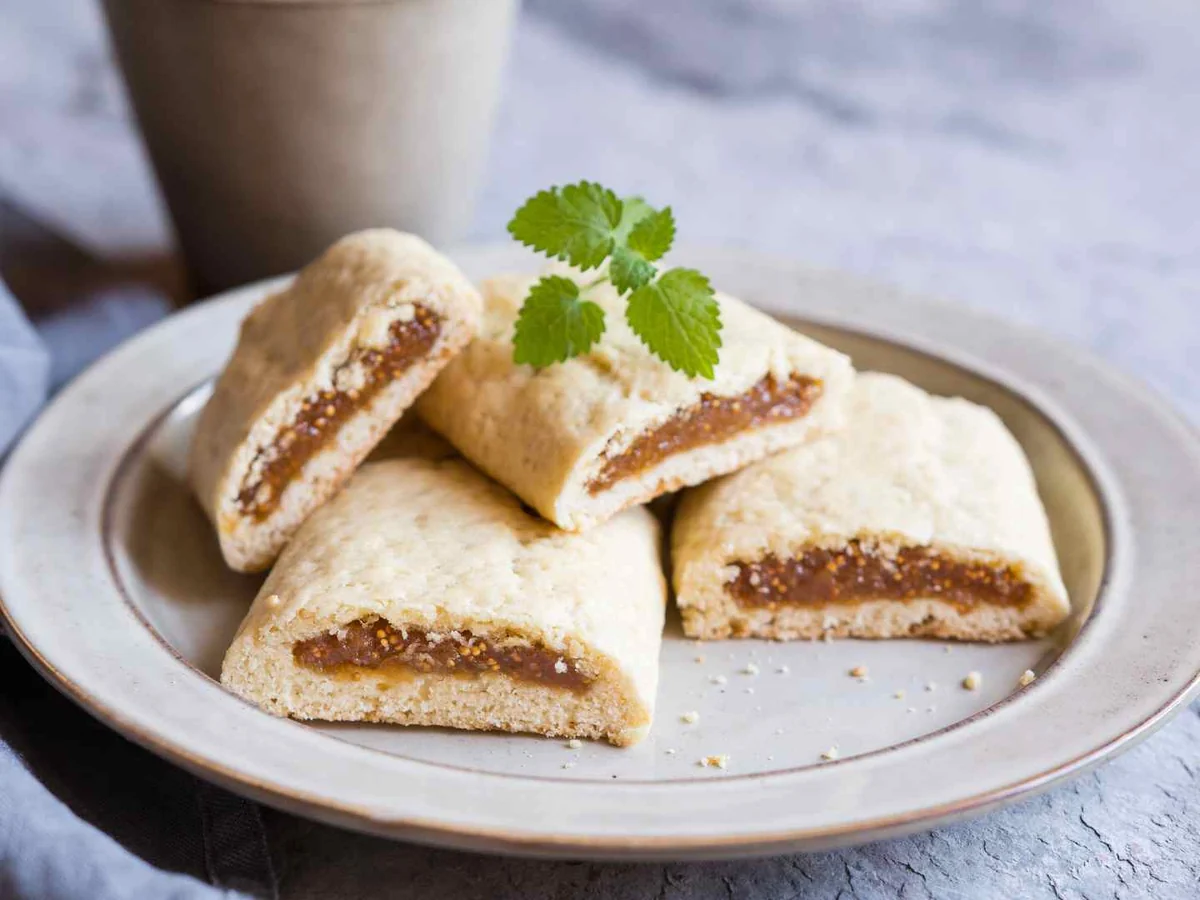
A cookie is not a fruit serving
Fruit filling is processed with other ingredients to create sweetness, moisture, texture, and shelf stability. The fruit on the front of the package does not erase added sugar, flour, oils, sodium, flavoring, and preservatives on the back.
The FDA explains how foods formulated for pets qualify as complete and balanced. A human cookie has no feline nutritional-adequacy claim and should never replace a meal or kitten food.
A fruit-filled cake is still a bread product with extra sugar and texture. The cat bread guide provides useful context for baked crumbs, raw dough, mold, and packaging while this page keeps its attention on the finished cookie.
Sugar is unnecessary without becoming a made-up toxin
Cats have no dietary requirement for added sugar, and repeated cookie sharing can add calories that are easy to overlook. Obesity and diabetes make the habit especially unhelpful.
Do not call an ordinary cookie crumb sugar poisoning. The accurate concerns are dose, digestive response, calorie displacement, underlying disease, and whatever else the product contains.
Honey, corn syrup, invert sugar, fruit concentrate, or other sweeteners may appear depending on the recipe. The feline honey guide explains why natural-sounding sugar is still an optional calorie rather than a wellness ingredient.
Never use a cookie as emergency glucose treatment for a diabetic cat unless the treating veterinarian has given that precise instruction. Filling, fat, timing, insulin, symptoms, and measured glucose all affect an appropriate response.
The filling is sticky enough to change swallowing
Fig paste compresses into a dense tacky center that can adhere to teeth or the roof of the mouth. A whole cookie or several bars can form an awkward mouthful for a cat who bolts stolen food.
Gagging, repeated swallowing, drooling, mouth-pawing, regurgitation, or coughing after a large bite needs prompt advice. Go to emergency care if airflow is impaired, gum color becomes abnormal, or the cat collapses.
Do not pour water into the mouth to wash down a suspected obstruction and do not perform a blind finger sweep. A conscious distressed cat may bite, and manipulation can move material farther back.
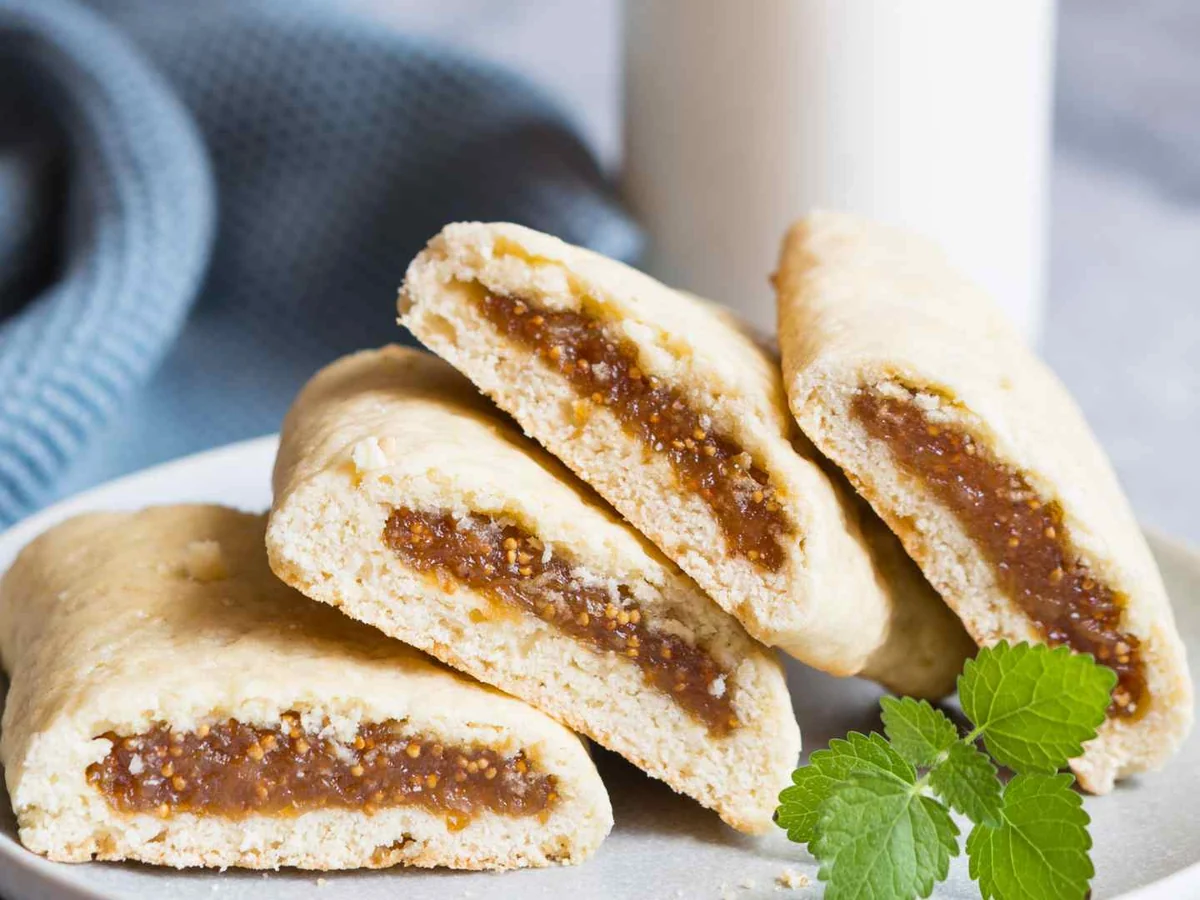
Sugar-free and special-diet bars require exact identification
A sugar-free or low-carb fruit bar may use sugar alcohols, high-intensity sweeteners, fiber concentrates, nuts, or protein ingredients. Marketing terms cannot substitute for the current ingredient panel.
Xylitol causes severe hypoglycemia and liver injury in dogs, but those established canine dose thresholds should not be relabeled for cats. The FDA xylitol warning is explicitly focused on dogs, while comparable feline sensitivity is not established.
Call with the product label after a cat eats an uncertain sugar-free bar. Do not give honey or syrup preemptively because a dog article mentions low blood glucose.
Flavor variations introduce new branches
| Product detail | Possible addition | Why to care |
|---|---|---|
| Chocolate drizzle or cocoa bar | Theobromine and caffeine | Heart and neurologic effects can require urgent care. |
| Apple-cinnamon filling | Cinnamon flavor, fruit pieces, sugar | Concentrated oil differs from ordinary trace flavor. |
| Berry bar | Mixed fruits, seeds, color, sweetener | Identify the fruit rather than assuming fig. |
| Nut or protein bar | Almonds, peanut butter, powders | Fat, choking texture, allergens, and additives vary. |
| Homemade version | Raw dough, alcohol, unknown sweetener | Recipe and baking status become essential. |
| Cannabis edible | THC and often chocolate | Treat as an urgent toxicology call. |
Chocolate can cause vomiting, agitation, rapid heart rate, tremors, seizures, or collapse. The cat chocolate guide helps organize cocoa type and amount, but the clinic still needs the complete bar recipe.
Cinnamon powder in a baked trace is different from direct essential-oil exposure. The feline cinnamon guide covers dust, mouth contact, oils, and respiratory irritation.
Raw homemade dough is not finished cookie
Homemade fruit-bar dough may contain raw flour and egg, while some recipes include yeast, alcohol, nuts, or sugar substitutes. Licking the mixing bowl should be assessed from the recipe before baking changes texture and microbes.
The CDC advises against eating raw dough or batter because flour and eggs can carry harmful germs. Clean spills, utensils, and paws before a cat spreads residue through grooming.
If active yeast dough was swallowed, call promptly because it can expand and produce alcohol in the gastrointestinal tract. Do not wait for a visibly swollen abdomen.
Wrappers are not a footnote
Individual plastic sleeves smell like the cookie and may be swallowed along with crumbs. Box liners, tear strips, foil, wax paper, freshness packets, and cardboard can also disappear during an unsupervised pantry visit.
Repeated vomiting, appetite loss, abdominal pain, low energy, reduced stool, or straining after package material is missing requires veterinary assessment. Leave any visible plastic strip in place because pulling can injure tissue when the hidden end is anchored.
Count wrappers against the number of cookies rather than assuming every empty sleeve went into the trash. Bring an identical wrapper to the clinic when possible.
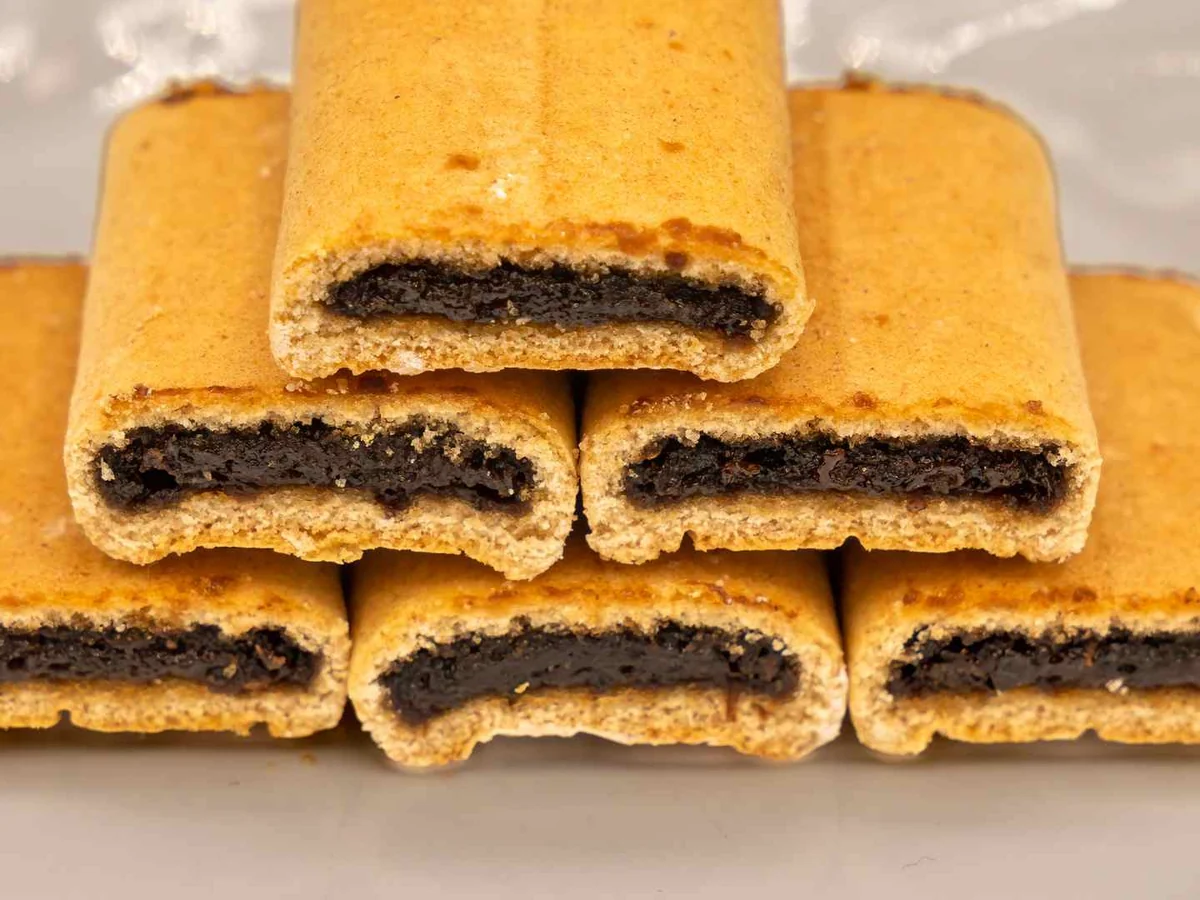
Stale, moldy, or pest-contaminated cookies
A soft fruit cookie can absorb moisture after packaging is damaged. Mold, fermented odor, insects, rodent contamination, or rancid fat means the product belongs in a secured bin, not a pet bowl.
Do not cut away a suspicious patch. If a cat ate moldy food and develops vomiting, incoordination, tremors, rapid breathing, collapse, or seizures, seek emergency care.
The Merck Veterinary Manual describes tremorgenic fungal syndromes in animals after moldy food. Save the package and remaining product without allowing further access.
Cats who should skip the experiment
Kittens need nutrient-dense growth food and have small airways. Cats with diabetes, obesity, chronic digestive disease, swallowing trouble, dental pain, food allergies, or a prescription diet gain nothing from a cookie sample.
An elimination diet is only useful when unapproved foods stay out. A fruit bar can contain wheat, dairy, egg, nuts, and flavorings that erase the controlled history.
After the cookie jar raid
- Save the evidence: keep the box, individual film, ingredients, lot, date, flavor, and remaining cookies.
- Estimate honestly: distinguish one crumb from a whole bar, several bars, raw dough, or hours of pantry access.
- Find other hazards: count wrappers, packets, clips, chocolate, medication, cannabis, coffee, and sweetener sachets.
- Call promptly: seek advice for unusual sweeteners, risky flavors, mold, a substantial amount, packaging loss, or symptoms.
- Use emergency care: airway trouble, collapse, seizures, tremors, repeated retching, or severe abdominal pain cannot wait.
A symptom-free healthy cat that ate one ordinary crumb may only need observation. Put the package away and use part of the measured feline meal for the next attention-seeking performance.
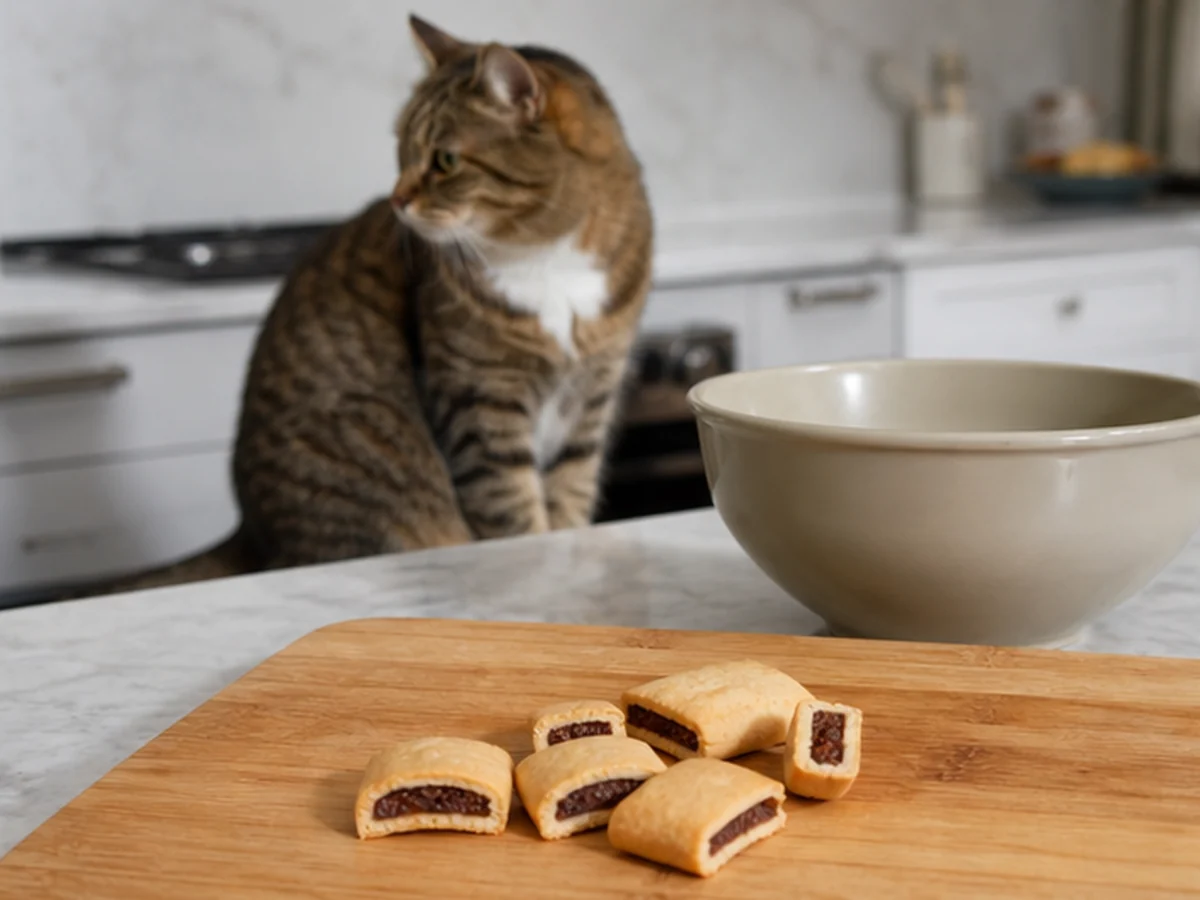
Keeping bakery snacks boring to the cat
Store soft cookies in a closed cupboard or rigid container instead of a bowl on the counter. Their fruit aroma and crinkly sleeves can reward climbing even when nobody deliberately shares.
During lunch packing, put used wrappers directly into a lidded bin and wipe sticky filling from tables and bags. In a multi-cat home, identify the actual snack thief before attributing symptoms or amounts equally to everyone.
If one cat repeatedly seeks plastic and paper rather than food residue alone, discuss pica with the veterinarian. Securing wrappers prevents emergencies while medical, nutritional, and behavioral contributors are evaluated.
Frequently asked questions
Are Fig Newtons poisonous to cats?
Ordinary Fig Newtons are not recognized as a feline poison, and one crumb is usually low risk. They remain sugary, calorie-dense cookies with sticky filling and no reason to become a routine treat.
What if my cat ate a whole Fig Newton?
Save the wrapper, check the exact flavor and sweeteners, and call if the cat is small, medically fragile, symptomatic, or package film is missing. Monitor swallowing, vomiting, appetite, comfort, and stool as directed.
Can cats eat strawberry Newtons?
One tiny crumb may be low risk, but strawberry-filled cookies remain sweetened human snacks. Check the current recipe and do not assume every fruit flavor has the same ingredients.
Should I make my cat vomit after swallowing a wrapper?
No home vomiting method should be used unless a veterinarian explicitly directs it. Film shape, amount, time, and symptoms determine whether observation, imaging, or removal is appropriate.
Bottom line
A Fig Newton crumb is generally a modest dietary mistake, not an invented fruit-cookie poisoning. Respect the dense filling, read special flavors and sweeteners carefully, count every wrapper, and keep the feline snack budget for something formulated for cats.