Can Dogs Eat Yams? True Yams, Sweet Potatoes, and Safe Prep
A small amount of fully cooked, plain, peeled yam or sweet potato may be tolerated by many healthy dogs, but first identify what the label means. True yams and orange sweet potatoes are different plants, and hard raw pieces, rough skin, syrup, butter, spices, large portions, and unidentified wild tubers change the answer.
First, solve the yam naming problem
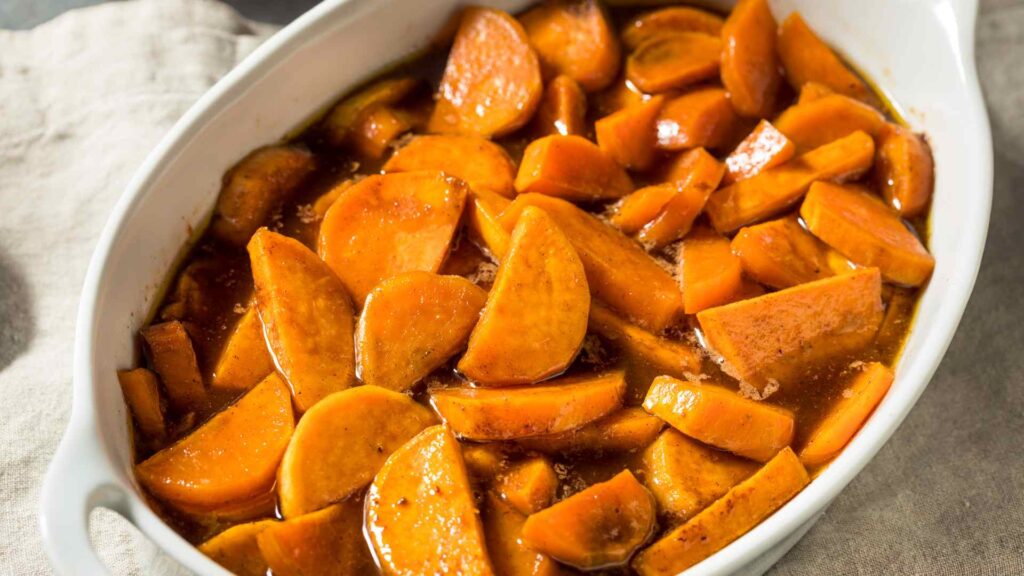
In many United States stores, the orange vegetable labeled yam is actually a sweet potato. A true yam belongs to the genus Dioscorea and usually has rough, bark-like skin and dense starchy flesh.
Mississippi State University Extension’s yam and sweet potato guide explains that sweet potatoes are Ipomoea batatas, while true yams are Dioscorea species. Canned products called yams commonly list sweet potato as the ingredient.
That label check matters because cooking methods and plant chemistry vary among species. Do not transfer advice about a supermarket sweet potato to an unidentified wild vine or imported tuber.
A yam is also not a winter squash, despite the similar role these foods can play on a dinner plate. The butternut squash guide has separate preparation rules for rind, stem, seeds, and flesh.
Photograph the package, produce sticker, whole tuber, cut surface, and any attached plant material when identity is uncertain. A common name alone is not reliable botanical identification.
The practical serving rule
Use a known food-market tuber, wash it, peel away tough skin, cook the flesh until soft, cool it, and cut or mash a tiny amount. Keep the serving completely plain.
Boiling, steaming, or baking without oil works better than frying or candying. Do not add salt, butter, cream, marshmallows, syrup, sugar, nutmeg, garlic, onion, or seasoning blends.
A fork-tender texture reduces the physical risk from dense chunks but does not create medical food. The dog still needs a complete diet formulated for its life stage.
The FDA produce guidance recommends rinsing produce under running water and preventing cross-contamination from raw animal foods. Do not wash tubers with soap or bleach.
Why raw chunks and skin are poor choices
Raw yam and sweet potato can be very hard and fibrous. Large cubes, thick rounds, or a stolen whole tuber can cause choking, dental injury, vomiting, or obstruction.
True-yam species are not interchangeable, and some require proper processing and thorough cooking before human use. Do not let a dog sample raw imported yam while you try to identify it afterward.
The rough skin of a true yam and the tougher outer layer of a sweet potato add fiber without a useful benefit. Peeling makes portioning and chewing more predictable.
Merck’s gastrointestinal obstruction guide lists vomiting, appetite loss, abdominal pain, lethargy, and shock among possible foreign-body signs. Object size, location, and time affect treatment.
Do not try to push a hard piece through with bread, oil, fiber, or more food. Repeated retching, a swollen painful abdomen, inability to swallow, or breathing difficulty is urgent.
True yams are not wild-plant permission
The genus Dioscorea contains many species, and common names such as yam, air potato, wild yam, and Chinese yam can be applied inconsistently. Some wild or ornamental plants are not food crops.
Never feed a root dug from a yard, trail, roadside, vacant lot, or ornamental planting based on resemblance. Pesticides, herbicides, soil contaminants, plant lookalikes, and the wrong species all complicate the exposure.
If a dog eats an unknown tuber, contact a veterinarian or animal poison service with clear photographs and the location. Do not taste it yourself or wait for an online image match to become certain.
Canned yams usually mean sweet potatoes
Read the first ingredient to determine whether a can contains sweet potato or true yam. Then check water, syrup, sugar, salt, spices, preservatives, and serving calories.
FDA labeling guidance for sweet potatoes packed in syrup confirms that sweetening ingredients should appear on the label. Syrup is unnecessary for dogs even when the vegetable underneath is familiar.
One rinsed plain piece from a water-packed can is a different exposure from half a can in heavy syrup. Rinsing may remove surface liquid but does not reverse all added sugar or turn dessert into a balanced dog food.
Discard bulging, leaking, badly dented, spurting, or foul-smelling cans without tasting. Home-canned root vegetables require a tested pressure-canning process and should not be improvised for a dog.
Candied yams and holiday casseroles
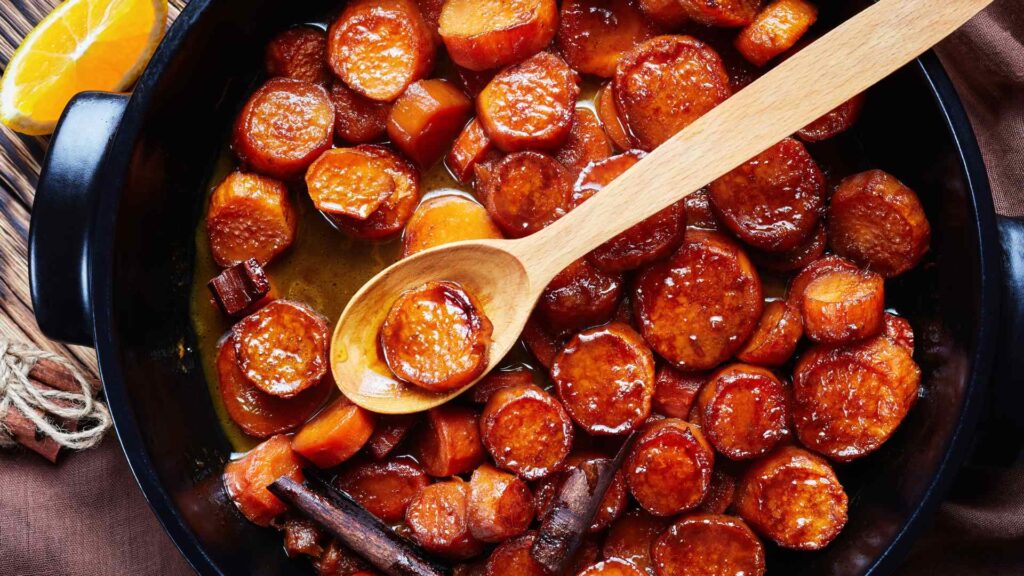
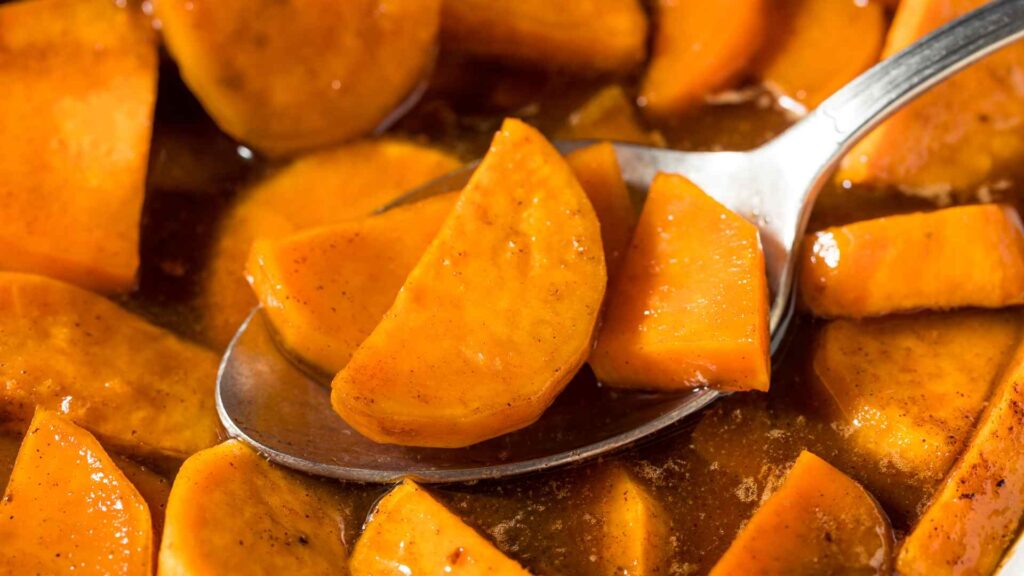
Candied yams are usually sweet potatoes combined with brown sugar, syrup, butter, and sometimes marshmallows. These ingredients add calories and fat while offering no canine benefit.
The brown sugar guide explains why a tiny spill differs from baked goods, raw dough, and dangerous sugar-free confusion. Sugar is not an energy treatment for a dog that seems weak.
Casseroles may include nutmeg, raisins, pecans, walnuts, macadamia nuts, alcohol, vanilla extract, orange peel, salt, and sugar-free sweeteners. Ask for the recipe instead of assuming every orange scoop is identical.
Nutmeg can cause neurologic signs after a meaningful amount, while raisins and macadamias demand separate toxicology attention. Xylitol in a sugar-free syrup or marshmallow is an emergency.
Sweet potato fries add oil and salt, plus ketchup or seasoning. The French fries guide covers fat, sodium, Alliums, dropped pieces, and packaging.
Sugar, fiber, and calories
Cooked yam flesh is starchy and can add substantial calories when portions grow. Its fiber can also cause gas, loose stool, abdominal noise, or vomiting after a large serving.
Do not use yam as treatment for constipation, diarrhea, dehydration, weight loss, diabetes, low energy, vitamin deficiency, immunity, or inflammation. Those claims skip diagnosis and ignore the complete diet.
The WSAVA treat guide recommends keeping all extras below 10 percent of daily calories. A dense spoonful can consume much of a small dog’s allowance.
There is no universal yam serving chart because true yams, sweet potatoes, recipes, calorie needs, and health conditions differ. For a first taste, a tiny soft piece is enough.
Dogs who need personalized advice
Dogs with diabetes, obesity, pancreatitis, kidney disease, intestinal disease, swallowing problems, or prescription diets need individual guidance. Plain food can still alter calories, fiber, carbohydrate intake, or a controlled diet trial.
Puppies need balanced growth nutrition and should not fill up on starch. Seniors with dental disease may struggle with skin or firm pieces even after partial cooking.
Dogs on elimination diets should receive only veterinarian-approved ingredients. Sweet potato may already be part of a therapeutic food, but adding an uncontrolled yam product can still compromise the plan.
Storage and leftovers
Refrigerate cooked tubers promptly in shallow covered containers and keep them separate from raw meat juices. Discard pieces left out too long, especially when mixed with butter, cream, or meat.
Mold, slime, fermentation, sour odor, or repeated warming and cooling are reasons to discard the food. Reheating does not reliably undo every toxin or storage mistake.
Keep raw and cooked tubers away from compost access. A compost raid can combine spoiled food with corn cobs, bones, coffee grounds, mold, fruit pits, and plastic, making the exposure far broader than yam.
Do not save scraps specifically for a dog if they include peelings or unknown varieties. Kitchen waste belongs in a secured container, while any deliberate treat should come from the identified cooked portion.
Cool a dog’s portion before serving because mashed interiors can retain heat. Remove foil, plastic wrap, skewers, casserole shards, and produce bands from reach.
What to do after a yam raid
- Identify sweet potato, true yam, unknown tuber, canned product, casserole, fried food, or wild plant.
- Save the label or recipe and note syrup, sugar, butter, salt, nutmeg, raisins, nuts, xylitol, onion, garlic, and alcohol.
- Estimate the amount, time, dog weight, symptoms, medical conditions, medications, and regular diet.
- Account for raw chunks, skin, foil, cans, lids, glass, skewers, plastic wrap, and plant material.
- Call promptly for unknown plants, hard swallowed pieces, dangerous add-ins, large amounts, significant symptoms, or missing packaging.
A healthy adult dog that ate one tiny piece of fully cooked plain identified flesh and remains comfortable can usually be monitored. Keep normal water available and return to the complete diet.
Do not induce vomiting or give salt, oil, charcoal, laxatives, antacids, or human medicine unless directed. A hard object, unknown plant, or toxic co-ingredient requires case-specific advice.
Go urgently for choking, breathing trouble, collapse, seizures, severe weakness, repeated unproductive retching, a swollen abdomen, or inability to keep water down. Bring labels, photos, and remaining material.
Frequently asked questions
Are canned yams actually yams?
Often they are sweet potatoes, but read the ingredient list. The label also reveals syrup, sugar, salt, spices, and other ingredients that affect the answer.
Can dogs eat yam skin?
Skip the skin. It is tough and fibrous, and peeling makes a small soft serving easier to chew and identify.
Can dogs eat raw yams?
Do not offer raw true yam or hard raw sweet potato. Species identity, required processing, choking, teeth, and digestive tolerance all favor thorough plain cooking.
Are yams good for a dog’s digestion?
They are not digestive treatment. A small amount may be tolerated, while a larger amount can cause gas, loose stool, or vomiting.
The bottom line
A tiny amount of thoroughly cooked, peeled, plain flesh from an identified food-market yam or sweet potato may be acceptable for many healthy dogs. The common name on the front is not enough.
Avoid raw hard chunks, skin, unknown wild plants, syrup, rich holiday recipes, spices, and oversized servings. Treat obstruction signs, unknown tubers, dangerous co-ingredients, and significant symptoms promptly.