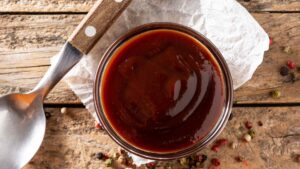
Can Dogs Eat Grape Jelly? Labels, Vitis Risk, and Xylitol
Do not intentionally feed grape jelly to a dog, and call a veterinarian or animal poison service promptly after an exposure so the exact product can be assessed. Processed grape jelly has not been associated with the same kidney toxicosis as whole grapes and raisins, but labels vary, fruit solids or mixed Vitis ingredients may appear, and sugar-free xylitol can create a separate emergency.
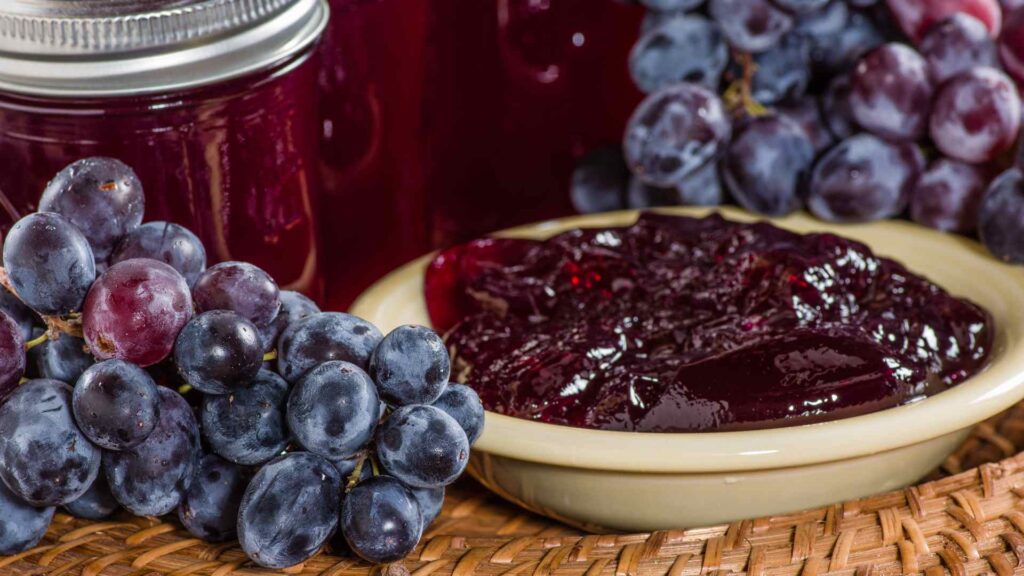
Why the answer needs both urgency and accuracy
Whole grapes, raisins, sultanas, and Zante currants can cause acute kidney injury in dogs. Sensitivity and tartaric acid content vary, so there is no dependable safe number of whole fruits for an individual dog.
Cornell’s grape and raisin guide says juice and jelly have not been associated with toxicosis, likely because processing reduces tartaric acid. It still advises immediate contact after actual grape or raisin ingestion.
That distinction prevents an unsupported claim that every jelly lick equals a raisin emergency. Prompt label-based advice remains sensible because homemade preserves, fruit pieces, mixed jams, concentrates, and mislabeled exposures are not interchangeable.
Do not use a website serving table to clear a grape-labeled product. Give a professional the exact brand, ingredients, amount, dog weight, time, symptoms, and whether whole fruit or raisins were present.
Read every word on the label
Products may be called jelly, jam, preserves, spread, fruit butter, syrup, filling, reduced-sugar spread, or mixed-fruit conserve. Those names describe different fruit solids, sweeteners, textures, and recipes.
Grape juice concentrate in commercial jelly is not the same exposure as several raisins suspended in homemade preserves. Save the jar and photograph ingredients, nutrition facts, and front label.
Do not rely on purple color because blueberry, blackberry, blackcurrant, elderberry, artificial flavor, and grape blends can look alike. Likewise, pale jelly can still contain white-grape juice concentrate.
FDA guidance on food labels helps identify serving size, added sugar, and ingredients. A dog may consume many human servings from an open jar.
Whole grapes or raisins change the triage
If the product contains whole grapes, raisins, sultanas, Zante currants, or recognizable Vitis fruit pieces, call immediately and do not wait for symptoms. Organic, seedless, peeled, red, green, and cooked fruit do not establish safety.
Merck’s Vitis toxicosis review describes vomiting or diarrhea within hours, followed by lethargy, appetite loss, dehydration, abdominal pain, and potentially oliguric or anuric kidney failure.
A dog may look normal during an early treatment window. Do not wait for increased thirst, changed urination, weakness, tremors, or inability to urinate.
Use the site’s green grape guide or raisin guide for whole-fruit triage. Do not induce vomiting at home unless a veterinarian specifically directs it.
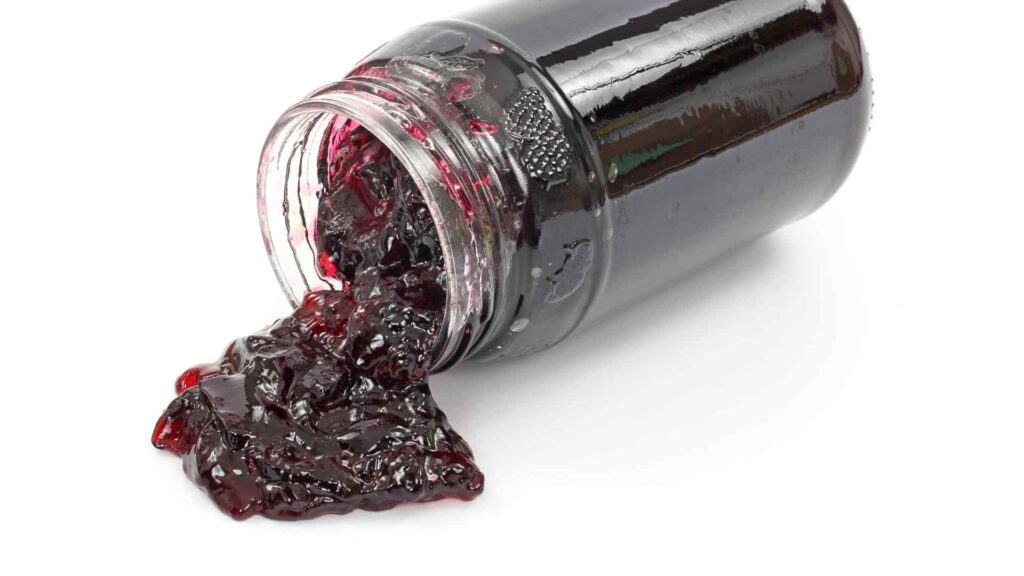
Currants require botanical precision
Zante currants are small dried grapes in the genus Vitis and share the grape-toxicity concern. True black, red, or white currants belong to the genus Ribes.
Merck reports that true Ribes currants have not been associated with the same renal injury. Common names and mixed-jam labels can still be confusing, so save the package rather than guessing from the word currant.
A product labeled blackcurrant may also use grape juice as a sweetener or base. Read all fruit and concentrate ingredients, not just the flavor name.
Sugar-free jelly can be a separate emergency
Reduced-sugar and sugar-free spreads may use different sweeteners, and not all contain xylitol. Check immediately for xylitol, birch sugar, or wood sugar.
The FDA’s xylitol warning advises immediate contact after exposure because dogs can develop rapid hypoglycemia. Liver injury can also occur.
Do not wait for weakness, vomiting, poor coordination, tremors, seizures, or collapse. Bring the label, amount, dog weight, and time.
Other sweeteners are not automatically as dangerous as xylitol, though some can cause digestive upset. Professional assessment should use the actual chemical name.
Sugar and sticky texture
Ordinary jelly contains concentrated sugar and calories. A small lick may cause no sign, while a large amount can lead to vomiting, diarrhea, gas, abdominal discomfort, or calorie overload.
Jelly is not a treatment for low blood sugar, poor appetite, constipation, dehydration, or weakness. A symptomatic dog needs diagnosis, and adding sugar can complicate diabetes or gastrointestinal disease.
The WSAVA treat guide recommends keeping extras below 10 percent of daily calories. Jelly can consume that allowance with almost no volume.
Sticky jelly can glue bread, wrappers, or multiple food pieces into a mouthful. Small dogs, puppies, flat-faced dogs, and dogs with swallowing problems deserve closer attention.
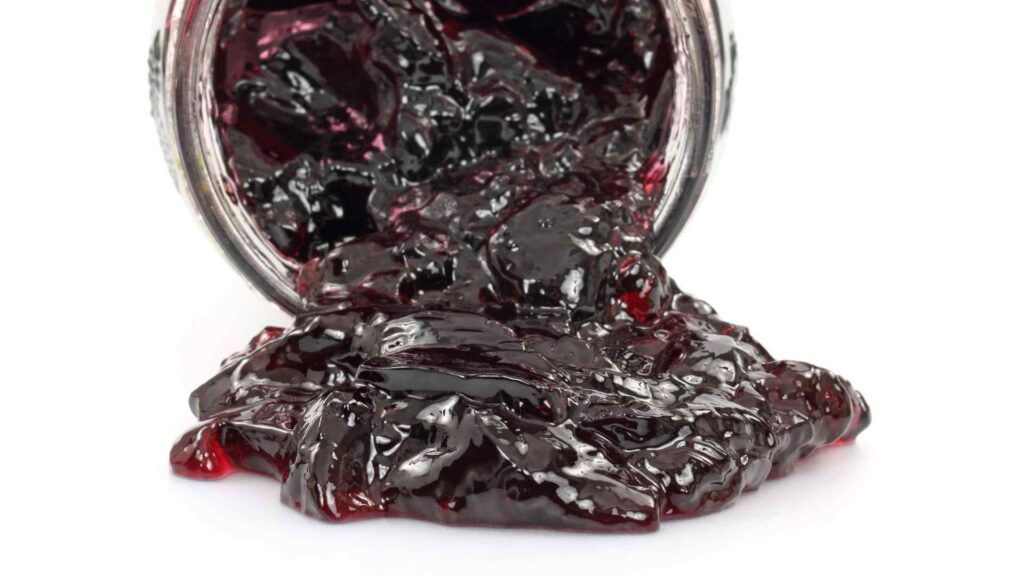
Peanut butter and jelly means two labels
A sandwich adds bread and peanut butter, either of which can have its own ingredients. Sugar-free peanut butter introduces another possible xylitol source, while thick bread can add choking risk.
The peanut guide covers plain peanuts, coatings, salt, fat, mold, and mixed snacks. It does not clear a peanut-butter label or the grape product beside it.
Bakery pastries, thumbprint cookies, doughnuts, and jelly-filled candy may add chocolate, alcohol, raisins, macadamias, raw dough, fat, or sugar-free sweetener. Evaluate the complete recipe.
Jars, lids, and foil seals
Glass jars can break, and metal lids, plastic caps, foil seals, squeeze bottles, packets, and knives may disappear during a raid. Search safely without reaching into a dog’s mouth around broken glass.
Merck’s obstruction guide lists vomiting, appetite loss, abdominal pain, lethargy, and shock among possible signs. Sharp objects can also perforate tissue.
Oral bleeding, coughing, retching, repeated vomiting, abdominal pain, swelling, refusal to eat, or inability to keep water down needs prompt veterinary care. Do not wait to find a lid in the stool.
Homemade jelly and storage
Homemade jelly may use grape varieties, fruit solids, raisins, wine, liqueur, sugar substitutes, and untested canning methods. Ask for the full recipe and preservation process.
Discard jars that are bulging, leaking, spurting, badly damaged, moldy, fermented, or improperly sealed. Do not taste suspicious preserves or feed them to a dog.
Refrigerate opened products according to their labels and use clean utensils. A contaminated jar should not be rescued by scraping the surface.
What to do after grape jelly is eaten
- Remove access and identify commercial jelly, homemade preserves, mixed jam, whole fruit, raisins, pastry, or sandwich.
- Photograph the label and flag whole grapes, raisins, sultanas, Zante currants, fruit pieces, concentrates, xylitol, alcohol, chocolate, and nuts.
- Estimate amount, time, dog weight, symptoms, conditions, medications, and normal diet.
- Account for glass, lids, foil seals, caps, packets, squeeze bottles, knives, wrappers, and other foods.
- Call promptly for any grape-labeled product so the label can be assessed, and immediately for whole Vitis fruit, raisins, xylitol, severe signs, or sharp missing objects.
Do not induce vomiting, give hydrogen peroxide, salt, oil, charcoal, food, or extra fluid unless a veterinarian or poison specialist directs it. Home emesis can cause aspiration, injury, or delay.
If the professional determines the exposure was a small amount of conventional processed jelly without whole Vitis material or xylitol, monitoring may be reasonable. Follow that case-specific advice rather than a generic internet dose.
Why waiting for kidney signs is unsafe after whole fruit
Vomiting can appear before kidney values rise, and an initially normal dog may still need decontamination or serial testing after actual grape or raisin ingestion. Early normal behavior is not a home clearance test.
A veterinarian may recommend bloodwork, urinalysis, fluid therapy, urine-output monitoring, and repeat values based on the exposure. Follow the clinic’s timing rather than stopping after one early normal result.
Reduced urination or inability to urinate is a late and grave sign, not something to watch for before calling. Increased thirst, appetite loss, lethargy, abdominal pain, and weakness also deserve immediate updates to the clinic.
Mixed jams and bakery fillings
Grape jelly can be blended with strawberry, raspberry, blackberry, blueberry, pectin, apple juice, or other concentrates. These additions do not reveal whether whole Vitis material or xylitol is present.
Jelly doughnuts and pastries may include fatty dough, chocolate icing, raisins, macadamias, alcohol, raw batter, or sugar-free filling. The wrapper or bakery recipe is more useful than the filling color.
Wine jelly and champagne jelly can retain variable alcohol depending on the recipe and cooking. Wobbliness, unusual sleepiness, weakness, vomiting, low body temperature, tremors, or breathing changes warrants urgent care.
Preventing repeat exposure
Store jelly above counter height in a closed cabinet or refrigerator, wipe sticky jar rims, and close the trash. Dogs may chew an almost-empty jar for residue and swallow the lid at the same time.
Teach children and guests that whole grapes and raisins are never dog treats. Secure lunch boxes, peanut-butter sandwiches, trail mix, baked goods, and dropped fruit during meals.
Compost can contain grape stems, raisins, mold, corn cobs, bones, coffee grounds, and packaging. A compost raid should be reported as a mixed exposure rather than a jelly incident.
Frequently asked questions
Does grape jelly cause the same kidney injury as grapes?
Processed jelly has not been associated with toxicosis in Cornell’s review, likely because processing reduces tartaric acid. Labels vary, so prompt product-specific advice remains appropriate.
Is there a safe amount of grapes or raisins?
No dependable safe whole-fruit amount applies to every dog because fruit chemistry and sensitivity vary. Call immediately after any actual grape or raisin ingestion.
Are blackcurrants the same as raisins?
True Ribes currants are botanically different, while Zante currants are dried Vitis grapes. Check the species and every ingredient in a mixed product.
The bottom line
Do not intentionally feed grape jelly. Call promptly with the actual label, because processed conventional jelly, homemade preserves, whole fruit, raisins, mixed jam, and sugar-free products are not equivalent exposures.
Treat whole grapes, raisins, sultanas, Zante currants, and xylitol urgently, with no DIY vomiting. Keep the nuanced evidence clear: processed jelly has not been associated with the same toxicosis, but guessing at a label is unnecessary.