Can Dogs Eat BBQ Sauce? Ingredients and Next Steps
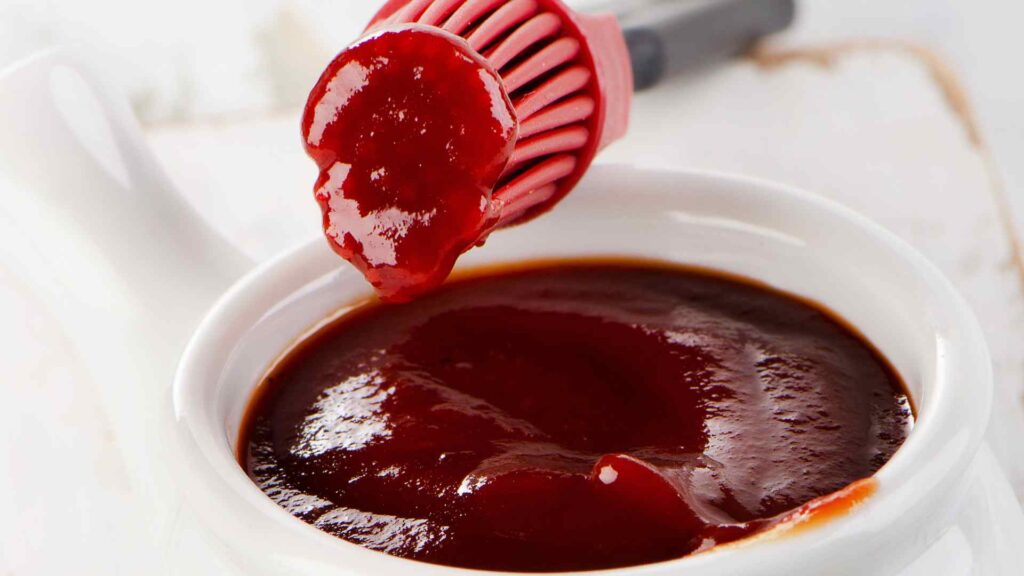
Most barbecue sauce is not a sensible food for dogs, but one small lick of a known recipe is not automatically an emergency. Onion, garlic, xylitol, salt, sugar, hot spice, alcohol, fat, smoke products, bones, skewers, foil, and quantity determine what happens next.

Start with the bottle
Barbecue sauce can be tomato-based, mustard-based, vinegar-forward, sweet, smoky, spicy, sugar-free, alcoholic, or homemade. Similar color does not mean similar ingredients, and recipes change across brands and varieties.
Save the bottle, restaurant listing, or recipe and estimate the amount and time. Record the dog’s weight, conditions, medicines, symptoms, and any missing cap, seal, foil, bone, skewer, string, brush, or container.
A lick versus a bottle raid
A healthy dog that licked one dot of a conventional sauce and remains comfortable can often be observed after the label is checked. Remove the plate, provide normal fresh water, and keep the regular meal routine.
A dog that emptied a bottle, drank pan drippings, or ate heavily sauced meat needs prompt product-specific advice. Large exposure multiplies every ingredient and can add fat, bones, and packaging.
Onion and garlic
Onion and garlic can damage canine red blood cells, and cooking does not remove the risk. Powders are concentrated and common in dry rubs, bottled sauces, marinades, bouillon, and seasoning packets.
The Merck Veterinary Manual explains Allium toxicosis, including delayed anemia. Weakness, pale gums, fast breathing, dark urine, yellow tissues, or collapse requires urgent care.
Do not dismiss meaningful exposure because the dog looks normal tonight. Save the label and follow the clinic’s longer monitoring instructions when concentrated onion or garlic is involved.

Xylitol and sugar-free sauce
Most barbecue sauce uses ordinary sugar, molasses, honey, or corn syrup rather than xylitol, but specialty sugar-free and low-carb products vary. Read every sweetener instead of guessing from front-label claims.
The FDA advises immediate veterinary contact after possible xylitol ingestion. Xylitol may also appear as birch sugar or wood sugar, and symptoms can begin quickly.
Our sugar guide separates ordinary sugar from xylitol. Do not wait for weakness, staggering, collapse, or seizures after a confirmed or uncertain xylitol exposure.
Sugar is not the same emergency
Ordinary sugar does not cause the xylitol insulin crisis, but it adds calories and can contribute to vomiting or diarrhea after a large raid. Sweet sauce is especially unsuitable for dogs with diabetes or carefully controlled weight plans.
Do not give insulin, honey, or another sugar source unless the dog’s veterinary team directs it. A diabetic dog that stole sauce needs a plan based on the product, amount, food intake, glucose management, and symptoms.
Salt and concentrated sauces
Barbecue sauce, rub, bouillon, Worcestershire-style sauce, soy sauce, cured meat, and pan drippings can add substantial sodium. Check sodium per serving and calculate how many servings are missing.
The FDA explains how to use sodium on the Nutrition Facts label. A lick differs from a bottle or concentrated seasoning theft.
Keep normal water available but do not force large volumes. Marked thirst, vomiting, wobbliness, tremors, unusual behavior, or seizures after a salty exposure is urgent.
Hot sauce, pepper, and capsaicin
Spicy barbecue sauces may contain cayenne, chili extract, hot peppers, or concentrated capsaicin. These can irritate the mouth, eyes, skin, stomach, and intestines rather than creating a nutritional concern.
Drooling, pawing at the mouth, vomiting, diarrhea, coughing, or obvious pain may follow a large or concentrated exposure. Do not neutralize spice with oil, salt, or forced milk.
Our paprika guide separates tiny culinary seasoning from hot or concentrated powder. Eye exposure or breathing trouble requires prompt help.
Alcohol in sauces and glazes
Bourbon, beer, wine, rum, and liqueur can appear in barbecue sauce or glaze, and cooking does not guarantee that every recipe retains the same amount. Uncooked finishing sauce deserves extra attention.
The Merck Veterinary Manual describes alcohol toxicosis, including vomiting, wobbliness, lethargy, low body temperature, breathing changes, tremors, coma, or seizures.
Do not try to sober a dog with food, coffee, exercise, or a cold shower. Call promptly after a meaningful or unknown alcoholic-sauce exposure.
Smoke flavor and grilling products
Food-grade smoke flavor in a bottled sauce is not the same as lighter fluid, charcoal starter, wood preservative, grill cleaner, ash, or smoke inhalation. Identify the exact product instead of grouping everything as smoky.
A dog that licked lighter fluid or grill cleaner needs chemical-exposure advice. Coughing, breathing difficulty, weakness, vomiting, burns, or eye contact warrants urgent care.
Fat and pan drippings
Sauce on lean meat differs from a bowl of grease, butter, bacon fat, ribs, sausage, or fatty brisket drippings. Large high-fat thefts can cause gastrointestinal illness and are particularly concerning for dogs with pancreatitis.
Repeated vomiting, appetite loss, weakness, dehydration, abdominal pain, or a hunched posture needs assessment. Do not offer another rich food to tempt a nauseated dog.
Bones, skewers, and foil
Barbecue meals often include rib, chicken, or pork bones, corn cobs, wooden skewers, toothpicks, butcher string, foil, parchment, brushes, and plastic wrap. These physical hazards may matter more than sauce.
Our pork chop guide explains bone and grill risks. Do not induce vomiting after sharp hardware, bones, glass, or metal unless a veterinarian specifically directs it.
Restaurant and homemade recipes
A restaurant may use a premade base plus house seasoning, while homemade sauce may contain concentrated powders or an alcoholic finish. Ask for ingredients when possible, but do not delay an urgent call waiting for the kitchen.
Photograph the menu item and save the receipt or recipe. Report the whole plate, including meat, bones, buns, cheese, onions, pickles, fries, and packaging.
Different barbecue styles
Carolina vinegar sauce, white mayonnaise-based sauce, mustard sauce, Korean barbecue, teriyaki-style glaze, and dry rubs require separate labels. One general yes-or-no answer cannot cover these formulas.
White sauce may add rich mayonnaise and dairy, while Asian-style sauces may add soy sauce, sesame oil, garlic, onion, chili, or sweeteners. Evaluate ingredients and amount, not regional name.
Special-risk dogs
Puppies, very small dogs, seniors, and dogs with heart, kidney, pancreatic, gastrointestinal, endocrine, or weight disease have less room for sauce ingredients. Therapeutic diets may be disrupted by a small topping.
Do not use barbecue sauce to encourage appetite in a sick dog. Flavor can mask declining intake and introduce sodium, fat, sugar, Alliums, or medication conflicts.
What to do after a sauce theft
- Remove access and separate pets so amounts and symptoms can be tracked.
- Save the complete bottle, recipe, menu listing, rub packet, and packaging.
- Estimate the amount, time, dog’s weight, conditions, medicines, and symptoms.
- Check for Alliums, xylitol, salt, hot spice, alcohol, fat, bones, skewers, foil, and chemicals.
- Call promptly for dangerous ingredients, large amounts, serious signs, or foreign material.
Do not induce vomiting or give milk, oil, bread, salt, charcoal, or another remedy without veterinary direction. Mixed grill exposures can make an otherwise familiar home method dangerous.
Monitoring a known tiny lick
Watch appetite, vomiting, stool, abdominal comfort, gums, breathing, urination, coordination, and energy. Some Allium effects are delayed, so follow any longer monitoring period the clinic provides.
Call again if symptoms develop or the amount estimate changes. A missing bone, skewer, foil sheet, or larger serving can completely change the plan.
Ketchup, mustard, and vinegar bases
Some sauces begin with ketchup, mustard, tomato paste, or vinegar, then add a long seasoning list. The base ingredient does not cancel sugar, sodium, Alliums, hot pepper, alcohol, or sweetener concerns.
Our ketchup guide explains why one condiment label cannot stand in for another. Keep both the sauce and any added glaze packet.
Pulled meat and shredded bones
Pulled pork, shredded chicken, and chopped ribs can hide small bone fragments under sauce. Search leftovers and trash carefully, but do not make the dog vomit after possible bone ingestion.
Coughing, repeated swallowing, drooling, mouth pain, breathing trouble, repeated vomiting, abdominal pain, or refusal of food needs prompt assessment. Sauce can make sharp fragments difficult to see.
Hot food and thermal burns
Fresh glaze, grill drippings, and saucepans can be hot enough to burn the mouth or skin. Drooling, oral pain, refusal to eat, or visible tissue injury warrants veterinary advice.
Do not apply ice directly, butter, oil, or human burn cream to oral tissue. Cool external skin only as the veterinary team directs.
Storage and spoiled sauce
Refrigerate opened sauce according to its label and discard a bulging bottle, broken seal, mold, unusual gas, or off odor. Do not feed questionable sauce or leftovers to avoid waste.
Vomiting, diarrhea, weakness, fever, tremors, or unusual behavior after spoiled food deserves advice. Save lot information when a commercial product may be involved.
Multiple dogs at a cookout
Separate pets and estimate access individually rather than dividing the missing food equally. One dog may have swallowed a skewer while another only licked a plate.
Count bones, sticks, foil sheets, meat portions, and bottles before cleanup. A range is useful for triage even when nobody saw the theft happen.
Bottom line
One tiny lick of a known conventional barbecue sauce may only require observation, but the sauce is not a dog treat. Alliums, xylitol, salt, sugar, capsaicin, alcohol, fat, grill chemicals, bones, skewers, foil, symptoms, and quantity determine when to call.