Can Cats Eat Peas? Fresh, Frozen, Canned, Pods, and Portions
Most healthy adult cats can eat a few plain, fully cooked peas as an occasional treat. Peas are not required in a feline diet, and whole frozen peas, tough pods, canned brine, butter, cream, onion, garlic, and large portions create more risk than the vegetable itself.
If your cat already ate peas
Check the form, recipe, and amount. A few plain peas usually need no action beyond returning to normal food, while seasoned peas, a missing can lid, or repeated vomiting deserves a closer look.
- Plain cooked peas: monitor for gas, vomiting, diarrhea, or appetite change.
- Onion, garlic, gravy, casserole, or unknown seasoning: call your veterinarian or pet poison service based on the full recipe.
- Frozen peas swallowed whole: watch for coughing or gagging, especially in kittens and cats with swallowing problems.
- Breathing trouble, collapse, repeated vomiting, severe weakness, or marked abdominal pain: seek urgent veterinary care.
Do not induce vomiting or force water. Save the package and recipe if the peas were flavored, because an ingredient panel beats a vegetable-themed guess every time.
Why peas can fit as a tiny extra
Peas provide starch, fiber, plant protein, vitamins, and minerals, but cats have no dietary requirement for peas specifically. A complete and balanced cat food already supplies nutrients in the appropriate overall proportions.
The Cornell Feline Health Center recommends complete and balanced food as the foundation and treats only occasionally. Its practical range keeps treats to no more than roughly 10 to 15 percent of daily calories.
A pea may look impressively small on your fork but fairly substantial beside a cat kibble. Portion decisions should follow the cat, not the human dinner plate.
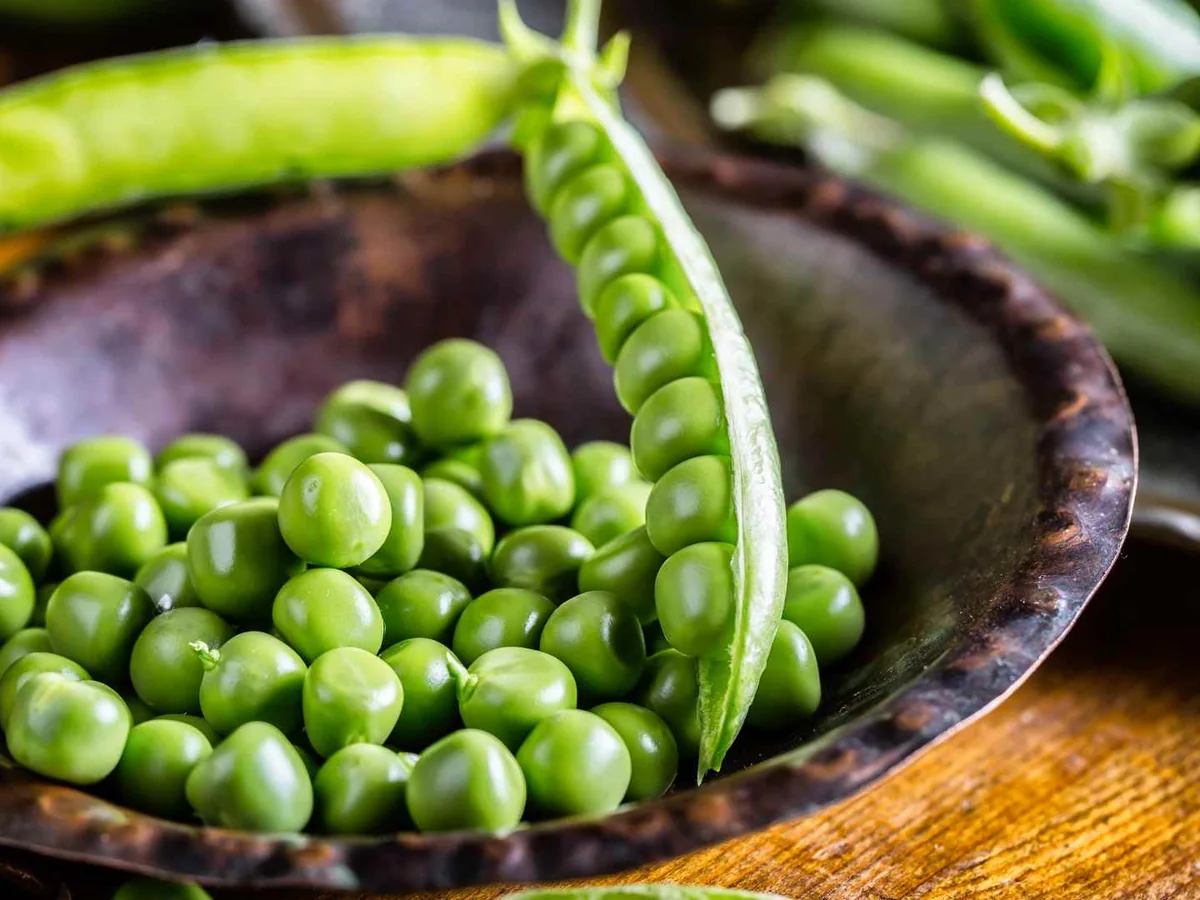
How many peas can a cat have?
There is no medically established universal pea count for every cat. Size, calorie needs, health, total treats, and the rest of the diet matter more than a tidy internet number.
For a healthy adult having peas for the first time, one or two soft peas are enough to test tolerance. Stop if vomiting, diarrhea, gas, itching, or appetite change follows.
Use pieces rather than whole round peas for kittens, seniors with dental disease, and cats who gulp. Mashing a plain cooked pea reduces rolling and choking risk without turning it into a complete meal.
Fresh peas
Fresh garden peas can be offered cooked and cooled, without salt, oil, or seasoning. Raw fresh peas are not recognized as toxic, but cooking softens the skin and starch, making a tiny portion easier to chew.
Wash produce and remove spoiled, moldy, or damaged peas. Keep garden chemicals, fertilizers, pods, strings, and plant labels out of reach when shelling a harvest.
Frozen peas
Plain frozen peas are convenient but should be thawed and cooked or warmed until soft, then cooled before a cat tastes one. A hard frozen sphere can hurt a tooth, lodge in the throat, or be gulped whole.
Check frozen vegetable blends for onion, garlic, sauce packets, butter, cheese, and seasoning. A bag labeled peas and carrots may be plain, while a steam-in-sauce version can be an entirely different food.
Canned peas
Canned peas are soft but often packed with added sodium. A drained, rinsed pea is lower in surface salt, yet a no-salt-added frozen or fresh option is simpler when a cat is getting an intentional taste.
Never allow licking from an open can because the rim can cut the lips or tongue. Plastic liners, pull tabs, and detached lids also belong in a secure bin, not a cat’s enthusiastic quality-control department.
Cats with kidney, heart, urinary, or other medically managed disease should not receive canned vegetables without veterinary approval. The sodium and altered diet may matter even when one pea seems trivial.
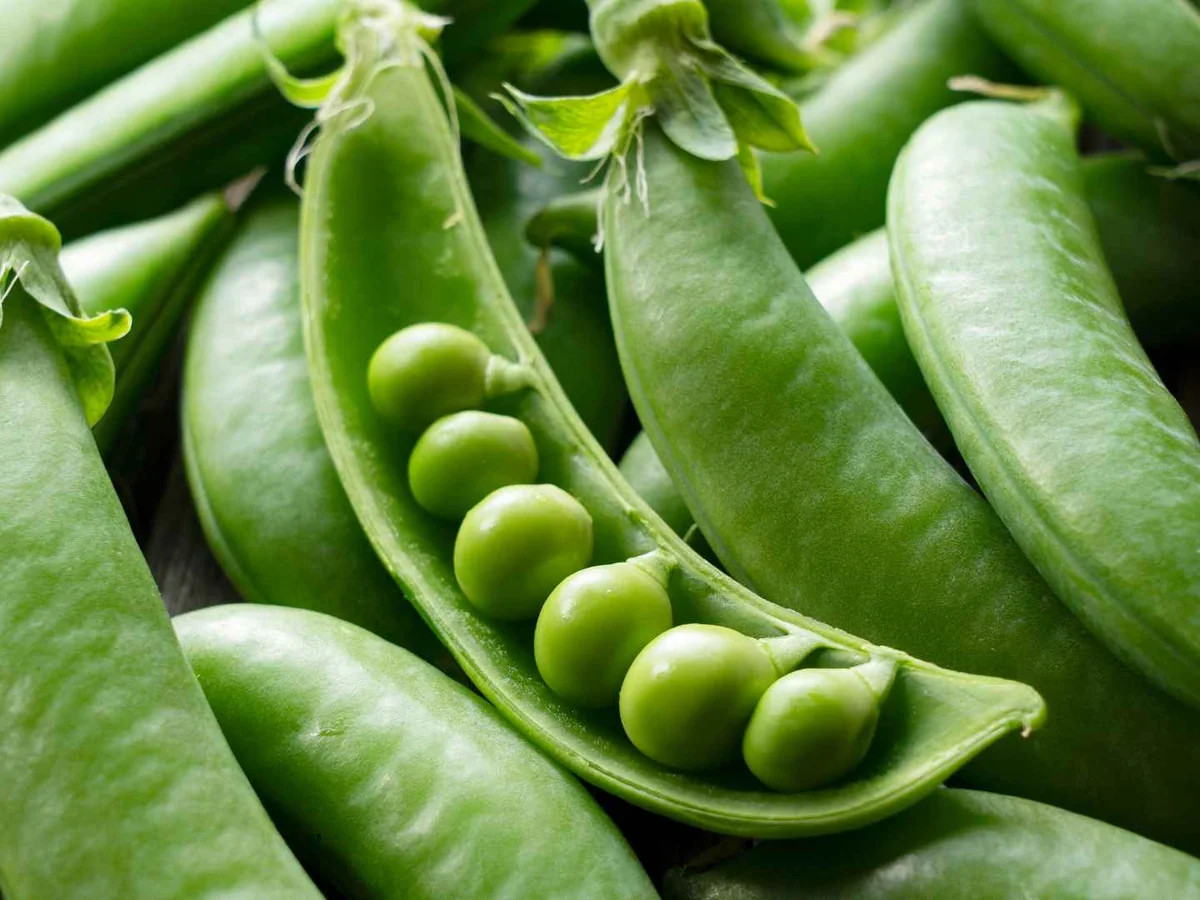
Pea pods, sugar snap peas, and snow peas
Edible pea pods are not generally considered poisonous, but long fibers and strings are harder to chew and digest than the peas inside. Large pieces can cause gagging or contribute to obstruction.
If offering a taste, remove strings, cook until soft, cool, and mince a tiny piece. Do not offer garden vines, flowers, roots, or plants identified only as pea, because ornamental sweet pea is a different plant and should not be fed.
Plant names matter. The ASPCA distinguishes edible garden plants from toxic ornamentals in its searchable plant database, and unknown plants should stay out of the bowl.
Butter, cream, gravy, and seasoning
Plain peas are the low-risk version, while creamed peas, split-pea soup, pot pie, fried rice, curry, and casserole can contain onion, garlic, dairy, butter, stock, salt, meat fat, and pastry. Assess the whole recipe.
Garlic and onion powders can cause oxidative red blood cell damage in cats, with signs of anemia delayed for days. The Merck Veterinary Manual Allium review covers raw, cooked, dehydrated, and concentrated forms.
Our guides to pizza, pickles, and salami apply the same rule to other people foods: the quiet seasoning can matter more than the ingredient printed in large letters.
Split peas and pea soup
Plain, thoroughly cooked split peas are not inherently toxic, but their fiber and starch can cause gas or loose stool in a large portion. Dry split peas are hard and should not be offered for chewing.
Commercial and homemade split-pea soup often contains onion, garlic, ham, bacon, sausage, stock, and substantial sodium. One spoonful can therefore be an Allium and processed-meat exposure wearing a wholesome green disguise.
Pea protein, pea flour, and commercial cat food
Pea ingredients appear in some complete cat foods, where they are part of a formulated nutrient profile rather than a pile of vegetables replacing meat. Judge the finished food by its nutritional-adequacy statement, manufacturer quality controls, and suitability for the individual cat.
The FDA explains what complete and balanced means on a pet-food label. An isolated concern about one ingredient cannot replace evaluation of the entire formulation and feeding evidence.
Do not add pea protein powder or human plant-protein shakes to cat food. These may contain flavorings, sweeteners, caffeine, cocoa, vitamins, minerals, or protein amounts not appropriate for the cat.
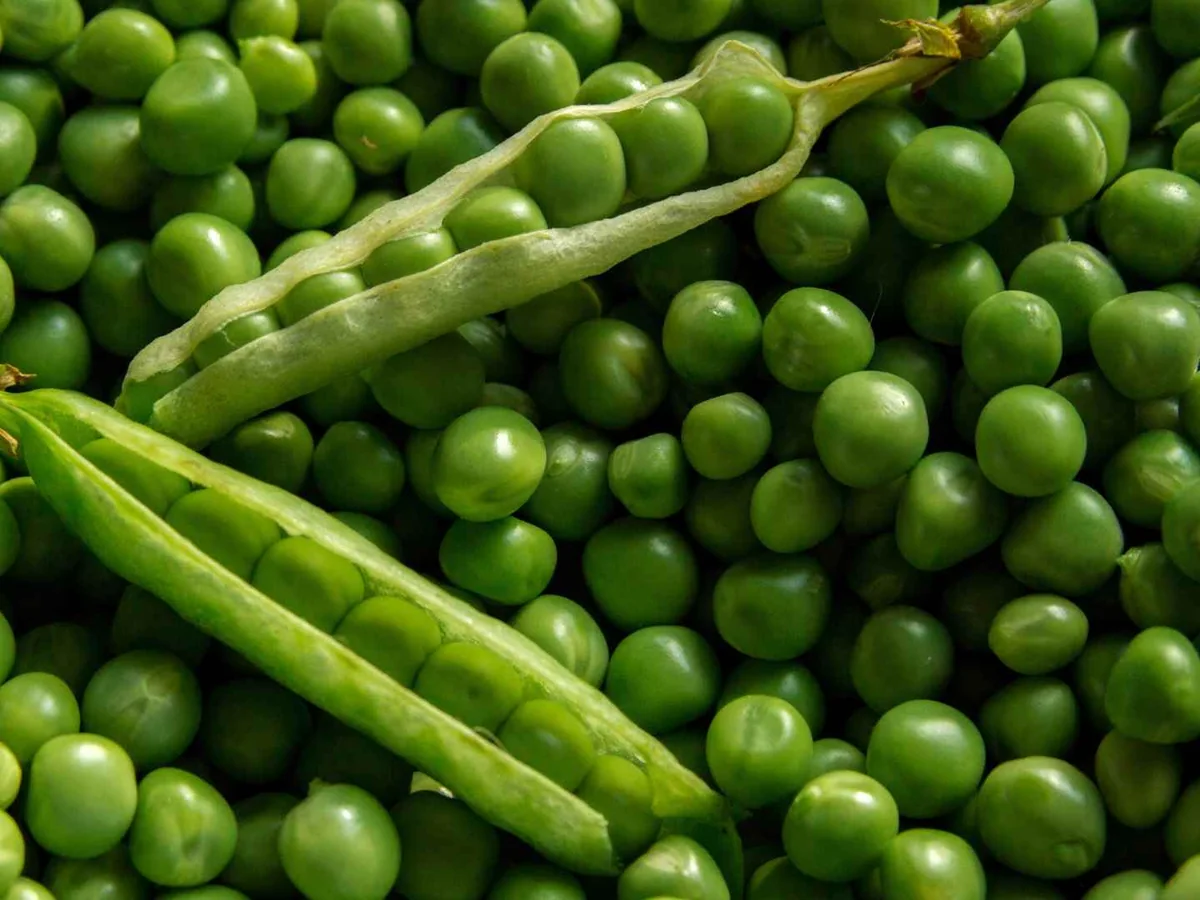
Food allergy and elimination diets
Cats can react adversely to many food proteins, including plant ingredients, although peas are not automatically allergenic. Itching, ear or skin problems, vomiting, diarrhea, or appetite changes require veterinary evaluation rather than a home diagnosis.
A cat on a hydrolyzed or novel-protein elimination diet should not receive peas unless the prescribing veterinarian approves them. One helpful green treat can undermine weeks of a controlled trial.
Cats who may need to skip peas
Kittens need complete growth nutrition and should not fill up on vegetables. Cats with diabetes, obesity, chronic gastrointestinal disease, swallowing trouble, food allergy, or a therapeutic diet need advice based on the individual plan.
Peas are not a treatment for constipation, diarrhea, weight loss, or vitamin deficiency. A cat with persistent stool changes or reduced appetite needs diagnosis, not a larger vegetable portion.
If stomach upset develops
Stop the new food and return to the familiar complete diet once the cat is willing to eat and the veterinarian has no objection. Keep water available, and call for repeated vomiting, blood, pain, worsening lethargy, or refusal to eat.
Do not abruptly starve an overweight cat because prolonged inadequate intake can contribute to hepatic lipidosis. Contact a veterinarian early when appetite is poor, especially in an overweight, diabetic, elderly, or already ill cat.
Storage, spoilage, and kitchen safety
Refrigerate cooked peas promptly and follow the package or recipe storage directions. Discard peas that smell fermented, feel slimy, show mold, or sat at an unsafe temperature rather than testing whether reheating can rescue them.
Keep hot pans, steam bags, can lids, pull tabs, sauce packets, and plastic film away from cats. Burns, mouth cuts, and swallowed packaging can become more urgent than the food itself.
If several pets shared leftovers, estimate the maximum each could have eaten and photograph the remaining amount. Do not assume the smallest animal politely took the smallest serving, because kitchen evidence rarely supports that theory.
What to tell the veterinary team
Report whether the peas were fresh, frozen, canned, dried, or part of a recipe, along with the amount, time, symptoms, and the cat’s medical conditions. Include every seasoning, sauce, meat, and piece of packaging that may be missing.
Bring the label or send clear photos of the ingredient panel and nutrition facts. Product names alone are unreliable because plain and seasoned versions can share nearly identical bags.
The clinic may recommend monitoring, examination, or testing depending on symptoms and hidden ingredients. Ordinary gas after two plain peas does not need the same plan as delayed weakness after onion-seasoned casserole.
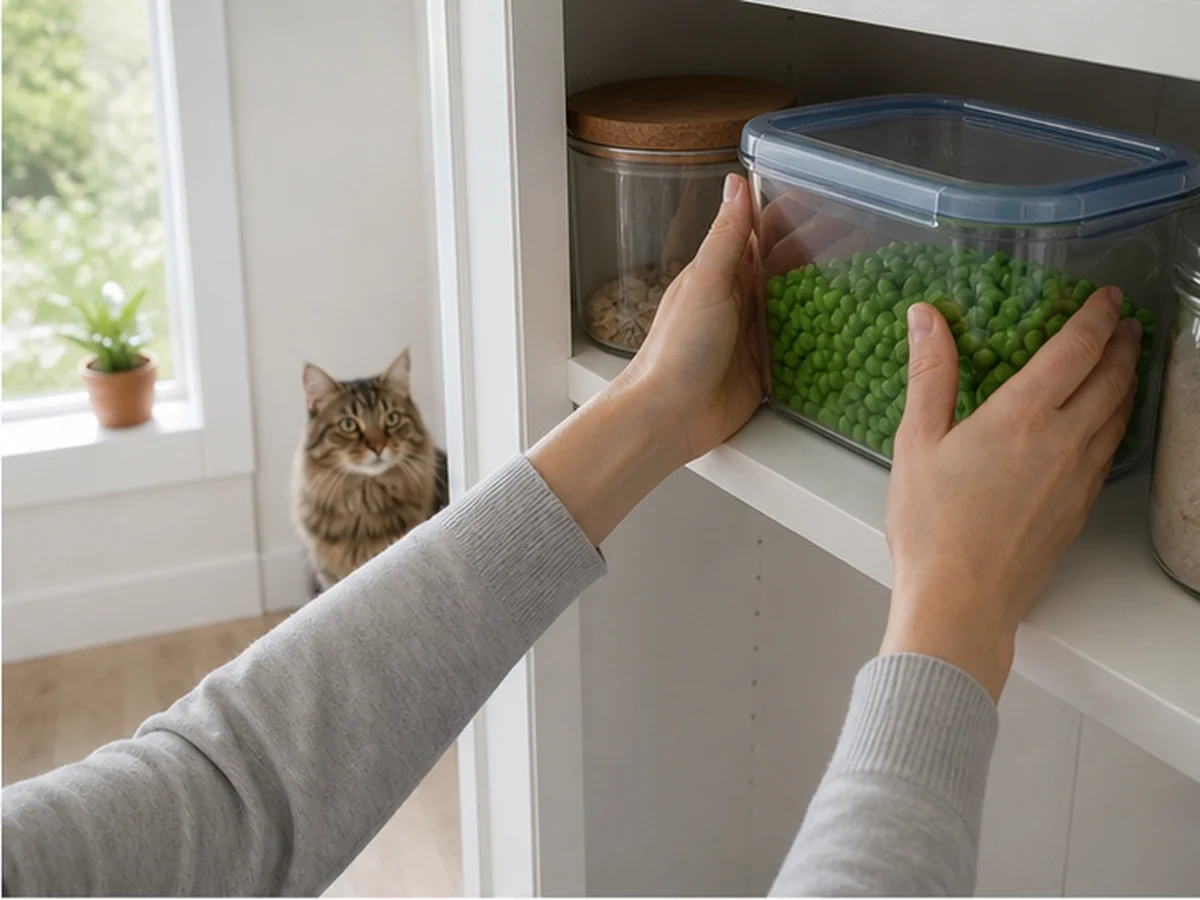
Better ways to serve an optional pea
- Choose fresh or frozen plain peas without sauce or seasoning.
- Cook until soft, cool completely, and mash or halve.
- Start with one or two pieces and count them among daily treats.
- Serve on a clean dish rather than from a can or hot pan.
- Stop if the cat shows digestive or skin signs.
An even easier reward is part of the cat’s normal ration. Our boiled egg guide covers one animal-source alternative for healthy cats whose veterinarians approve occasional extras.
Frequently asked questions
Can kittens eat peas?
A soft mashed speck is unlikely to poison a kitten, but peas should not displace complete kitten food. Whole round peas are a needless choking risk.
Can cats eat peas every day?
There is no reason to add them daily to an already complete diet. Repeated extras can add calories, alter stool, and unbalance the diet when portions grow.
Are peas in cat food bad?
Not automatically. Evaluate the complete finished formula, adequacy statement, life stage, manufacturer, and individual cat rather than declaring a food safe or unsafe from one ingredient.
The bottom line
A few soft plain peas can be an optional treat for many healthy adult cats, but they are not required. Keep them cooked, cool, and tiny, skip pods and seasoned dishes, and let complete feline food do the serious nutritional work.