Can Cats Eat Celery? Strings, Leaves, Portions, and Safety
Yes, most healthy adult cats can eat a tiny piece of plain celery, but there is no nutritional need to serve it. Celery is not known as a feline toxin, yet its strings, firm texture, toppings, and sheer novelty can turn an innocent refrigerator raid into an upset stomach or choking scare.
The quick answer
A washed, peeled, finely chopped bit of raw or cooked celery is generally a low-risk taste for a healthy cat. Skip the leaves if they are wilted or dirty, remove tough strings, and never offer a long stalk for your cat to wrestle like a green pool noodle.
Celery should stay an occasional extra, not a regular side dish. Cats are obligate carnivores, and their everyday nutrition should come from a complete and balanced cat food formulated for their life stage.
Why preparation matters more than the vegetable
Celery is crisp, fibrous, and threaded with long vascular strands. A cat that bites off a thick section may gag, cough, or struggle with a piece that is larger and tougher than expected.
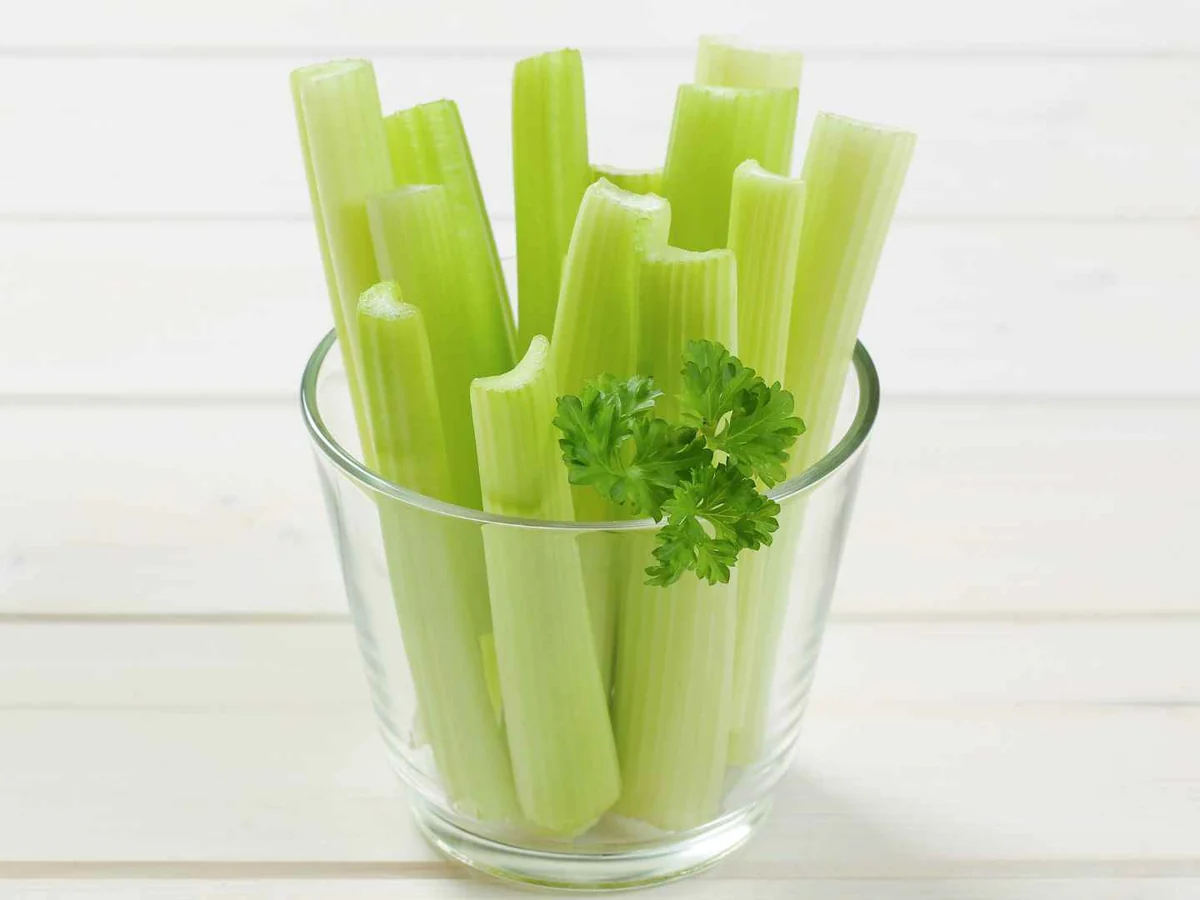
Peeling away the strings and cutting the stalk across the grain into pieces no larger than a pea makes the texture easier to manage. Soft, plain cooked celery is another option, provided it has cooled and contains no salt, butter, broth, sauce, onion, or garlic.
A vegetable peeler works well on particularly stringy outer stalks. If your cat only wants to sniff the celery and walk away with theatrical disappointment, that is also a perfectly good outcome.
How much celery can a cat have?
For a first taste, offer one pea-sized piece and wait until the next day before considering another. Even safe foods can cause vomiting, soft stool, or gas when a cat meets them for the first time.
If your cat tolerates it, a few tiny pieces on rare occasions are plenty. Treats and table foods should remain a small part of the diet because they can crowd out balanced food and quietly add calories.
The Cornell Feline Health Center recommends that treats stay occasional and notes that cats need properly balanced nutrition. Celery does contain water and fiber, but those features do not make it a treatment for constipation, weight loss, or dehydration.
Raw celery, cooked celery, leaves, and juice
Raw celery: Wash it, remove strings, and mince it finely. The satisfying crunch that appeals to a person is exactly what makes an oversized piece awkward for a cat.
Cooked celery: Plain steamed celery is softer and easier to chew. Celery from soup, stuffing, stir-fry, or a roast pan is not plain, even when the visible onion pieces have been picked out.
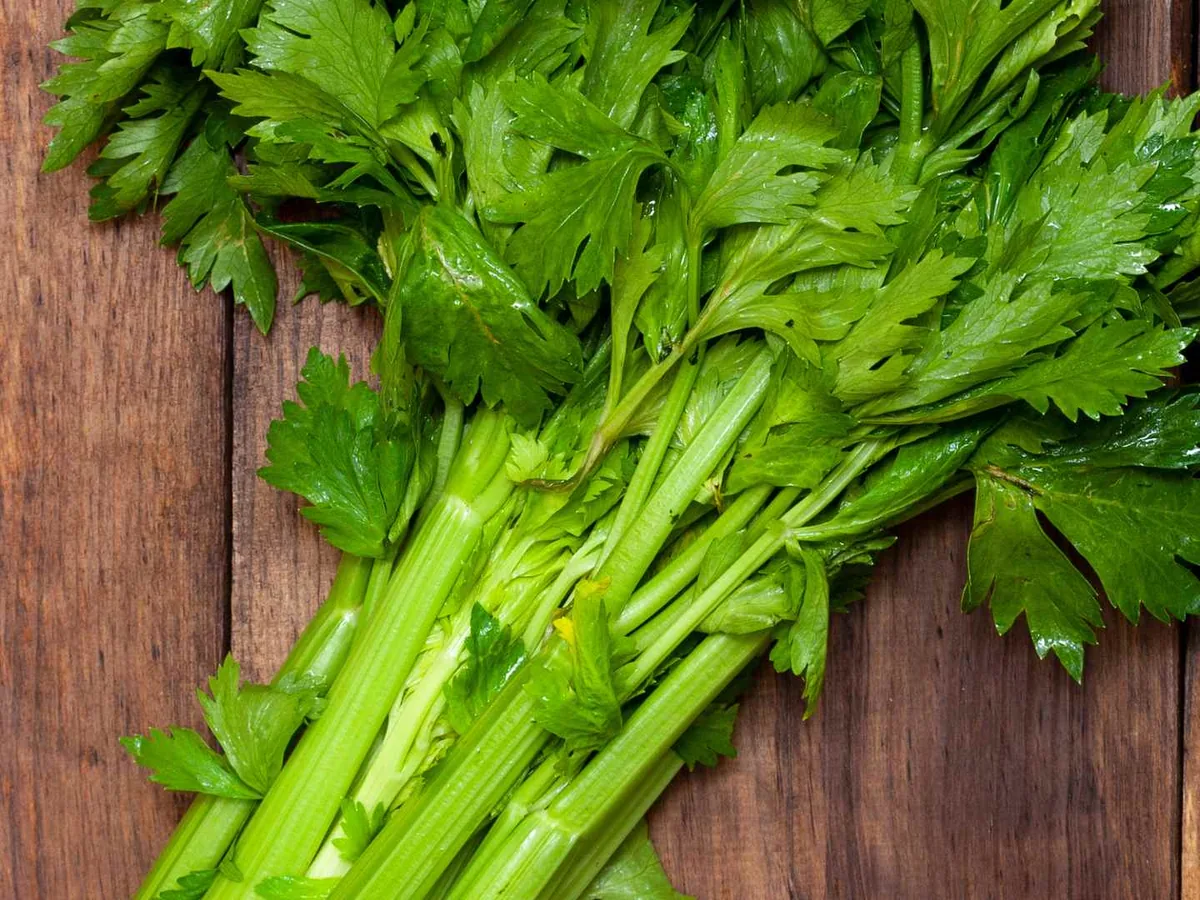
Celery leaves: Clean, fresh leaves are not generally considered poisonous, but they may carry dirt, pesticide residue, or spoiled plant material. Their stronger aroma may attract some cats, so store the bunch out of reach rather than treating the leafy top like a cat toy.
Celery juice: It offers no special benefit for cats and may deliver a concentrated amount quickly. Bottled juices can also contain lemon, apple, salt, herbs, sweeteners, or other ingredients that complicate the answer.
Celery seed and extract: These are more concentrated than a bite of stalk and have not been established as useful feline supplements. Do not give herbal tinctures, essential oils, capsules, or celery seed remedies unless your veterinarian specifically directs you to use that exact product.
The toppings are often the real problem
Plain celery is one question; celery carrying cream cheese, ranch dip, peanut butter, hummus, pimento cheese, or chicken salad is several questions wearing one crunchy disguise. These additions can bring excess fat, salt, dairy, garlic, onion, raisins, sweeteners, or seasonings.
Onion and garlic are particularly concerning for cats because allium compounds can damage red blood cells. That includes powders in seasoning blends, which may be easy to miss on a dip label.
If the celery came from a mixed dish, check every ingredient before deciding what to do. Our guide to pizza and cats explains why removing a visible topping does not necessarily remove the seasoning already spread through a food.
What if my cat ate a large piece?
First, take away the remaining celery and look at what is missing. Note whether it was a short chopped piece, most of a stalk, a leafy top, a packaged product, or celery from a seasoned dish.
Watch for repeated gagging, pawing at the mouth, drooling, trouble swallowing, coughing, noisy breathing, or obvious distress. Breathing difficulty is an emergency, so go to an emergency veterinary clinic rather than waiting for the vegetable to work itself out.
After a large ingestion, also watch for repeated vomiting, refusal to eat, a painful or tense abdomen, unusual hiding, marked lethargy, or straining without producing stool. The Merck Veterinary Manual describes vomiting and loss of appetite among the common signs of gastrointestinal obstruction and treats a true blockage as an emergency.
Do not induce vomiting or push food, oil, bread, or hairball paste as a home remedy. Call your veterinarian with your cat’s weight, the amount eaten, the preparation, the time of the incident, and any symptoms.
Cats who should skip celery
Kittens, seniors with weak teeth, and cats with swallowing trouble should not be given crisp chunks. Cats with a history of intestinal disease, chronic vomiting, constipation, food-responsive illness, or prior obstruction also deserve a veterinarian’s advice before any dietary experiment.
Cats on prescription diets should usually stick to the plan that prompted the prescription. A food can be nontoxic and still be unsuitable for a cat managing kidney disease, urinary disease, diabetes, obesity, or a formal elimination trial.
If medication is hidden in food, do not suddenly swap the familiar vehicle for celery without checking the instructions. A cat who detects betrayal in one medicated snack may remember the offense with remarkable efficiency.
Does celery help with hydration or weight loss?
Celery contains plenty of water, but a few minced pieces do not meaningfully correct dehydration. A cat who is drinking less, producing smaller urine clumps, vomiting, or acting unwell needs a veterinary assessment, not a produce-based workaround.
Likewise, low-calorie does not automatically mean useful for feline weight loss. Safe weight management depends on a measured, nutritionally complete diet that preserves lean tissue while reducing calories under veterinary guidance.
For another crunchy comparison, see our guide to celery for dogs, while remembering that portion sizes and nutritional priorities do not transfer directly between species. Cats are not small dogs with better opinions about furniture.
Safe handling at home
Rinse celery under running water before cutting it, even if you plan to peel the outer layer. The FDA’s produce safety guidance recommends washing produce under plain running water and keeping it separate from raw meat and seafood.
Use a clean knife and board, cut only what you plan to offer, and refrigerate the rest promptly. Discard slimy, moldy, or foul-smelling celery rather than trimming around a questionable patch for your cat.
Keep plastic produce bags, rubber bands, twist ties, and mesh sleeves away from curious paws. The wrapper may be far more dangerous than the celery because packaging can be swallowed, tangled around a tongue, or become a suffocation hazard.

Better ways to offer a crunchy reward
If your cat likes crunch, part of the daily ration of kibble is the simplest nutritionally predictable reward. You can also use a veterinarian-approved dental treat that is correctly sized for your cat and counted in the day’s calories.
Some cats are more interested in the celery’s smell or movement than its taste. A wand toy, food puzzle, or supervised play session satisfies that curiosity without asking the digestive tract to participate.
If your cat seems fascinated by green foods, our guide to cilantro for cats covers fresh leaves, essential oils, and mixed dishes. Different plants and concentrated products need separate safety checks.
Frequently asked questions
Can cats eat celery every day?
There is no good reason to make celery a daily habit. A tiny occasional taste is enough, and a complete cat food should keep its starring role.
Can cats eat celery with peanut butter?
It is better to skip the combination because peanut butter is calorie-dense, sticky, and sometimes sweetened or salted. The celery adds no benefit that makes the mixture worthwhile.
Is celery toxic to cats?
Plain celery stalk is not recognized as a common feline toxin. The practical concerns are choking, digestive upset, contamination, concentrated extracts, and unsafe ingredients attached to it.
Why does my cat rub on celery?
Some cats investigate strong plant odors by sniffing, rubbing, licking, or rolling, but that behavior does not prove a food is beneficial or safe in large amounts. Let your cat enjoy a supervised sniff, then put the bunch back in the refrigerator.
Bottom line
Most healthy adult cats can sample one or two tiny pieces of washed, string-free, plain celery. Keep portions small, avoid seasoned dishes and concentrated products, and call a veterinarian promptly for choking signs, repeated vomiting, appetite loss, or a large and uncertain ingestion.