Can Cats Eat Peanut Butter? Labels, Texture, Calories, and Medication Use
A tiny lick of plain peanut butter is unlikely to poison a healthy adult cat, but it is a poor routine treat. Its sticky texture can cause gagging, it is calorie-dense, and flavored products may contain chocolate, raisins, caffeine, excessive salt, or sweeteners that require a separate ingredient check.
What to do after a cat raids the jar
Take the jar away, offer water, and read the entire ingredient list. Estimate how much is missing, check whether the cat chewed foil, plastic, a squeeze pouch, or a spoon, and note any coughing, vomiting, itching, swelling, or unusual behavior.
- One lick of plain peanut butter: usually monitor at home for gagging or digestive upset.
- Chocolate, coffee, raisins, cannabis, or another toxic mix-in: call a veterinarian or pet poison service promptly.
- Coughing, repeated gagging, pawing at the mouth, or breathing difficulty: seek immediate help, with breathing trouble treated as an emergency.
- Facial swelling, hives, repeated vomiting, collapse, or severe weakness: urgent veterinary care is appropriate.
Do not induce vomiting or put fingers blindly into the cat’s throat. Sticky food and frightened teeth are a poor combination, and a veterinarian can advise based on the product and symptoms.
Peanuts are not the main problem
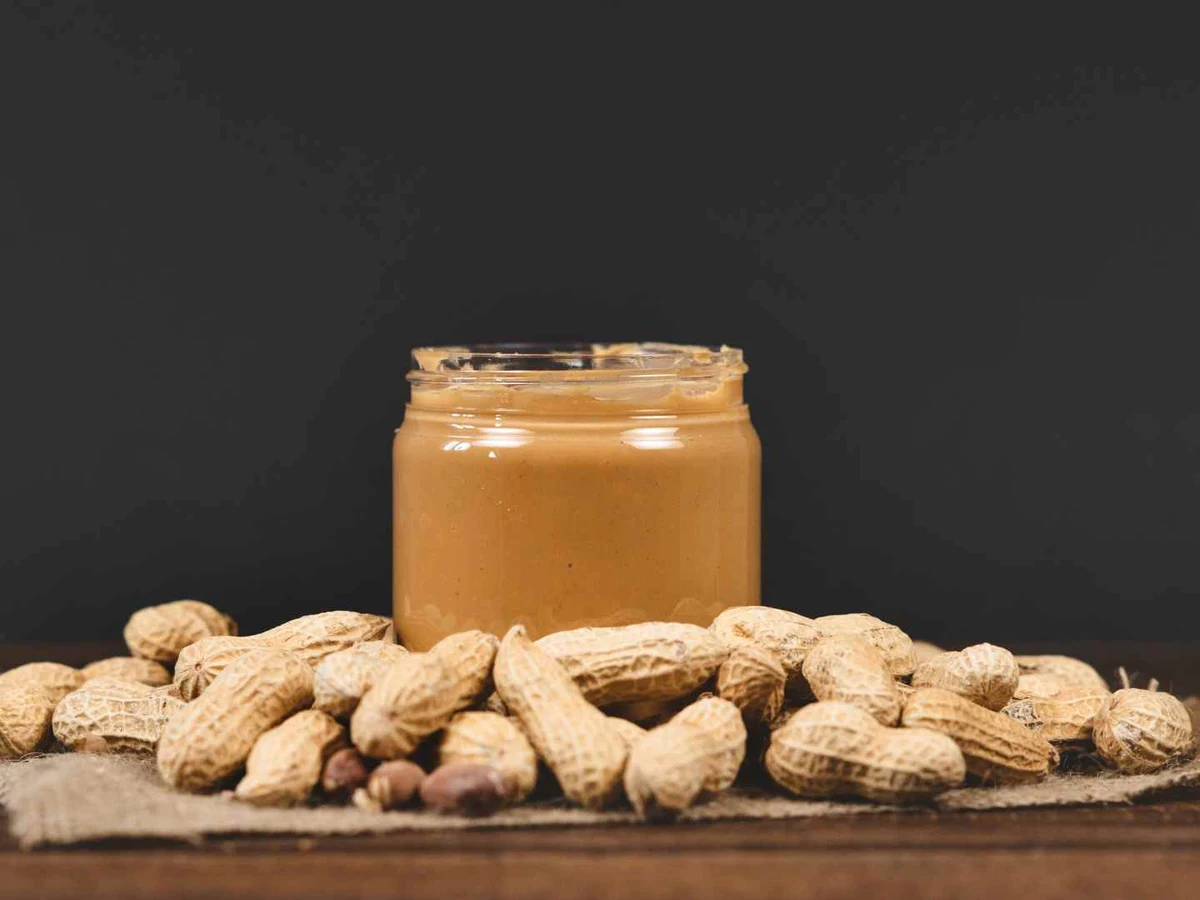
Peanuts are legumes, and plain roasted peanuts are not recognized as a feline toxin. Peanut butter grinds them into a dense paste that may add oil, sugar, salt, emulsifiers, flavorings, and enough adhesive enthusiasm to cling to the roof of a cat’s mouth.
Cats are obligate carnivores with species-specific nutrient needs, and peanut butter is not complete and balanced cat food. Protein on the nutrition panel does not make plant paste a substitute for feline nutrition.
The Cornell Feline Health Center feeding guide recommends complete and balanced food as the foundation and keeping treats occasional. A good rule keeps extras to no more than roughly 10 to 15 percent of daily calories.
Sticky texture can turn a lick into a scare
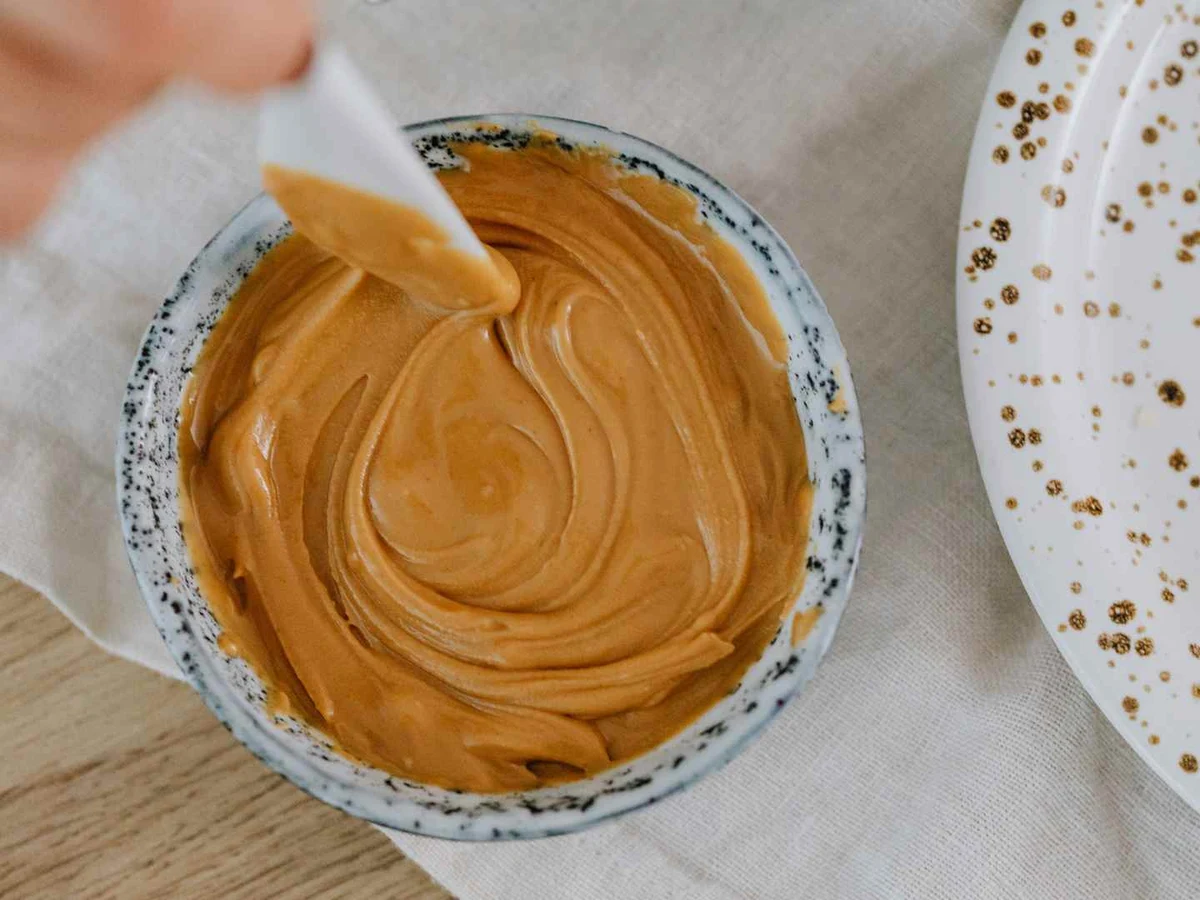
Peanut butter coats the tongue, gums, and palate, especially when served as a large spoonful. A cat may gag, cough, drool, paw at the mouth, or panic while trying to clear it.
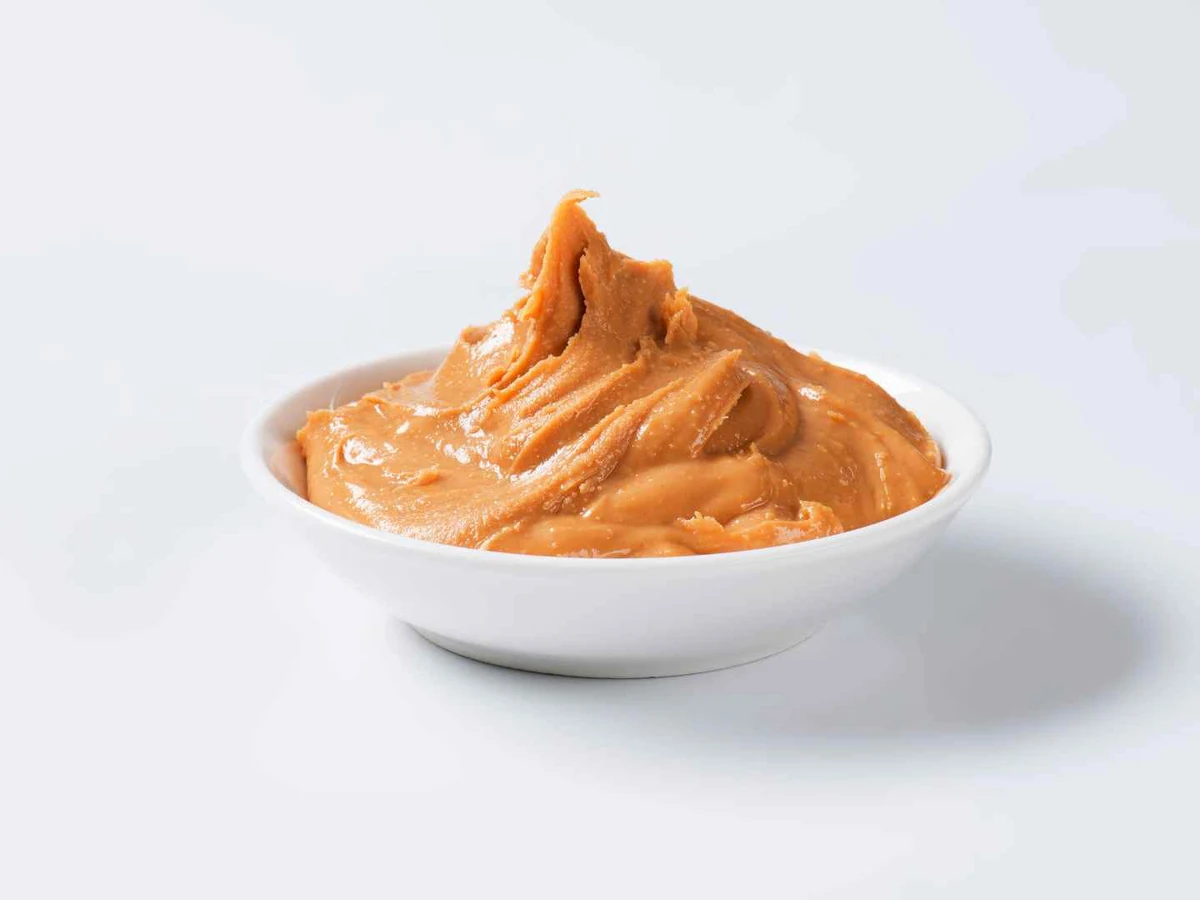
Never offer a glob, let a cat lick from a deep jar, or smear it on the nose. If a veterinarian approves it for a medication, use only a thin film and watch the cat swallow comfortably.
Breathing difficulty, blue or gray gums, collapse, or an inability to move air is an emergency. Do not spend precious time filming the episode for identification.
Calories add up with surprising speed
Peanut butter is concentrated fat and calories in a small volume. What looks like a polite dab to a human can consume a noticeable portion of a small cat’s daily energy allowance.
Frequent tastes can contribute to weight gain and displace balanced food, particularly when several household members each believe they are the only generous one. Cats with obesity, diabetes, pancreatitis history, gastrointestinal disease, or a prescription diet should not receive it without veterinary guidance.
Fat alone does not prove that one lick will cause pancreatitis, and feline pancreatitis often has no single obvious cause. The sensible claim is narrower: rich, unfamiliar food can cause digestive signs and does not fit every medical diet.
Salt, sugar, and flavored jars
Many peanut butters contain salt and added sugar, which cats do not need. One lick is not expected to cause salt poisoning in a healthy cat with water available, but a large amount or a cat with relevant heart or kidney disease deserves case-specific advice.
Honey, maple, cinnamon, pumpkin-spice, cookie, and dessert flavors can add more sugar, oils, spices, chocolate, or other mix-ins. Protein powders and energy spreads may add caffeine, supplements, or concentrated vitamins never intended for cats.
Read each jar every time because formulations change. Front-label words such as natural, high-protein, keto, organic, and no added sugar are marketing clues, not a feline safety assessment.
The xylitol question needs accurate cat-specific wording
Xylitol can appear in some nut butters under names such as xylitol, birch sugar, or wood sugar. It causes a well-established, potentially fatal insulin response in dogs, while current evidence does not show the same danger in cats.
The FDA’s xylitol guidance specifically notes that xylitol does not seem as dangerous for cats, while advising owners to keep products away from pets. That distinction matters because repeating dog toxicology as settled feline toxicology is inaccurate.
Still call about a xylitol-containing product because the amount, other ingredients, packaging, and cat’s condition need review. A label may combine xylitol with chocolate, caffeine, medication, or ingredients for which feline data are limited.
Allergy is possible even when toxicity is not
Any food protein can trigger an adverse reaction in a susceptible cat. Possible signs include itching, facial swelling, hives, vomiting, diarrhea, coughing, or breathing difficulty.
Breathing difficulty, collapse, or rapidly worsening facial swelling requires emergency care. A cat with a prescribed elimination diet should not receive peanut butter because one flavored pill can compromise a carefully controlled food trial.
Can peanut butter hide a pill?
Sometimes, but ask the prescribing veterinarian first. Certain medications should not be crushed, split, chewed, mixed with food, or given alongside a fatty snack, and a cat who tastes bitterness may reject both medicine and dinner.
The FDA explains that veterinary compounding can create an appropriate formulation when an approved drug cannot be given as supplied. A veterinary team may suggest a pill pocket, flavored liquid, capsule, transdermal formulation when appropriate, or hands-on dosing technique instead.
If peanut butter is approved, use a paper-thin smear and confirm that the full dose was swallowed. Do not redose automatically when medication remains in the bowl or the cat spits out an unknown portion.
Crunchy, natural, powdered, and homemade versions
- Crunchy: nut fragments can be awkward to chew and increase gagging risk without adding a benefit.
- Natural separated: oil may pool at the top, making the first dip especially rich and messy.
- Powdered: dry powder can be inhaled, while reconstituted products may contain sugar, salt, cocoa, or sweeteners.
- Homemade: ingredients are easier to know, but calorie density, texture, allergy, and balance concerns remain.
- Peanut sauce: can contain garlic, onion, soy sauce, chile, coconut, sugar, and skewers.
When peanut butter appears inside a cookie, candy, brownie, granola bar, or sandwich, assess the whole product. Chocolate, raisins, macadamia nuts, caffeine, raw dough, cannabis, and wrappers can change urgency.
Mold, recalls, and storage
Discard rancid, moldy, contaminated, or recalled peanut butter and products made with it. The FDA has investigated Salmonella outbreaks linked to peanut butter and advised against feeding recalled product to pets or other animals.
Keep the lid closed, use clean utensils, follow storage directions, and save the lot code. Do not allow direct jar licking, which introduces saliva and makes portion control a charming fiction.
Jar, foil, pouch, and spoon hazards
A cat can cut the tongue on foil, swallow a seal, chew a squeeze pouch, or get the head stuck in a jar. The FDA’s pet-proofing guidance also warns that food bags can endanger pets.
Call for repeated vomiting, abdominal pain, refusal to eat, inability to keep water down, straining, or marked lethargy after packaging disappears. Do not pull string or plastic from the mouth or rectum because it may be anchored internally.
If stomach upset develops
One or two episodes of mild vomiting or soft stool after a tiny plain lick may settle, but repeated vomiting, blood, pain, or worsening lethargy warrants a veterinary call. Keep water available and do not force food or fluids into a nauseated cat.
Return to the cat’s usual complete diet rather than offering more rich foods to tempt the appetite. Contact the clinic if the cat refuses normal food, especially when overweight, diabetic, very young, elderly, or already ill.
Write down the product, amount, time, symptoms, and any medication hidden in the paste. That record helps distinguish simple dietary upset from an adverse drug event, allergy, foreign body, or exposure to a flavored ingredient.
How to keep the jar from becoming enrichment
Store peanut butter in a closed cabinet and put used knives, foil seals, pouches, and sandwich scraps directly into a secure dishwasher or lidded bin. A cat can learn the sound of a jar opening with scientific precision, so prevention works better than hoping today is the day curiosity retires.
Never leave a cat unattended with a jar, lick mat, spoon, or medication-coated dish. Wash residue from counters and hands before handling another pet, particularly in a household managing food allergy or an elimination diet.
If the cat begs whenever pills appear, pair medication time with a measured feline treat approved by the veterinarian rather than increasing peanut butter. A consistent routine can become cooperative without making a dense human spread part of the daily menu.
Better tiny treats
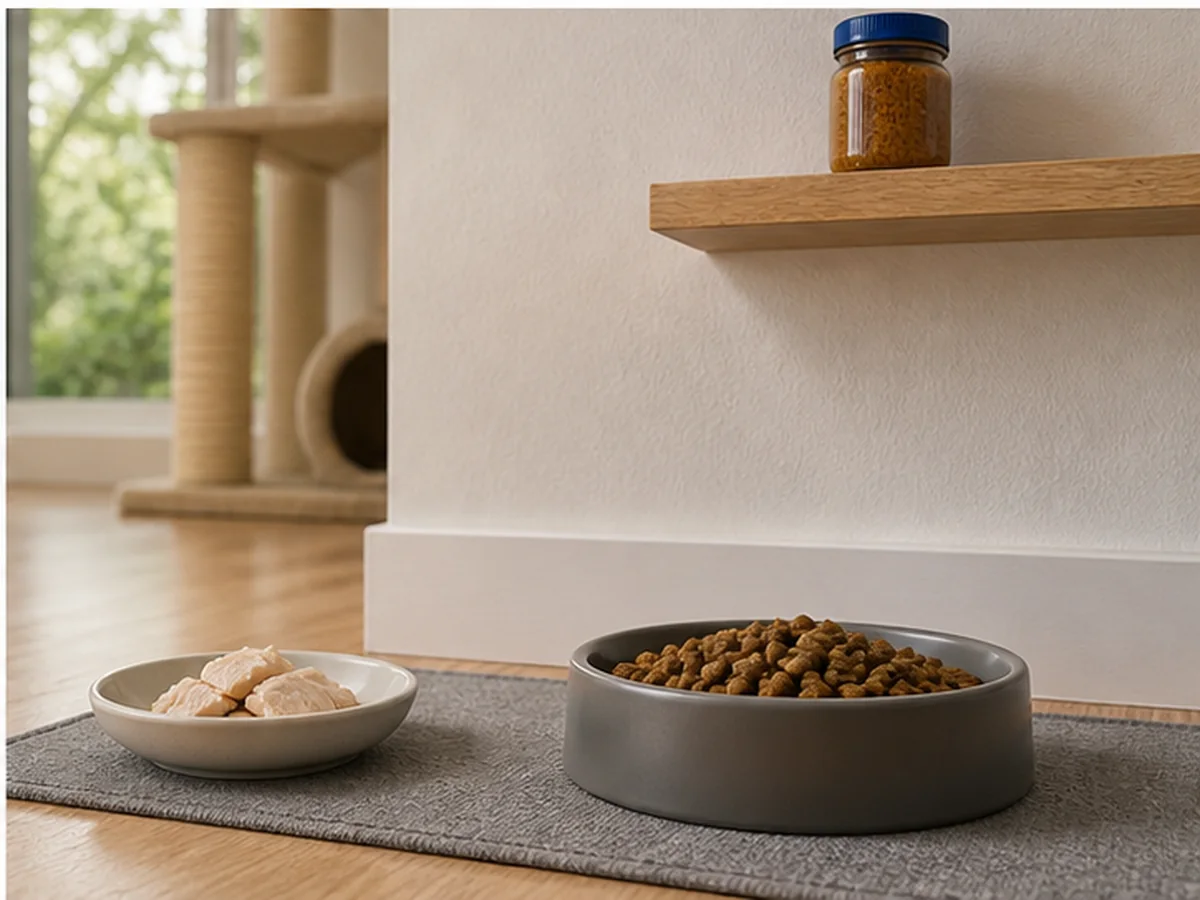
Reserve part of the cat’s regular complete food for rewards, or use a feline pill treat approved by the veterinarian. That keeps the nutrition familiar and the texture designed for the species attempting to swallow it.
For many healthy cats, a crumb of plain, fully cooked egg is an occasional option, as our boiled egg guide explains. Our guides to cashews, salami, and pizza cover similar label, salt, and whole-product traps.
Frequently asked questions
Can kittens eat peanut butter?
Skip it. Kittens have small airways, small calorie budgets, and a need for dependable growth nutrition, while sticky paste adds avoidable gagging risk.
Can cats eat peanut butter every day?
No useful nutrition goal requires it. Daily peanut butter adds calories and may displace complete food, so choose regular cat food or a species-specific treat.
Is smooth peanut butter safer than crunchy?
Smooth removes nut fragments but remains sticky and calorie-dense. If a veterinarian approves a medicinal smear, use the smallest thin amount that accomplishes the task.
The bottom line
A tiny lick of plain peanut butter is usually minor, but peanut butter is neither needed nor especially cat-friendly. Check every label, avoid large sticky servings and flavored products, and ask the veterinary team for a better pill plan when medication is the reason the jar came out.