Can Cats Eat Pizza? Dough, Alliums, and Topping Risks
A tiny nibble of plain baked pizza crust is unlikely to poison most healthy cats, but pizza is a poor feline treat. Raw yeast dough, garlic or onion sauce, cheese, salt, fatty processed meat, bones, hot burns, mold, unusual sweeteners, and boxes or foil can turn a stolen slice into a much larger problem.

Start by inventorying the slice
Pizza is a collection of foods, not one ingredient. Crust, sauce, cheese, toppings, oils, seasoning, dipping sauce, garnish, temperature, spoilage, and packaging each deserve a quick check.
Save the box, receipt, frozen-pizza label, or recipe and estimate the amount and time. Record the cat’s weight, symptoms, medical conditions, and every missing toothpick, foil sheet, plastic spacer, sauce cup, or bag.
One bare baked crumb differs from half a pepperoni slice or a ball of raw dough. Proportionate triage begins with the actual product, not the word pizza.
Raw yeast dough is an emergency
Unbaked yeast dough can expand in the warm stomach and produce alcohol during fermentation. That can cause dangerous abdominal distension, pain, intoxication, breathing compromise, and other severe effects.
The ASPCA people-food guide warns about both stomach expansion and alcohol production from raw yeast dough. A cat that eats dough needs immediate veterinary or poison-service advice.
Do not wait for visible bloating and do not induce vomiting at home. A distended abdomen, repeated retching, wobbliness, weakness, low body temperature, breathing trouble, or collapse is an emergency.
Fully baked crust does not carry the same fermenting-dough hazard, but it remains an unbalanced source of calories and may contain salt, garlic, cheese, herbs, or xylitol in an unusual specialty recipe.
Sauce can hide Alliums
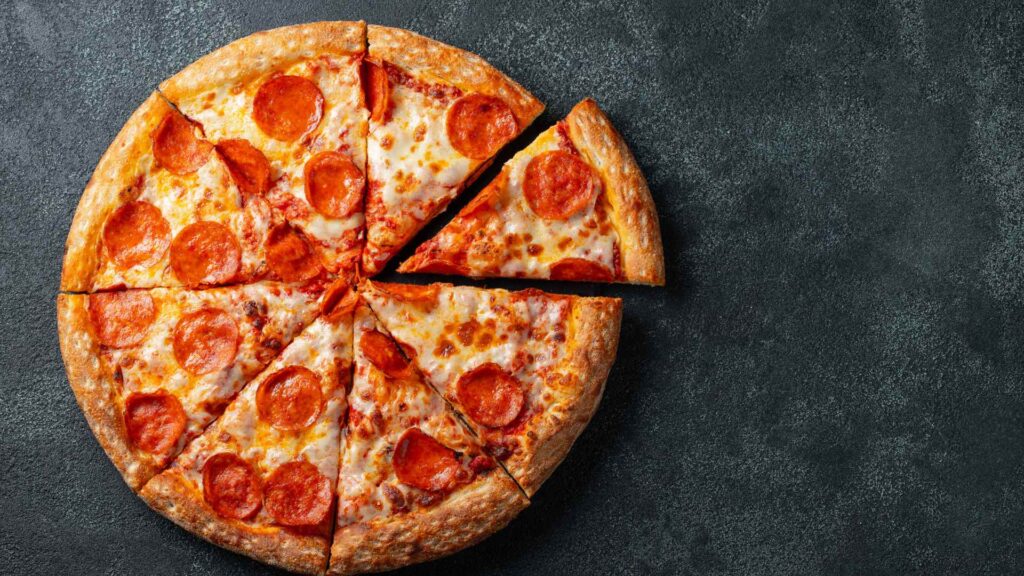
Pizza sauce commonly contains garlic, onion, garlic powder, onion powder, shallot, or chives. Cats are especially vulnerable to oxidative red-blood-cell damage from Allium ingredients.
The Merck Allium toxicosis review identifies cats as the most susceptible species and includes cooked and concentrated forms. Red-cell damage can begin before anemia signs become visible days later.
Possible signs include poor appetite, lethargy, weakness, pale or yellow gums, fast breathing, rapid heart rate, dark urine, and collapse. Call promptly with the recipe and amount rather than waiting.
Our cat tomato sauce guide covers recipe-specific red sauce, while the cat garlic guide focuses on the higher-stakes Allium issue.

Cheese, fat, and salt
Mozzarella and other pizza cheeses add fat, calories, sodium, lactose, and milk proteins. Some cats develop gas, diarrhea, vomiting, or discomfort after dairy, while milk-protein allergy is a separate immune problem.
Greasy cheese and added oil can upset the stomach, and repeated pizza scraps contribute to weight gain. A cat with pancreatitis history, diabetes, obesity, kidney disease, heart disease, food allergy, or a therapeutic diet needs individualized advice.
Do not treat a single fatty slice as proof of feline pancreatitis, because causes in cats are often unclear. Lethargy and appetite loss can be more prominent than dramatic vomiting, so a cat that stops eating needs prompt care.
Our cat cheese guide separates lactose intolerance, milk-protein allergy, salt, fat, and mold without claiming dairy provides a needed calcium benefit.
Toppings change everything
Pepperoni, sausage, bacon, ham, anchovies, and deli meats add sodium, fat, seasonings, and preservatives. Onion and garlic may be mixed into the meat rather than visible on top.
Chicken wings, fish pieces, and bone-in toppings can leave sharp cooked bones that choke, lodge, obstruct, or perforate. Do not feed bread to push a bone down or induce vomiting.
Mushrooms from a reputable pizza ingredient are different from unknown wild mushrooms, but spoiled mushrooms and rich seasoning still matter. Olives add brine and pits, while hot chile can irritate the mouth and stomach.
Pesto may contain garlic and nuts, barbecue pizza may contain onion and xylitol only if an unusual label lists it, and white pizza can still include garlic. Check the exact recipe instead of ranking pizza styles by color.
Xylitol is label-specific
Xylitol is not a standard ingredient in ordinary pizza, so it should not be presented as though every crust contains it. Sugar-free, keto, low-carb, or specialty dough and sauce require a label check for xylitol, birch sugar, or wood sugar.
The FDA’s xylitol warning is based on canine poisoning and does not establish the same susceptibility in cats. Still, a cat that eats a xylitol product needs case-specific veterinary or poison-service advice because the entire specialty product may contain other hazards.
Do not copy dog xylitol dose tables onto a cat. Preserve the product and let a veterinary toxicologist evaluate feline evidence and all ingredients.
Hot pizza can burn
Melted cheese and sauce retain heat and adhere to the tongue, lips, and paws. A cat that steps in or bites fresh pizza can sustain thermal burns before retreating.
Prevent grooming after a hot spill and call for first-aid instructions. Drooling, pawing at the mouth, refusal to swallow, blistering, skin pain, coughing, or breathing difficulty needs prompt examination.
Do not apply butter, oil, ice, toothpaste, essential oils, or human burn creams. These can trap heat, irritate tissue, or be swallowed during grooming.

Mold, leftovers, and food safety
Discard pizza with visible mold, a sour or rancid odor, slime, or an uncertain warm-storage history. Reheating does not neutralize every toxin formed during spoilage.
Moldy food can expose cats to tremorgenic toxins, while old meat and dairy can carry pathogens. Tremors, seizures, wobbliness, repeated vomiting, severe lethargy, or collapse after spoiled pizza needs emergency care.
Refrigerate leftovers promptly in a covered container and keep the box out of reach. A closed cardboard box is not a cat-proof storage system.
Boxes, foil, and delivery clutter
Greasy cardboard, wax paper, foil, plastic film, sauce cups, table tents, toothpicks, and pizza savers can be chewed or swallowed. Bags can also suffocate a curious cat.
The FDA’s dangerous-items guide warns about packaging, obstruction, and bag suffocation. Report missing foreign material separately from the food.
Repeated vomiting, drooling, appetite loss, abdominal pain, lethargy, straining, or reduced stool after a packaging raid needs veterinary attention. Do not pull material from the mouth or rectum.

What to do after pizza theft
- Remove the pizza, dough, dipping sauces, bones, and packaging, then save the recipe or label.
- Estimate the amount, temperature, timing, cat’s weight, symptoms, and every missing box, film, foil, cup, toothpick, or bone.
- Check for raw yeast dough, garlic, onion, chives, salt, cheese, fatty meat, alcohol, xylitol, hot spice, mold, and wild mushrooms.
- Call for dough, Alliums, bones, dangerous product ingredients, symptoms, medical-diet concerns, spoilage, or packaging.
- Seek emergency care for breathing trouble, collapse, seizures, severe weakness, repeated retching, marked pain, or very pale gums.
Do not induce vomiting or give hydrogen peroxide, salt, oil, milk, bread, antacids, or human medicine without veterinary direction. Cats require feline-safe decontamination and dosing.
Pizza does not fit feline nutrition
The Cornell Feline Health Center explains that cats are obligate carnivores with specific animal-derived nutrient needs. Pizza crust and toppings do not form a complete feline diet.
Use part of the cat’s complete food or a veterinarian-approved treat for rewards. Table scraps should not displace balanced food, encourage counter theft, or make a medically important appetite change harder to spot.
For dog households, our dog pizza guide is separate because species sensitivities, dose evidence, and clinical decisions should not be transferred wholesale.
Frozen, takeout, and homemade pizza
Frozen products provide an ingredient panel, but preparation can add butter, garlic dip, cured meat, or extra cheese. Takeout pizza may require a restaurant allergen or ingredient page because the crust, sauce, and finishing oil are not visible.
Homemade pizza offers better traceability only when everyone remembers the complete recipe. Check the dough, sauce, cheese, toppings, flour dust, and any skewers or parchment that disappeared during preparation.
Observe the cat, not only the missing slice
After a minor, fully baked, low-risk nibble, note appetite, energy, vomiting, stool, breathing, gum color, and willingness to move normally. Cats often hide illness, so reduced interaction or skipping the next meal can matter even without dramatic vomiting.
A kitten, elderly cat, frail cat, or cat on a prescription diet has less room for casual assumptions. Call sooner when the amount is uncertain or the cat has a relevant diagnosis.
Frequently asked questions
Can cats eat plain pizza crust?
One tiny baked plain crumb is generally a monitoring question, but it offers no benefit and may contain salt, garlic, cheese, or specialty sweetener.
What if my cat licked pizza sauce?
Check for garlic and onion immediately and call if either is present. Record the amount, time, cat’s weight, and symptoms.
Can cats eat pepperoni pizza?
Skip it because cured meat, cheese, salt, fat, Allium seasoning, and sauce stack several concerns. A meaningful theft needs label-based advice.
The bottom line
Pizza is not a cat treat, even though one plain baked crumb is often minor. Raw dough, Allium sauce, dairy, fat, salt, processed meat, bones, burns, mold, and packaging determine urgency.
Preserve the whole recipe and respond to the actual slice. A complete feline diet is safer and more useful than an obligate-carnivore story built around cheese and crust.