Can Dogs Eat Donuts? Chocolate, Glaze, Filling, Xylitol, and Grease
Donuts are not good dog treats, although a tiny bite of a plain glazed donut is usually more of a fat-and-sugar problem than a poisoning emergency. The answer changes quickly with chocolate, xylitol, raisins, coffee, cream fillings, or a dog that treats the whole box as a personal challenge.
Start by identifying the exact donuts that disappeared
- Count the missing donuts and estimate their size.
- Identify each flavor, coating, filling, and topping.
- Check sugar-free products for xylitol.
- Note any chocolate, cocoa, coffee, raisins, macadamias, or alcohol.
- Count missing wax paper, wrappers, sticks, napkins, or pieces of the box.
- Record your dog’s weight, timing, medical history, and symptoms.
I would not report “two donuts” if one was a plain mini and the other was a giant chocolate cream-filled bakery donut. Dessert geometry is not glamorous, but it matters.
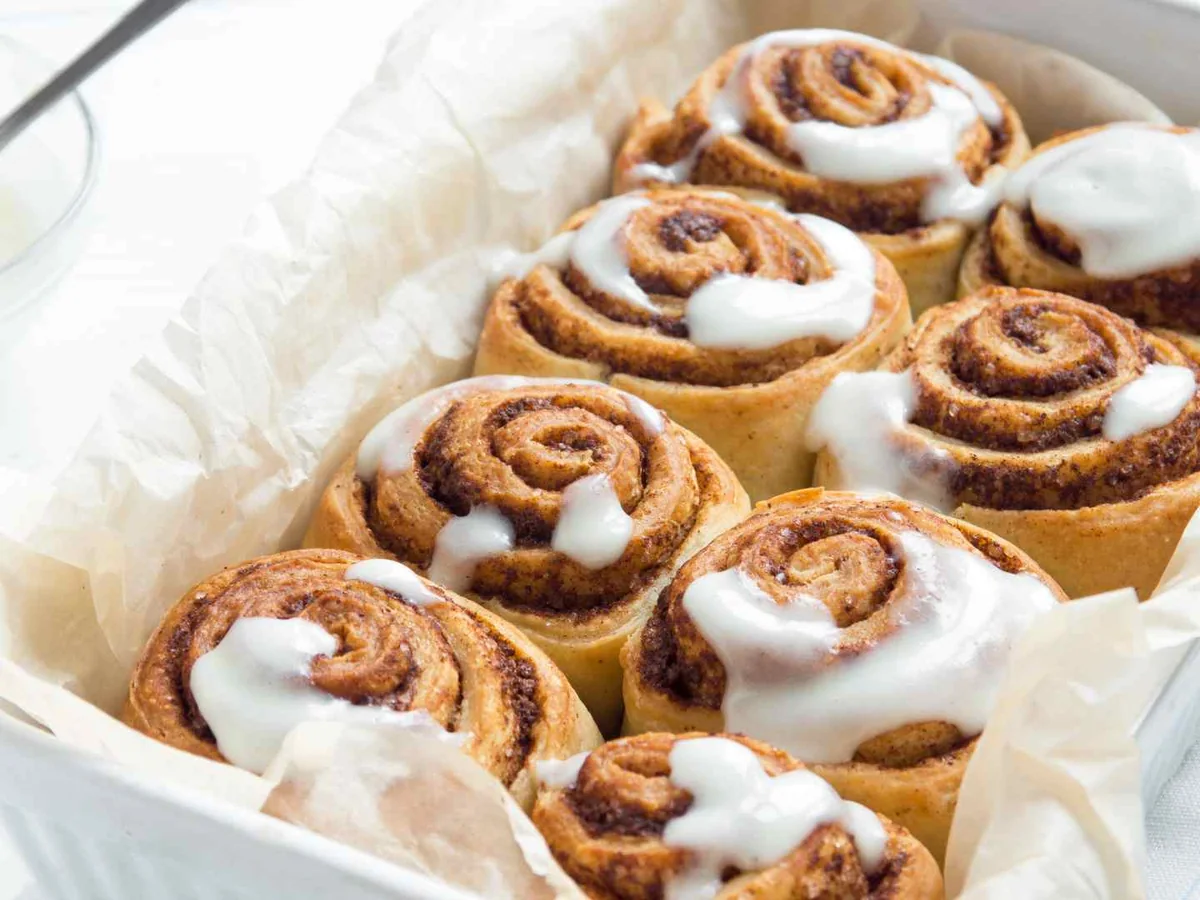
A plain glazed donut is mostly a rich-food exposure
A typical plain donut is made from flour, sugar, fat, eggs, milk, leavening, and flavoring, then fried or baked. Those ingredients are not classic dog toxins in ordinary prepared-food amounts, but the finished product is calorie-dense and often high in fat.
One small bite may cause no problem in a healthy dog. Several donuts can cause vomiting, diarrhea, gas, abdominal discomfort, and in susceptible dogs may contribute to pancreatitis.
Dogs with previous pancreatitis, high blood fats, gastrointestinal disease, or prescribed low-fat diets deserve a lower threshold for veterinary advice. The phrase “plain donut” sounds innocent until a 12-pound dog eats six of them.
Chocolate donuts need a real chocolate inventory
Chocolate cake donuts may contain cocoa powder in the dough, while yeast donuts may be coated with chocolate frosting or ganache. Some specialty donuts combine cocoa dough, dark-chocolate glaze, chips, and chocolate filling.
Cocoa powder and dark chocolate contain far more theobromine and caffeine than milk chocolate, so recipe details matter. Our chocolate cake guide covers how baked chocolate and frosting can stack the total dose.
Possible chocolate signs include vomiting, diarrhea, restlessness, increased thirst or urination, rapid or abnormal heart rate, panting, tremors, overheating, seizures, weakness, and collapse. Call promptly after a meaningful concentrated chocolate exposure rather than waiting for those signs.
Sugar-free donuts require an immediate xylitol check
Some keto, diabetic-style, and low-sugar donuts or glazes use alternative sweeteners. If xylitol is present, dogs can develop dangerous hypoglycemia and, after larger exposures, serious liver injury.
Call immediately if xylitol appears anywhere in the donut, filling, glaze, or topping. Our xylitol emergency guide covers why early assessment matters.
Cream-filled donuts add dairy, fat, and spoilage questions
Custard, pastry cream, whipped cream, and cream-cheese fillings can add substantial fat and dairy. Dogs that do not tolerate lactose well may develop gas, diarrhea, or vomiting after a large amount.
Refrigerated fillings also have a food-safety window, so a stale box left warm for many hours deserves more caution than a freshly purchased donut. Report how old the product was if spoilage is possible.
Jelly donuts are only as simple as the fruit filling
Strawberry, raspberry, blueberry, and many other ordinary fruit fillings are mostly sugar-and-stomach issues in small amounts. Grape jelly, raisin filling, or mixed dried-fruit pastries deserve a different assessment because grape products are associated with acute kidney injury in dogs.
Sugar-free jelly can also contain alternative sweeteners, including potentially xylitol. Use the package or bakery ingredient list rather than guessing from the purple color.
Coffee donuts can add caffeine
Mocha, espresso, tiramisu, and coffee-cream donuts may contain coffee extract, espresso powder, brewed coffee, or chocolate-covered coffee pieces. Concentrated caffeine can affect the dog’s heart and nervous system.
Report the coffee form and amount when known. Our coffee guide covers why coffee grounds, beans, and powders can be more concerning than weak brewed coffee.
Maple bacon donuts can be a salt-and-fat disaster
Bacon-topped donuts add salty, fatty processed meat to an already rich pastry. A few bacon crumbs are unlikely to create salt poisoning in most dogs, but a large box of bacon-heavy donuts can produce substantial fat and sodium.
Dogs with heart disease, kidney disease, pancreatitis history, or prescribed sodium restrictions deserve individualized advice. Our bacon guide covers the processed-meat side of the snack.
Raisin and apple-fritter style pastries need an ingredient check
Apple fritters themselves may contain safe cooked apple pieces, but bakery fritters and old-fashioned pastries can include raisins, currants, nuts, or sugar-free glaze. Raisins and grape-derived currants require prompt attention because kidney injury in dogs is unpredictable.
If the filling is unclear, ask the bakery or save the package. I would not decide that every dark baked fruit is an apple simply because that answer would be convenient.
Frying oil is one reason a donut binge can hurt later
Fried donuts absorb oil, and rich toppings add even more fat. A dog can therefore develop gastrointestinal upset or pancreatitis after a large donut binge even when no xylitol, chocolate, raisins, or other classic toxin is present.
Repeated vomiting, abdominal pain, refusal to eat, marked lethargy, or a hunched uncomfortable posture after a rich-food exposure deserves veterinary evaluation. Pancreatitis is not something I would try to diagnose from a dog’s facial expression at home.
Raw yeast donut dough is a different emergency
Unbaked yeast dough can expand in the warm stomach and ferment carbohydrates into ethanol. That creates risks of dangerous stomach distention and alcohol poisoning that do not apply to a fully cooked donut.
If your dog ate raw yeast donut dough, call promptly and report the amount and timing. Do not wait for abdominal swelling, retching, poor coordination, or unusual sleepiness before asking for help.
Paper, plastic, and box pieces can become foreign bodies
Dogs often swallow wax paper, napkins, plastic wrappers, wooden sticks, and pieces of the bakery box while inhaling the food. Small scraps may pass, but large pieces or multiple wrappers can create choking or obstruction risk.
Persistent vomiting, retching, abdominal pain, refusal to eat, lethargy, bloating, or inability to keep water down after swallowed packaging deserves veterinary evaluation. Report missing packaging during the first call.
Do not induce vomiting without professional direction
Whether vomiting is appropriate depends on the ingredients, timing, dog, symptoms, and swallowed objects. A weak, trembling, poorly coordinated, seizing, or breathing-impaired dog can aspirate.
Do not use salt, mustard, oil, or fingers. If a veterinarian specifically directs hydrogen peroxide for a suitable dog, follow the exact case-specific instructions.
The donut box belongs somewhere genuinely unreachable
Bakery boxes are flimsy, fragrant, and often left on low counters or dining tables. Put the box behind a closed door or inside a secure cabinet rather than relying on cardboard tabs to outsmart a motivated dog.
I have zero faith in the defensive strength of a bakery box once a dog has smelled warm glaze. Prevention should assume the box is packaging, not a safe.
Frequently asked questions
My dog ate one glazed donut. Is that dangerous?
One plain glazed donut is unlikely to cause poisoning in most medium or large healthy dogs, but it can cause stomach upset. A very small dog, a dog with pancreatitis, or a specialty sugar-free or filled donut deserves more caution.
Can dogs eat chocolate donuts?
They should not. Cocoa dough, chocolate glaze, dark chocolate, and chips can contribute methylxanthines, and the risk depends on the chocolate concentration, amount eaten, and dog’s weight.
What about powdered sugar donuts?
A tiny bite of a traditional powdered sugar donut is usually more of a calorie and stomach issue than a toxin exposure. Check for sugar-free sweeteners and consider the fat load if a large amount was eaten.
Can a dog eat a donut hole?
A plain donut hole without toxic ingredients may be low risk for many healthy dogs, but it is still rich human food. Chocolate, xylitol, raisins, and coffee flavors change the answer.
Bottom line
Donuts range from simple fried dough to multi-ingredient desserts, so the flavor and filling matter more than the shape. Check for xylitol, chocolate, raisins, coffee, rich cream, raw yeast dough, and swallowed packaging, then scale the response to the amount and your dog’s medical history.