Can Dogs Eat Jasmine Rice? Plain Portions and Recipe Risks
Most healthy adult dogs can eat a small amount of fully cooked, plain jasmine rice, but it is an optional extra rather than a necessary food or stomach remedy. Cook it until soft in water, cool it, and skip salt, oil, butter, broth, sauces, onion, and garlic.
The quick kitchen checklist
- Plain, fully cooked jasmine rice: a small occasional spoonful may suit many healthy adult dogs.
- Dry, raw, soaked-only, or undercooked rice: do not offer it as a snack.
- Fried rice, pilaf, biryani, and restaurant rice: inspect every ingredient before deciding what to do.
- Rice used as a bland diet: ask the veterinarian who is treating the digestive problem.
- A large raid or a dog with symptoms: call with the amount, recipe, time, and the dog’s weight.
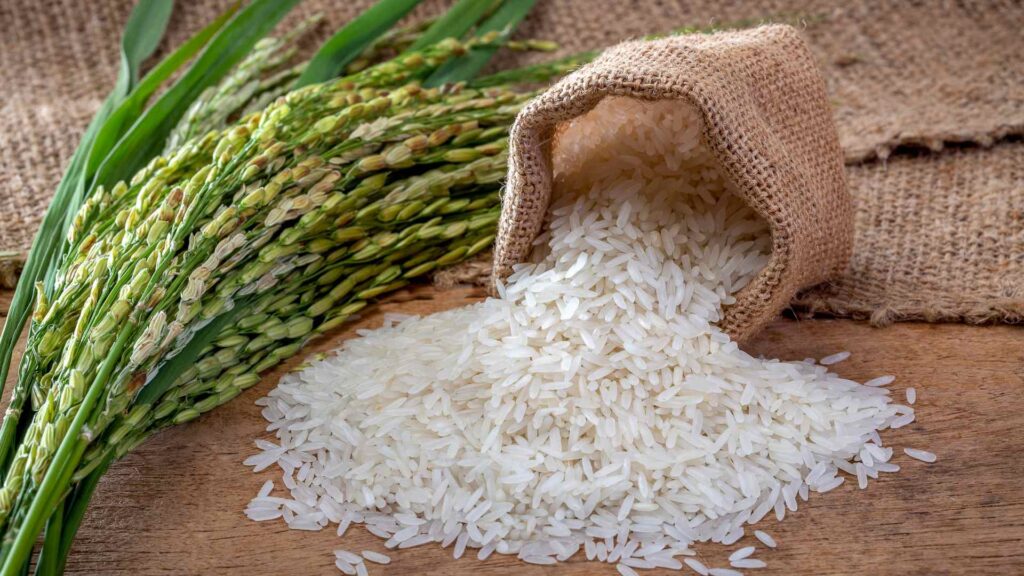
Jasmine describes an aromatic long-grain rice, not a canine health product. White and brown jasmine rice can both be cooked for people, but neither becomes a balanced dog meal just because it is plain.
Why fully cooked and plain is the useful answer
Cooking hydrates and softens the grain, making it easier to chew and digest. A dog does not benefit from crunching dry rice, and hard grains can be awkward for a tiny dog, a fast gulper, or an animal with painful teeth.
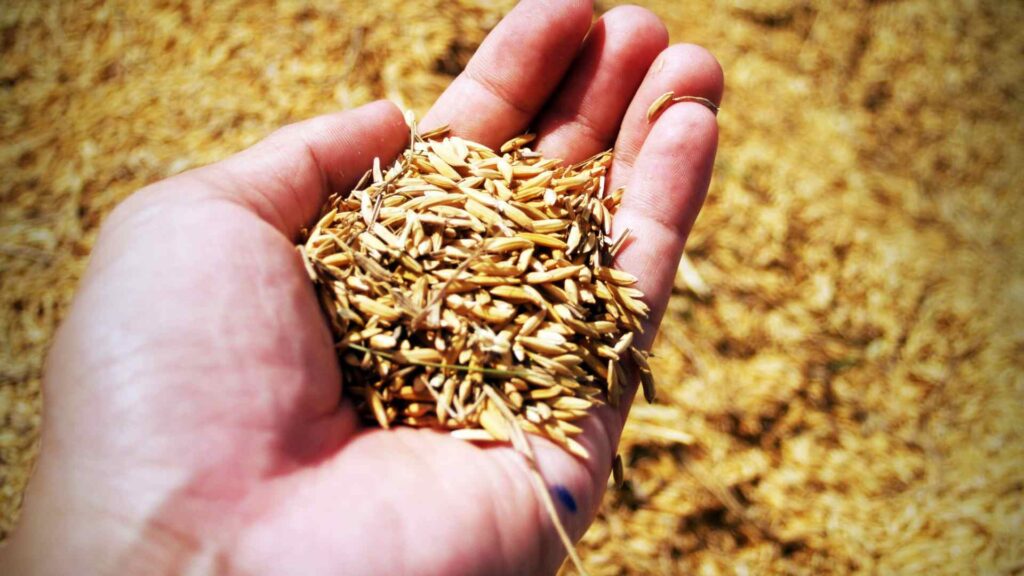
Dry rice is not a poison, so a few spilled grains should not trigger panic in an otherwise comfortable dog. A large amount is different because it can cause stomach discomfort, vomiting, constipation or diarrhea, and the bag or packaging may also have been swallowed.
Do not repeat the internet claim that every raw grain will swell until a dog’s stomach bursts. The practical concerns are the amount, the dog, the packaging, and any developing gastrointestinal signs.
How to prepare a dog’s small portion
- Use ordinary packaged jasmine rice intended for human food and inspect it for moisture, pests, or mold.
- Cook it in plain water according to the package directions until the grains are completely soft.
- Set aside the dog’s portion before adding salt, stock, oil, butter, coconut milk, herbs, or sauce.
- Let it cool to a safe temperature and break up sticky clumps for a small dog or eager gulper.
- Offer a small spoonful, then stop if vomiting, diarrhea, itching, or unusual discomfort appears.
Rice made with meat stock is not automatically dog-friendly because commercial and homemade stocks can contain onion, garlic, concentrated salt, and fat. The label and recipe matter more than the word homemade.
White jasmine rice versus brown jasmine rice
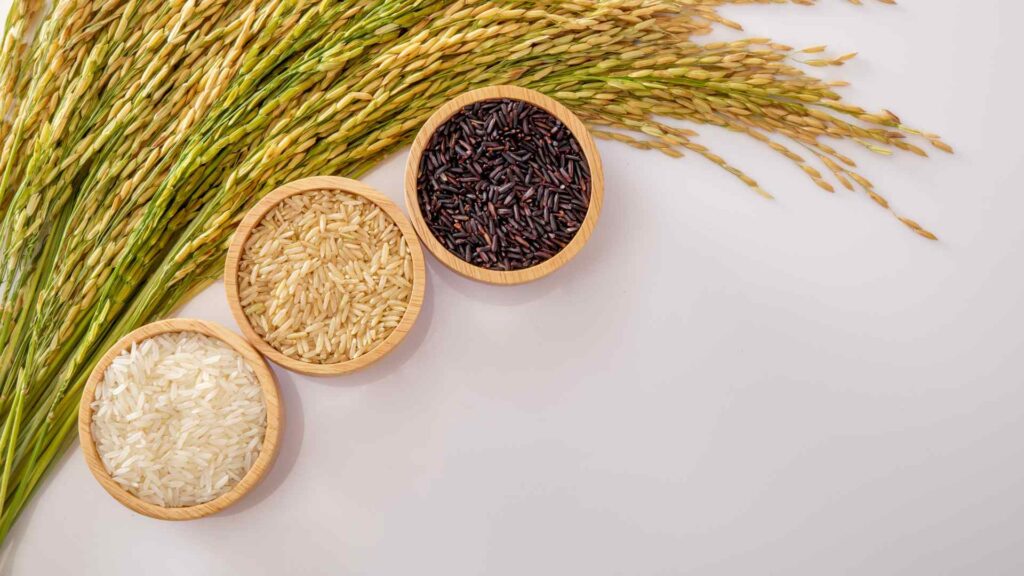
White jasmine rice has had the bran and germ removed, while brown jasmine rice retains those outer portions. Brown rice therefore usually brings more fiber and a chewier texture, but more fiber does not automatically make it better for a particular dog.
A dog with a sensitive digestive tract may tolerate soft white rice more easily, while another dog may do fine with a few fully cooked brown grains. Neither version should be chosen as therapy without veterinary guidance, especially for a dog with diabetes, gastrointestinal disease, kidney disease, or a prescription diet.
The Tufts veterinary nutrition FAQ notes that most dogs digest nutrients from grains efficiently and that even refined grains such as white rice can have useful roles depending on the entire diet and the individual pet. That is a much narrower claim than saying every dog needs rice.
Rice is an extra, not the whole dinner
Plain jasmine rice supplies carbohydrate calories but does not, by itself, provide all the amino acids, fats, vitamins, and minerals a dog needs. A bowl of rice can fill the stomach while quietly pushing nutritionally complete food out of the day.
The UC Davis veterinary treat guideline recommends that treats and other extras stay below 10 percent of daily calories, with at least 90 percent coming from a complete and balanced diet. Rice shares that small allowance with every chew, training reward, table scrap, and pill snack.
There is no honest universal spoon chart because dogs vary in size, body condition, activity, medical history, and the calorie density of their regular food. For a healthy dog, think garnish rather than side dish and ask the veterinarian for an individual amount if rice will be offered often.
Dogs who need an individual decision
- Puppies, because growth diets require careful nutrient and mineral balance.
- Dogs with diabetes or another condition managed through carbohydrate consistency.
- Dogs with obesity or a veterinarian-directed calorie plan.
- Dogs eating a prescription diet for kidney, urinary, gastrointestinal, allergy, or other disease.
- Dogs with repeated vomiting, diarrhea, weight loss, poor appetite, or suspected food reactions.
Do not add rice to a prescription food to make it stretch or improve flavor without asking the prescribing clinic. Even a harmless-looking topper can change calorie intake, nutrient balance, or the usefulness of an elimination trial.
Chicken and rice is not a diagnosis
Chicken and rice is often called a bland diet, but bland is a description, not a treatment plan. Diarrhea can follow a sudden food change, parasites, infection, toxins, foreign material, pancreatitis, chronic intestinal disease, or problems outside the digestive tract.
A homemade chicken-and-rice mixture is not complete and balanced for long-term feeding. It may also be wrong for a dog allergic to chicken, a dog needing a low-fat diet, or a dog whose illness requires fluids, medication, diagnostic tests, or a different therapeutic food.
The Merck Veterinary Manual review of acute hemorrhagic diarrhea syndrome describes a condition in which rapid fluid loss can lead to shock and prompt intravenous fluid therapy is the central treatment. A spoonful of rice is not a substitute for assessing hydration or circulation.
Call promptly for blood or black stool, repeated vomiting, a painful or swollen abdomen, marked lethargy, weakness, collapse, refusal of water, signs of dehydration, or suspected toxin or foreign-object exposure. Puppies, seniors, very small dogs, and dogs with chronic disease have less room for delay.
If a veterinarian recommends a temporary home-prepared bland diet, follow the exact ingredients, proportions, frequency, and transition instructions given for that dog. Ask when to stop it and how to return to the regular complete food.
What about rice water?
Rice water is not oral rehydration therapy and should not replace fresh water or veterinary fluids. Its electrolyte content is not designed for a sick dog, and delaying care while syringing liquid can create aspiration risk.
Keep normal drinking water available unless the veterinarian gives different instructions. A dog that cannot keep water down, will not drink, or appears dehydrated needs a call rather than a homemade beverage experiment.
Fried rice has more questions than rice
Fried rice commonly contains oil, butter, soy sauce, salt, onion, garlic, scallions, egg, meat, and sometimes spicy sauce. Restaurant recipes can change, and a dish that looks plain may still be cooked on a seasoned surface or with flavored oil.
Onion and garlic can damage canine red blood cells, including when cooked or powdered, so our onion guide and garlic guide explain what information to collect. Do not wait for pale gums or weakness before calling about a meaningful Allium exposure because signs can be delayed.
Oil and fatty meat can cause vomiting or diarrhea and may be especially unsuitable for a dog with pancreatitis history or a prescribed low-fat diet. Soy sauce and seasoning packets can deliver far more sodium than the rice itself.
Fully cooked plain egg can be a separate food question, covered in our egg guide, but its presence does not make fried rice balanced. Evaluate the entire pan rather than approving ingredients one by one and ignoring the total fat and salt.
Pilaf, biryani, coconut rice, and other seasoned dishes
Pilaf may be toasted in butter or oil and simmered in stock with onion or garlic. Biryani can add concentrated spices, onions, garlic, rich meat, raisins, and substantial fat, while coconut rice adds coconut milk and sometimes sugar or salt.
Sweet rice and rice pudding can contain milk, cream, butter, sugar, raisins, chocolate, nutmeg, or sugar-free sweetener. Raisins deserve urgent attention even when the amount looks small because susceptibility varies among dogs.
Use our grape and raisin guide when dried fruit is involved, and keep the package or recipe for the call. Picking visible raisins out after cooking does not remove juices or small pieces from the dish.
Microwave pouches and flavored ready-rice products may contain oils, sodium, broth, onion, garlic, cheese flavor, or preservatives. The ingredient list answers the safety question, not the fact that the front says jasmine.
Sushi rice and rolls
Sushi rice is usually seasoned with vinegar, sugar, and salt, so it is not the same as plain cooked rice. The amount in one fallen grain is small, but a missing roll brings fish, sauce, mayonnaise, avocado, seaweed, wasabi, pickled ingredients, and possible skewers or wrappers into the assessment.
Raw fish has separate pathogen and parasite concerns, while cooked fish can still be salty or sauced; our salmon guide covers those distinctions. Call about swallowed wooden picks, plastic grass, film, or packaging even when the food ingredients seem mild.
Cooked-rice storage matters
Cooked rice can support bacterial growth if it sits warm for too long, and reheating does not make every poorly handled leftover a good choice. A dog should not serve as the disposal plan for questionable takeout or a pot forgotten overnight.
The FDA safe food-handling guidance recommends refrigerating or freezing perishables within two hours, or within one hour when the temperature is above 90°F. It also advises dividing large leftovers into shallow containers so they cool more quickly.
Store plain dog portions covered, use clean utensils, and discard food with mold, an off odor, or an uncertain storage history. A refrigerator slows bacterial growth but does not turn old rice into a safe treat indefinitely.
What to do after an accidental rice raid
- Remove access and check whether the rice was dry, fully cooked, spoiled, seasoned, or mixed with other foods.
- Find the package, restaurant listing, recipe, or seasoning packet and photograph the ingredient list.
- Estimate the amount, time, dog’s weight, symptoms, medical conditions, and any missing packaging or utensils.
- Call promptly for onion, garlic, raisins, xylitol, chocolate, alcohol, excessive salt, a large amount, or swallowed objects.
- Seek urgent care for choking, repeated vomiting, severe diarrhea, blood, marked pain, bloating, weakness, tremors, collapse, or breathing trouble.
A healthy adult dog that ate a small spoonful of plain, fully cooked rice and remains comfortable can usually be monitored. Keep fresh water available and return to the normal complete diet rather than serving a second rice meal.
A large amount of plain cooked rice may lead to temporary fullness, gas, constipation, or loose stool, but advice should still account for the dog’s size and health. Do not induce vomiting unless a veterinary professional directs it.
Frequently asked questions
Can dogs eat jasmine rice every day?
It is not necessary, and daily use can add calories or displace balanced food. Ask the veterinarian or a board-certified veterinary nutritionist before making it a routine ingredient.
Is jasmine rice better than regular white rice for dogs?
No meaningful canine advantage is established simply from the jasmine aroma or variety. Preparation, portion, the complete diet, and the individual dog matter more.
Can jasmine rice stop diarrhea?
Do not treat rice as a cure. Diarrhea has many possible causes, and sick or vulnerable dogs may need examination, testing, fluids, medication, or a veterinary therapeutic diet.
Can dogs eat dry jasmine rice?
Do not offer it. A few spilled grains are unlikely to poison a healthy dog, but a large amount, symptoms, or missing packaging warrants a call.
Can dogs eat microwave jasmine rice?
Only if the label shows it is plain and the dog receives a small amount after proper heating and cooling. Many pouches contain oil, salt, broth, or seasonings.
The bottom line
A small amount of fully cooked, plain jasmine rice can be an occasional extra for many healthy adult dogs. It is neither a complete meal nor a dependable diarrhea treatment.
Keep the pot plain, portion it like a garnish, store leftovers safely, and inspect every mixed dish. Dry rice, large raids, unsafe seasonings, packaging, or illness signs deserve a case-specific veterinary call.